
The Wash of Cumberland (Cumbria) — History & Facts
Can beauty exist without sorrow? In The Wash of Cumberland, this question resonates through the tranquil yet tumultuous landscape, merging joy and melancholy in nature’s embrace. Look to the foreground where gentle waves lap against the soft, pebbled shore, inviting the viewer into the scene. The artist employs a delicate palette of greens and blues, with hints of gold shimmering under a sun that casts a warm glow over the water. Notice how the light interacts with the rippling surface, creating a tapestry of reflections that dance joyfully, yet retain an undercurrent of fleeting time.
The composition draws the eye along the rugged coastline, leading into the expansive sky, where clouds merge and part, encapsulating both the calmness and unpredictability of nature. The emotional tension is palpable; the serene beauty of the landscape is tinged with an awareness of transience. The juxtaposition of the gentle waves and the rugged cliffs suggests a constant struggle between serenity and chaos, a reminder of nature's duality. The figures in the distance, perhaps engaged in their daily labors, amplify this contrast, reminding us that human existence is intertwined with the elements, carrying both the burdens and joys of life. In 1830, Copley Fielding painted this evocative scene while based in England, during a period when Romanticism was flourishing.
His works often celebrated the beauty of the British landscape and reflected the era's embrace of nature as a source of inspiration and contemplation. At this time, Fielding was gaining recognition for his ability to capture the emotional depth of the natural world, reflecting both the artistry of the landscape and the poignant human experience within it.
More Artworks by Copley Fielding
Browse all →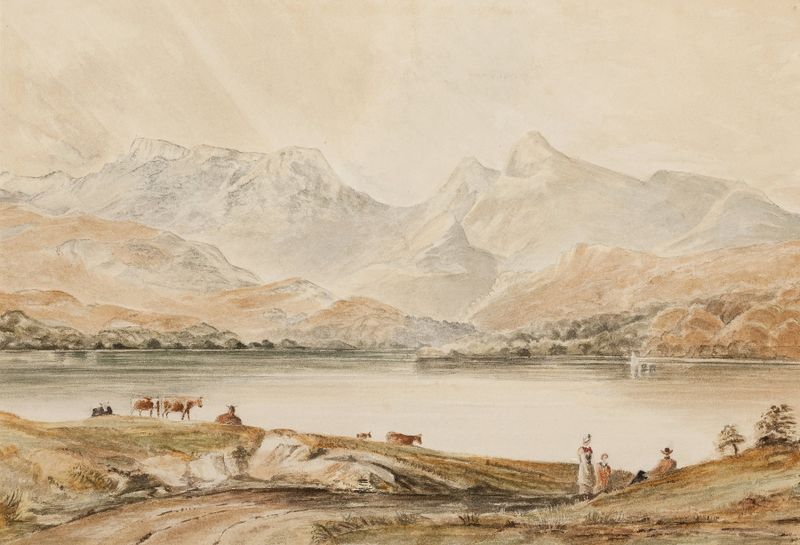
Loch Awe, Scotland
Copley Fielding
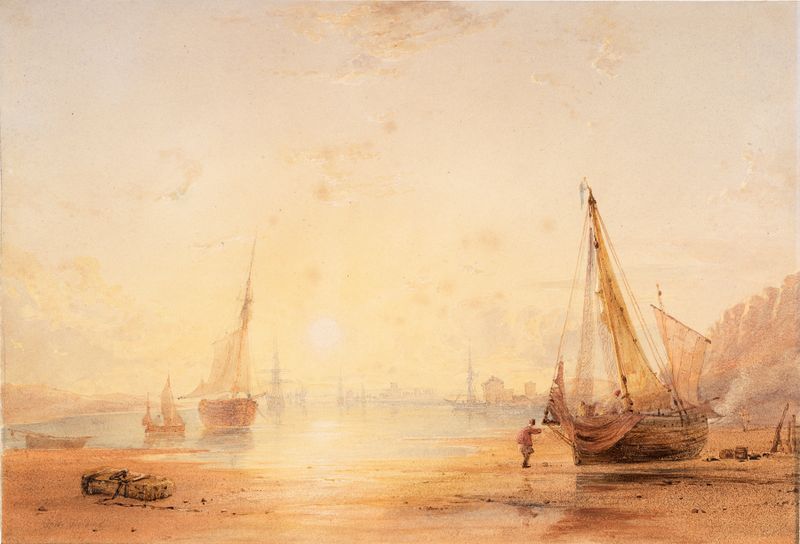
Shoreham Harbour, Sussex
Copley Fielding

Crowborough Hill
Copley Fielding
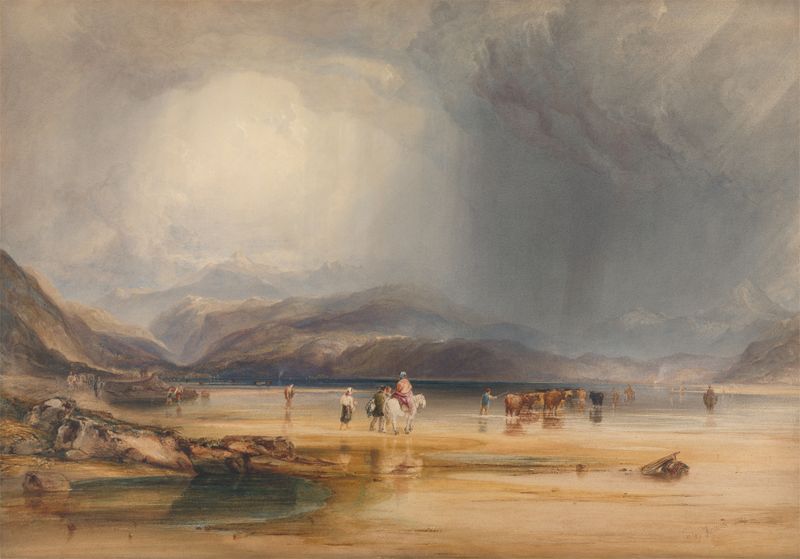
A View of Snowdon from the Sands of Traeth Mawr, taken at the Ford Between Pont Aberglaslyn and Tremadoc
Copley Fielding
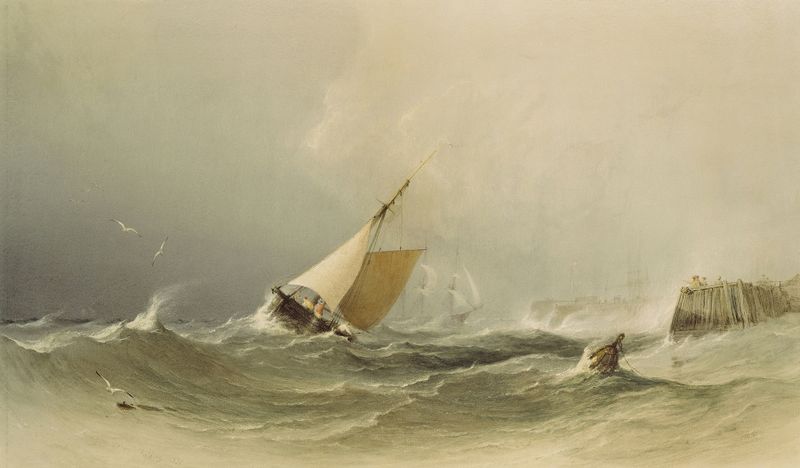
Bridlington Harbour
Copley Fielding
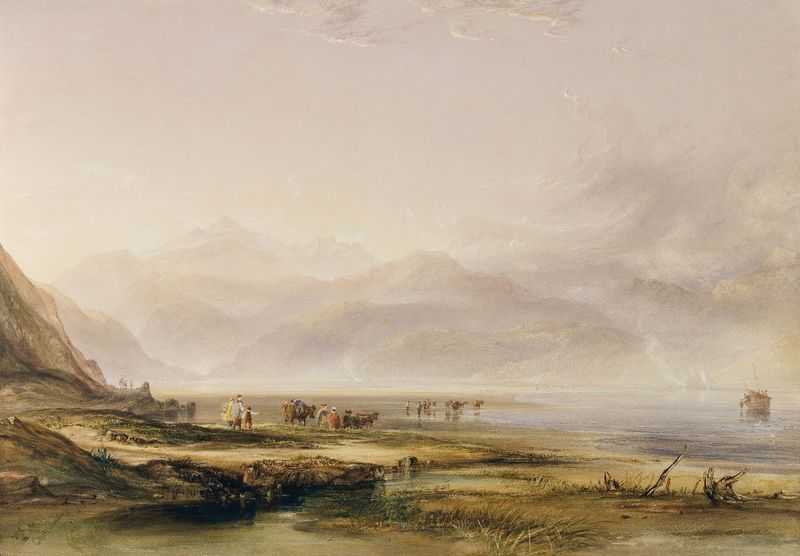
Traeth Mawr
Copley Fielding

The Head of Glencoe, North Argyll, Scotland
Copley Fielding
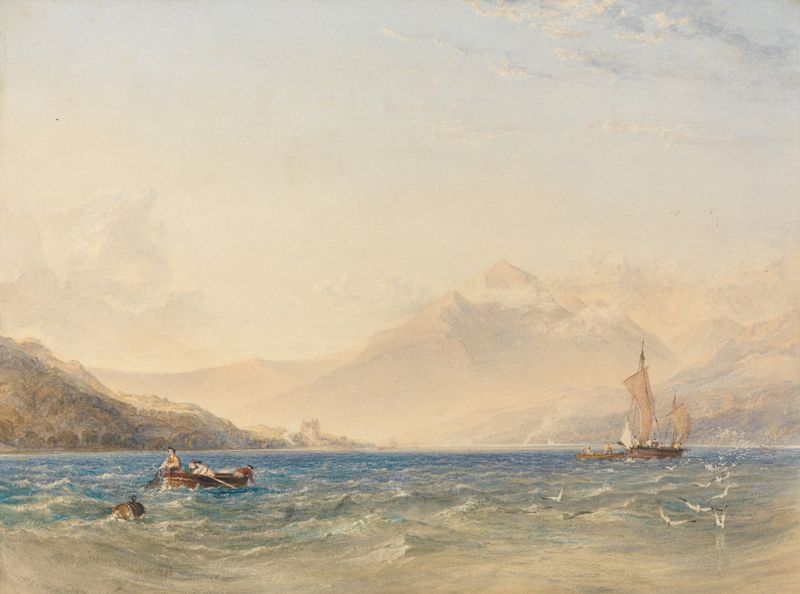
The Head of Loch Fyne, with Dindarra Castle
Copley Fielding
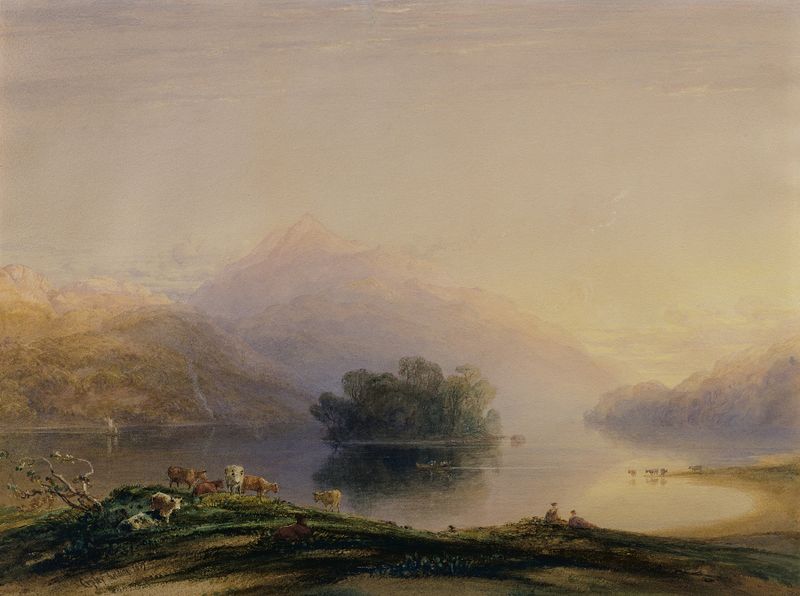
Loch Katrine
Copley Fielding
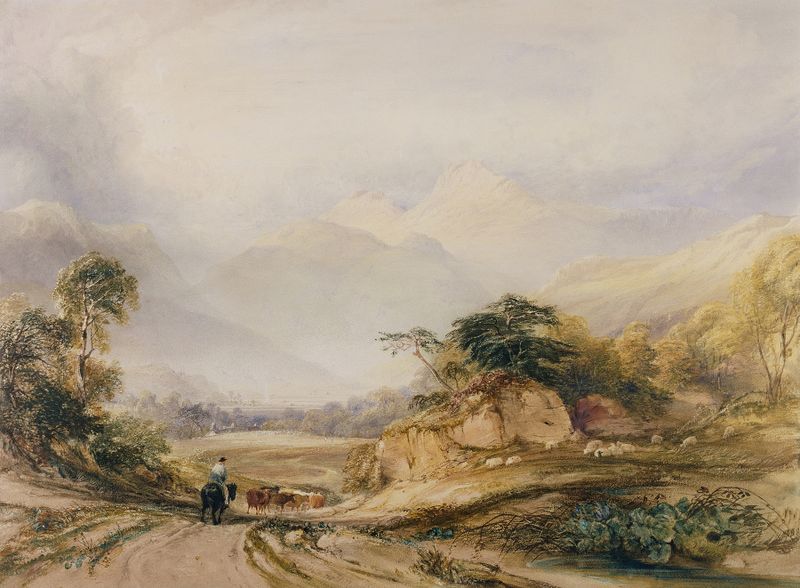
Langdale Pikes
Copley Fielding





