
The Head of Glencoe, North Argyll, Scotland — History & Facts
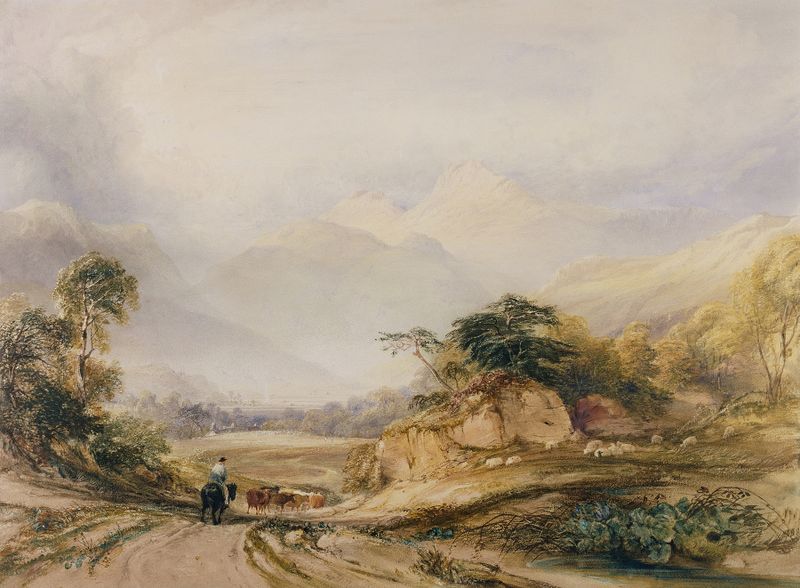
In The Head of Glencoe, North Argyll, Scotland, the artist captures the sublime interplay of light and shadow in a landscape that teeters between the wild and the serene. Look to the left at the striking contrast between the dark, imposing crags and the soft light that glimmers off the water’s surface. The meticulous brushwork reveals a delicate balance; the rugged mountains rise sharply against a sky brushed with soft pastels. Notice how the light subtly transforms the scene, illuminating the lush greens of the valley while casting long, dramatic shadows that stretch into the foreground.
This choice of vivid yet natural tones invites viewers into the heart of the Scottish highlands. Deeper insights emerge in the gentle layers of texture—each stroke conveys movement, from the roiling clouds above to the tranquil ripples in the loch. The tension between the fierce geological formations and the serene water reflects a duality of nature, evoking feelings of both awe and introspection. The viewer is drawn to contemplate the fleeting moments of tranquility that persist amid the impermanence of life. Copley Fielding painted this piece in 1823, during a period when he was celebrated for his ability to merge realism with the romantic spirit of the sublime landscape.
Living in England, he was influenced by the picturesque qualities of the Scottish terrain while navigating a world increasingly fascinated by nature in art. This work stands as a testament to his commitment to capturing the ethereal beauty found within the tumult of the natural world.
More Artworks by Copley Fielding
Browse all →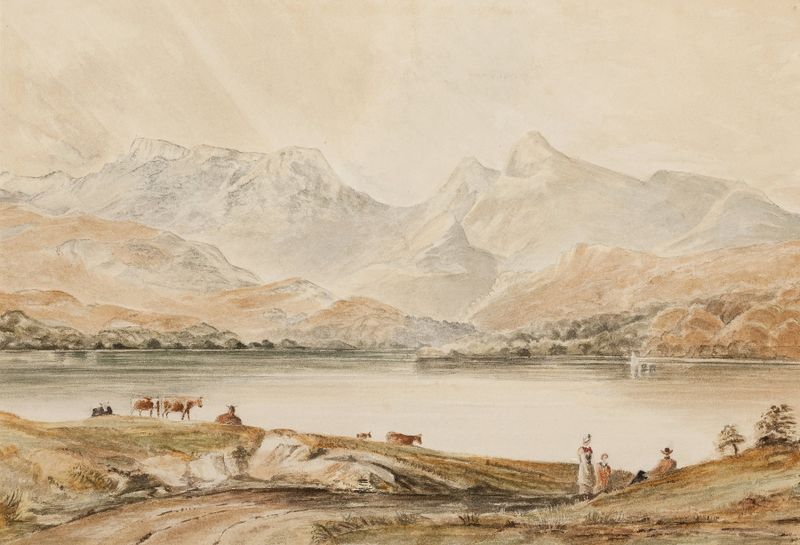
Loch Awe, Scotland
Copley Fielding
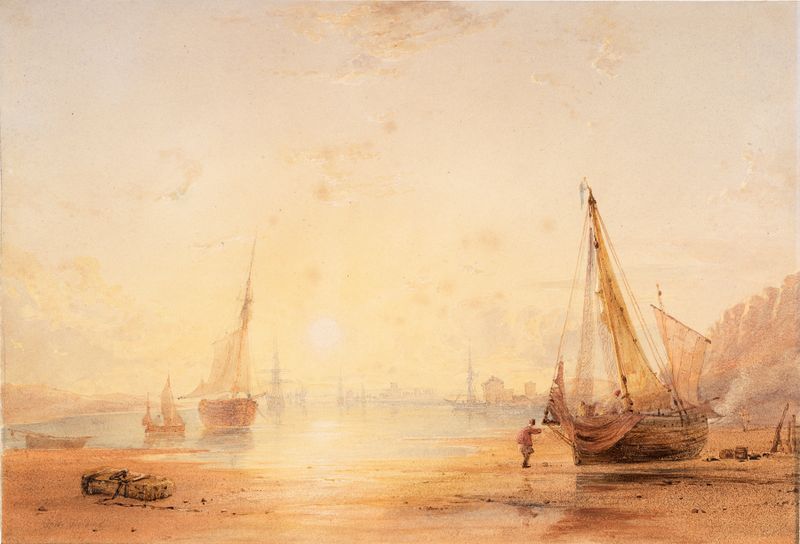
Shoreham Harbour, Sussex
Copley Fielding

Crowborough Hill
Copley Fielding
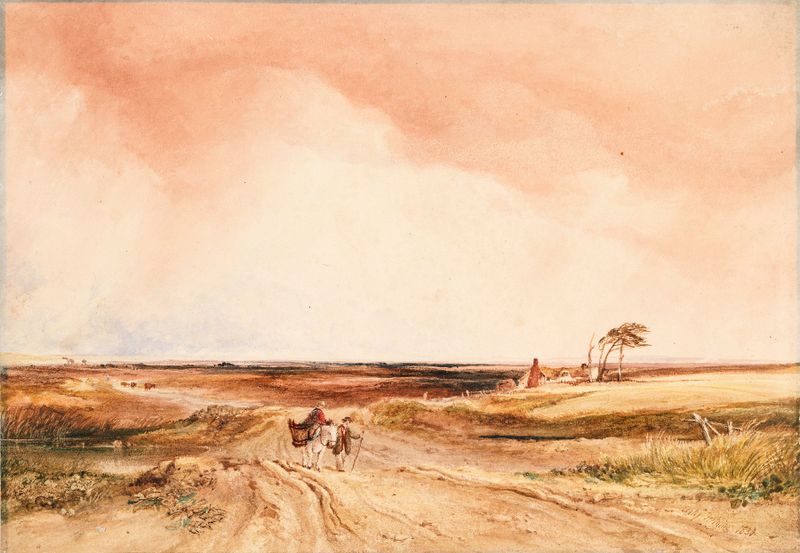
The Wash of Cumberland (Cumbria)
Copley Fielding
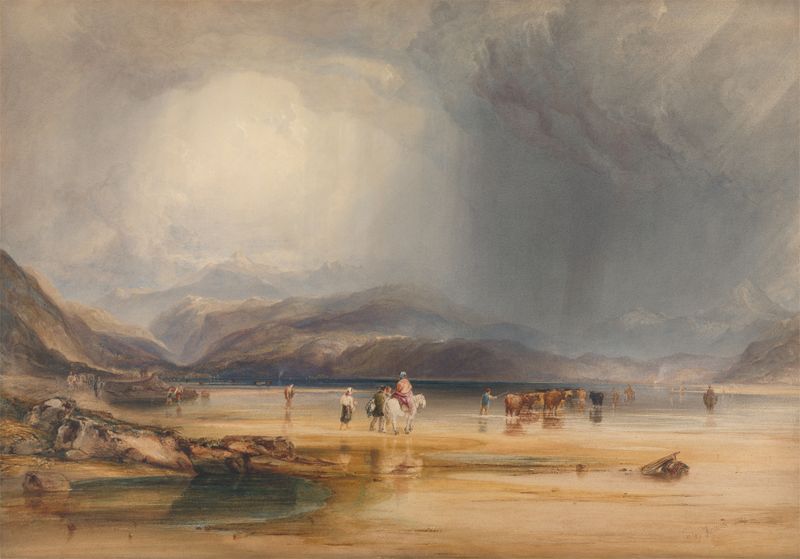
A View of Snowdon from the Sands of Traeth Mawr, taken at the Ford Between Pont Aberglaslyn and Tremadoc
Copley Fielding
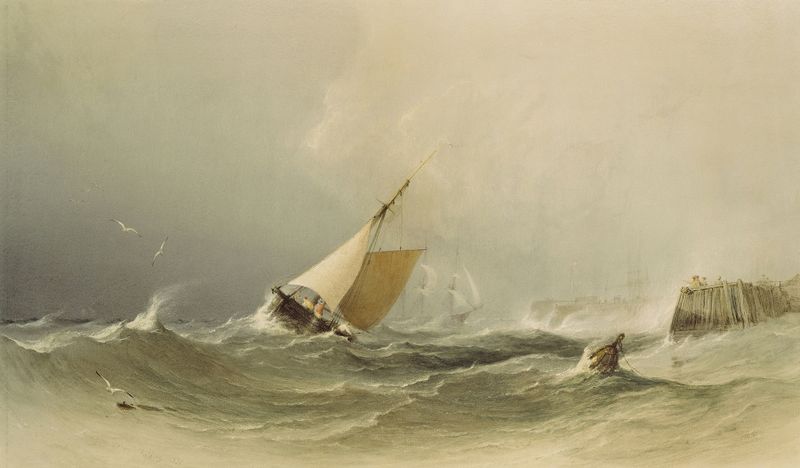
Bridlington Harbour
Copley Fielding
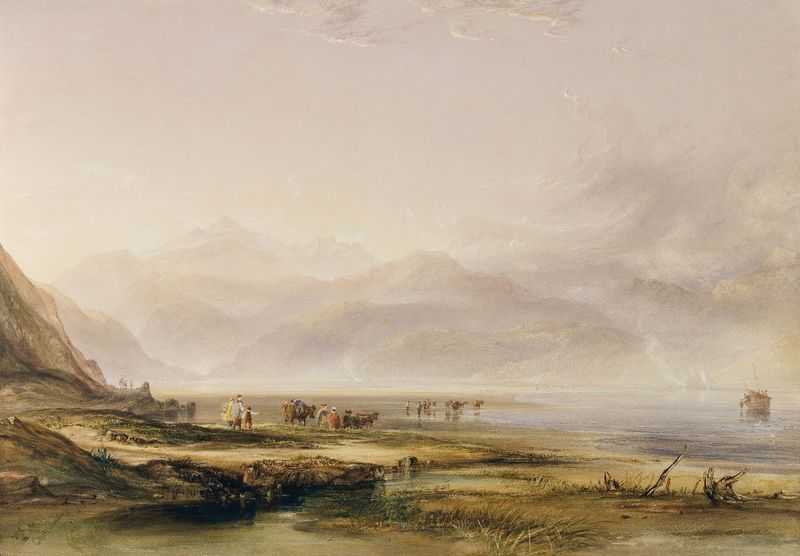
Traeth Mawr
Copley Fielding
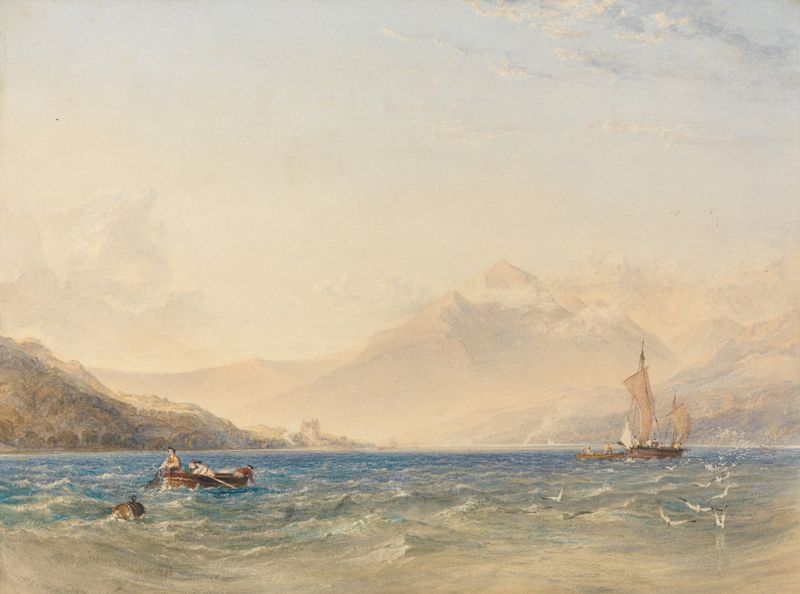
The Head of Loch Fyne, with Dindarra Castle
Copley Fielding
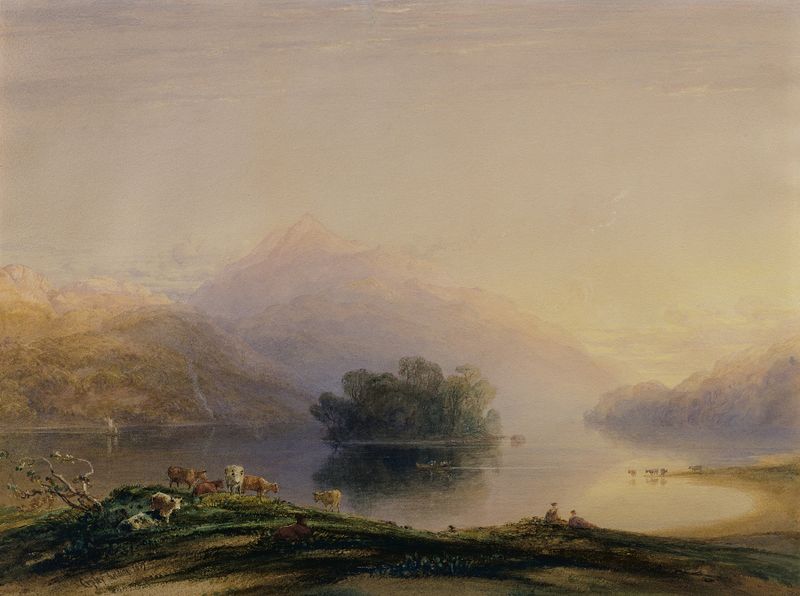
Loch Katrine
Copley Fielding
Langdale Pikes
Copley Fielding





