
Traeth Mawr — History & Facts
What if beauty was never meant to be finished? In Traeth Mawr, the raw edge of nature invites contemplation, teasing the delicate boundary between chaos and harmony. Look to the center where vibrant greens ripple like whispers of life across the landscape. The brushwork, both confident and fluid, draws your eyes to the undulating hills that cradle the serene bay, while dappled sunlight pierces through the clouds, illuminating patches of water that shimmer with hints of deep azure. Notice how the gentle waves, rendered with a deft touch, appear to breathe with the rhythm of the tides, creating a sense of endless movement within the stillness of the scene. Delve deeper into the contrasts at play—between the wildness of nature and the tranquility it offers, between the brush’s fervor and the calmness of the water.
The figures that dot the coastline seem almost ephemeral, lost within the vastness, as if nature is reclaiming them. Their existence reflects the transient beauty of life, suggesting that madness lies not in the chaos itself but in our attempts to grasp the fleeting essence of such perfection. Copley Fielding painted this masterpiece in 1838, a time when he was deeply engaged with the Romantic landscape movement. Living in England, he explored the tension between the sublime and the pastoral, reflecting both personal struggles and wider societal changes.
During this period, the industrial revolution was asserting itself, and his work became a quiet rebellion against the encroaching madness of mechanization, celebrating the unrefined beauty of the natural world.
More Artworks by Copley Fielding
Browse all →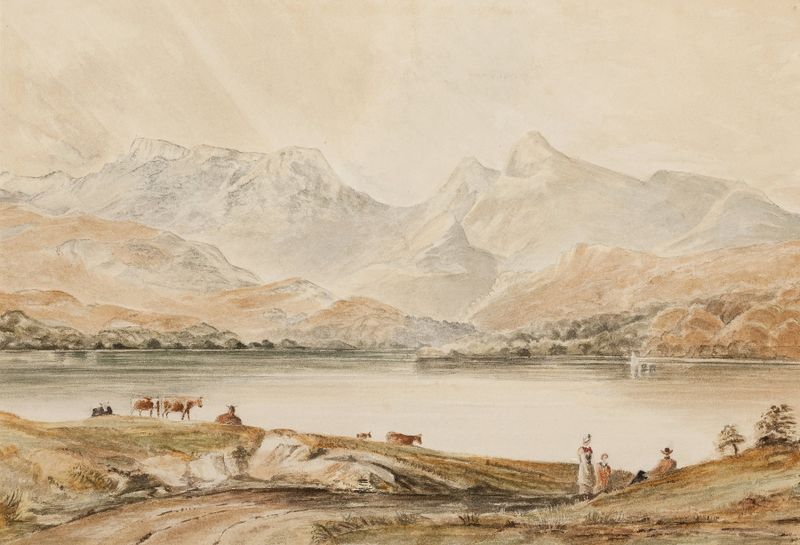
Loch Awe, Scotland
Copley Fielding
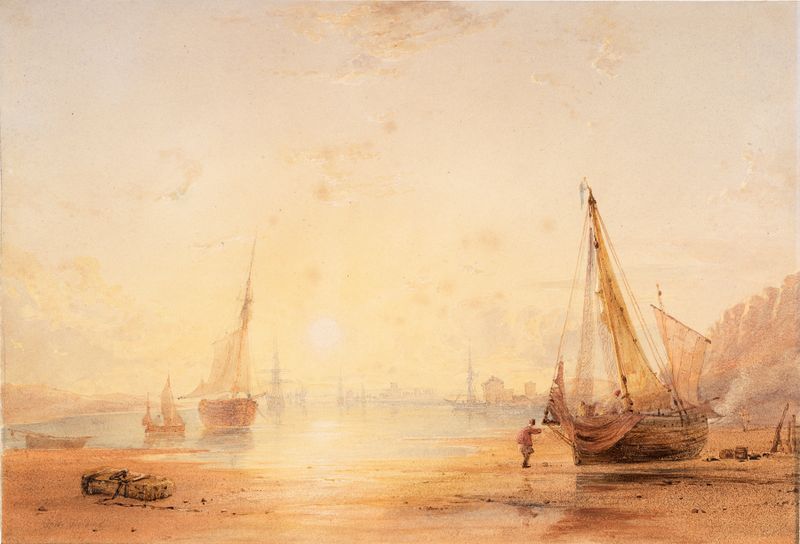
Shoreham Harbour, Sussex
Copley Fielding

Crowborough Hill
Copley Fielding
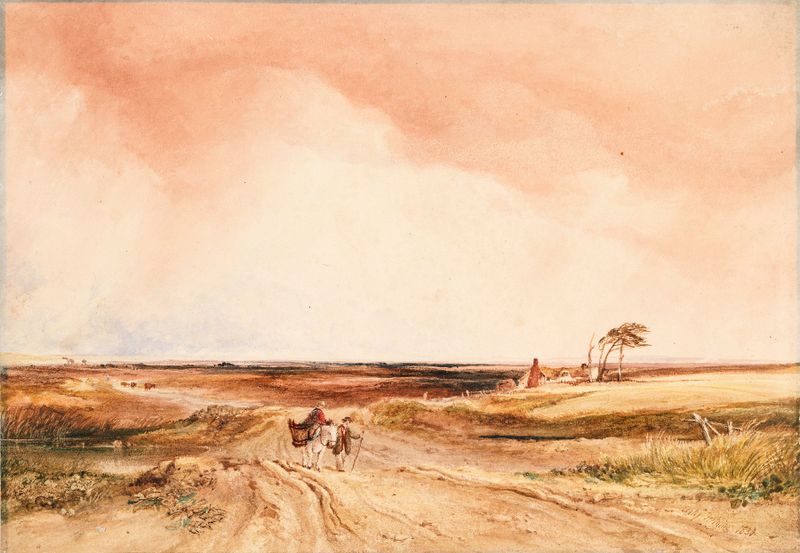
The Wash of Cumberland (Cumbria)
Copley Fielding
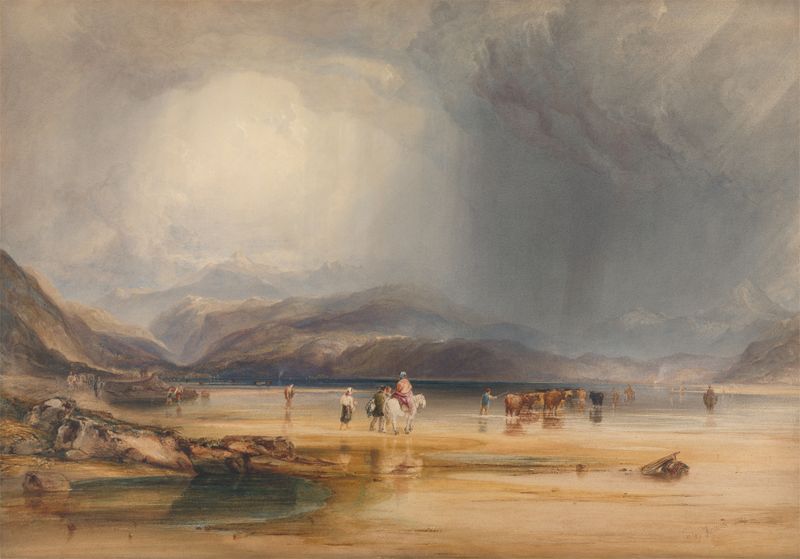
A View of Snowdon from the Sands of Traeth Mawr, taken at the Ford Between Pont Aberglaslyn and Tremadoc
Copley Fielding
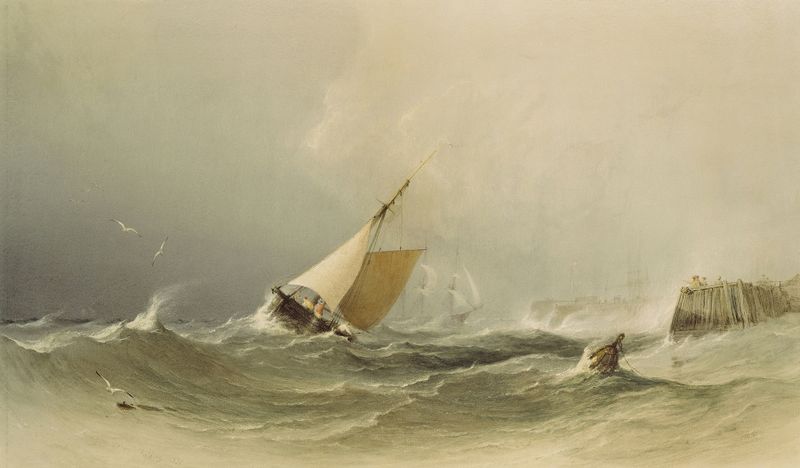
Bridlington Harbour
Copley Fielding

The Head of Glencoe, North Argyll, Scotland
Copley Fielding
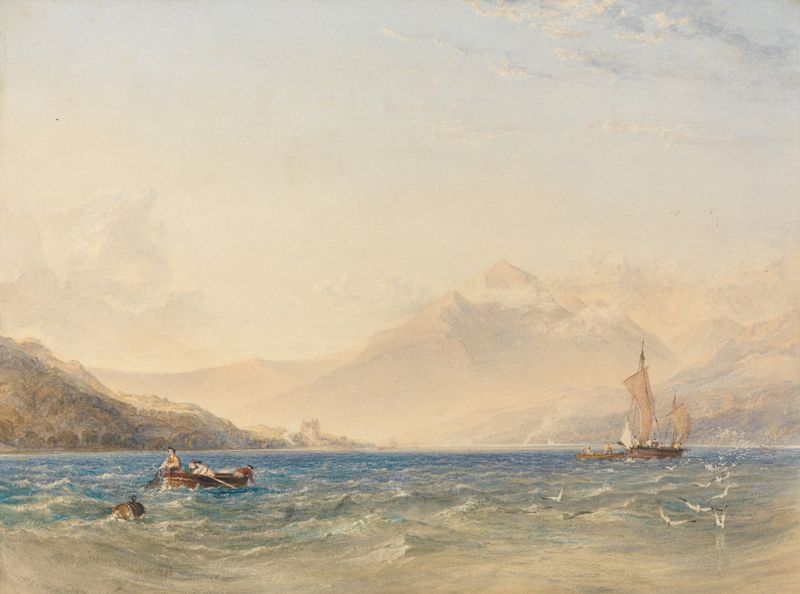
The Head of Loch Fyne, with Dindarra Castle
Copley Fielding
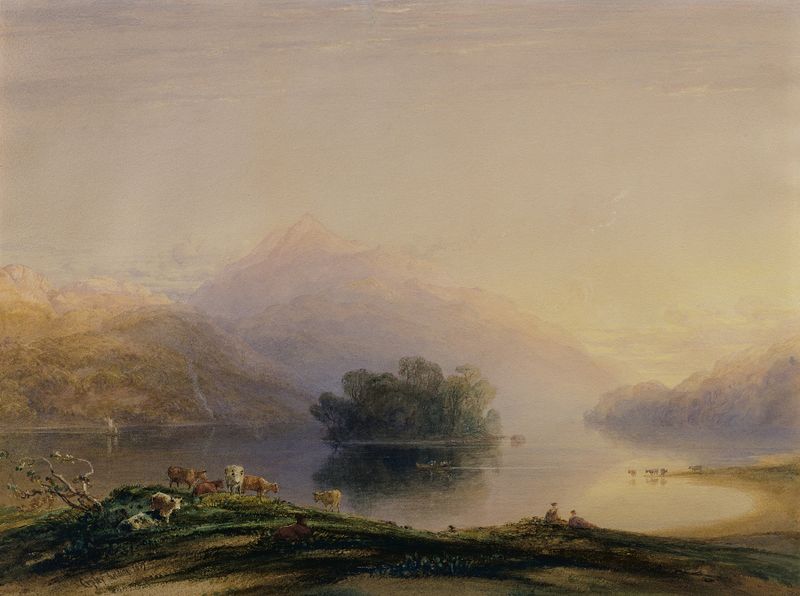
Loch Katrine
Copley Fielding
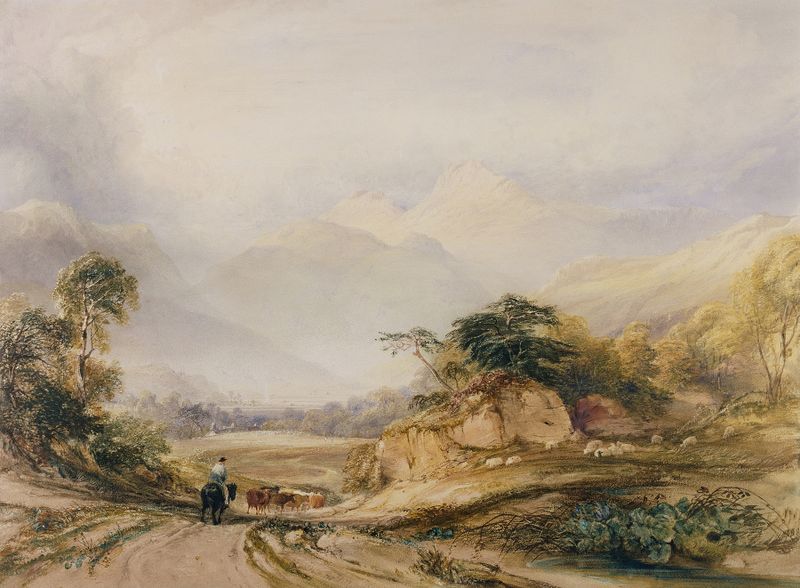
Langdale Pikes
Copley Fielding





