
The Head of Loch Fyne, with Dindarra Castle — History & Facts
What if beauty was never meant to be finished? In the stillness of time, The Head of Loch Fyne, with Dindarra Castle whispers the secrets of its landscape, inviting us to linger in its embrace. Look to the foreground, where delicate strokes of green grass cradle the edge of the water's shimmering surface. The castle stands majestically to the left, its weathered stones glowing softly under the caress of the sunlight. Notice how the artist captures the shadows cast by the trees, intricate patterns that dance across the lake, as if nature itself is painting its own masterpiece.
The gentle blues and greens are complemented by hints of ochre, creating a harmonious palette that breathes life into this serene moment. Beneath the tranquil façade, the play of shadow and light reveals deeper emotional tensions. The castle, a symbol of human ambition, contrasts against the timeless beauty of the natural landscape, reminding us of our fleeting existence in a world that endures. The soft ripples of the loch evoke a sense of introspection, suggesting that moments of beauty can be ephemeral yet profoundly impactful, inviting us to ponder the delicate balance between nature and man. In 1850, Copley Fielding created this work during a pivotal period in British landscape painting, where the Romantic movement was giving way to a more nuanced appreciation of realism.
Living in England, Fielding was influenced by the picturesque aesthetics of his surroundings, capturing the sublime beauty of the Scottish Highlands with a keen eye for detail. This painting reflects his commitment to portraying nature's splendor, bridging the gap between the idealized and the authentic.
More Artworks by Copley Fielding
Browse all →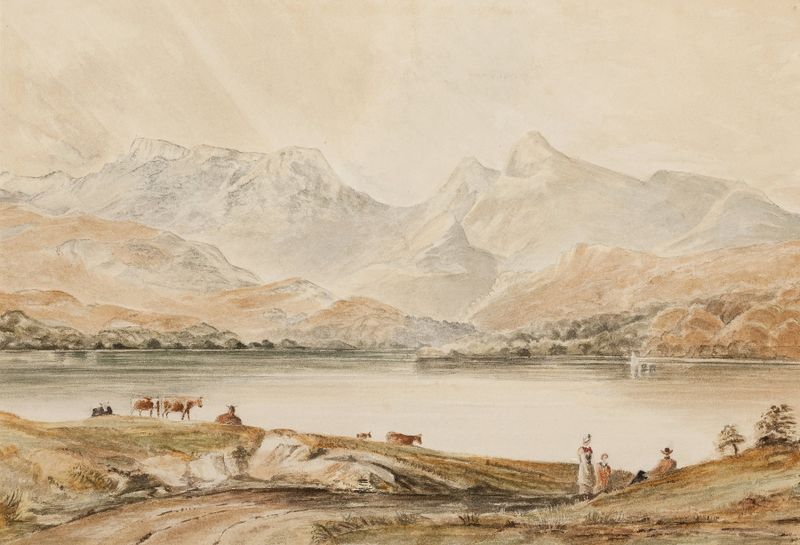
Loch Awe, Scotland
Copley Fielding
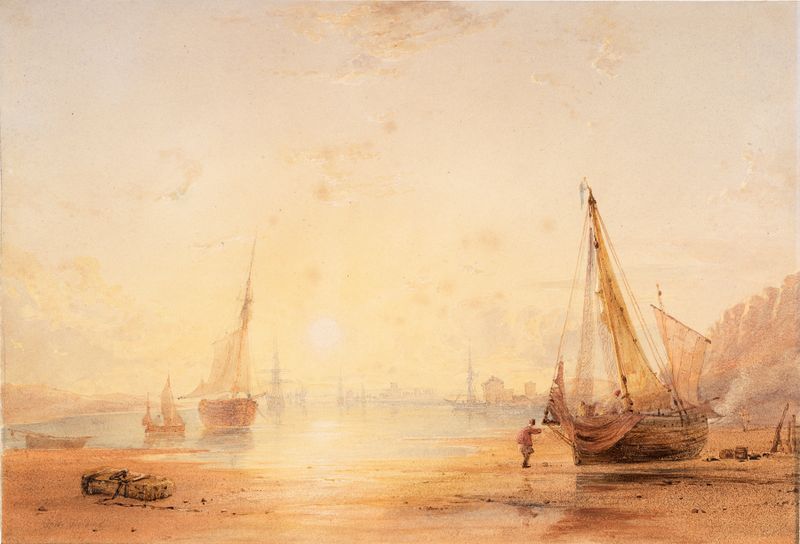
Shoreham Harbour, Sussex
Copley Fielding

Crowborough Hill
Copley Fielding
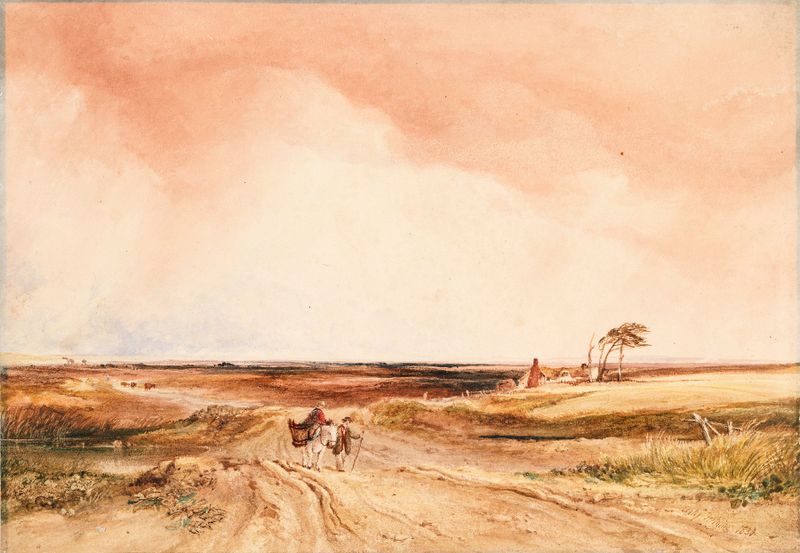
The Wash of Cumberland (Cumbria)
Copley Fielding
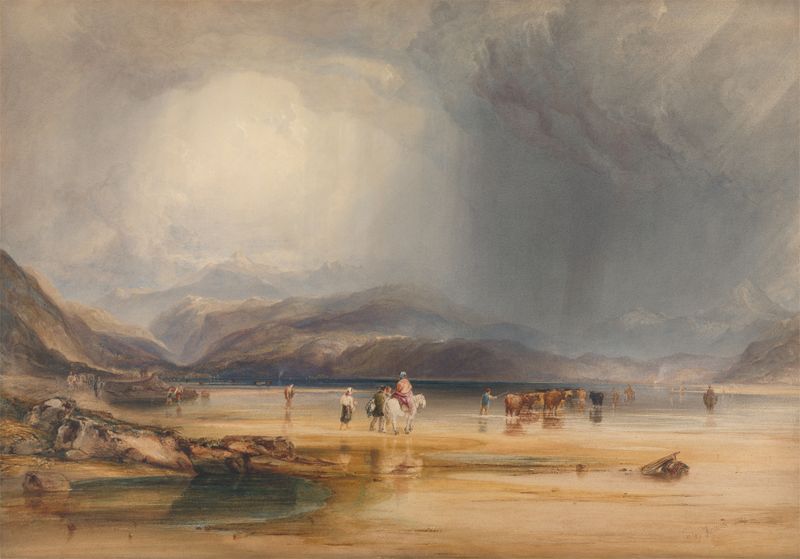
A View of Snowdon from the Sands of Traeth Mawr, taken at the Ford Between Pont Aberglaslyn and Tremadoc
Copley Fielding
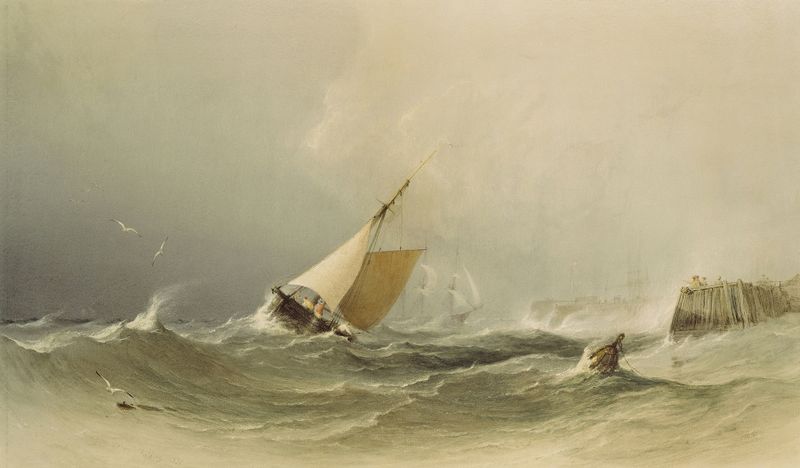
Bridlington Harbour
Copley Fielding
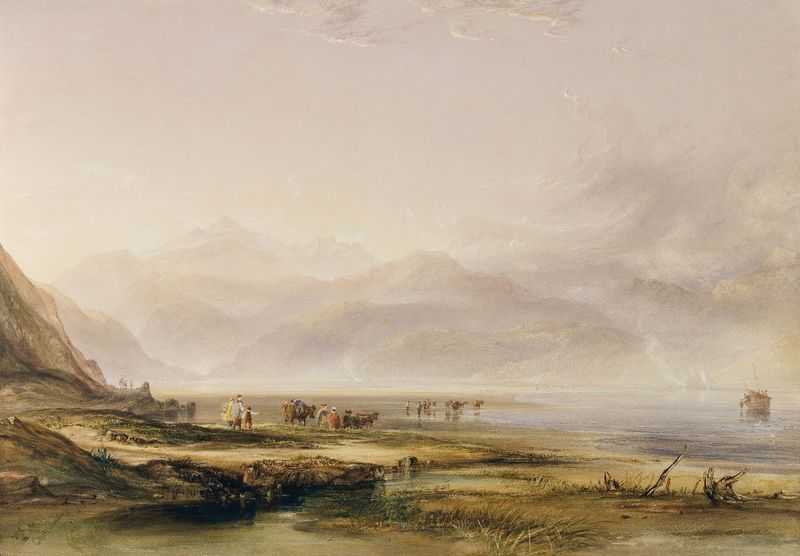
Traeth Mawr
Copley Fielding

The Head of Glencoe, North Argyll, Scotland
Copley Fielding
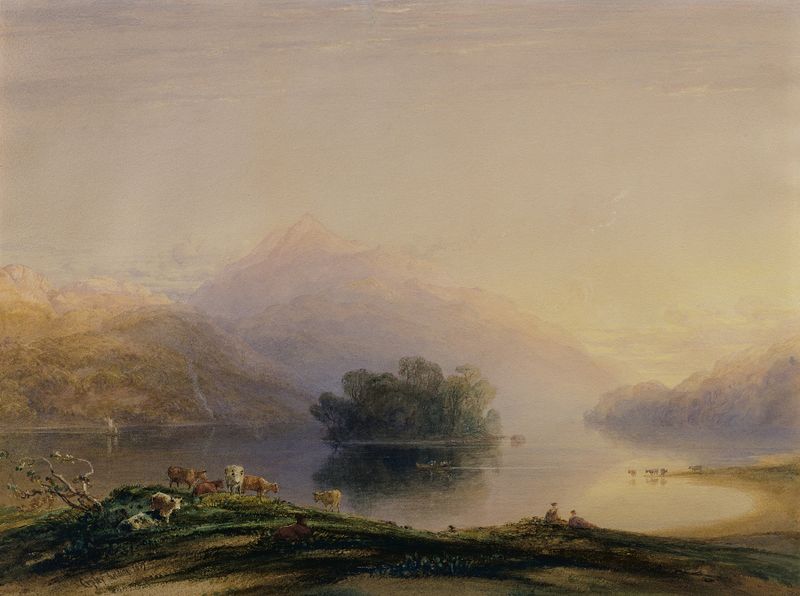
Loch Katrine
Copley Fielding
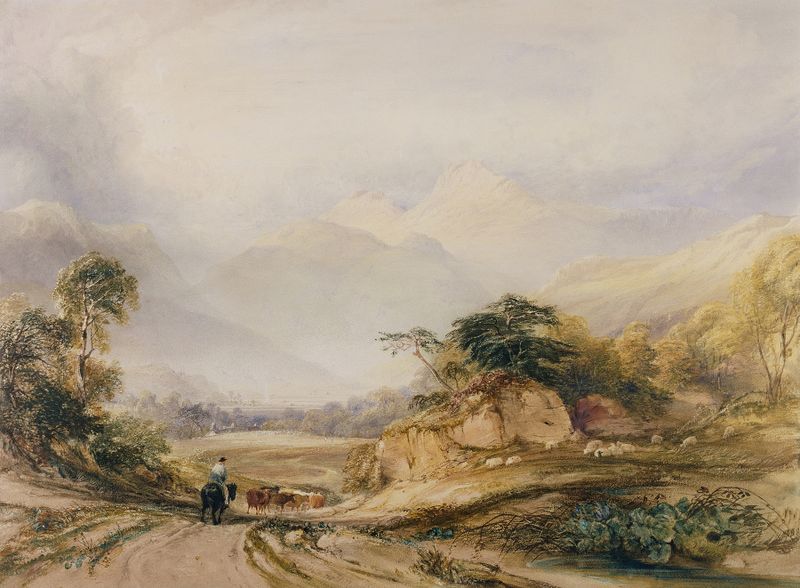
Langdale Pikes
Copley Fielding





