Discover insights about this artwork
Crowd in a Park — History & Facts
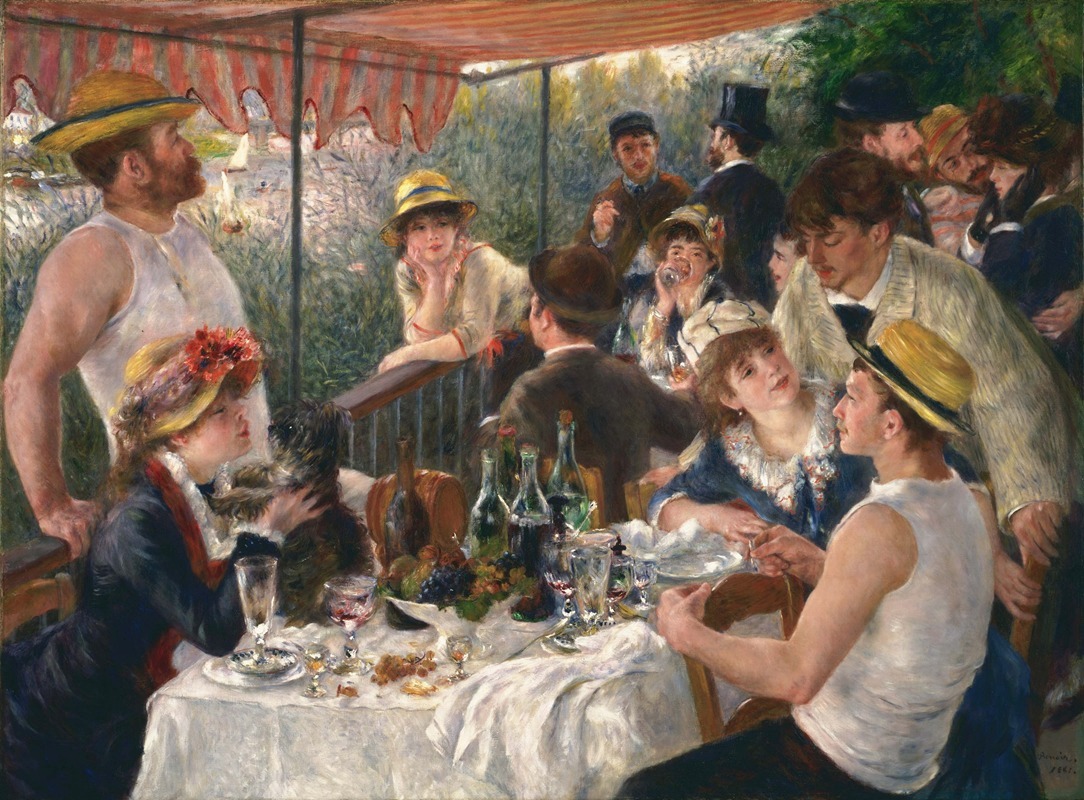
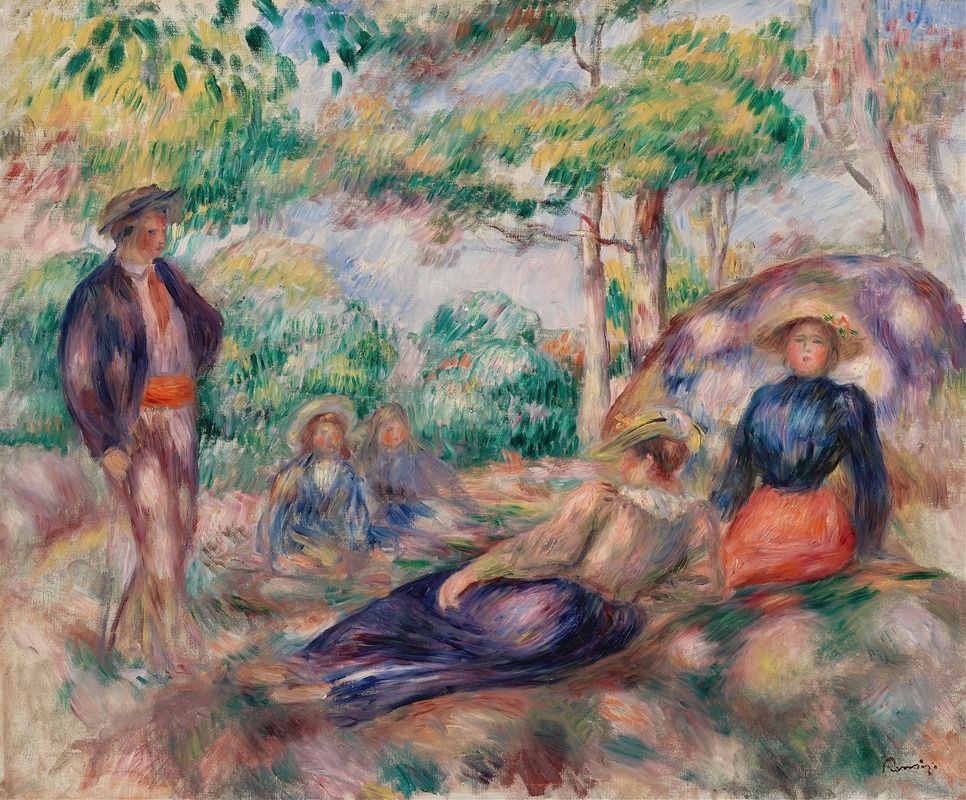
In Crowd in a Park, Francisco de Goya captures a lively scene filled with figures enjoying a day outdoors. The painting features a variety of people, from families to couples, all engaged in different activities. The colors are vibrant, with greens and blues dominating the landscape, creating a sense of warmth and liveliness.
The setting suggests a sunny day, inviting viewers to imagine the sounds and atmosphere of the park. The painting is executed in oil on canvas, a medium that allows for rich color and texture. Goya's brushwork is dynamic, with loose strokes that convey movement and energy among the crowd. The composition is balanced, drawing the eye across the canvas to explore the interactions between the figures.
Viewers can appreciate the attention to detail in the clothing and expressions of the people depicted. Created in the 1780s, this work reflects Goya's interest in social themes and the human experience. It is a notable example of genre scenes in his oeuvre, showcasing everyday life rather than historical or mythological subjects. An interesting fact about this painting is that it captures a moment of leisure in a time when such public spaces were becoming increasingly popular in Spain.
Goya's ability to blend realism with a touch of romanticism makes this piece particularly engaging.
More Artworks by Francisco de Goya
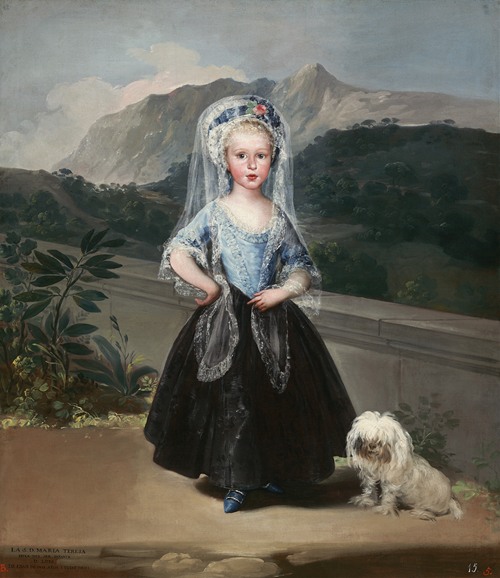
María Teresa de Borbón y Vallabriga,later Condesa de Chinchón
Francisco de Goya
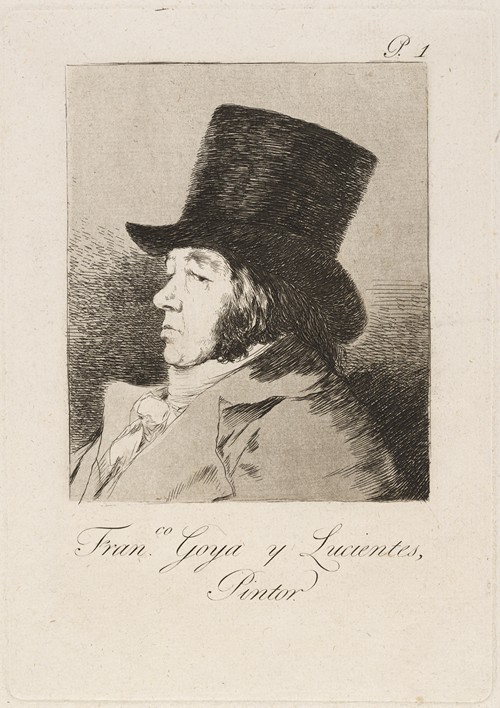
Francisco Goya y Lucientes, Pintor (Francisco Goya y Lucientes, painter)
Francisco de Goya
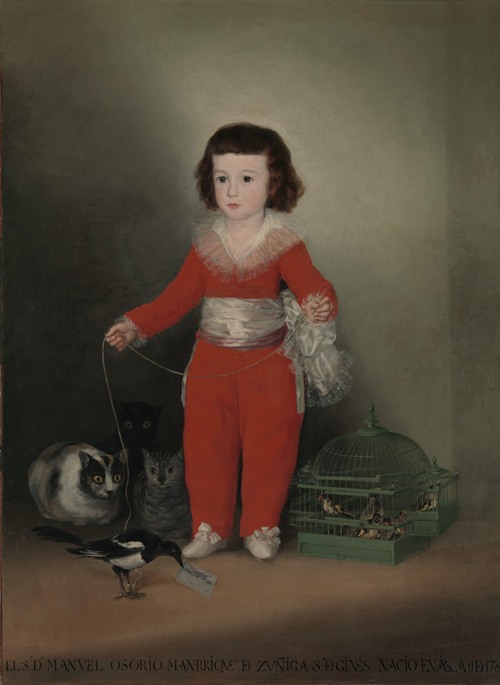
Manuel Osorio Manrique de Zuñiga (1784–1792)
Francisco de Goya
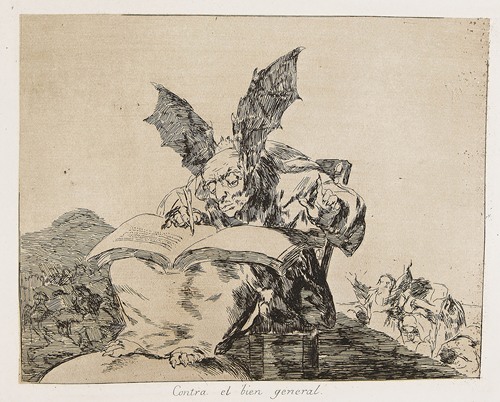
Los desastres de la guerra
Francisco de Goya
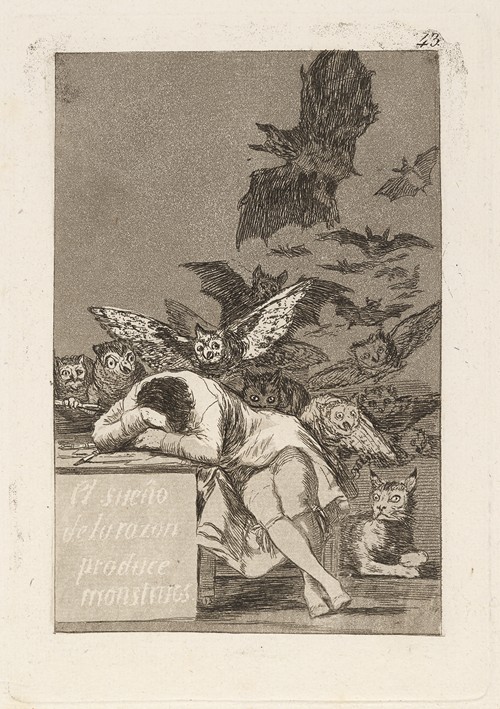
El sueño de la razon produce monstruos. (The sleep of reason produces monsters.)
Francisco de Goya
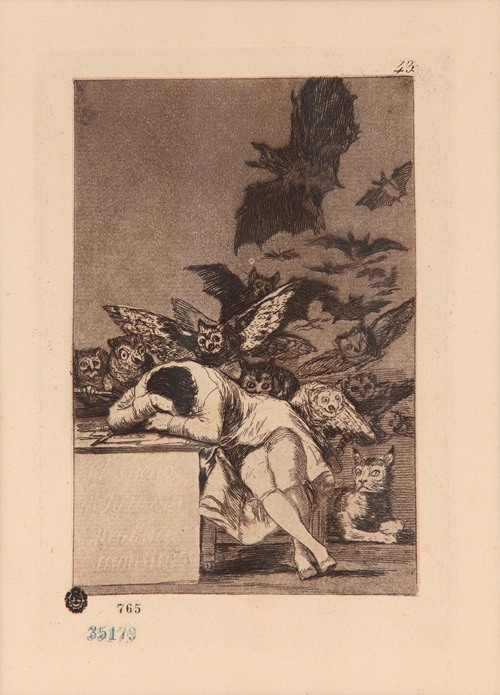
El sueño de la razon produce moustruos (Serie Caprichos)
Francisco de Goya
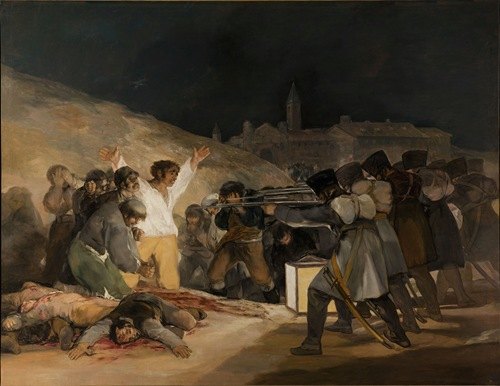
The Third of May
Francisco de Goya
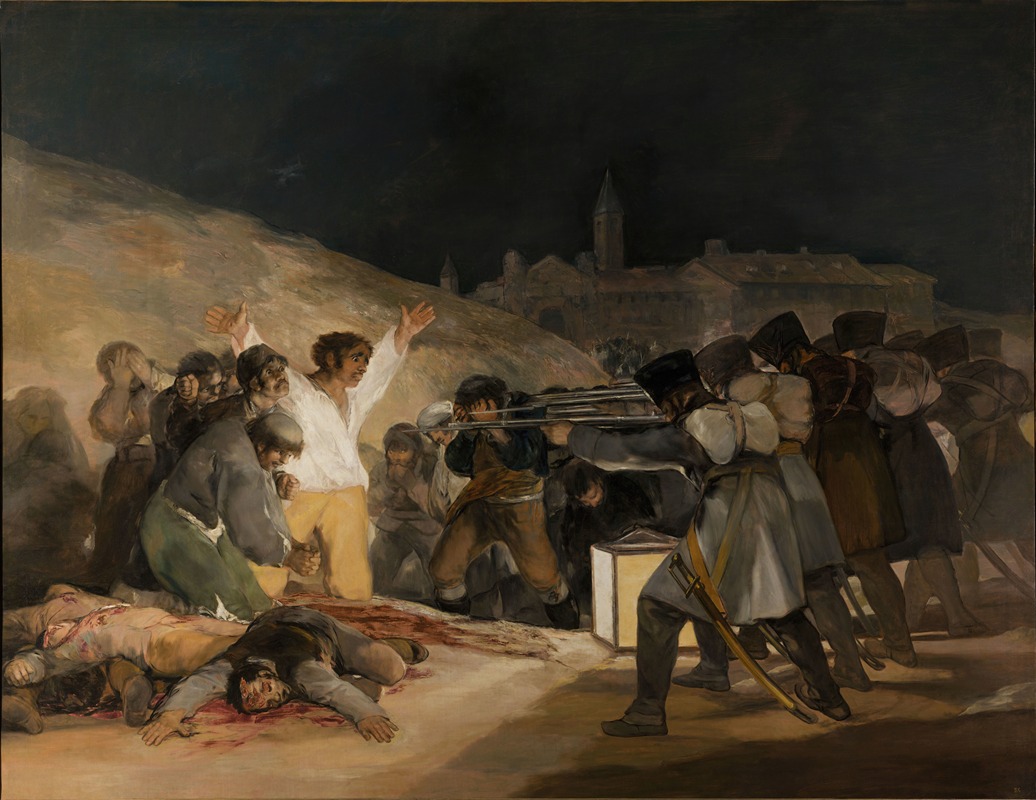
The Third of May 1808
Francisco de Goya
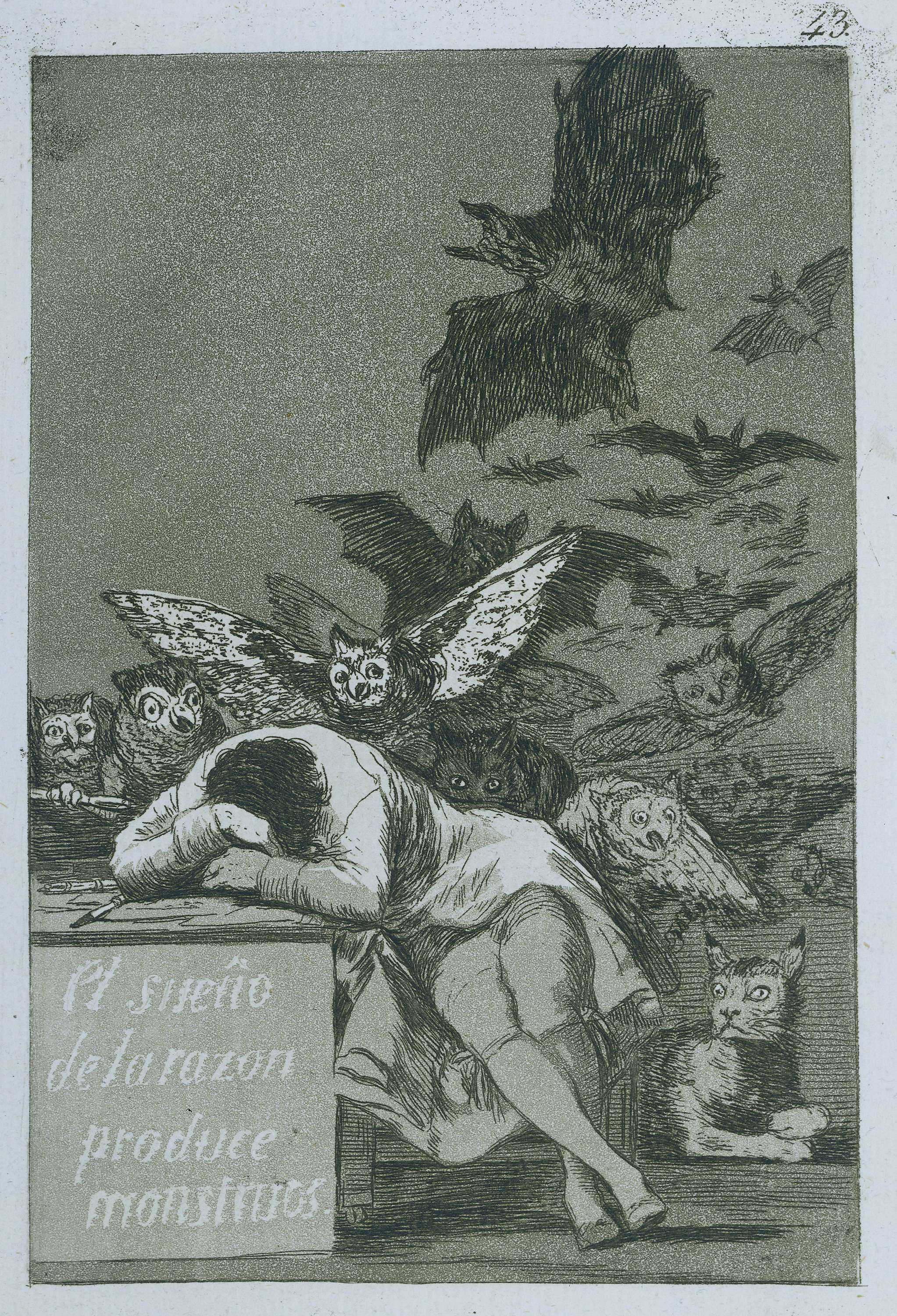
De slaap van de rede brengt monsters voort
Francisco de Goya
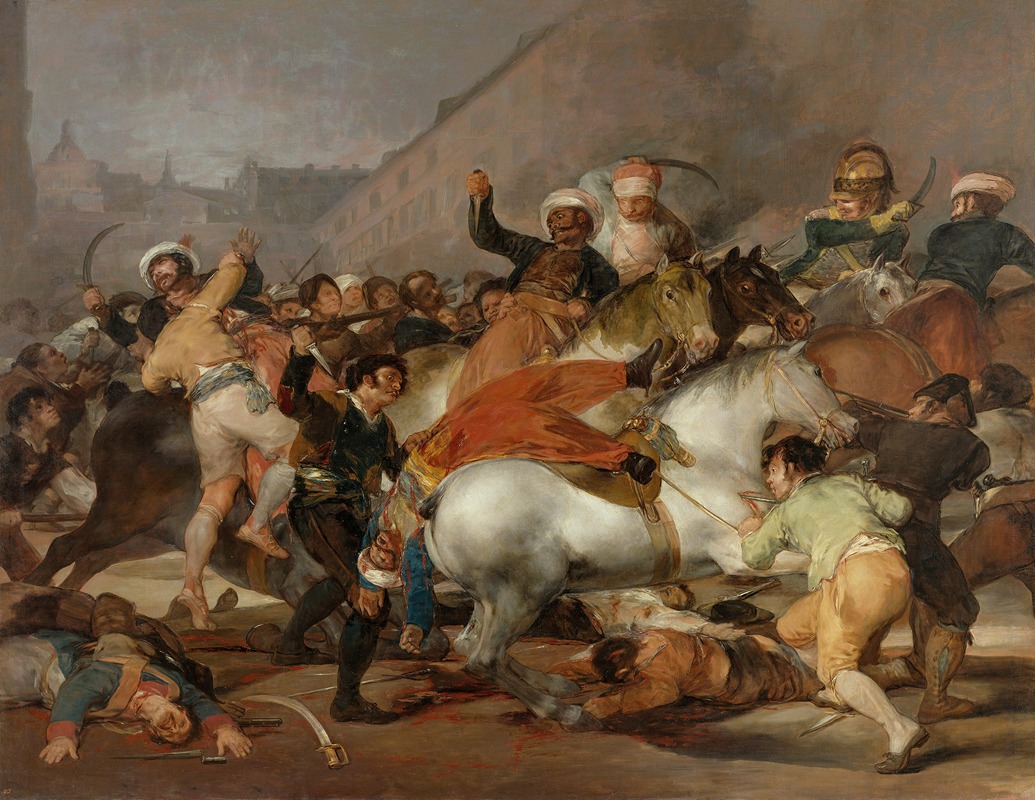
The Charge of the Mamelukes (1814)
Francisco de Goya