
Crucifixion of Saints Cosmas and Damian — History & Facts
Few paintings capture the harrowing fate of saints with such immediacy as Crucifixion of Saints Cosmas and Damian, created by Fra Angelico in 1439. This work is part of a remarkable cycle commissioned for the Convent of San Marco in Florence, where the artist, a Dominican friar, was tasked with illustrating the lives of the patron saints of the Medici family. The Medici’s devotion to Cosmas and Damian—twin brothers and physicians martyred for their faith—was so profound that their images became emblems of the family’s piety and power.
The cycle’s prestige is underscored by its survival: while many altarpieces of the period have been dispersed or lost, this series remains mostly intact. At the heart of the painting, Fra Angelico selects the moment when Cosmas and Damian, bound to crosses, face their executioners. Their serene expressions contrast with the violence around them: ropes bite into their wrists, and the executioners, clad in contemporary Florentine dress, raise hammers and nails. The golden background flattens space, focusing attention on the drama and the saints’ otherworldly calm.
The twins’ identical features and red robes emphasize their unity in both life and martyrdom, while the presence of angels above, bearing crowns, signals their imminent reward in heaven. Unlike Piero della Francesca’s more stoic martyrdom scenes, Fra Angelico infuses the narrative with a quiet dignity, inviting the viewer to contemplate the meaning of faith under persecution. The painting’s journey is closely tied to the Medici and the Dominican order. Commissioned for the newly renovated San Marco, it was intended not only as a devotional image but also as a statement of Medici patronage.
Over the centuries, the panel remained in Florence, surviving religious upheaval and the Napoleonic suppressions that scattered so many monastic treasures. Today, it hangs in the Museo di San Marco, a testament to Fra Angelico’s unique blend of spiritual intensity and narrative clarity. This work marks a high point in his career, reflecting both his technical innovation and his deep religious conviction.
More Artworks by Fra Angelico

Condemnation of St Lawrence by the Emperor Valerian
Fra Angelico
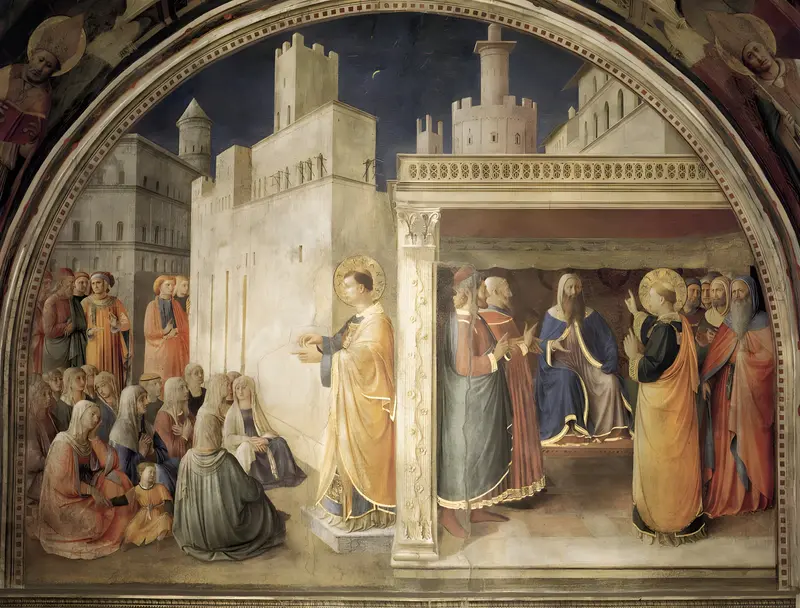
Lunette of the north wall
Fra Angelico
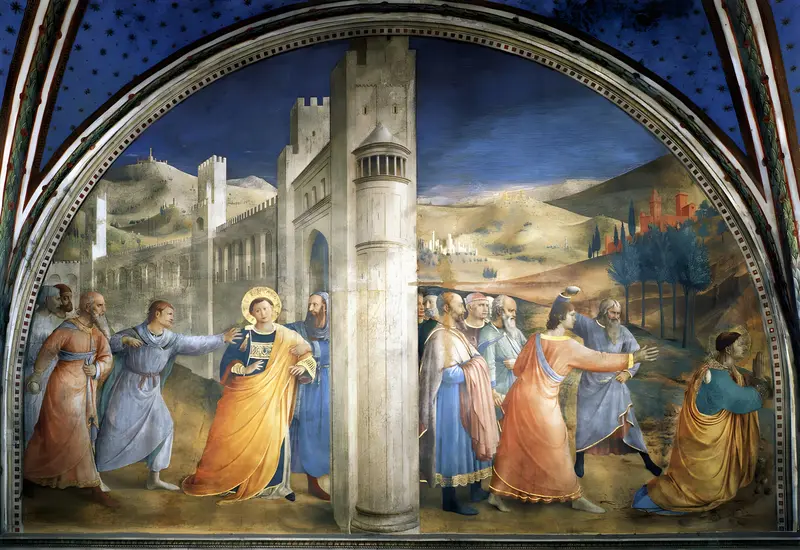
Lunette of the east wall in Niccoline Chapel
Fra Angelico
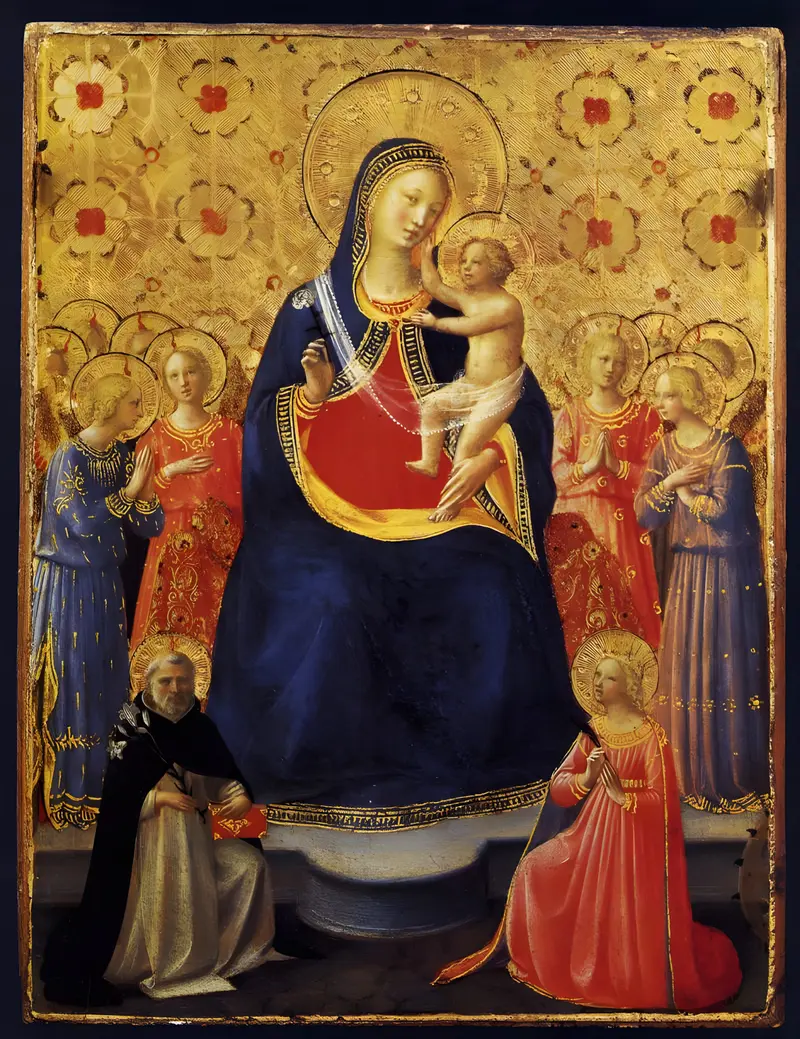
Madonna and Child Enthroned with Nine Angels and Saints Dominic and Catherine of Alexandria
Fra Angelico
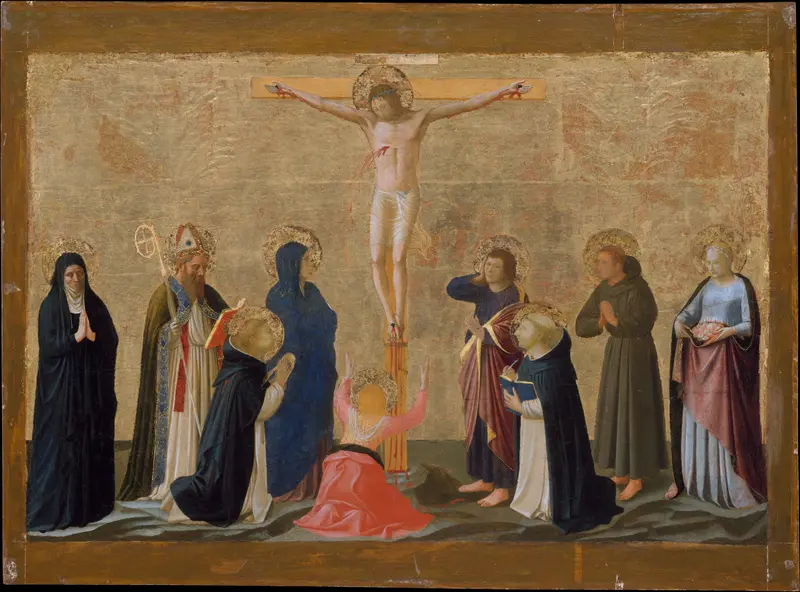
The Crucifixion
Fra Angelico
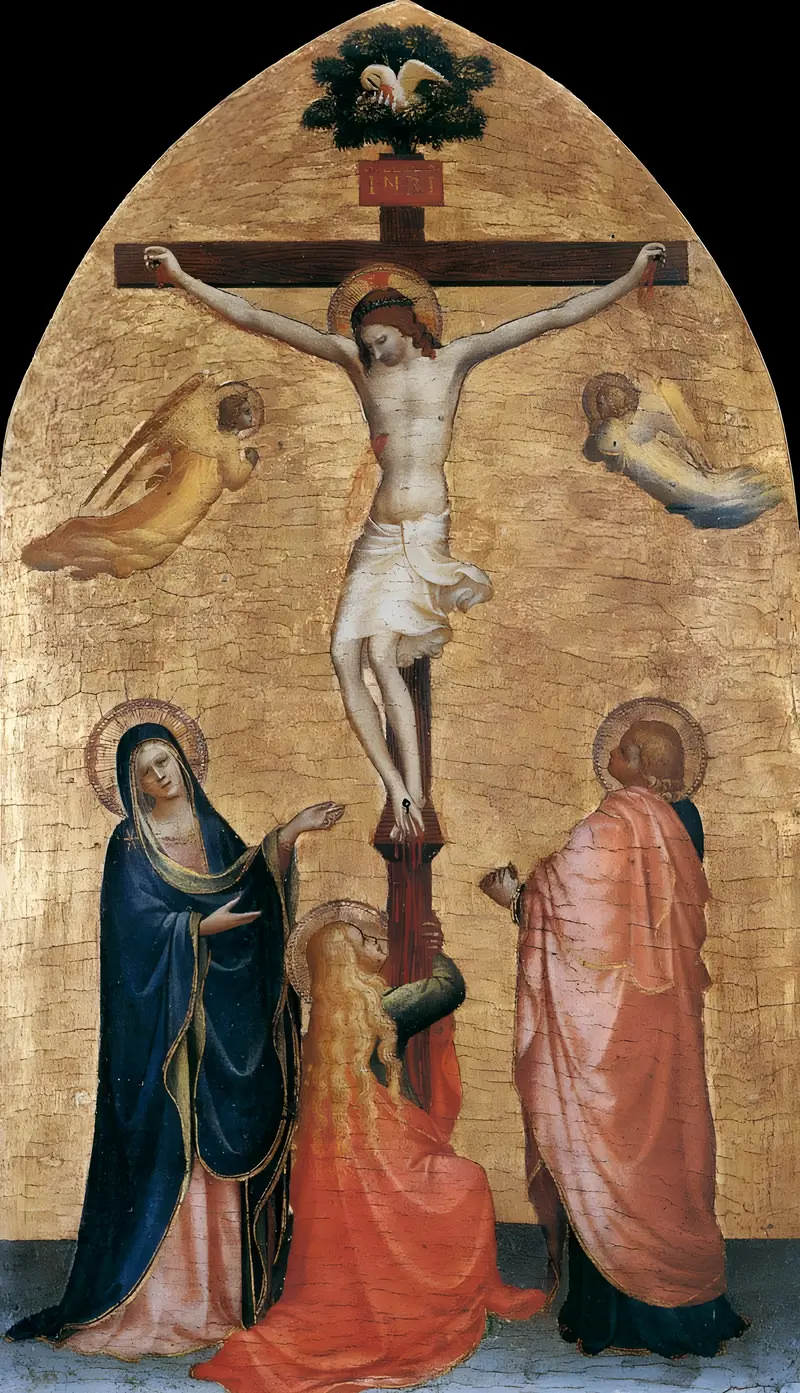
Crucifixion with the Virgin, John the Evangelist, and Mary Magdelene
Fra Angelico
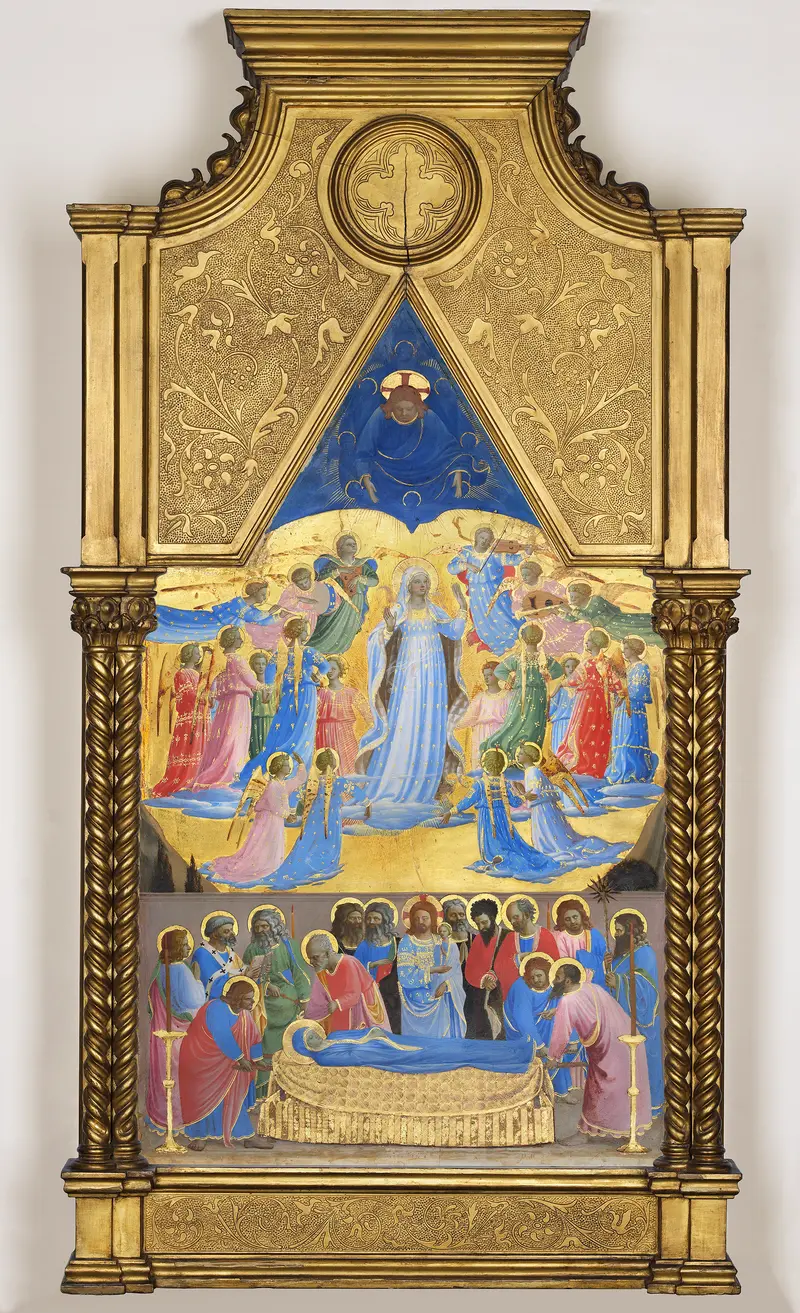
Dormition and Assumption of the Virgin
Fra Angelico
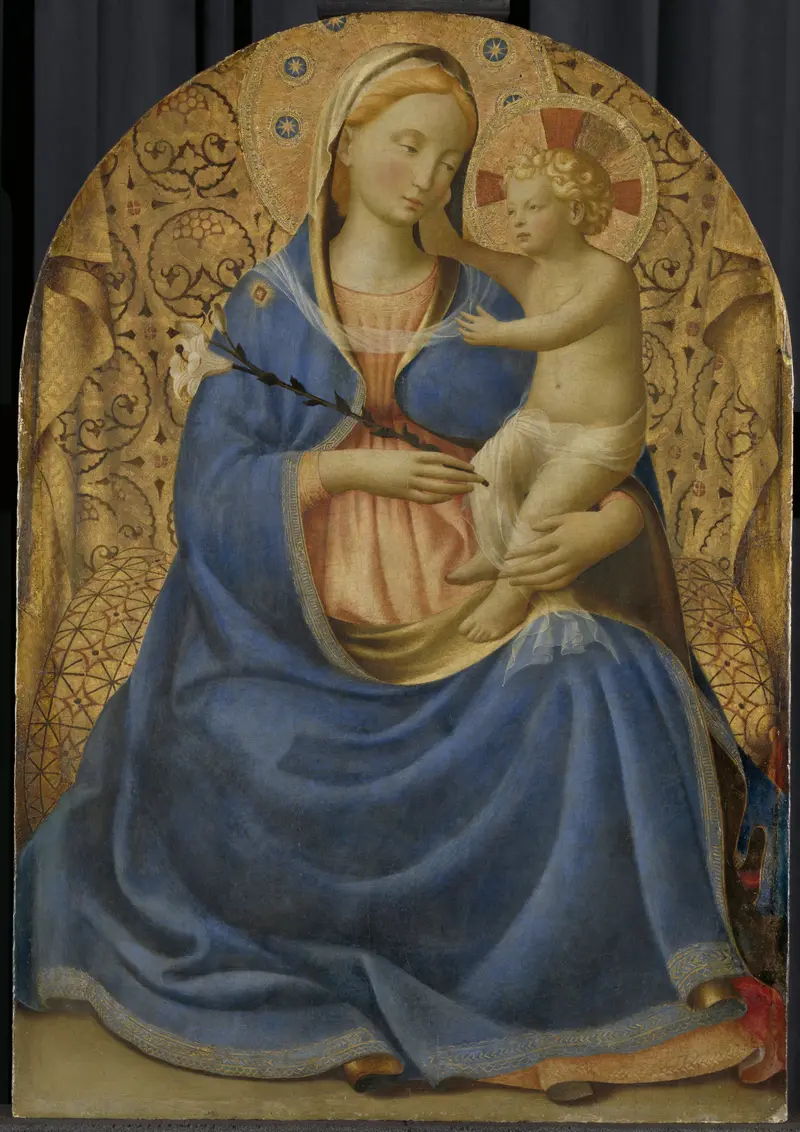
Madonna of Humility
Fra Angelico
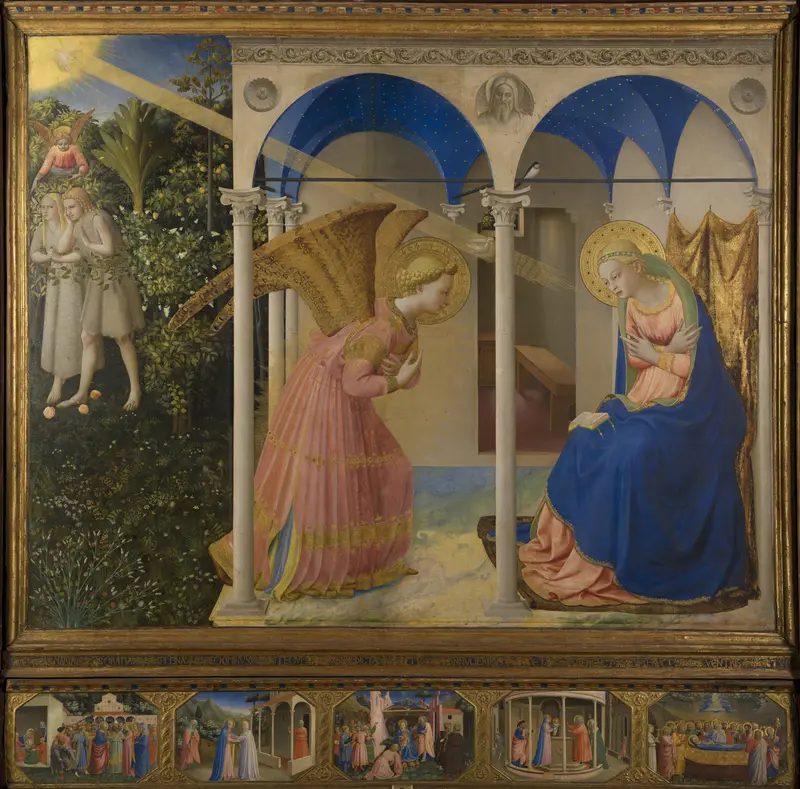
The Annunciation
Fra Angelico

Saint Anthony Abbot
Fra Angelico





