
Cundy’s Harbor — History & Facts
When did color learn to lie? The vibrant hues of Cundy’s Harbor beckon us to question the very essence of perception and reality. Focus on the striking contrasts between the deep blues of the water and the warm, inviting tones of the harbor's cottages. Notice how the brushstrokes dance across the canvas, creating a rhythm that echoes the gentle lapping of waves. The light, dappled and shimmering, invites you to explore the subtle nuances of shadow that cling to the boats resting at the dock, hinting at stories untold. In the foreground, the interplay of color reveals a deeper narrative—the juxtaposition between tranquility and the passage of time.
The boats, moored yet restless, symbolize lives anchored in the comfort of familiarity, while the distant hills fade into a hazy horizon, suggesting the inexorable march of time. It’s a moment captured not just in space, but in the emotional currents that flow between the stillness of the harbor and the ever-changing sky above. Ernest Haskell painted Cundy’s Harbor in 1924 while living in Maine, a period marked by a burgeoning interest in the American scene through the lens of modernism. Art was shifting, pushing boundaries, as Haskell navigated both traditional influences and the allure of contemporary expression.
It was an era ripe with exploration, both in the art world and in the broader cultural landscape, as artists sought to define their identities amidst rapid change.
More Artworks by Ernest Haskell
Browse all →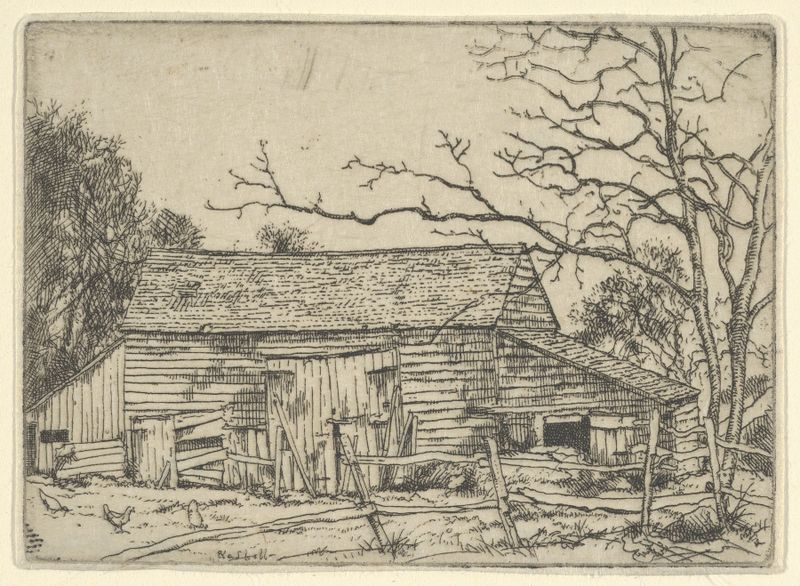
The Barn–Staten Island, N.Y.
Ernest Haskell

Four Live Oaks
Ernest Haskell
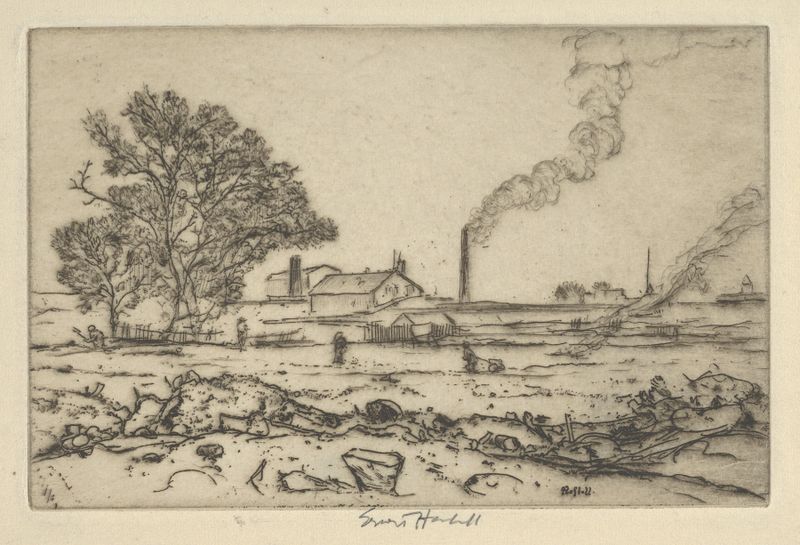
Outskirts of Boston
Ernest Haskell
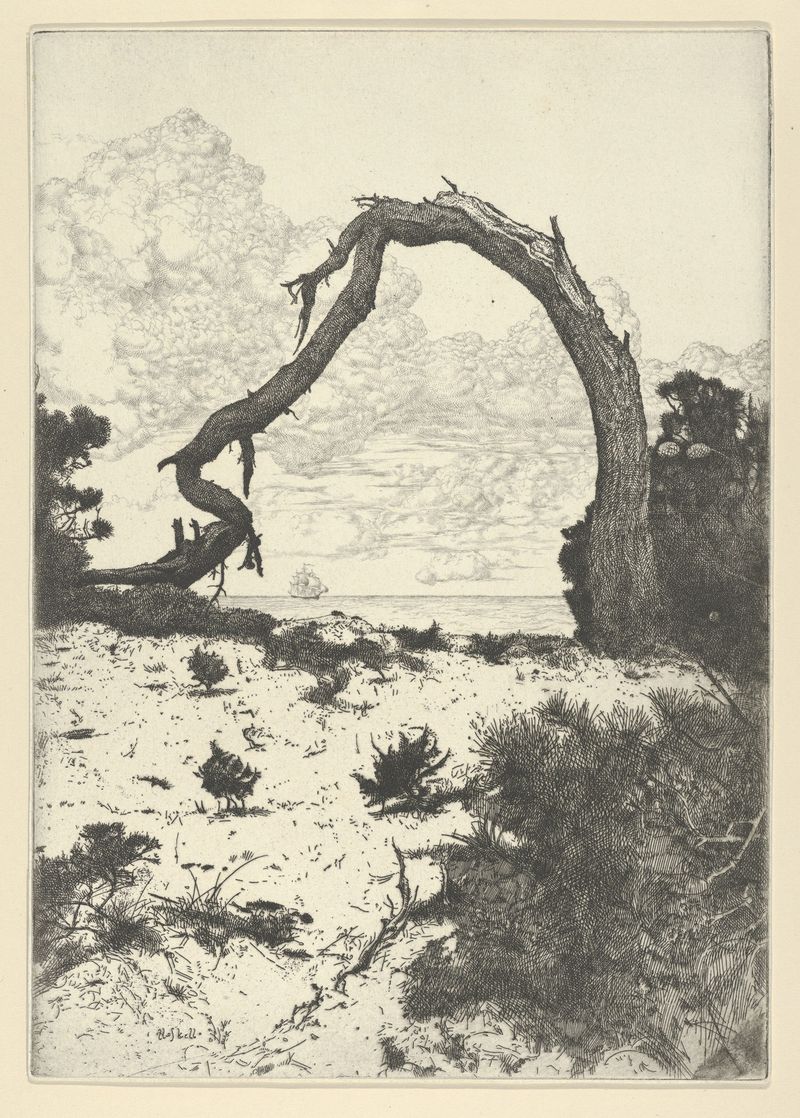
Pine Arch
Ernest Haskell

General Sherman
Ernest Haskell
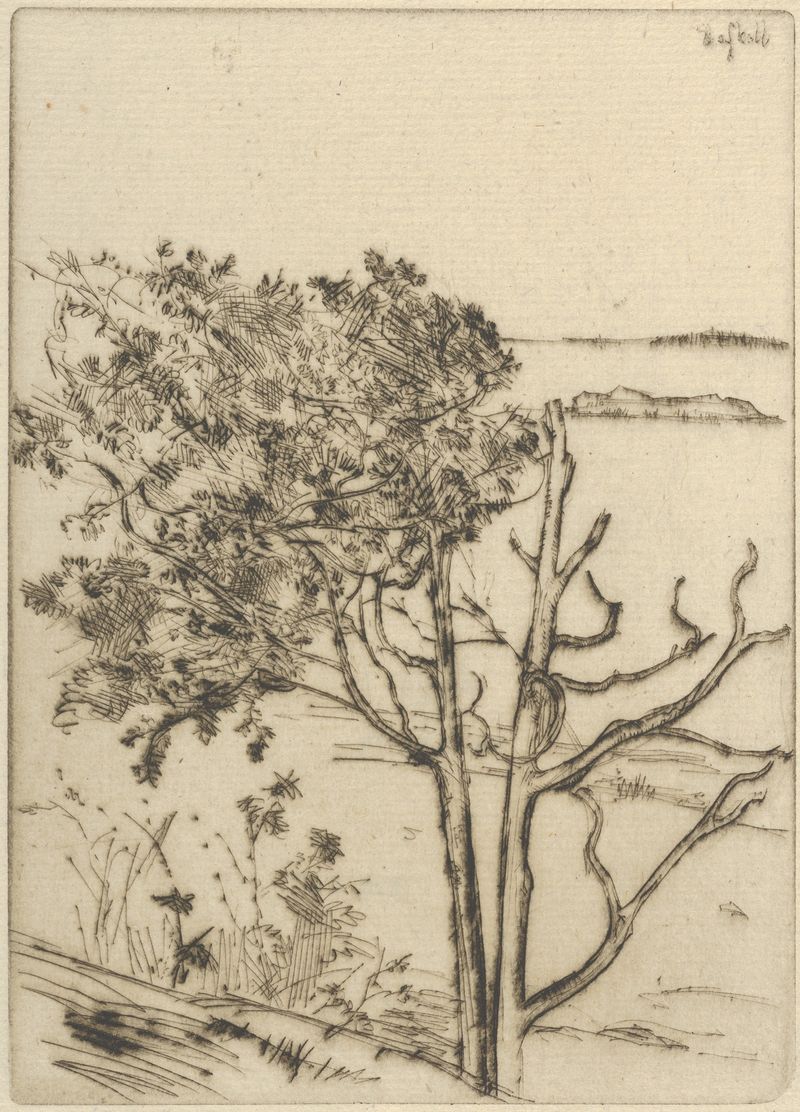
Ragged Tree – Maine
Ernest Haskell

Tide Mill
Ernest Haskell

Ship Building
Ernest Haskell
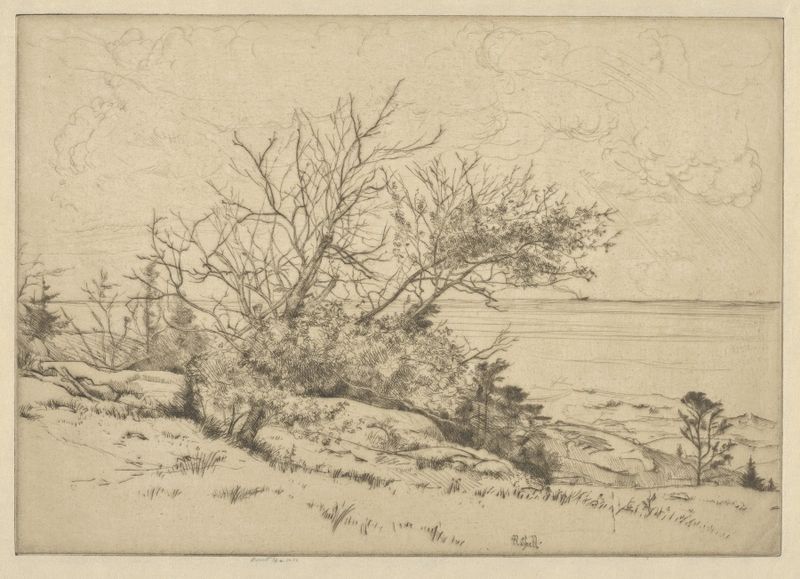
To the Southward – Ragged Island, Me.
Ernest Haskell
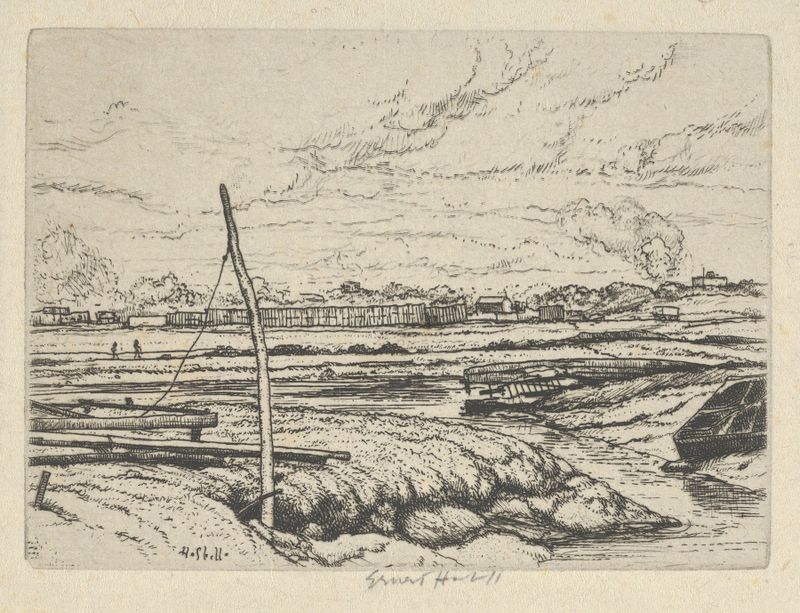
Long Island Marshes
Ernest Haskell





