Cupola — History & Facts
When Cupola first appeared in exhibitions of the early 20th century, critics were struck by its dazzling sense of motion—a hallmark of the Futurist movement, to which Jules Schmalzigaug belonged for a brief but intense period. Unlike many of his contemporaries, Schmalzigaug was one of the few Belgian artists to fully embrace the radical ideas emerging from Italy, and his works became rare testaments to the international reach of Futurism. The exact date and circumstances of Cupola's creation remain uncertain, adding to its aura; it stands as a vivid relic from a period when artists sought to capture the pulse of modern life. The scene in Cupola is not a narrative in the traditional sense, but a visual explosion inspired by the architectural grandeur of domed ceilings—likely those Schmalzigaug encountered during his years in Venice and Turin.
Swirling arcs and fractured planes sweep the viewer’s gaze upward, echoing the sensation of standing beneath an immense dome. The color palette, dominated by luminous golds and cool blues, breaks the structure into rhythmic fragments, suggesting both the solidity of stone and the fleeting play of light. This approach recalls the dynamism of Umberto Boccioni’s Simultaneous Visions, yet Schmalzigaug’s treatment is more lyrical, less aggressive, inviting contemplation rather than confrontation. Little is known about the early history of Cupola, and its provenance remains incomplete—a common fate for works by Jules Schmalzigaug, whose career was tragically cut short by his death in 1917.
Surviving records suggest that many of his paintings were dispersed after his death, sometimes misattributed or lost in private collections. Today, Cupola is recognized as a significant example of Belgian Futurism, and its presence in museum collections has helped revive interest in Schmalzigaug’s brief but remarkable contribution to modern art. The painting’s journey from obscurity to renewed appreciation mirrors the wider rediscovery of artists who worked on the margins of the great artistic revolutions of their time.
More Artworks by Jules Schmalzigaug

A View of Scheveningen
Jules Schmalzigaug
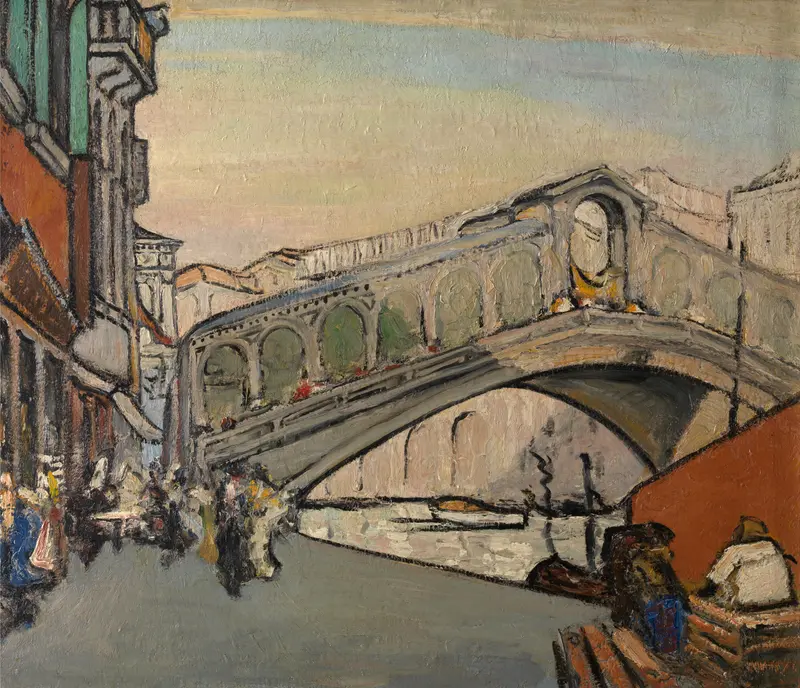
The Rialto Bridge in Venice
Jules Schmalzigaug

Abstract Bouquet
Jules Schmalzigaug
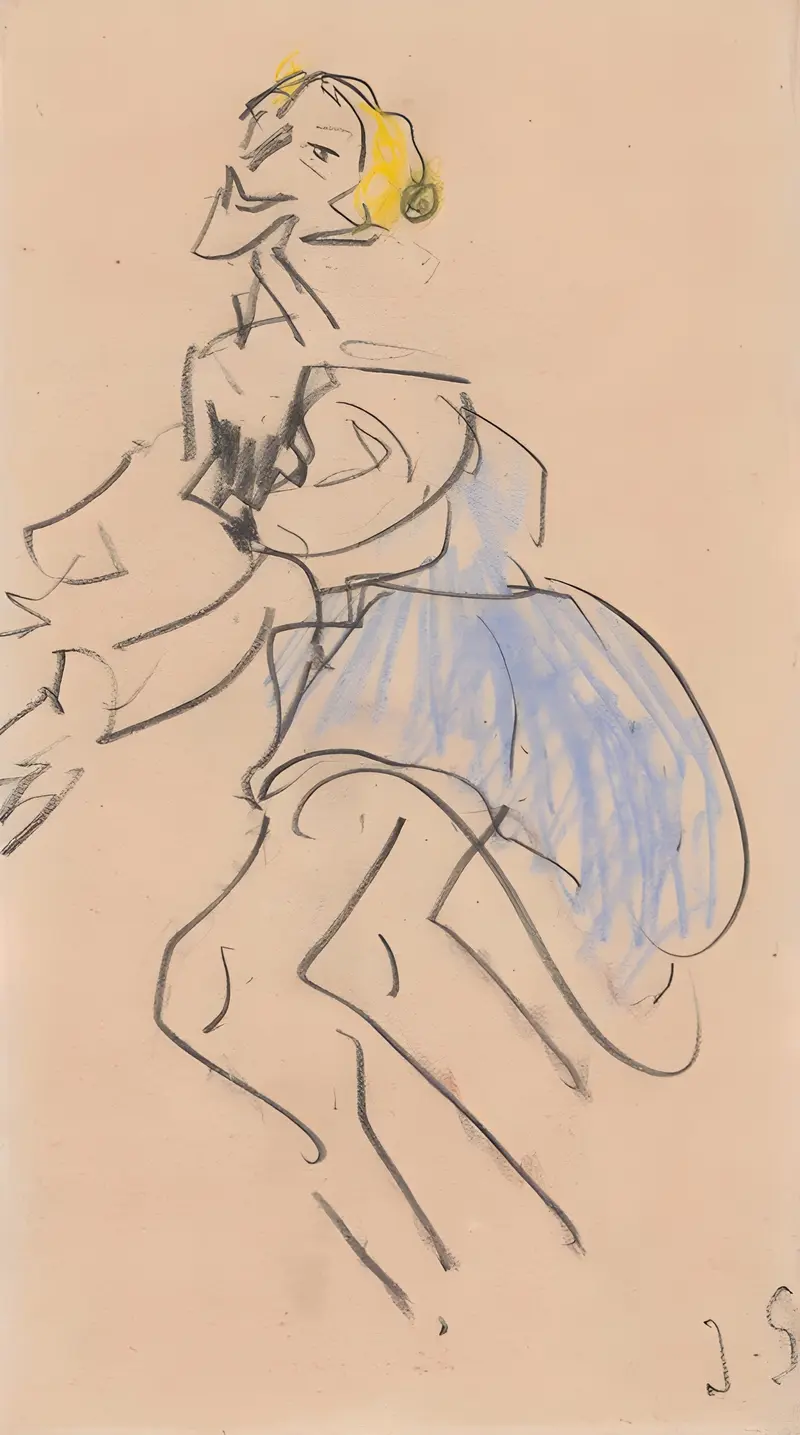
Dancer
Jules Schmalzigaug
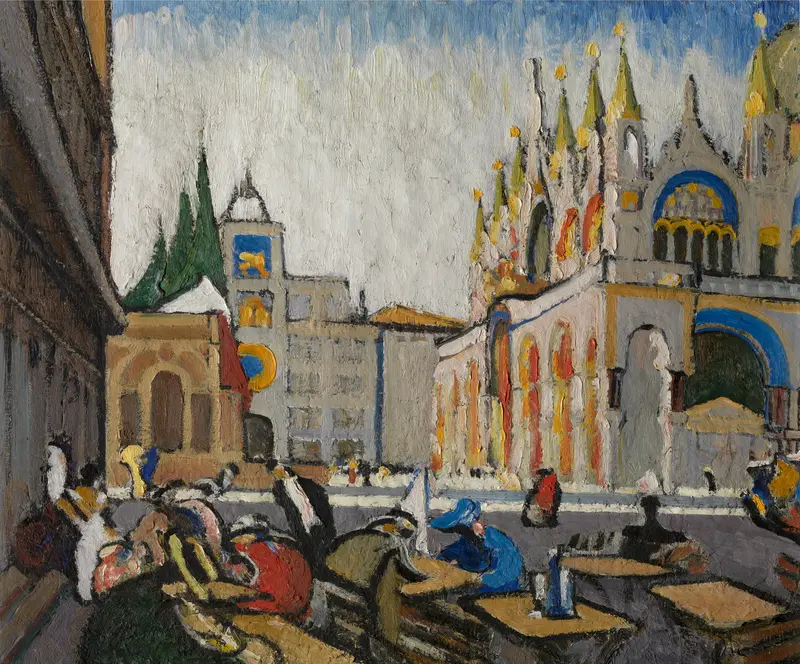
San Marco from the Piazetta
Jules Schmalzigaug
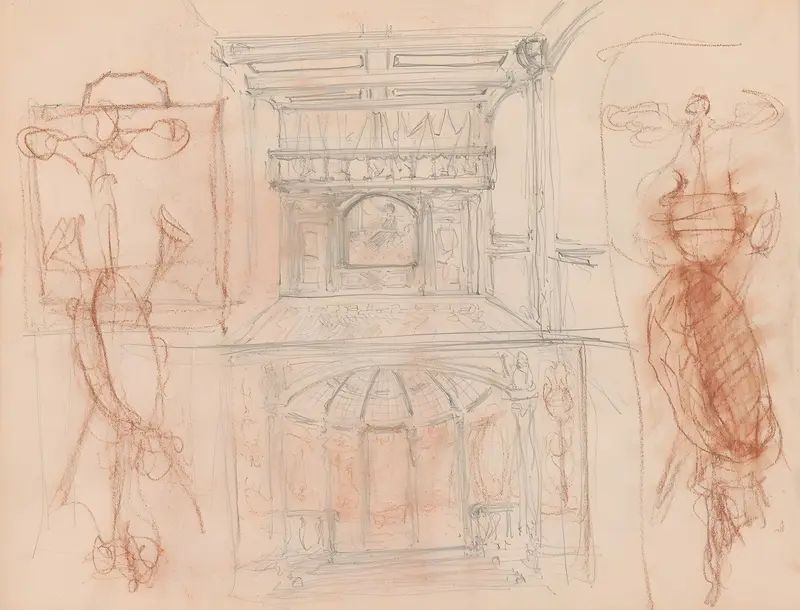
Architectural Elements
Jules Schmalzigaug
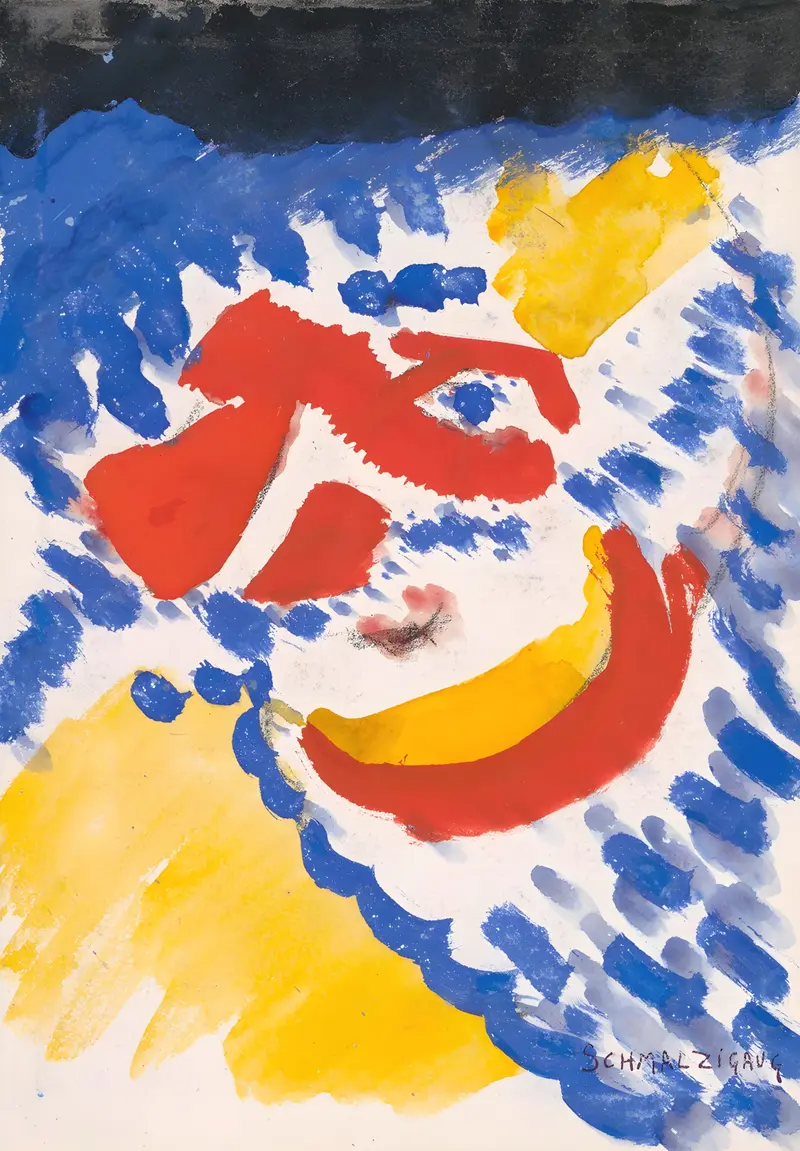
Blue, Red and Yellow Figures
Jules Schmalzigaug
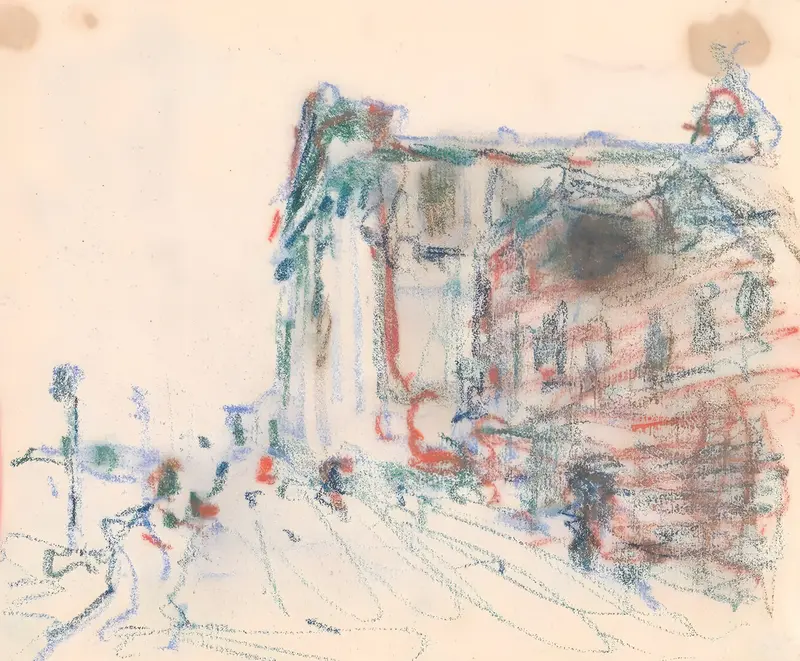
Chiesa dei Gesuati in Venice
Jules Schmalzigaug
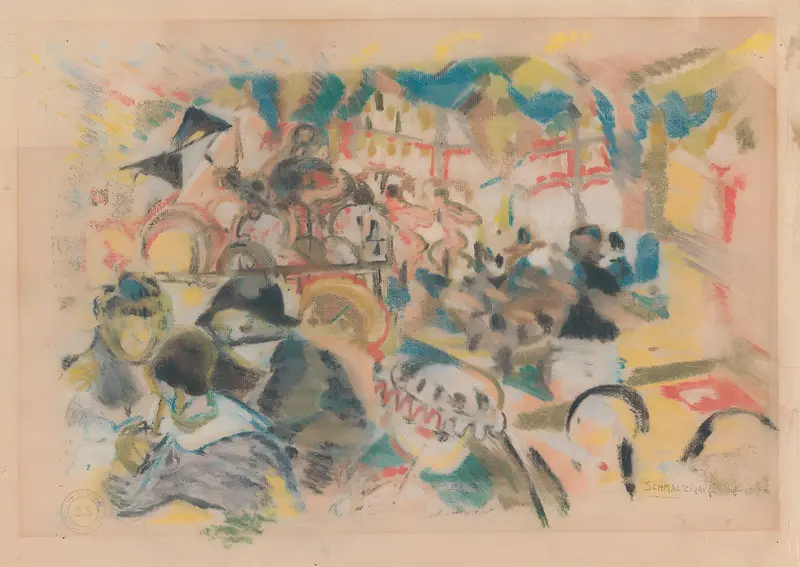
Café-chantant
Jules Schmalzigaug
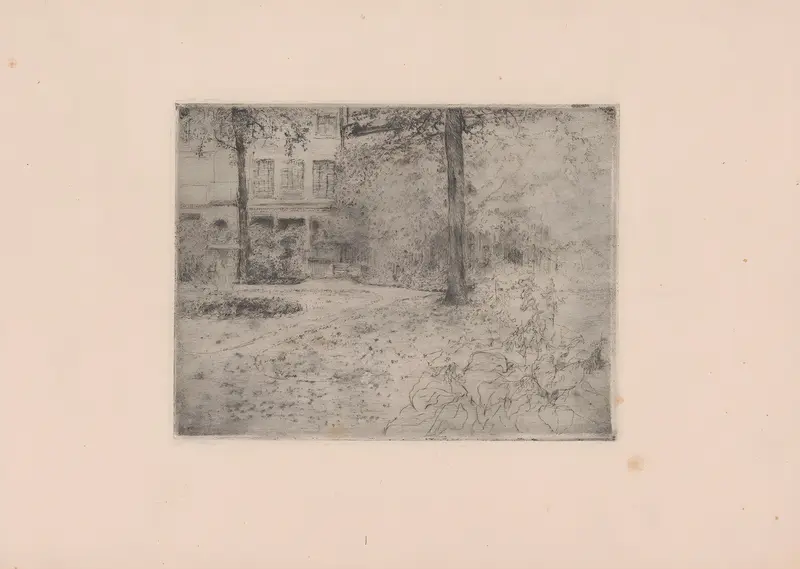
Backyard
Jules Schmalzigaug