
Curaçao. Caraccas Baai — History & Facts
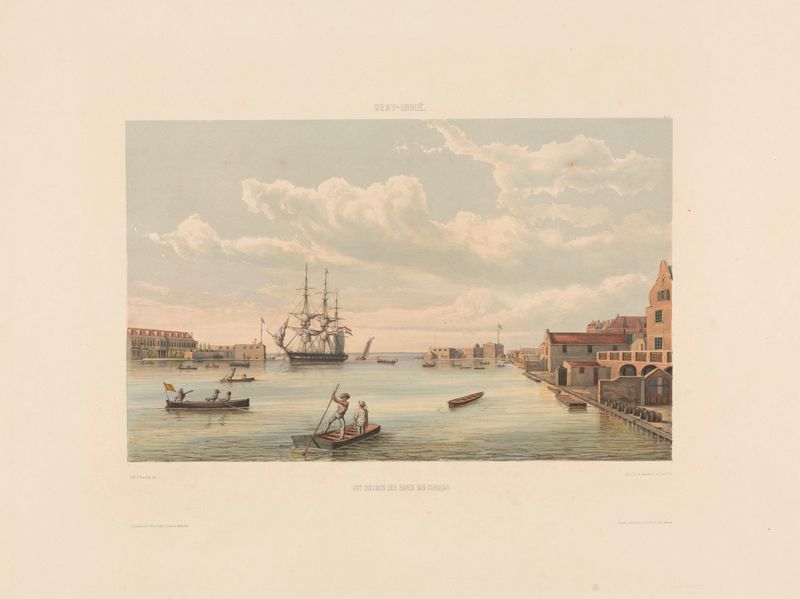
In a world teetering on the brink of revolution, the stillness of a landscape can speak volumes, revealing the soul of a place caught between beauty and turmoil. Look to the horizon where a tranquil bay meets a soft, azure sky, painted with delicate brushstrokes that blend seamlessly. Notice how the gentle waves ripple against the shore, their soft greens and blues contrasting sharply with the rich, earthy tones of the land. The viewer is drawn to the vibrant vegetation framing the scene, each leaf and flower rendered with meticulous attention, yet there’s an undercurrent of tension in the stillness that invites deeper contemplation. The juxtaposition of peace and potential upheaval resonates throughout.
The idyllic setting, brimming with life, stands in stark contrast to the historical backdrop of unrest during the 19th century in the Caribbean. Each element—the unyielding cliff, the inviting water, and the distant mountains—holds a narrative of resilience against colonial encroachments and the struggle for identity. These details coalesce to suggest an underlying longing for freedom, as if the land itself is whispering its secrets. Gerard Voorduin painted this landscape between 1860 and 1862 while residing in the Caribbean, where he sought to capture the essence of the islands through his art.
This period was marked by significant political tensions across the region as colonies fought for autonomy and self-definition. The artist's work, though rooted in nature, reflects the palpable sense of change that was sweeping through society, making this piece a profound testament to both beauty and unrest.
More Artworks by Gerard Voorduin
Browse all →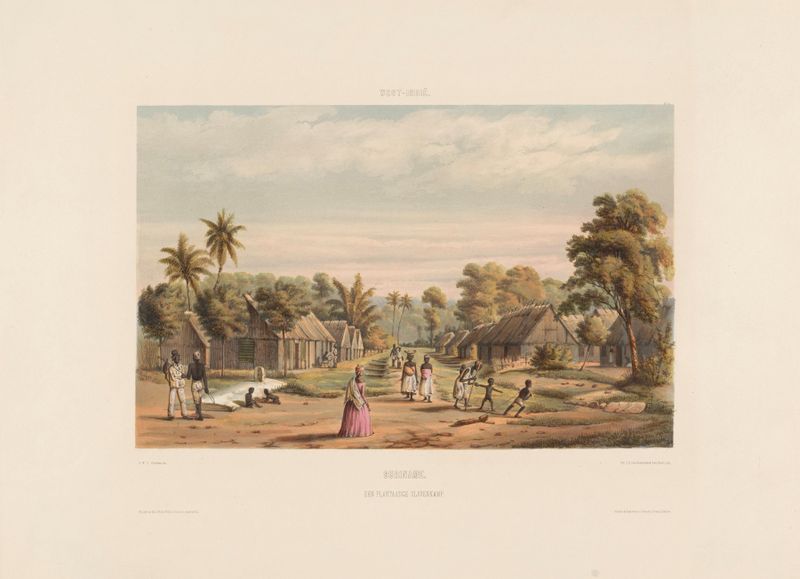
Suriname. Een plantaadge slavenkamp
Gerard Voorduin
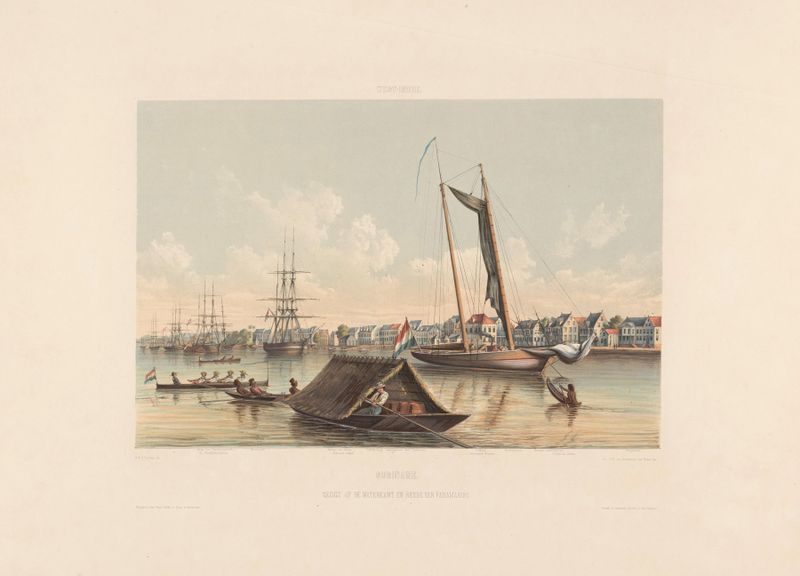
Suriname. Gezigt op de Waterkant en reede van Paramaribo
Gerard Voorduin
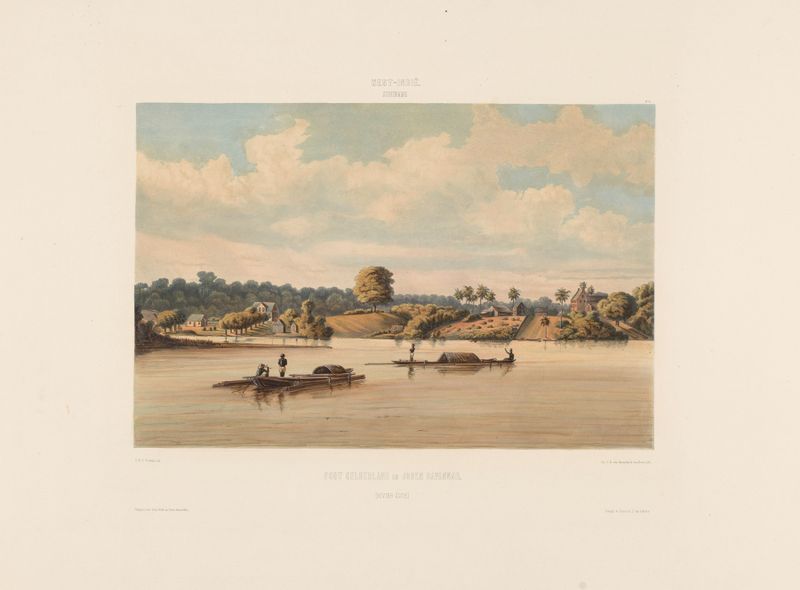
Post Gelderland en Joden Savannah (rivier zijde)
Gerard Voorduin
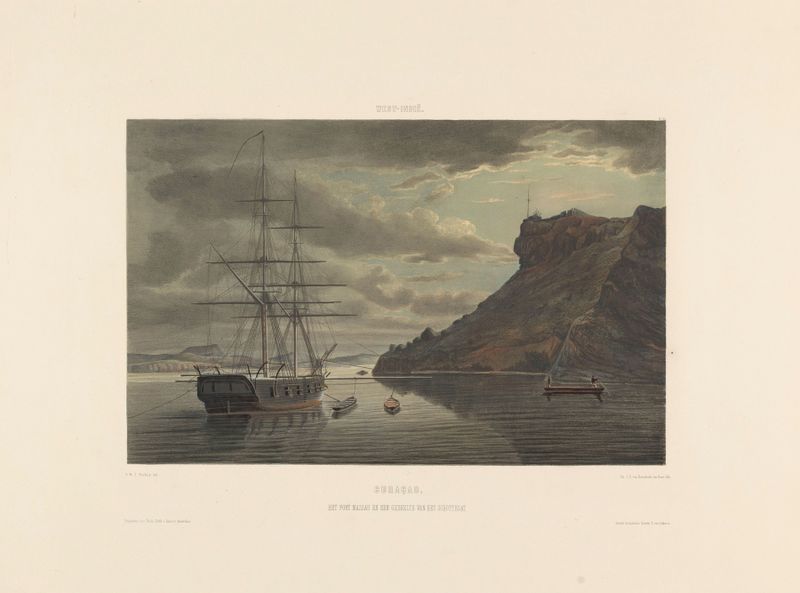
Curaçao. Het Fort Nassau en een gedeelte van het Schottegat
Gerard Voorduin
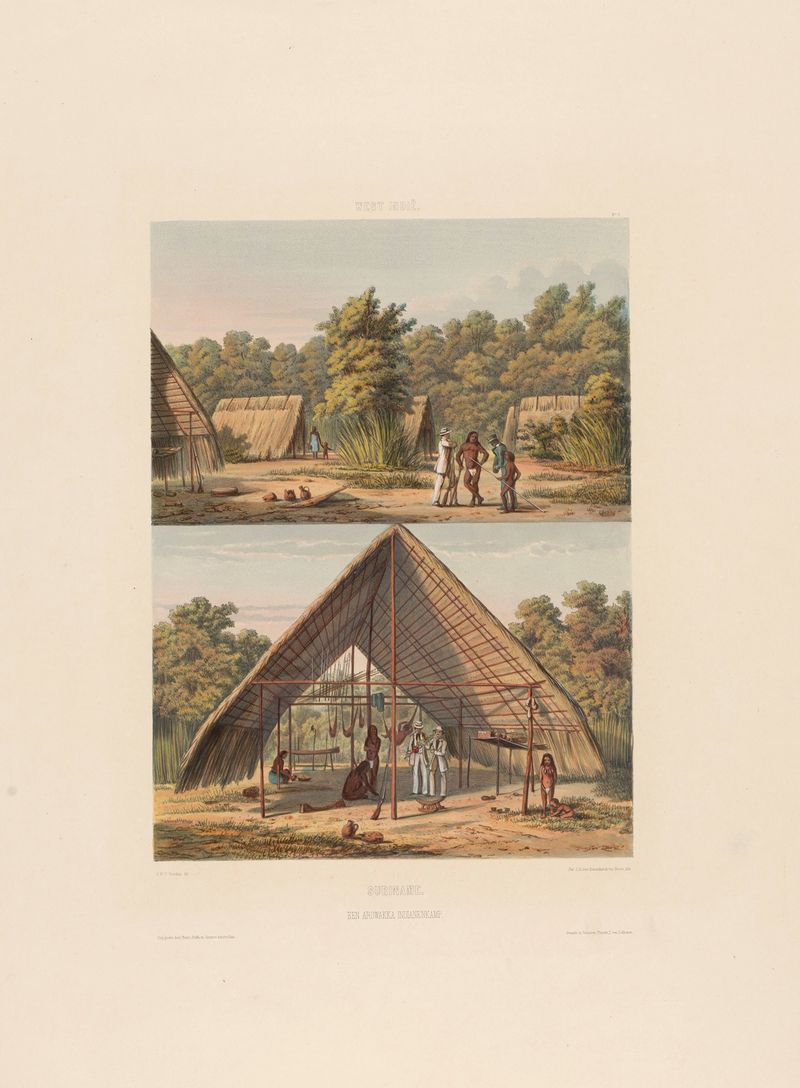
Suriname. Een Arowakka indianenkamp
Gerard Voorduin
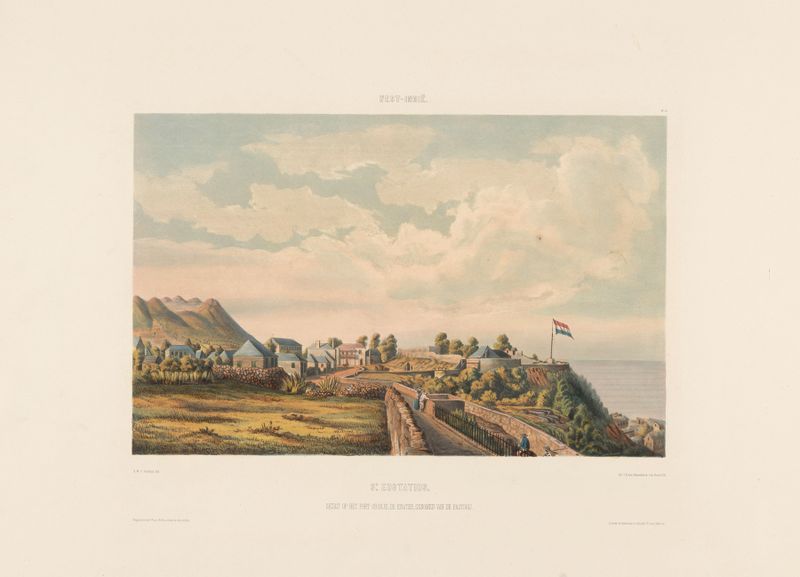
St. Eustatius. Gezigt op het Fort Oranje, de krater, genomen van de pastorij
Gerard Voorduin

Suriname. Gezigt op het Fort Zelandia te Paramaribo
Gerard Voorduin
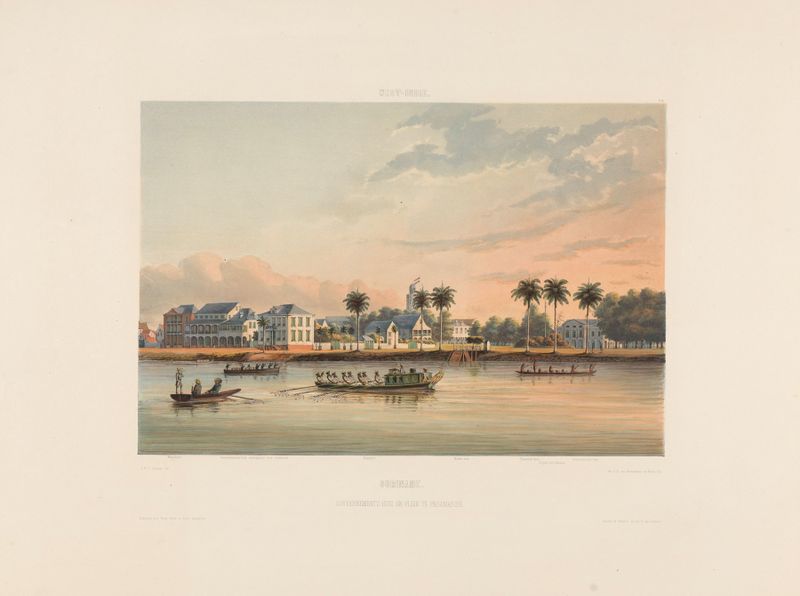
Suriname. Gouvernements-huis en plein te Paramaribo
Gerard Voorduin
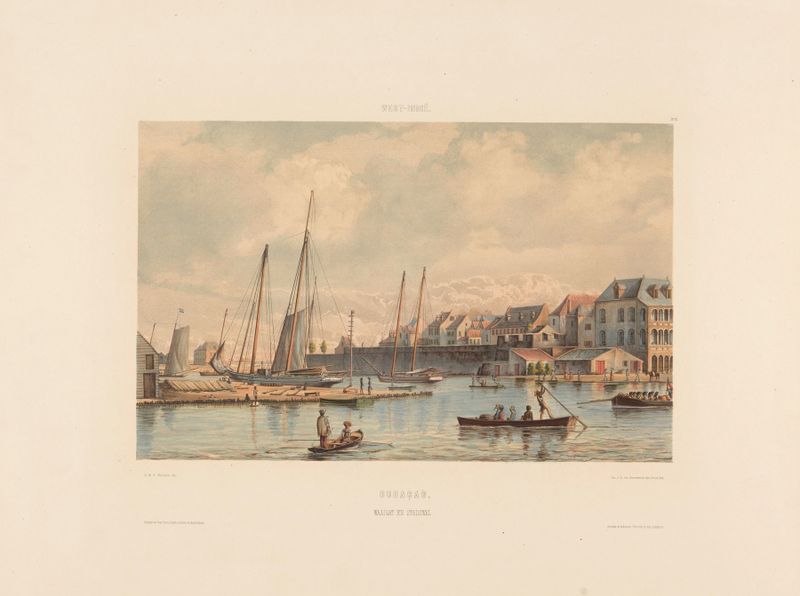
Curaçao. Waaigat en stadswal
Gerard Voorduin
Het inkomen der haven van Curaçao
Gerard Voorduin





