
Czarny Staw (The Black Tarn) in the Tatra Mts — History & Facts
Where does light end, and longing begin? In Czarny Staw (The Black Tarn) in the Tatra Mts, the interplay of shadow and illumination seems to invite this very question, urging us to explore the depths of our own desires against the backdrop of nature's grandeur. Look to the center of the painting, where the dark, mysterious waters of the tarn mirror the rugged peaks above. The luminous strokes of white and blue depict the sky, creating a stark contrast against the deep, moody colors of the mountain’s reflections. Notice how the artist employs a palette of somber greens and browns, enhancing the ethereal quality of the scene while evoking a haunting stillness.
Each brushstroke conveys a sense of movement within the calm, suggesting that beneath the surface, the landscape is alive with untold stories of yearning and contemplation. Hidden within the shadows, subtle nuances emerge: the delicate line where the water meets the land hints at the fragility of balance between tranquility and turmoil. The jagged mountains loom like protectors and threats, embodying both the beauty and harshness of nature, evoking a deep-seated longing in the viewer. This emotional tension, coupled with the serene yet somber atmosphere, invites us to ponder our place within the vastness of the natural world. In 1909, Władysław Ślewiński painted this piece while exploring the Tatra Mountains, a time when he was deeply influenced by the Symbolist movement and the Romantic ideals of nature.
The world was shifting, and as he navigated both personal and artistic transformations, he sought to encapsulate the raw beauty and emotional depth of his surroundings, reflecting the human experience in harmony with the landscape.
More Artworks by Władysław Ślewiński
Browse all →
Rough sea
Władysław Ślewiński
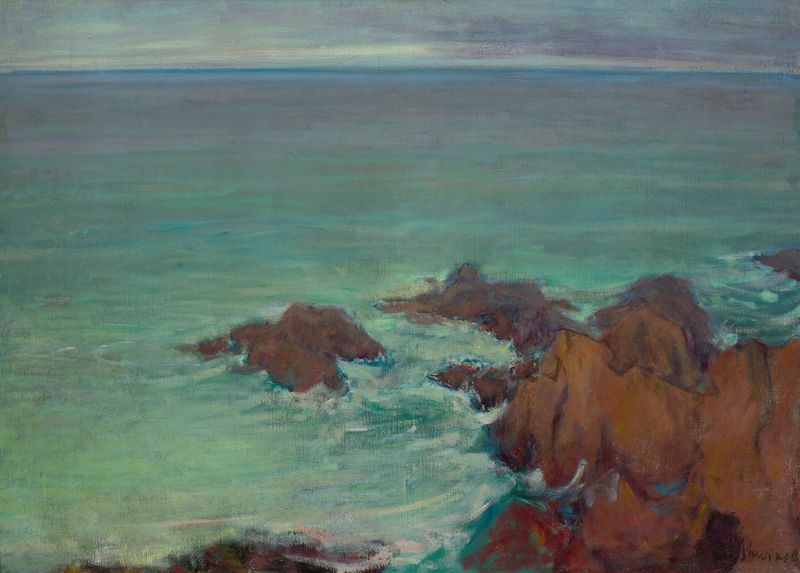
Sea in Brittany
Władysław Ślewiński
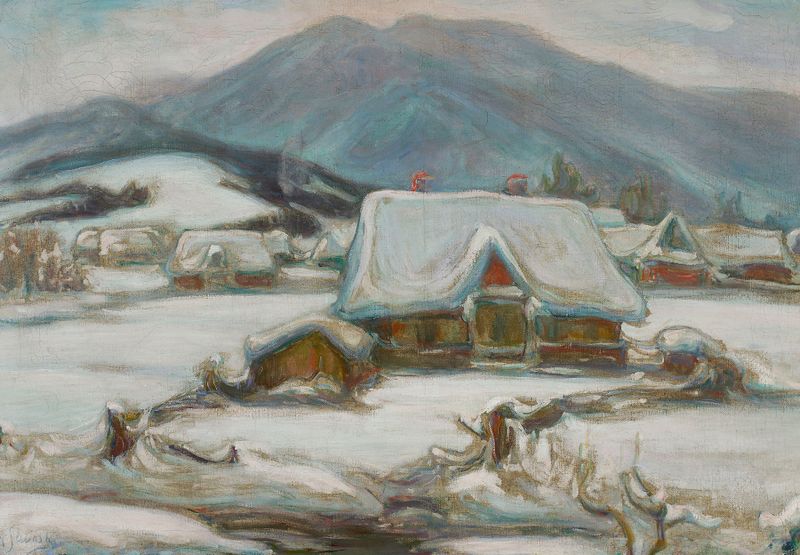
Cottages in the snow
Władysław Ślewiński

Sea
Władysław Ślewiński

Waves in a rocky bay
Władysław Ślewiński

Sea with white waves
Władysław Ślewiński
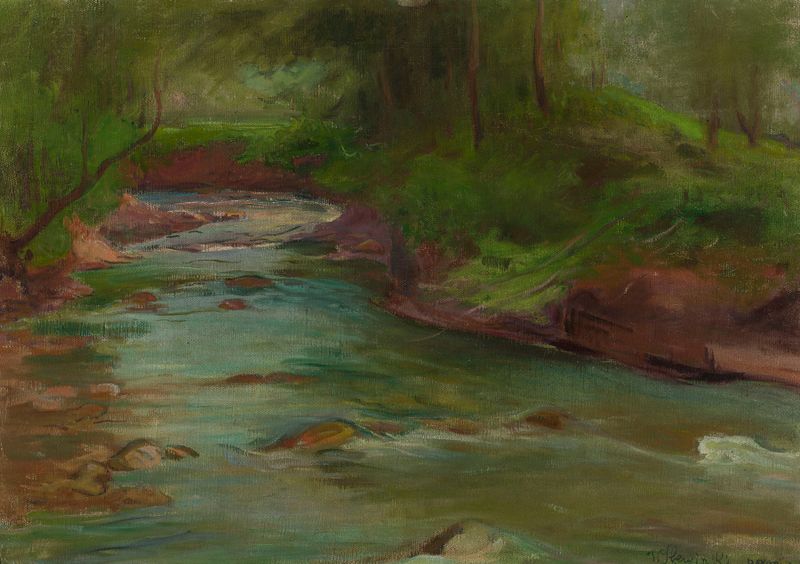
Mountain stream – in the Tatra Mountains below Mt Nosal
Władysław Ślewiński
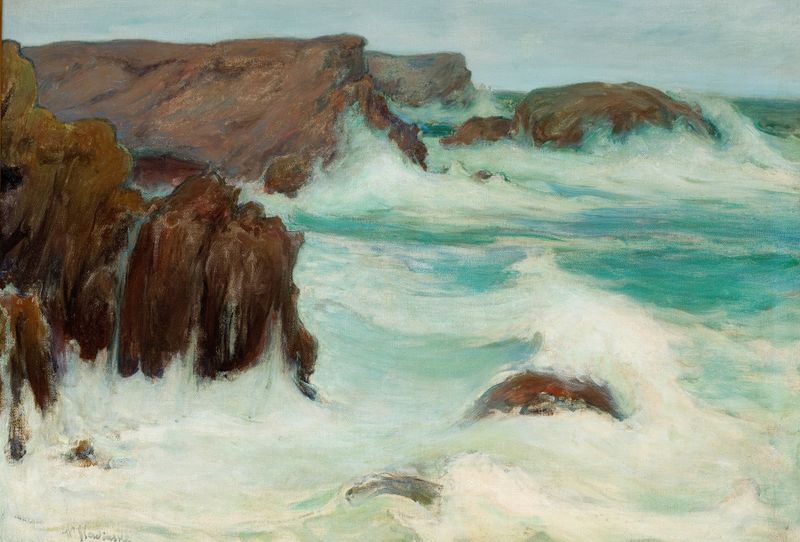
The Sea in Brittany
Władysław Ślewiński

A Coastal Landscape
Władysław Ślewiński

Sea at night
Władysław Ślewiński





