
Dame op een bankje in het park — History & Facts
When did color learn to lie? In Dame op een bankje in het park, longing and stillness intertwine, revealing the complexities of human emotion trapped in a moment of serene repose. Focus on the elegant figure seated on the bench, her posture reflecting a delicate, almost wistful grace. Notice how the soft hues of greens and browns frame her silhouette, the gentle dappling of light filtering through the trees overhead. The lush foliage creates a natural tapestry, where the rich textures of the leaves contrast with the woman’s delicate dress, enveloping her in an atmosphere of intimacy.
The artist employs a masterful use of light to emphasize the subtle play of shadow upon her features, imparting a sense of both solitude and connection to the surrounding world. A deeper layer reveals itself in the juxtaposition of the woman’s stillness against the vibrant life of the park. The wild blooms at her feet whisper of vitality, while her contemplative gaze seems to reflect a yearning for something just beyond her reach. This poignant contrast subtly hints at the bittersweet nature of existence — how we often find ourselves longing for what lies outside the frame of our immediate reality, even in moments of beauty. In 1870, Jacob Maris painted this work in the Netherlands during a period of significant artistic exploration.
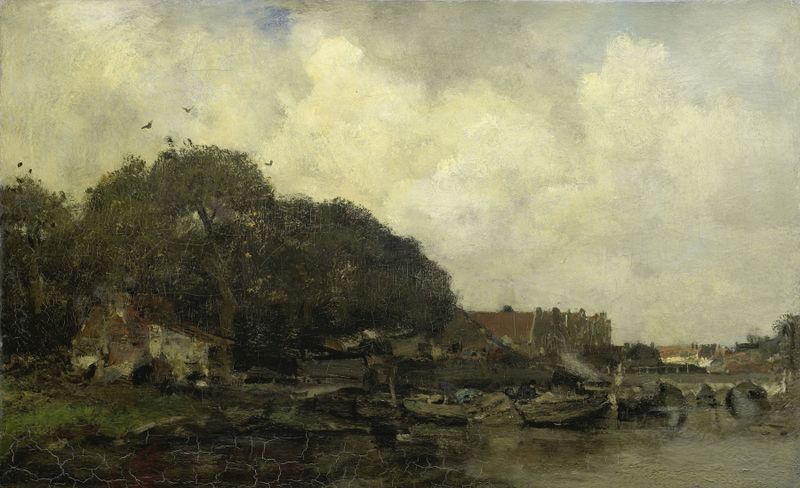
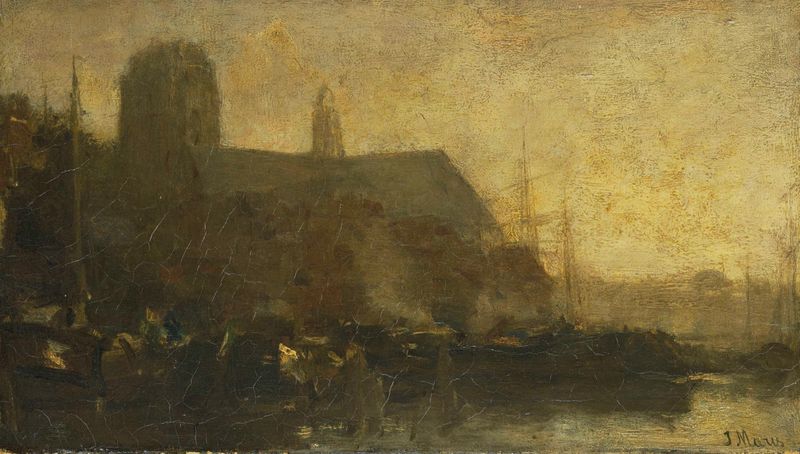
He was deeply influenced by the Hague School, a movement that emphasized the beauty of natural light and landscapes. This painting reflects not only his mastery of color and form but also a personal introspection that mirrored the societal shifts of his time, as the boundaries of art expanded with each brushstroke.
More Artworks by Jacob Maris
Browse all →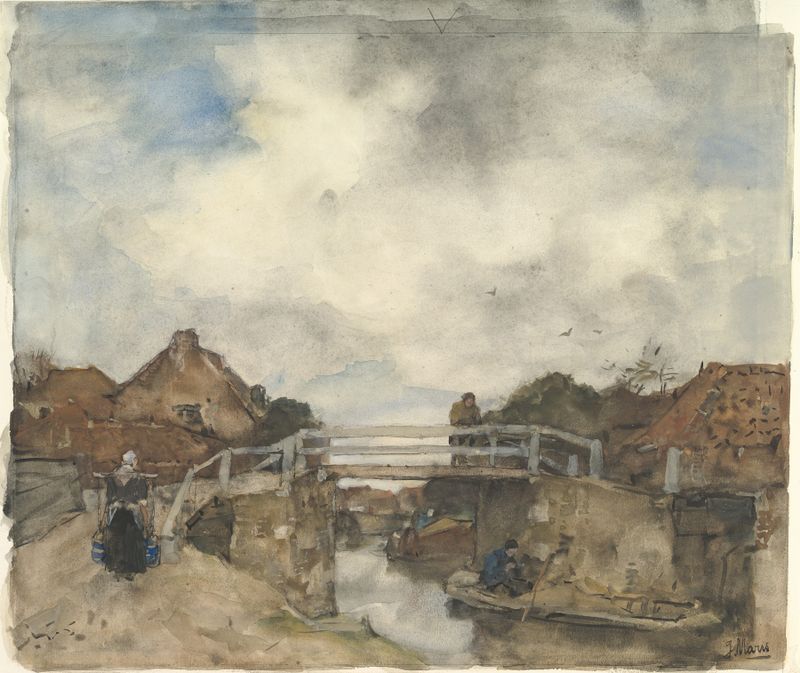
Dutch Canal, Rijswijk
Jacob Maris
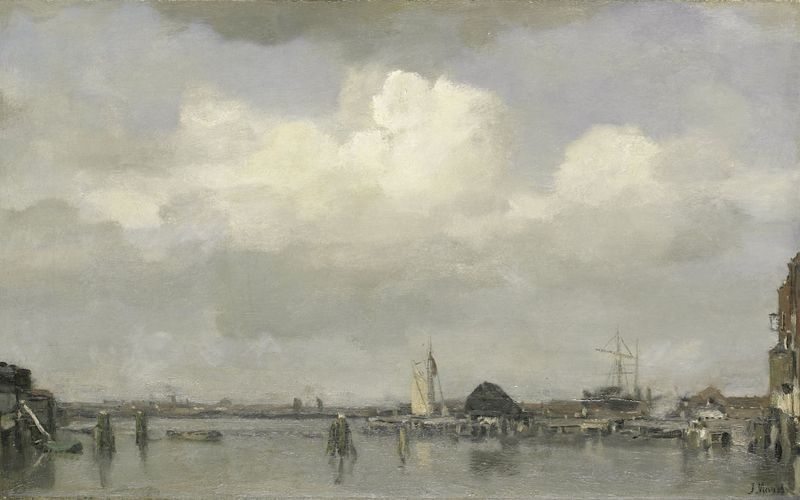
Havengezicht
Jacob Maris
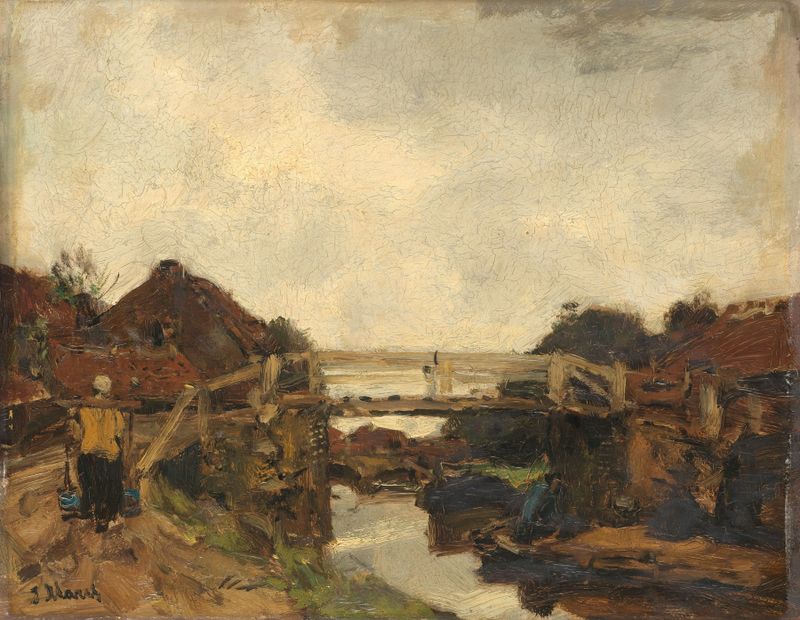
Wooden Bridge across a Canal at Rijswijk
Jacob Maris
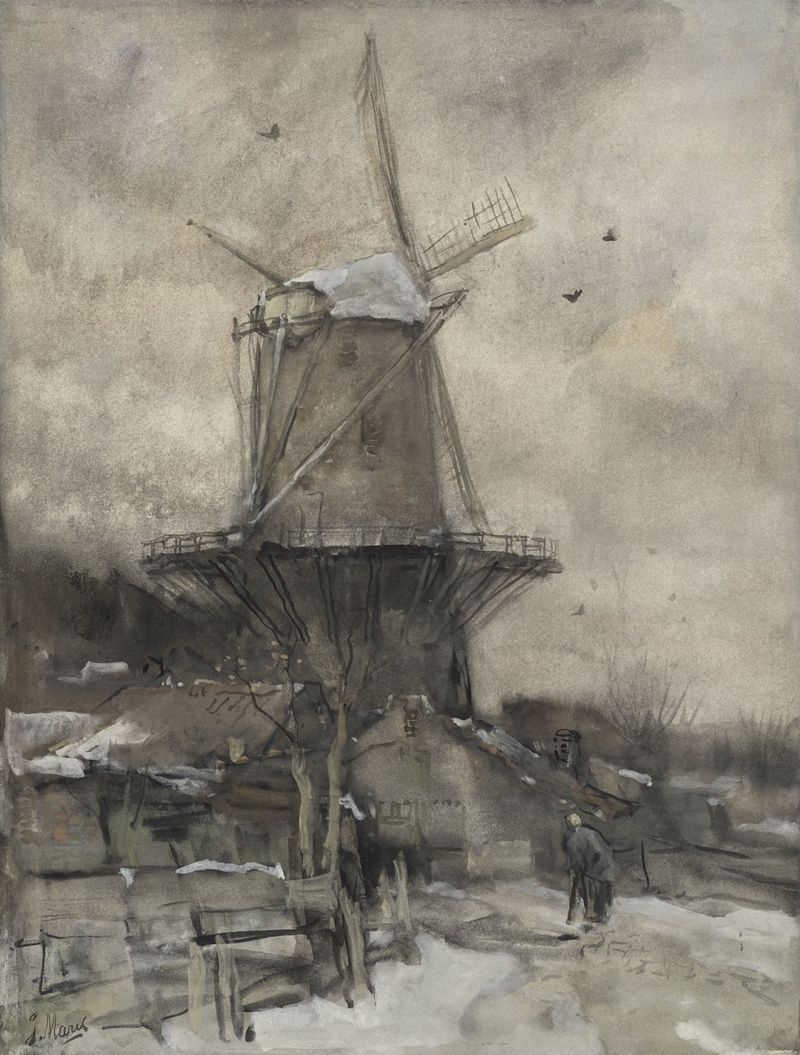
Een molen in de winter
Jacob Maris
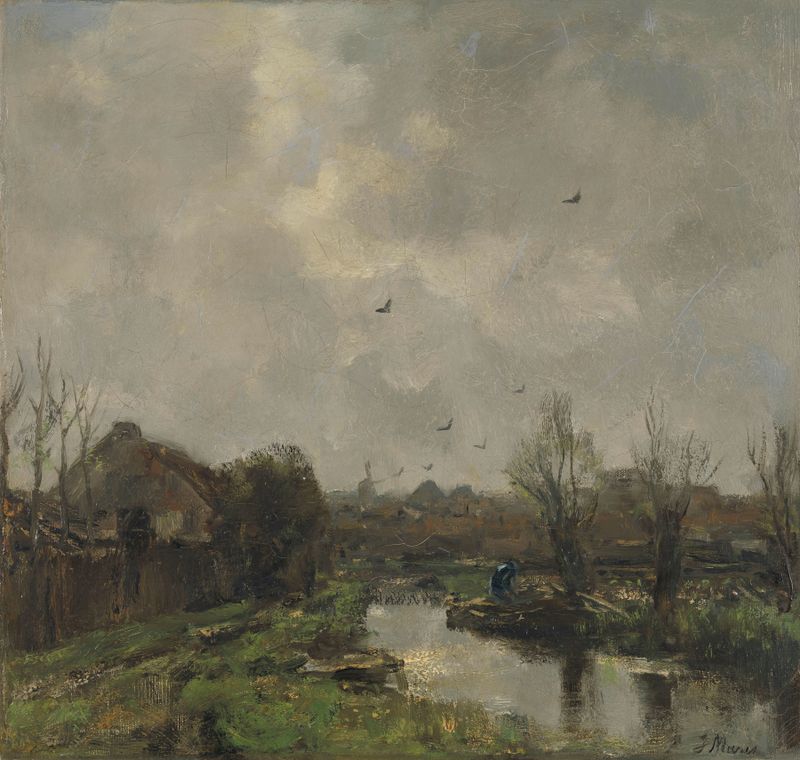
Landschap in de omgeving van Den Haag
Jacob Maris
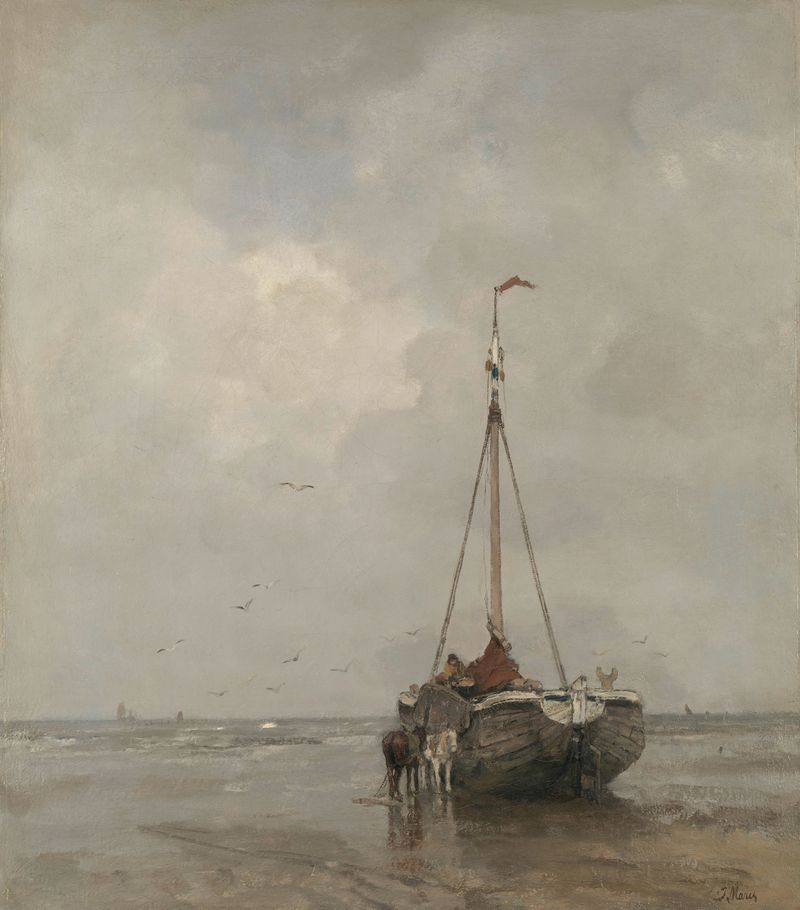
Bluff-bowed Fishing Boat on the Beach at Scheveningen
Jacob Maris
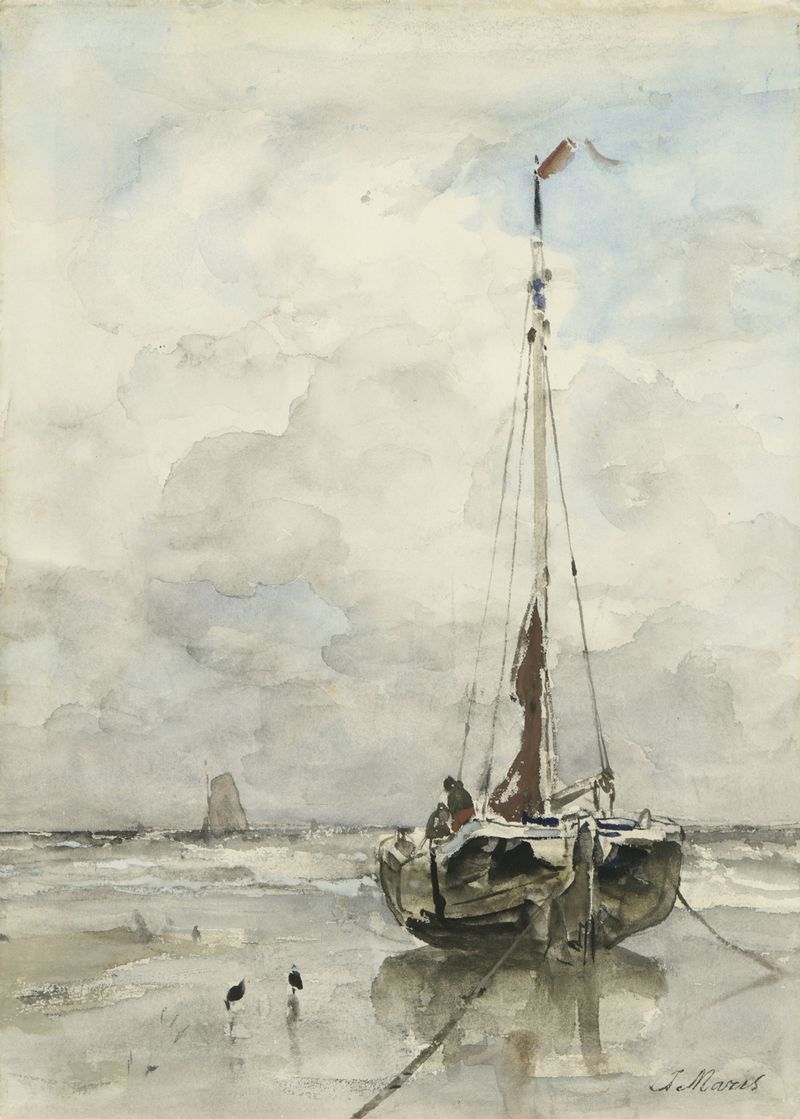
Visserspink aan het strand
Jacob Maris
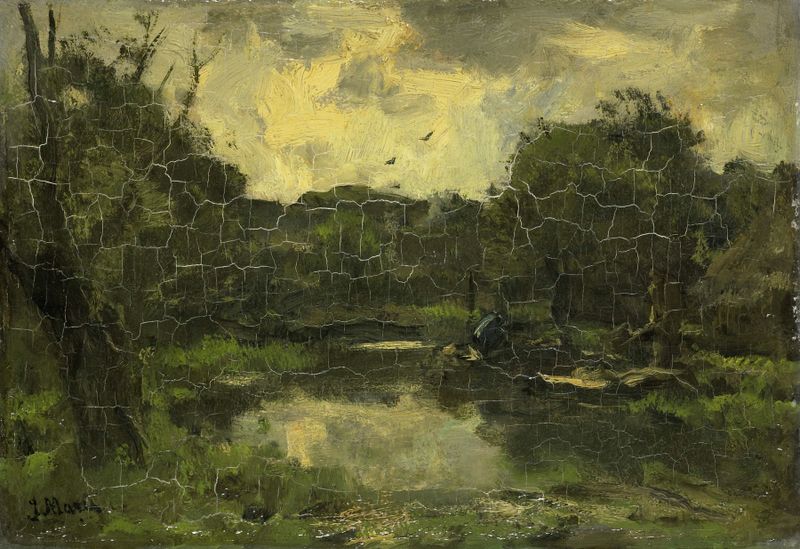
Landschap met schuit
Jacob Maris
Havengezicht
Jacob Maris
Schepen in de haven van Dordrecht
Jacob Maris





