Dancing Fairies — History & Facts
A ring of luminous figures drifts above the water, so delicate they seem spun from the very mist rising off the river at dawn. The eye is drawn first to their motion—a sweep of clasped hands, flowing hair, and garlanded brows, all caught in a dance that hovers between waking and dream. The moon, low and full, casts its pale light across the scene, turning the elves’ forms into a shimmering veil that blurs the line between what is real and what is imagined.
One figure stoops to kiss the water, or perhaps it is only her reflection, and the boundary between flesh and vapor dissolves entirely. The stillness of the landscape, with its dark trees and quiet river, serves as the perfect stage for this fleeting spectacle, where the air itself seems to have taken on a life of its own. Painted in 1866, Dancing Fairies by August Malmström belongs to a moment in Northern European art when folklore and the natural world were intertwined. Artists of this era often turned to local legends—elves, nymphs, spirits—to animate their landscapes, inviting viewers to see familiar woods and rivers with new, enchanted eyes.
Such works were not only decorative but also spoke to a growing fascination with the mysterious and the unseen, as industrialization pushed the wild further from daily life. Today, the painting resides in the Nationalmuseum, a quiet testament to the enduring power of myth and the artist’s skill in making the intangible visible. Let your gaze linger: do you see mist, or do you see fairies?
More Artworks by August Malmström

Tonttu
August Malmström
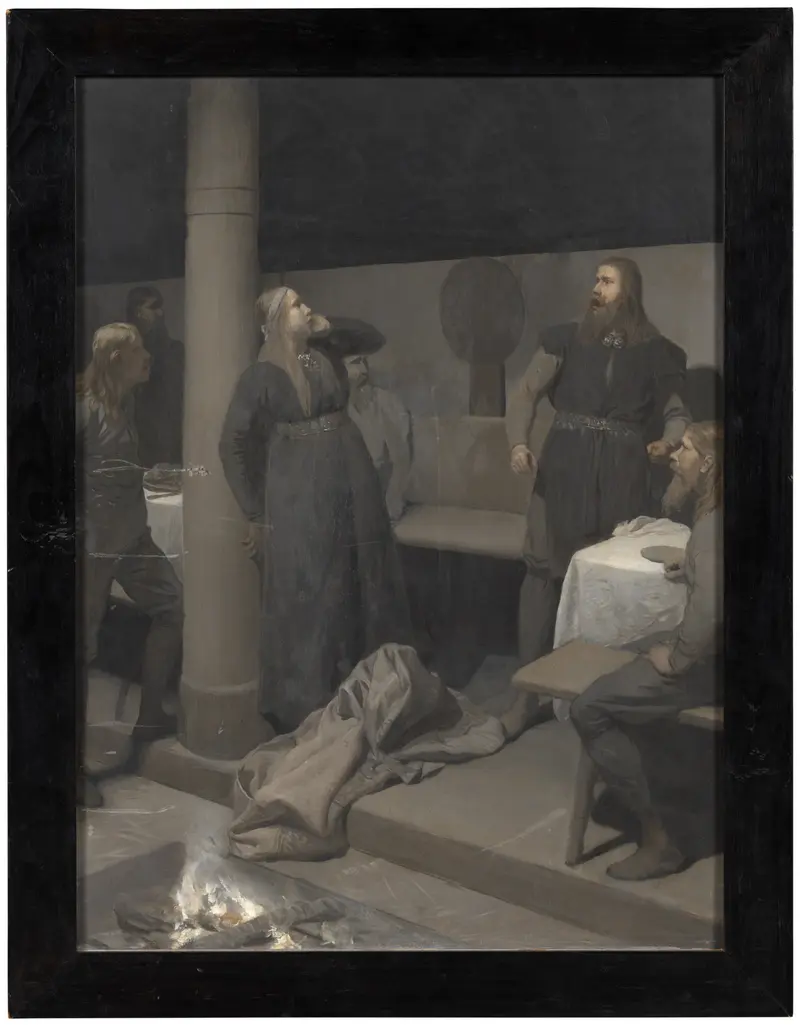
Hallgerd’s Slap
August Malmström
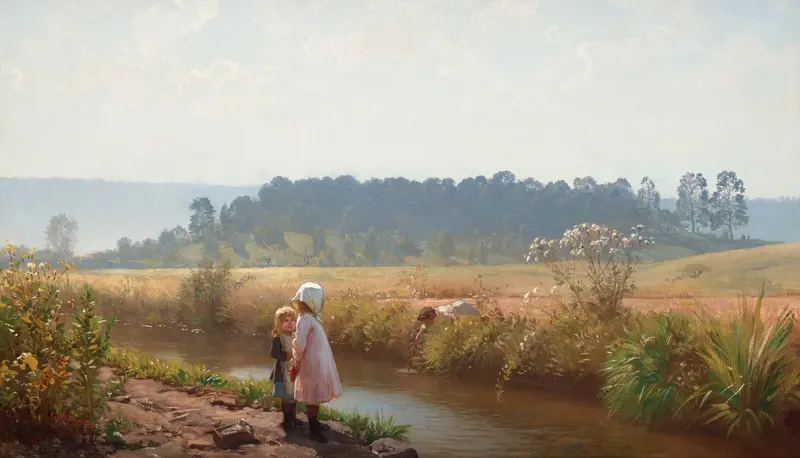
Children playing at the stream
August Malmström
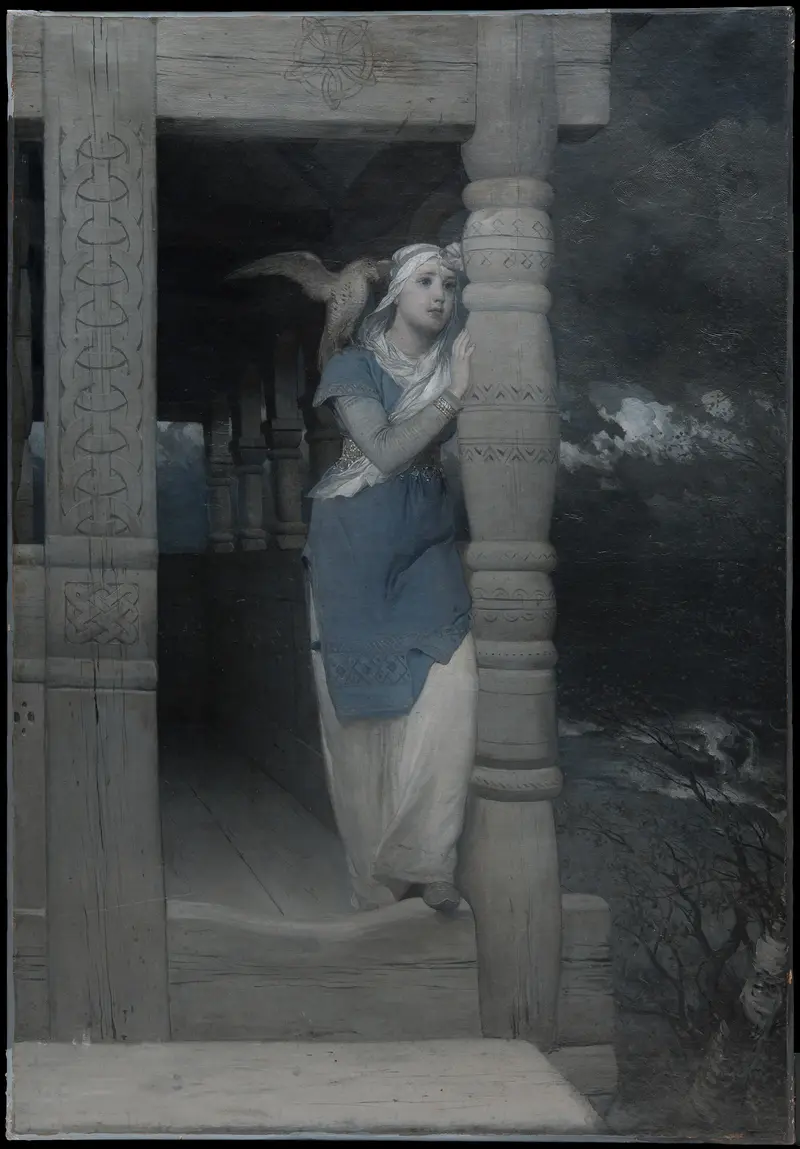
Ingeborg's Lament
August Malmström
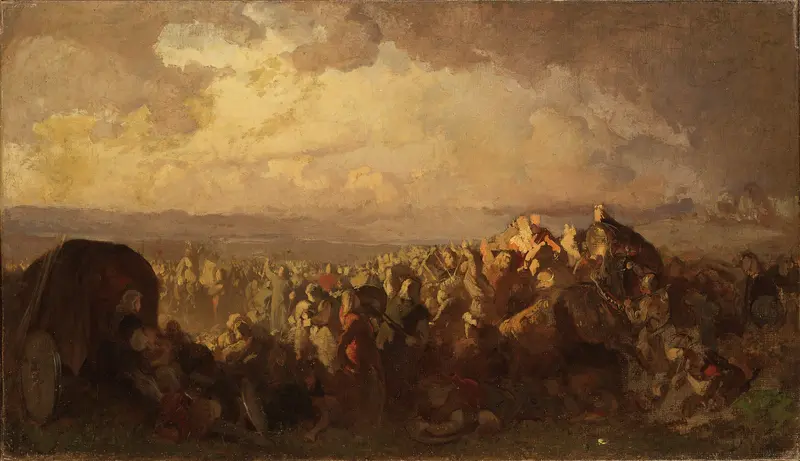
The Battle of Bråvalla. Study
August Malmström
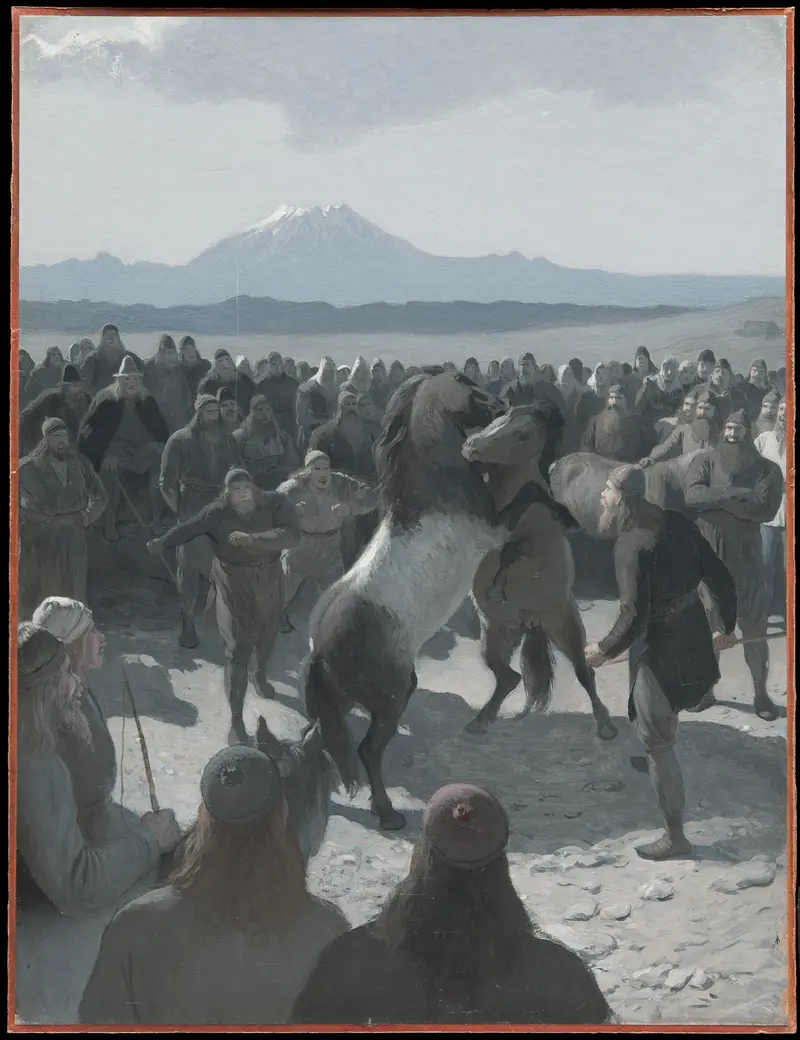
The Horse-Fight at Hlidarendi
August Malmström
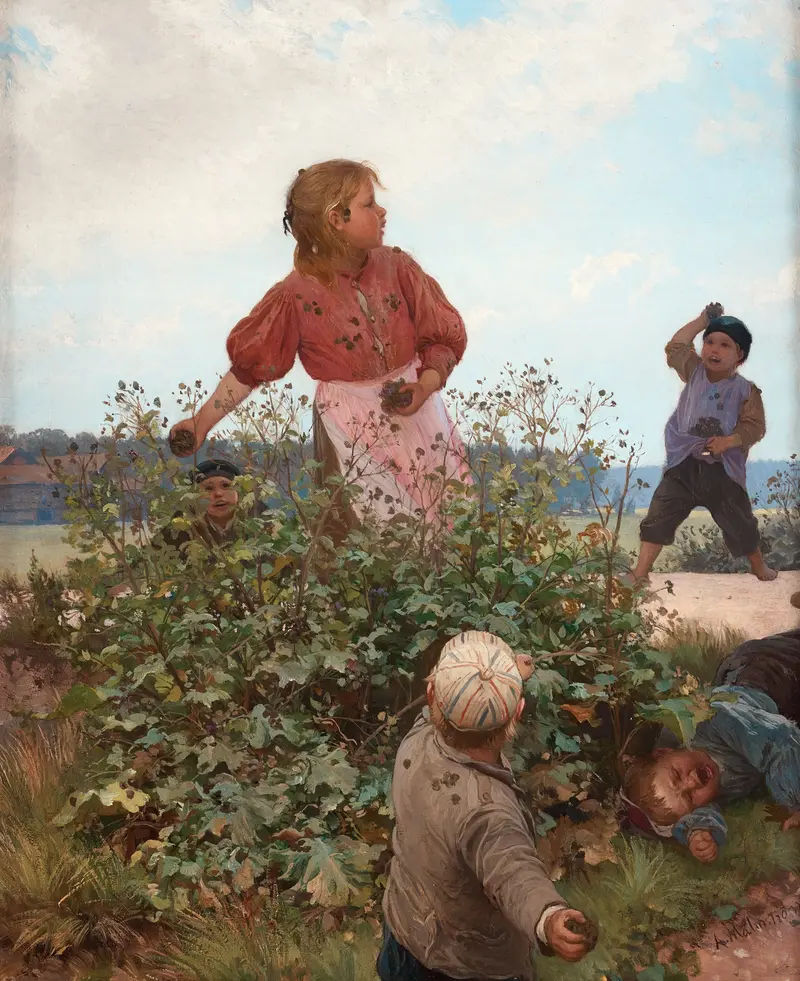
A modern Blenda
August Malmström
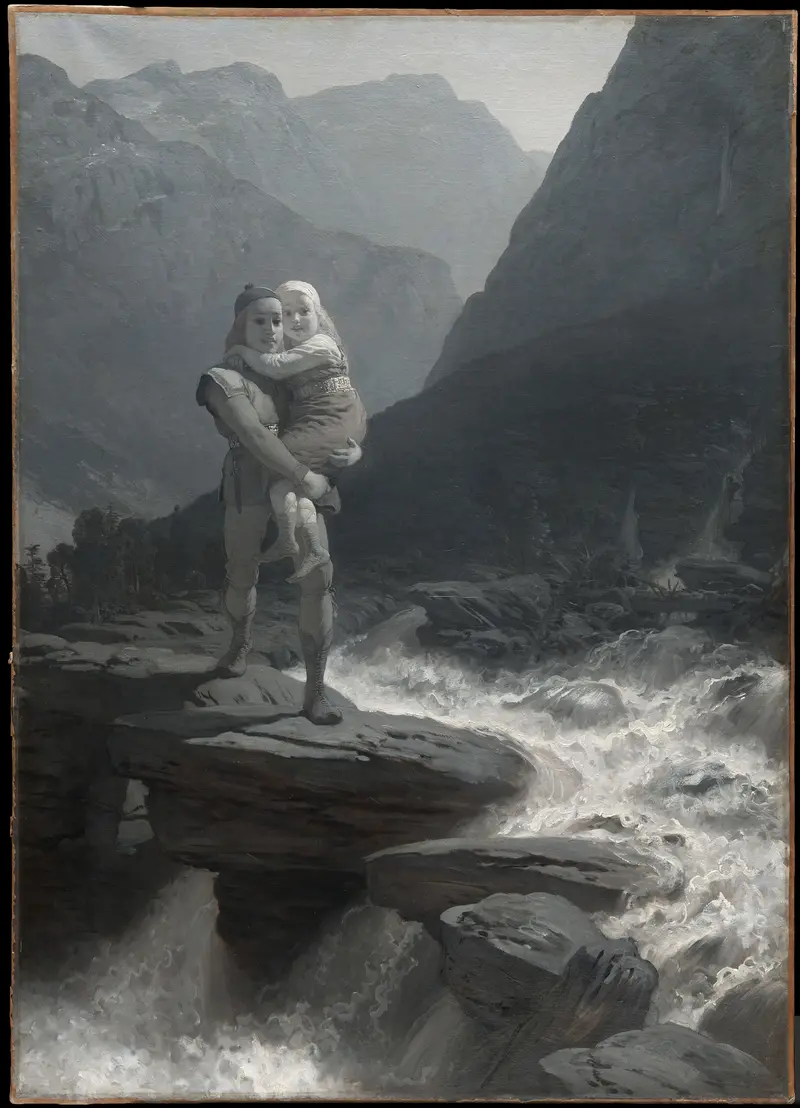
Frithiof and Ingeborg
August Malmström
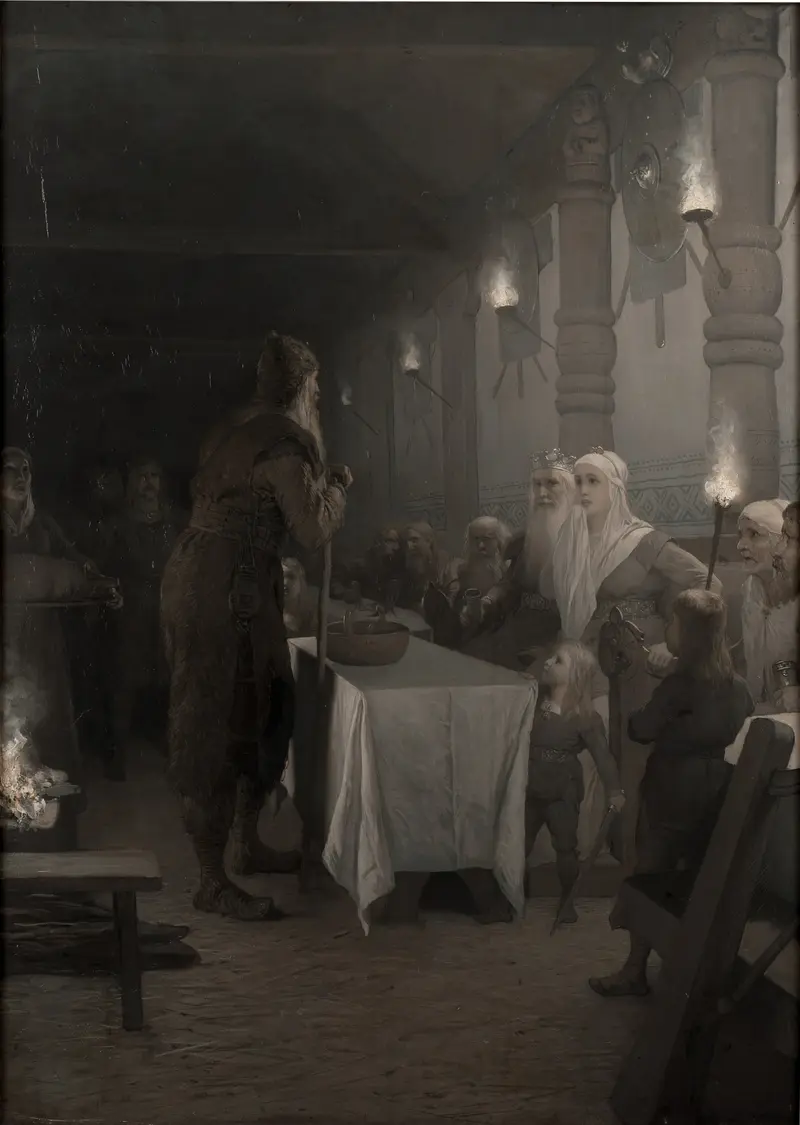
Frithiof kommer till Kung Ring (ur Frithiofs saga)
August Malmström
Frithiofs lycka (ur Frithiofs saga)
August Malmström