
Daniël gaat in tegen veroordeling van Susanna — History & Facts
Where does light end, and longing begin? In Daniël gaat in tegen veroordeling van Susanna, light dances delicately across the figures, revealing the tension between innocence and judgment in a world steeped in illusion. Look to the left at the figure of Daniel, his expression a blend of determination and compassion, as he stands forth in defiance of the council. Notice how the soft glow envelops Susanna, her vulnerability captured in the delicate folds of her garment, which contrast sharply with the dark, stern faces of her accusers. The chiaroscuro technique accentuates the psychological drama, while the muted palette serves to heighten the moral gravity of the moment. Dig deeper, and the juxtaposition becomes clearer.
The luxurious textures of Susanna's attire symbolize her status, yet they also encase her in the very societal expectations that threaten to consume her. The gaze of the elders, filled with accusation and malice, creates a sense of impending doom, while Daniel's outstretched arm offers a glimmer of hope amidst the looming darkness. The compositional tension between these elements evokes a visceral response, encapsulating the battle between integrity and societal judgment. In 1538, Holbein was immersed in the humanist environment of the Reformation in Europe.
Living in England at the time, he painted this work amidst a growing fascination with biblical themes, reflecting both personal and political turmoil. His connection to the Tudor court and the demand for moral narratives in art strongly influenced this poignant depiction, showcasing his ability to intertwine narrative with profound emotional depth.
More Artworks by Hans Holbein (II)
Browse all →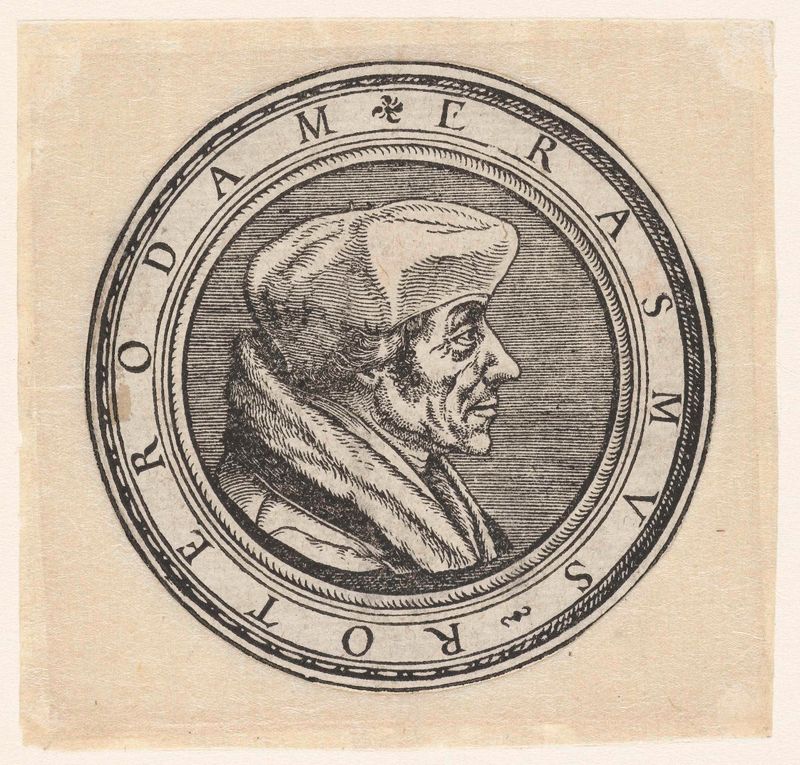
Portret van Erasmus
Hans Holbein (II)
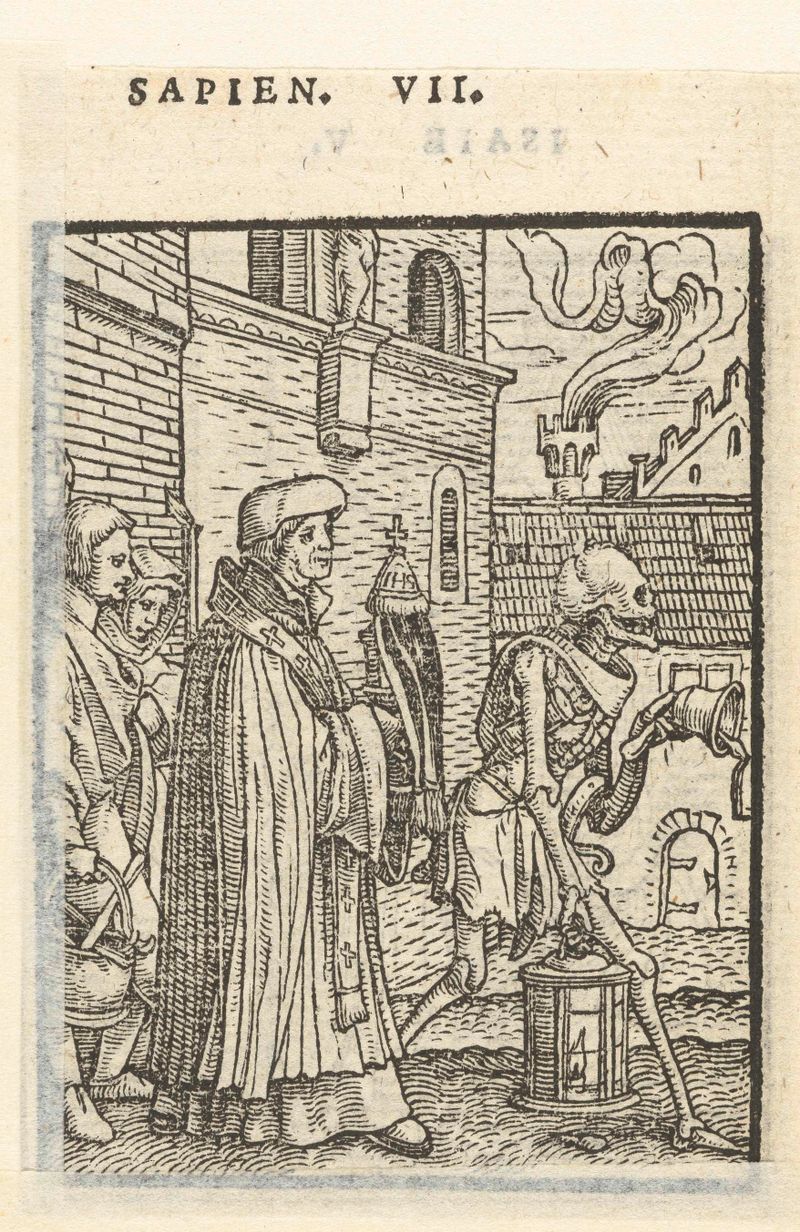
Priester en de Dood
Hans Holbein (II)
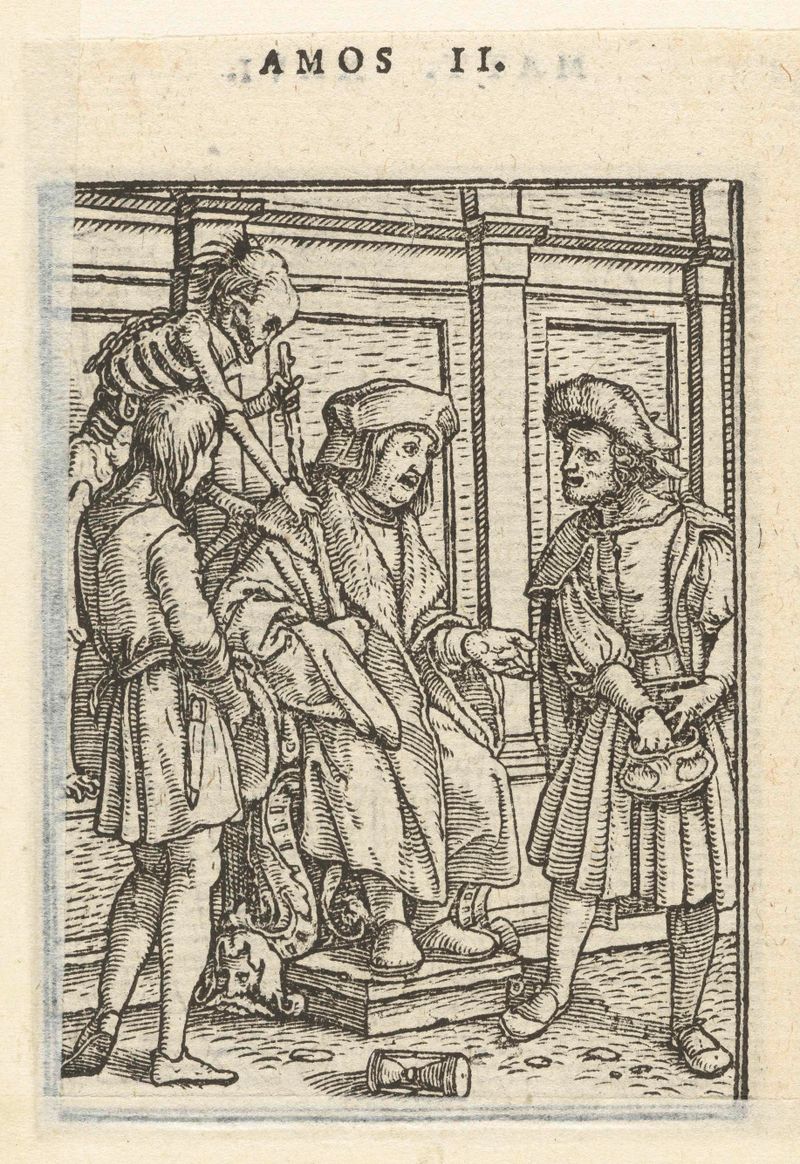
Rechter en de Dood
Hans Holbein (II)
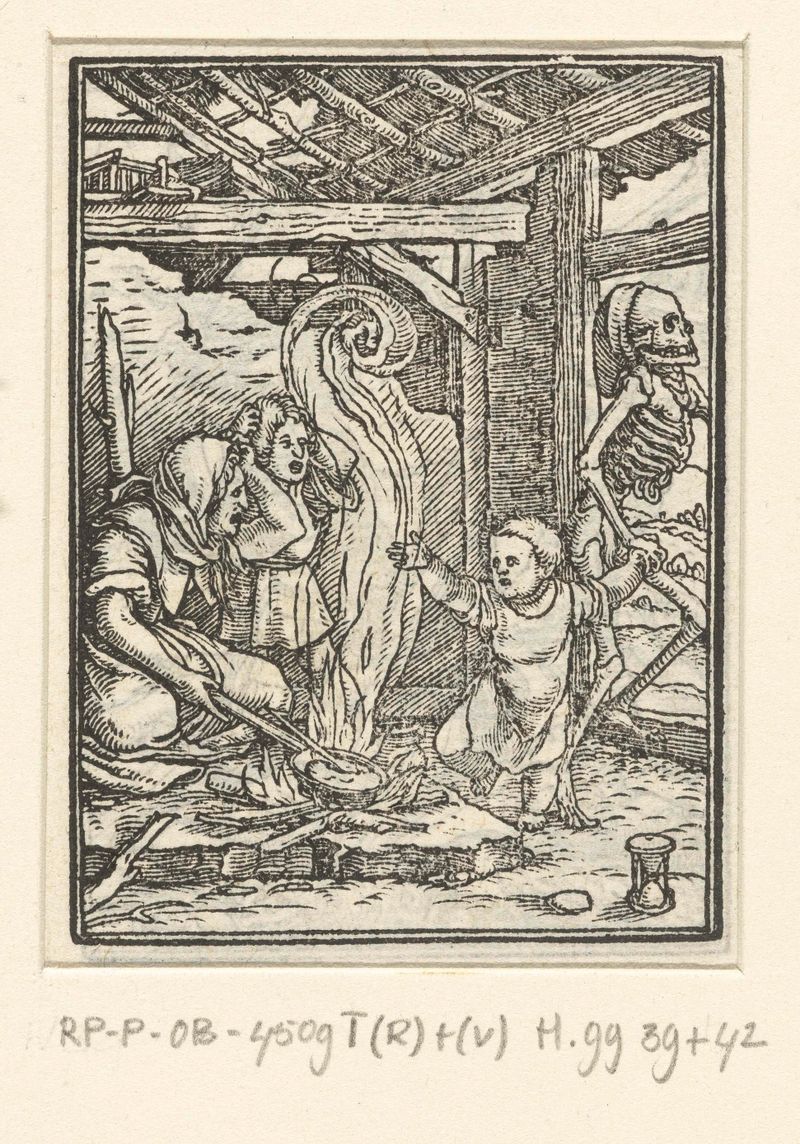
Kind en de Dood
Hans Holbein (II)
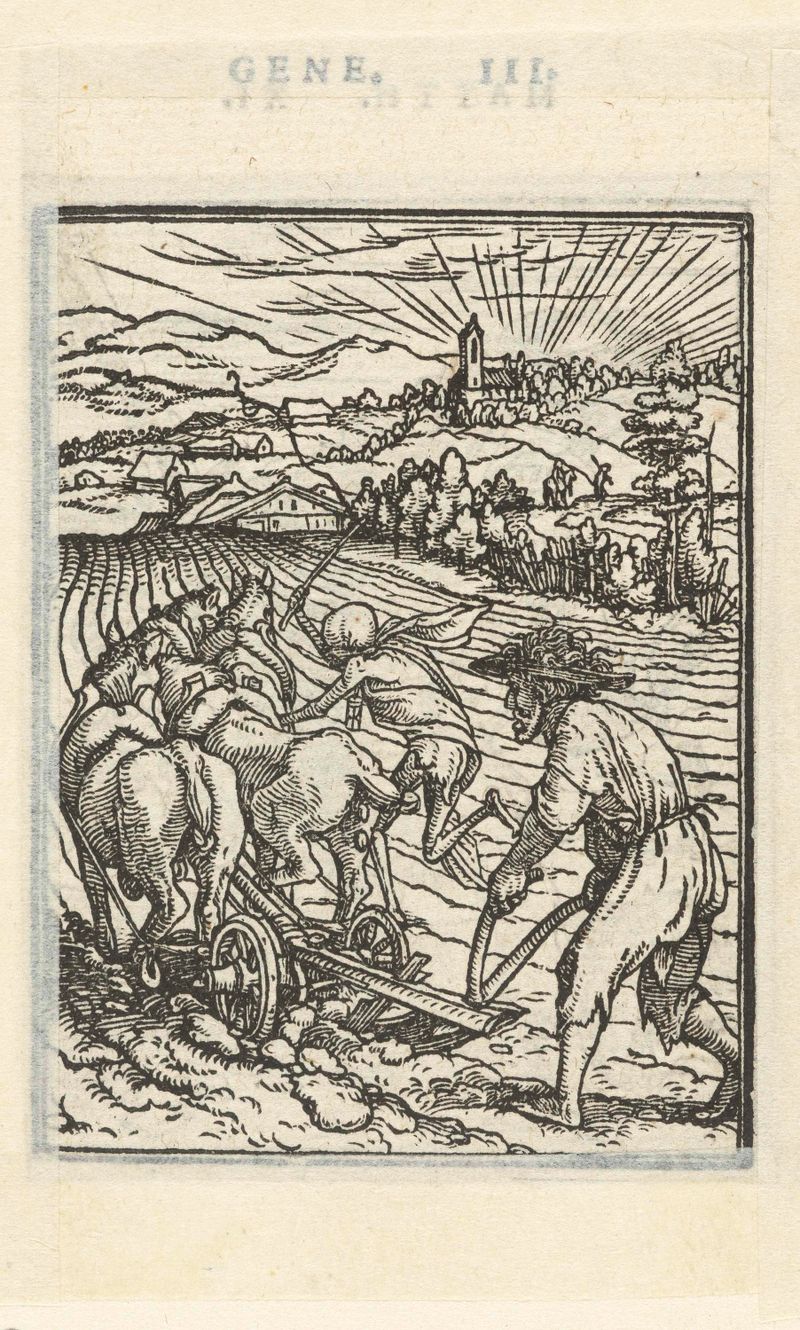
Boer en de Dood
Hans Holbein (II)
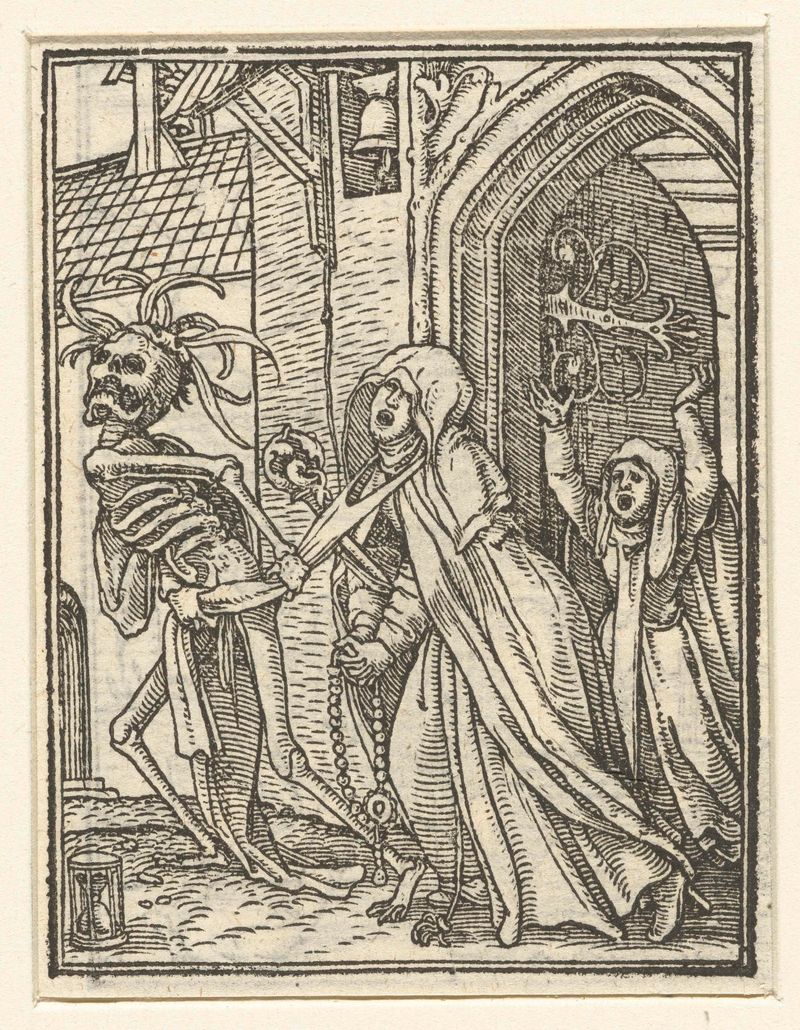
Abdis en de Dood
Hans Holbein (II)
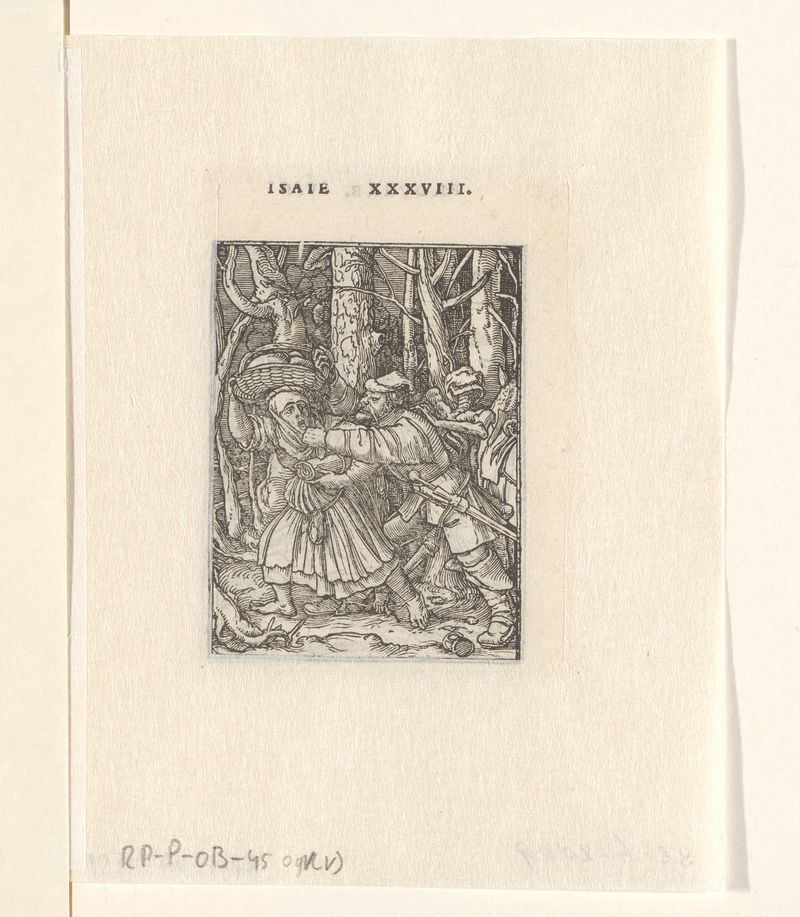
Dief en de Dood
Hans Holbein (II)
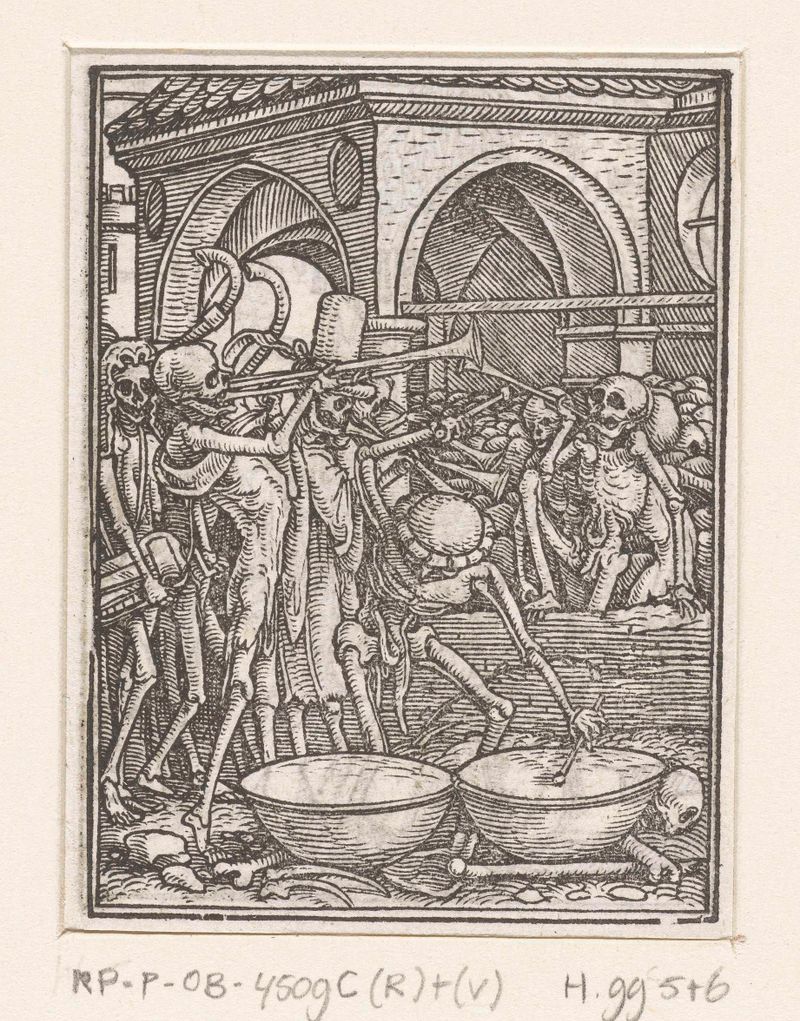
Skeletons Making Music from Dance of the Dead
Hans Holbein (II)
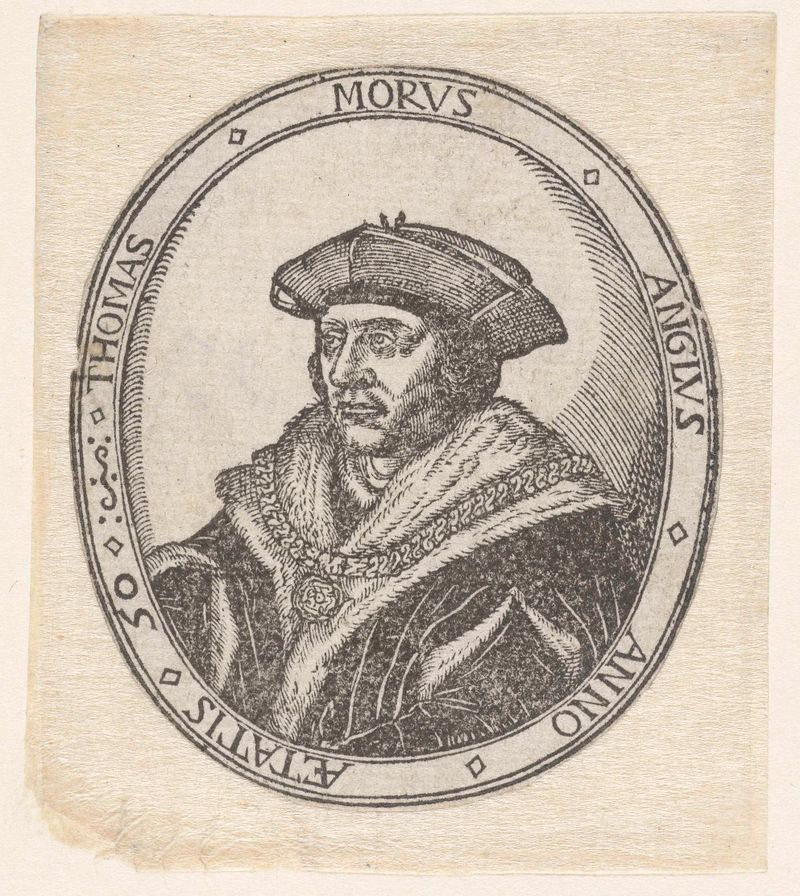
Portret van Thomas More
Hans Holbein (II)
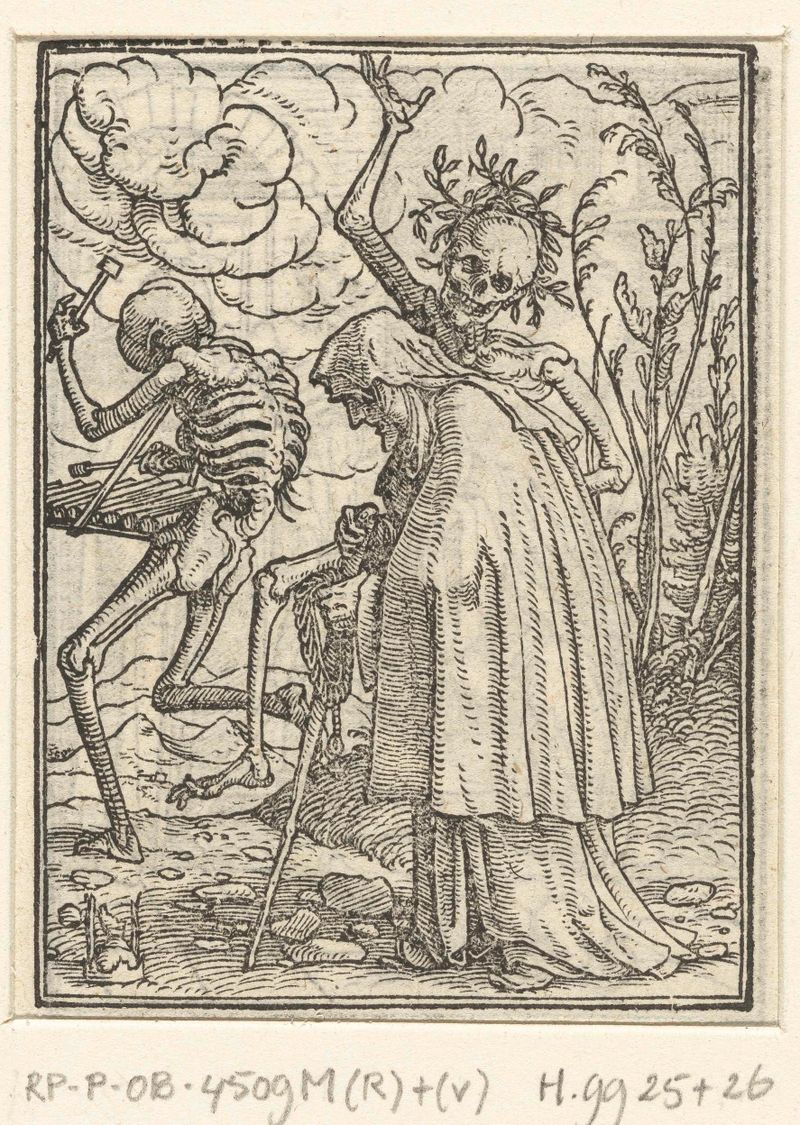
Oude vrouw en de Dood
Hans Holbein (II)
More Religious Art
Browse all →
The Return of the Prodigal Son
Rembrandt van Rijn

The Garden of Earthly Delights
El Bosco

Count Orgaz’ funeral
El Greco

The Hundred Guilder Print: the central piece with Christ preaching, the plate arched
Rembrandt van Rijn

The Descent from the Cross
Rogier van der Weyden

The return of the prodigal son
Rembrandt van Rijn