
Daniël krijgt eten van Habakuk in de leeuwenkuil — History & Facts
What if beauty was never meant to be finished? In the delicate interplay of light and shadow, Daniël krijgt eten van Habakuk in de leeuwenkuil unveils a poignant solitude, capturing a moment of divine intervention against a backdrop of impending despair. Look to the left, where the powerful figure of Habakuk, with steadfast determination, offers sustenance to Daniel in the lion’s den. The rich, earthy tones of the background contrast starkly with the luminous golden hues that envelop Habakuk, drawing the viewer’s eye to this vital exchange. Notice how the intricate details in their garments weave a tapestry of texture, while the fierce lion lurks in the shadows, embodying both danger and the protective power of faith. This painting resonates with themes of isolation and trust, illustrated by Daniel’s vulnerable posture, as he accepts the food.
The juxtaposition of the ferocity of the lion against the tenderness of human connection adds a layer of emotional tension, suggesting that even in our darkest moments, solace can come from an unexpected source. The stillness of the scene is palpable, evoking a silence that speaks volumes about the weight of loneliness and hope intertwined. In 1538, Hans Holbein was immersed in the world of the Reformation while residing in England, working closely with the royal court. This period was marked by his meticulous attention to detail and a striving for realism that captured the spirit of the time.
The artist's exploration of biblical narratives was not just a reflection of his faith but also an inquiry into the human condition—an effort to bridge the divine with the very real isolation felt by individuals amidst the turmoil of life.
More Artworks by Hans Holbein (II)
Browse all →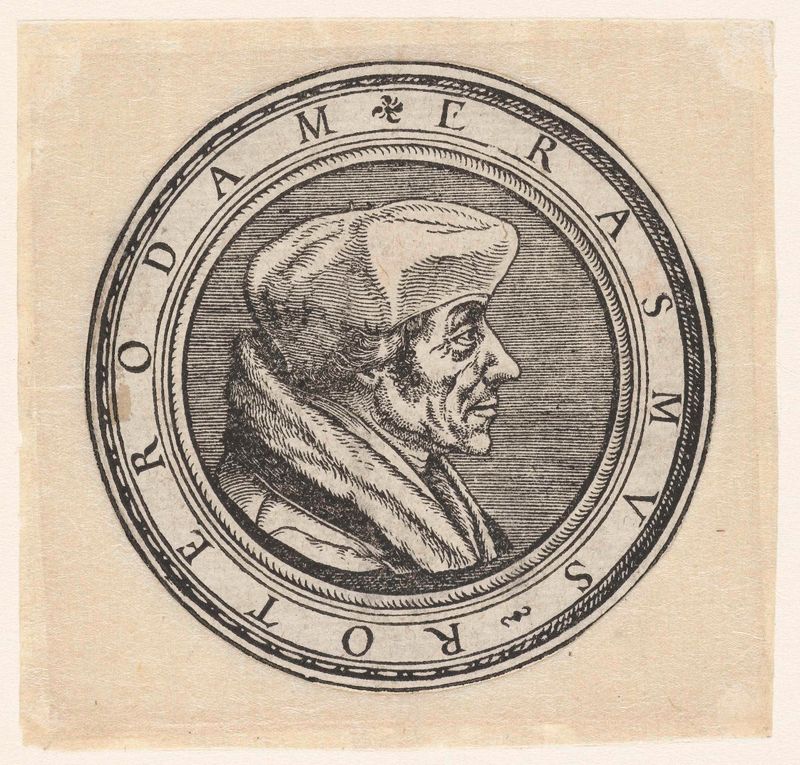
Portret van Erasmus
Hans Holbein (II)
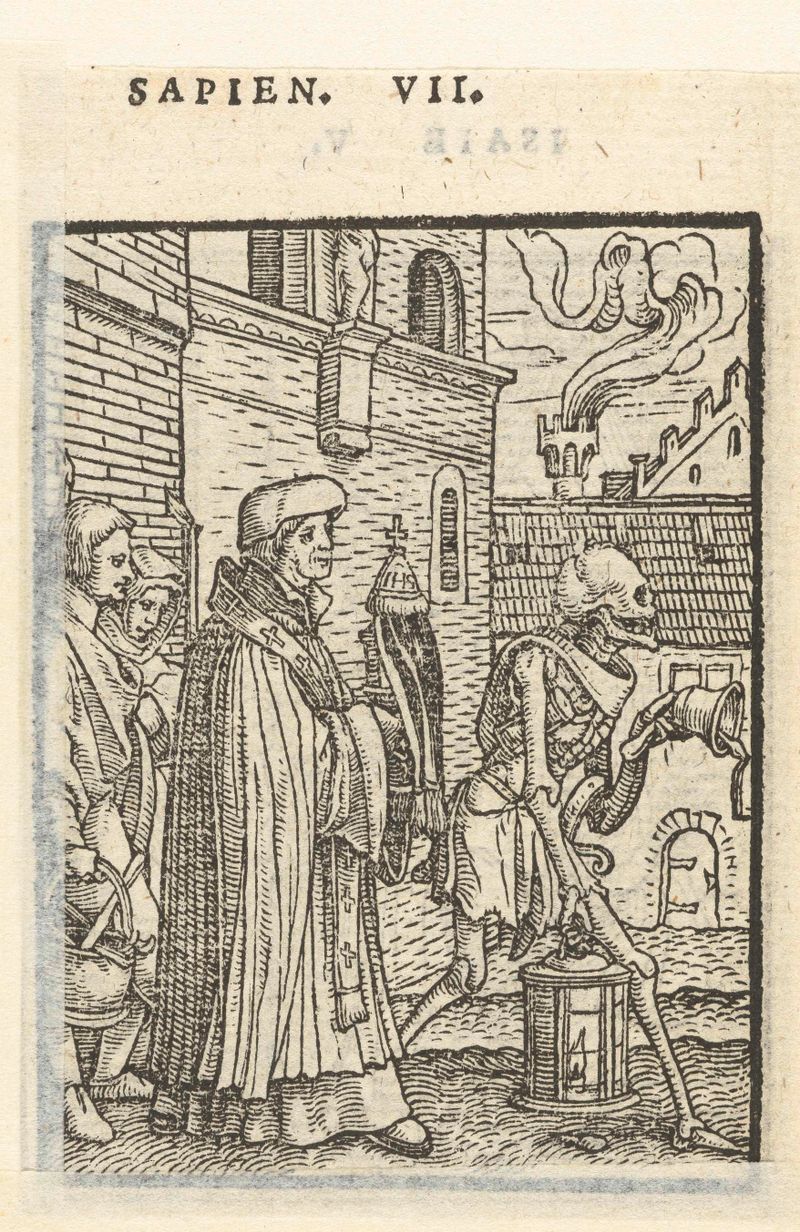
Priester en de Dood
Hans Holbein (II)
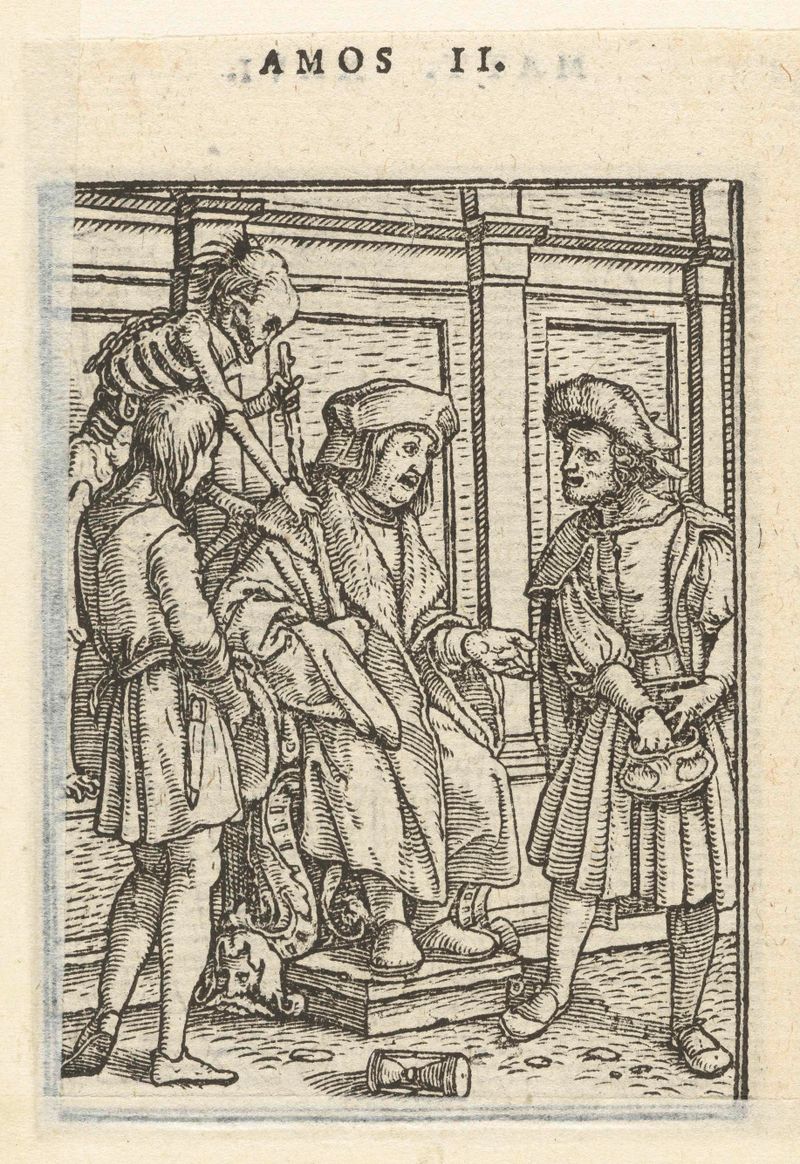
Rechter en de Dood
Hans Holbein (II)
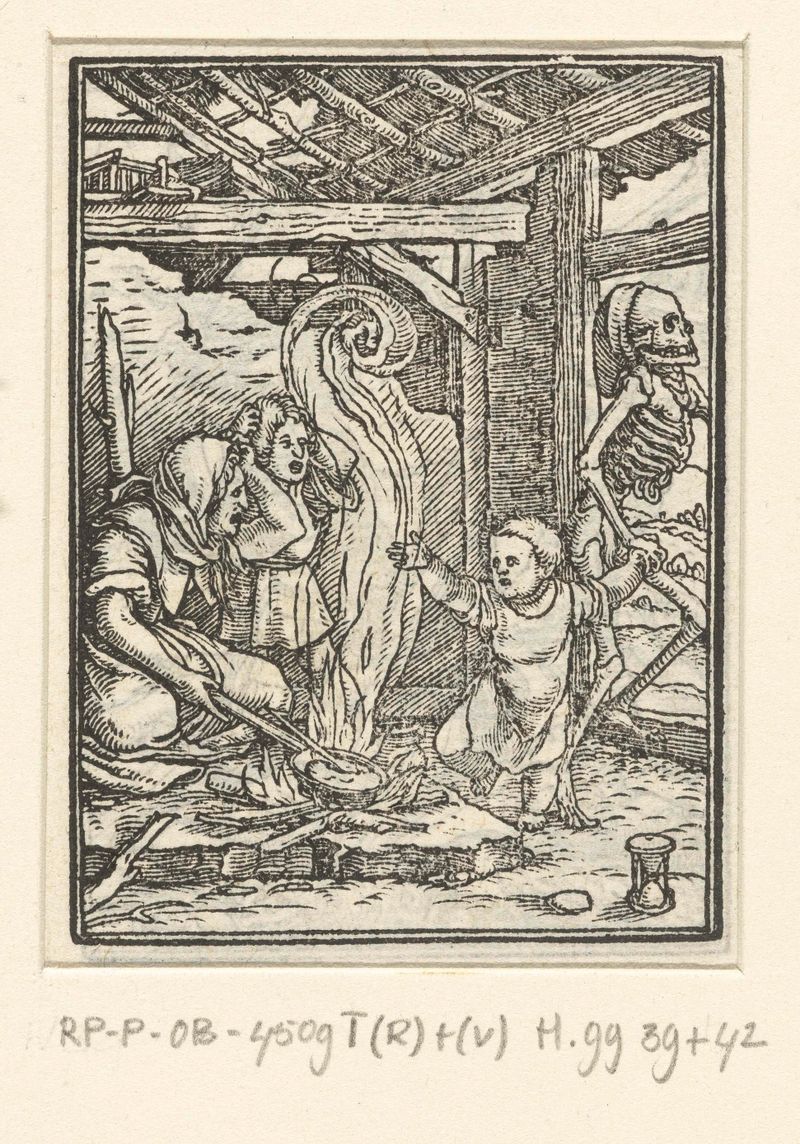
Kind en de Dood
Hans Holbein (II)
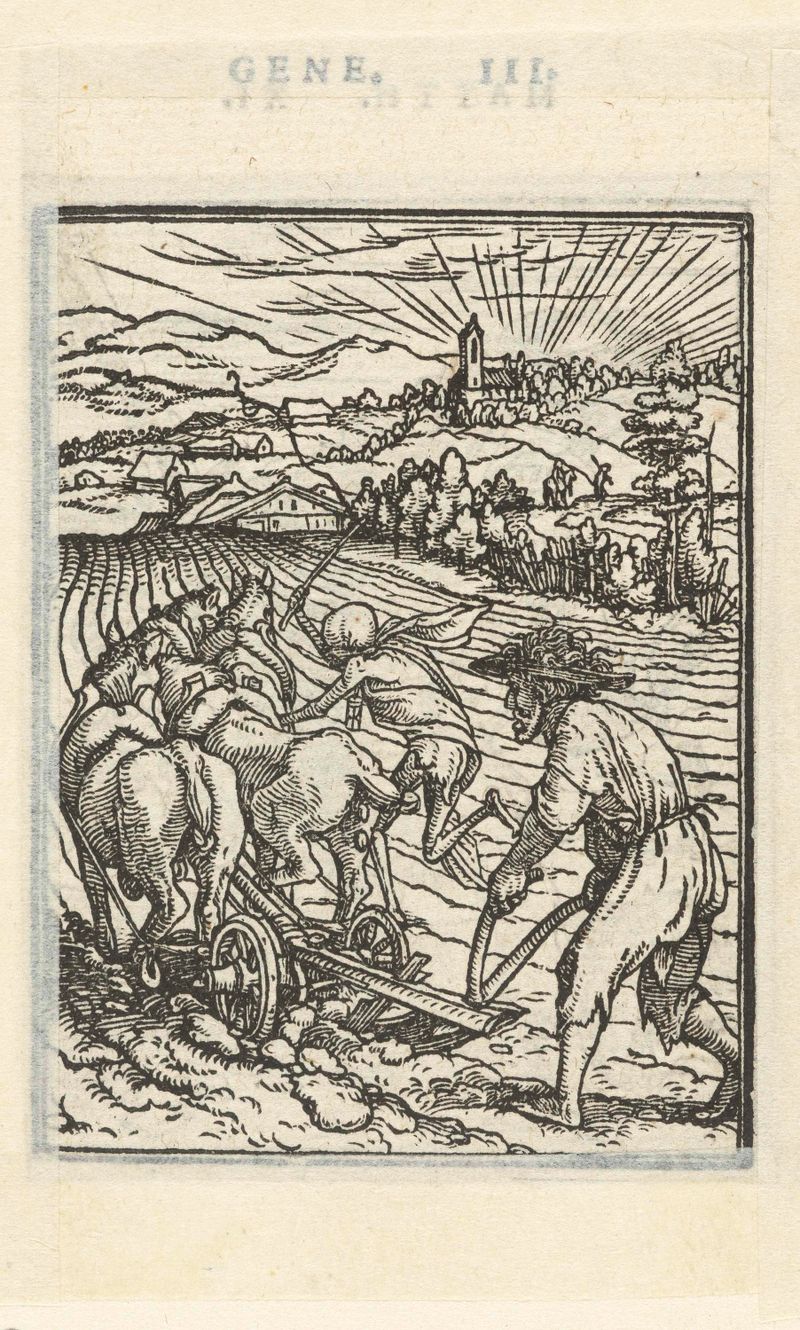
Boer en de Dood
Hans Holbein (II)
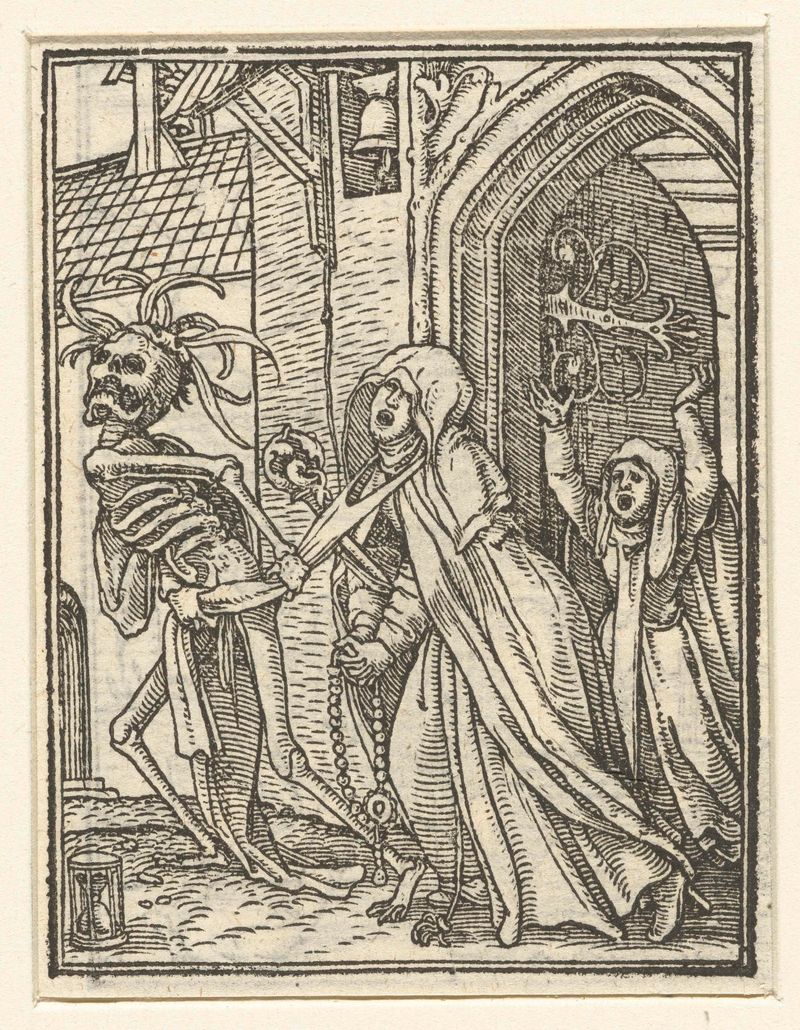
Abdis en de Dood
Hans Holbein (II)
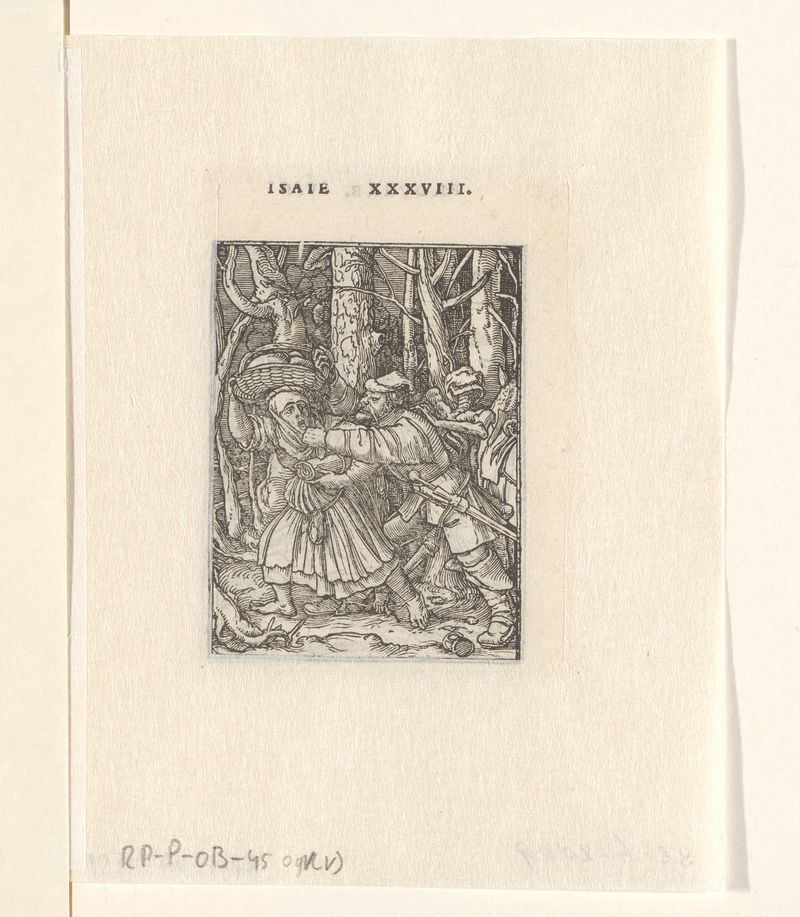
Dief en de Dood
Hans Holbein (II)
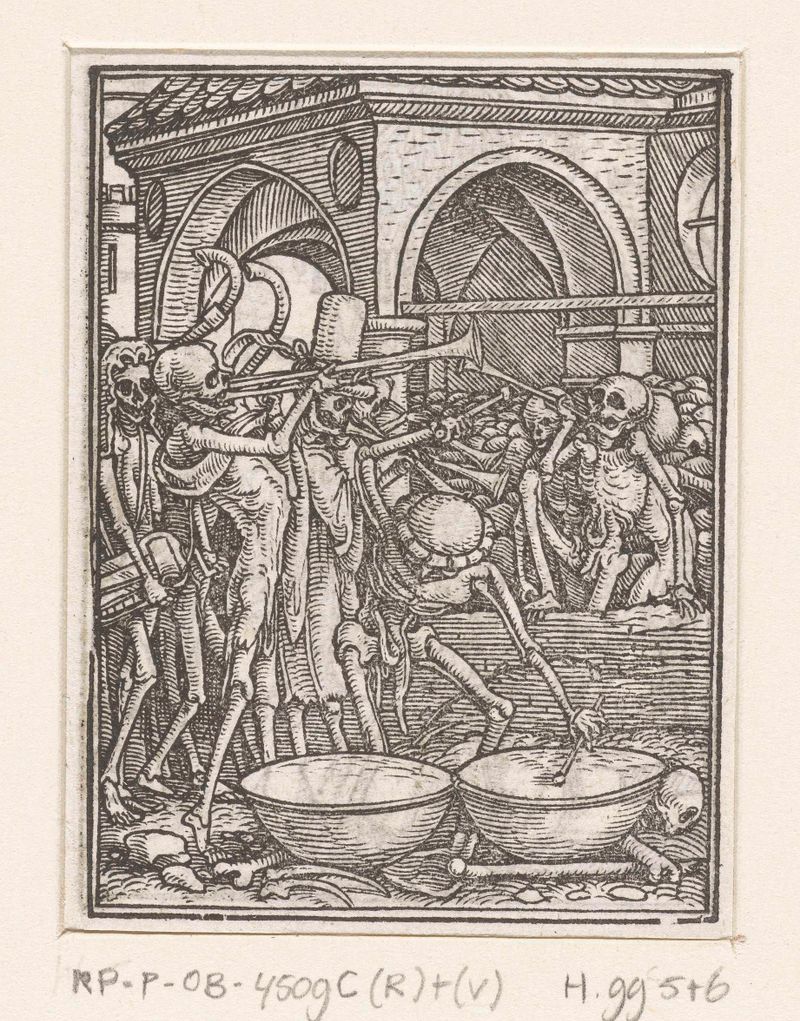
Skeletons Making Music from Dance of the Dead
Hans Holbein (II)
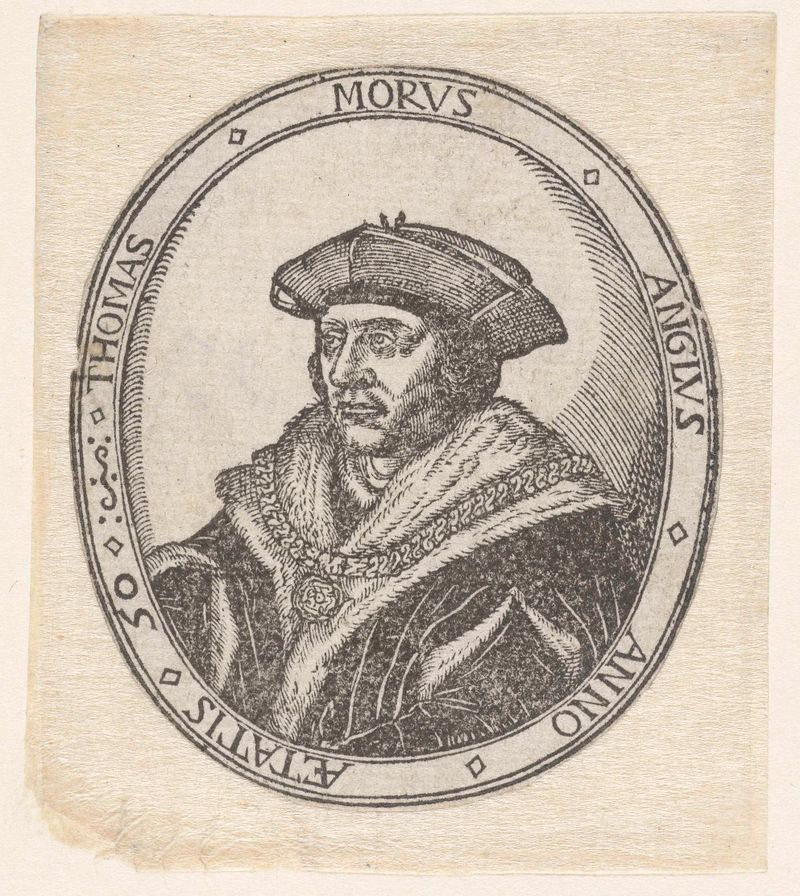
Portret van Thomas More
Hans Holbein (II)
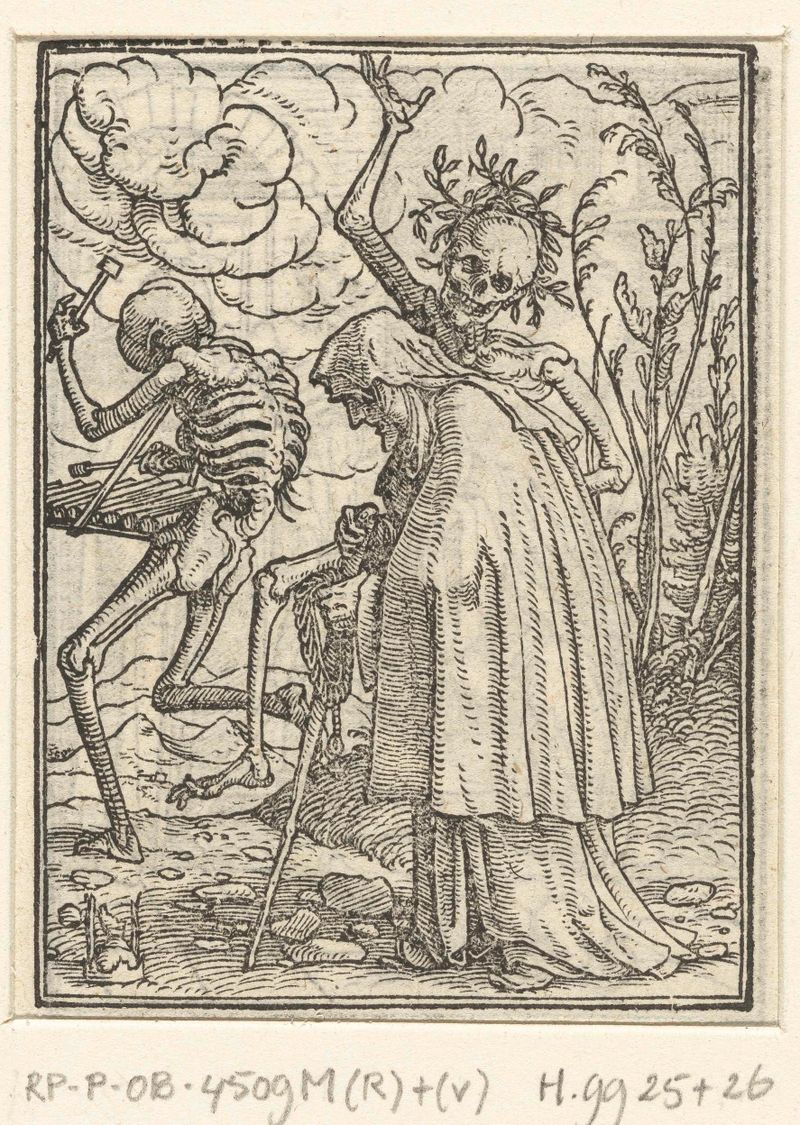
Oude vrouw en de Dood
Hans Holbein (II)
More Religious Art
Browse all →
The Return of the Prodigal Son
Rembrandt van Rijn

The Garden of Earthly Delights
El Bosco

Count Orgaz’ funeral
El Greco

The Hundred Guilder Print: the central piece with Christ preaching, the plate arched
Rembrandt van Rijn

The Descent from the Cross
Rogier van der Weyden

The return of the prodigal son
Rembrandt van Rijn