
Danish Winter Landscape with Dolmen — History & Facts
Is this a mirror — or a memory? In Danish Winter Landscape with Dolmen, the canvas breathes an air of melancholy that invites reflection on the passage of time and the quiet solitude of nature. Look to the center of the painting, where the ancient dolmen stands resilient against the wintry backdrop. Notice how the frost-kissed ground glimmers under a pale light, each blade of grass seemingly frozen in a moment of stillness. The sky, a muted gray, hangs heavy with clouds, creating a sense of impending cold that envelops the scene while a soft, diffused glow filters through, casting gentle shadows that imbue the dolmen with a haunting presence.
The subtle color palette of whites, blues, and grays enhances the chill, evoking a profound sense of isolation. Delve deeper into the contrasts that pulse within this landscape. The stark solidity of the dolmen juxtaposes the ephemeral nature of the landscape, representing both permanence and the inevitable passage of time. This ancient monument, a relic of human history, stands in stark contrast to the fleeting winter light, inviting contemplation on the cycle of life and death.
The absence of figures in the scene amplifies the feeling of solitude, suggesting a world that exists in quiet reflection, untouched by human activity. In 1838, Johan Christian Dahl painted this work during a period of significant artistic and personal evolution. Living in Dresden, he was at the forefront of the Romantic movement, seeking to capture the sublime beauty of nature while also grappling with themes of nostalgia and isolation. This painting reflects his deep engagement with the landscape of Scandinavia, a subject that resonated with both his identity and the broader cultural context of the time.
More Artworks by Johan Christian Dahl
Browse all →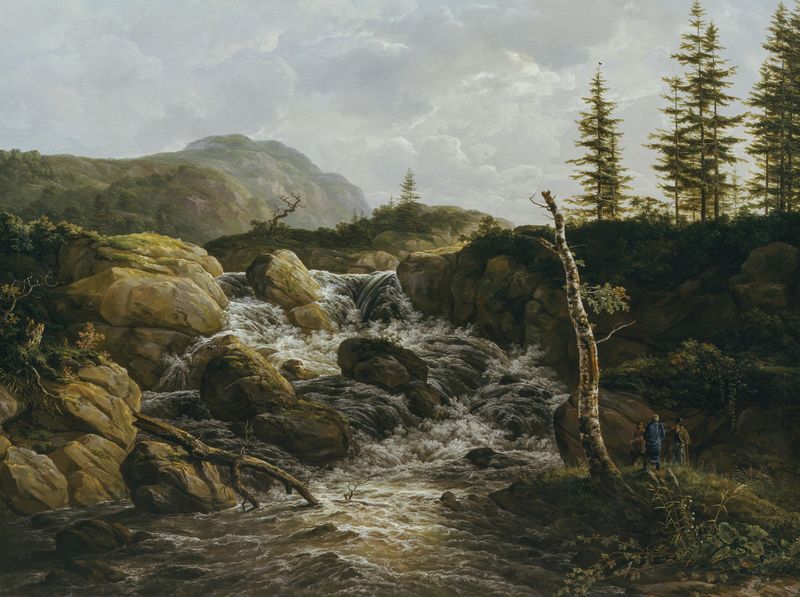
Mountainous Landscape with a Waterfall, Norway
Johan Christian Dahl
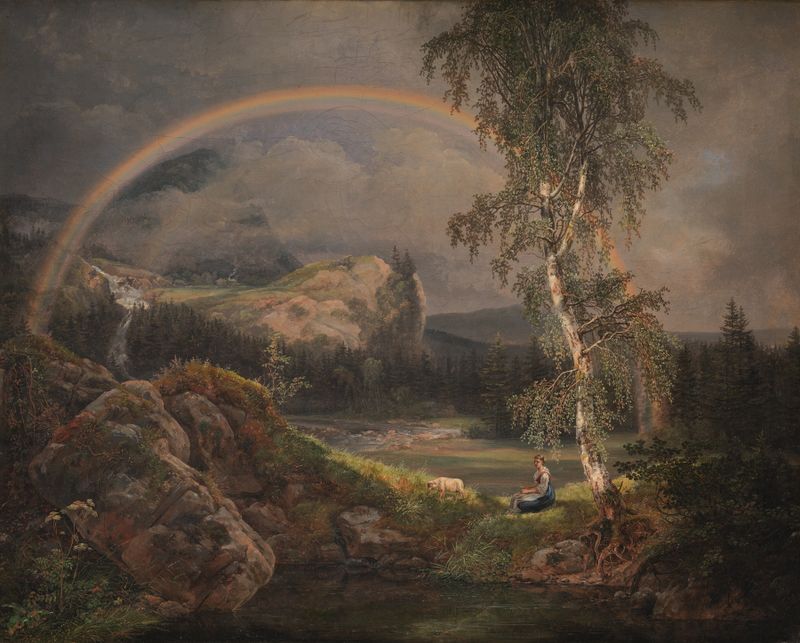
Norwegian Landscape with a Rainbow
Johan Christian Dahl
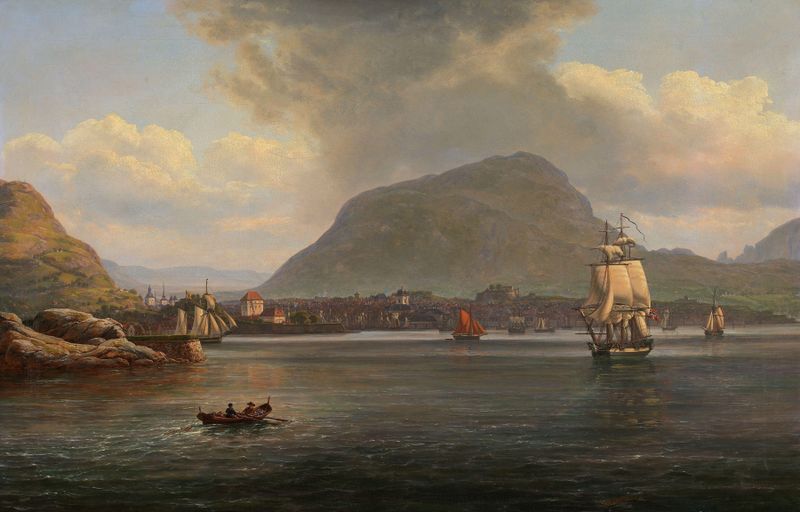
Bergen seen from the northern Inlet
Johan Christian Dahl
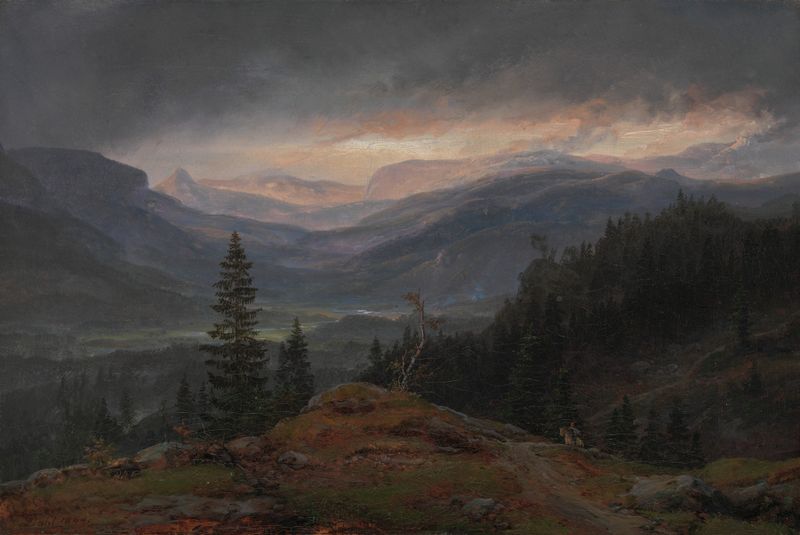
View over Hallingdal
Johan Christian Dahl
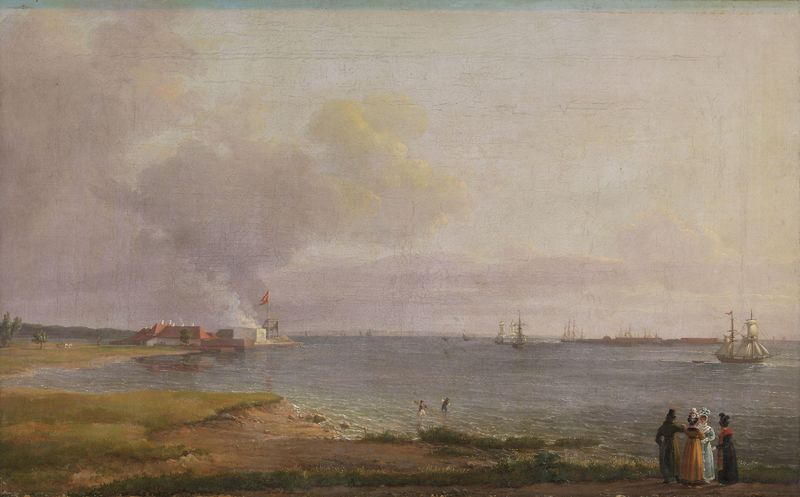
View over Øresund near the Lime Works
Johan Christian Dahl
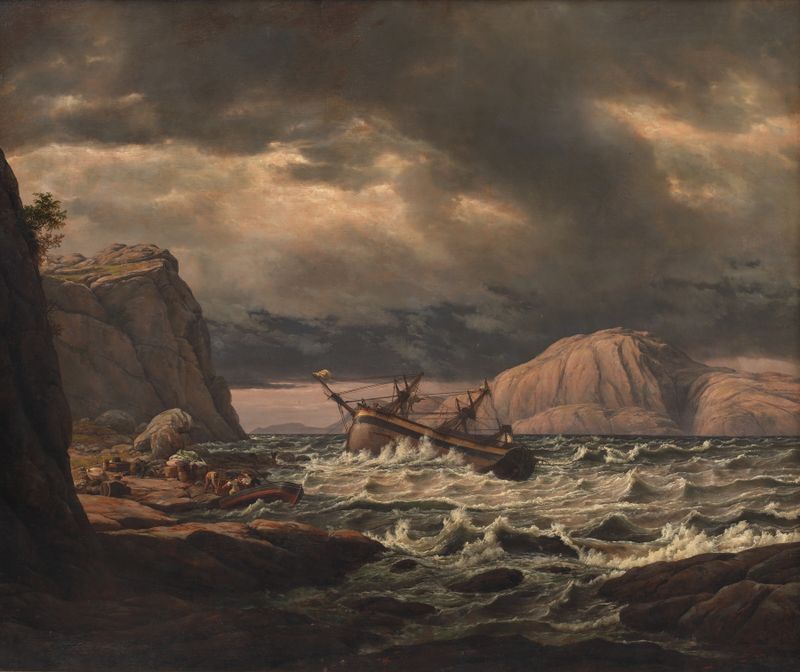
A Shipwreck on the Coast of Norway
Johan Christian Dahl
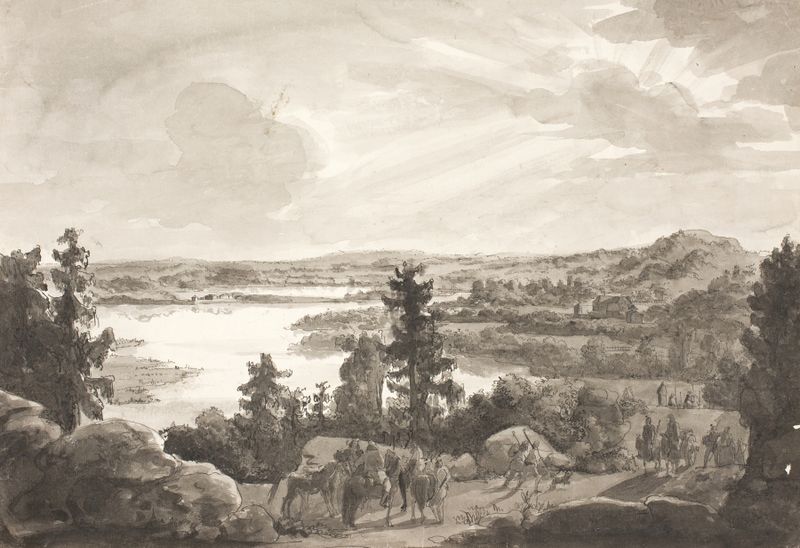
View of a Lake, Norway
Johan Christian Dahl
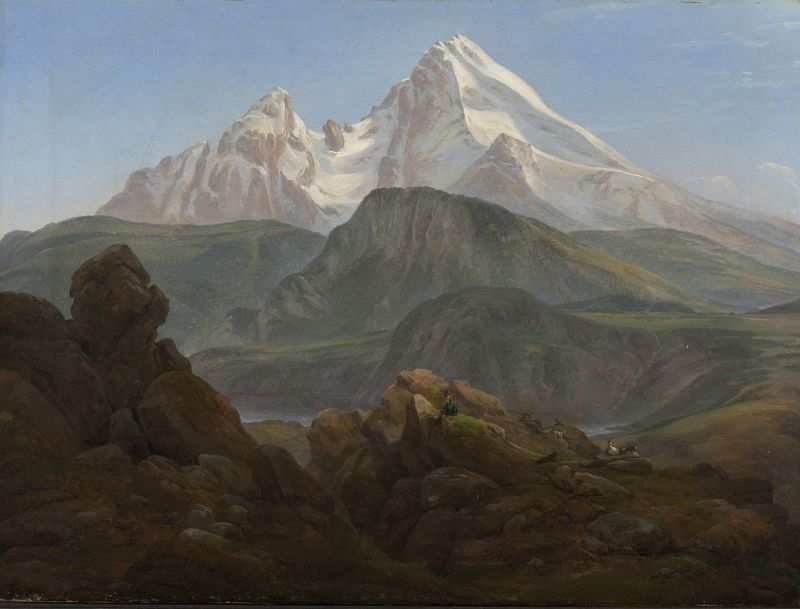
The Watzmann
Johan Christian Dahl
View of Hjelle in Valdres
Johan Christian Dahl

View At Skjolden In Lyster
Johan Christian Dahl





