
Dante and Vergil — History & Facts
A bolt of white light carves the sky, dividing the living from the damned. In Dante and Vergil, Ignacy Gierdziejewski seizes the viewer with a storm of bodies and gestures, all swirling in a moment of revelation and horror. The eye is drawn first to the two figures at the right—one in a scarlet robe, the other in pale drapery—locked in a tense exchange as a group of anguished souls are swept past them by invisible winds.
The outstretched arm, the twisting forms, and the wild hair all speak of a scene in which judgment and longing collide, the drama heightened by the jagged rocks beneath and the churning, clouded sky above. Painted in 1859, this work belongs to a world still enthralled by the epic sweep of literary history painting. The figures are unmistakably drawn from The Divine Comedy, with Dante and his Roman guide Vergil confronting the torments of the damned. Gierdziejewski’s palette is somber, with deep shadows and flashes of red and white, setting a mood of awe and dread.
The composition pushes the viewer into the role of witness, as if standing with Dante on the edge of the abyss, watching the condemned swept away by forces beyond their control. In the mid-19th century, such scenes were favored by a public eager for moral drama and grand narrative, and artists responded with images that made the classics feel immediate and alive. Today, this painting resides in the National Museum in Warsaw, its stormy vision waiting to draw new eyes into its whirlwind.
More Artworks by Ignacy Gierdziejewski
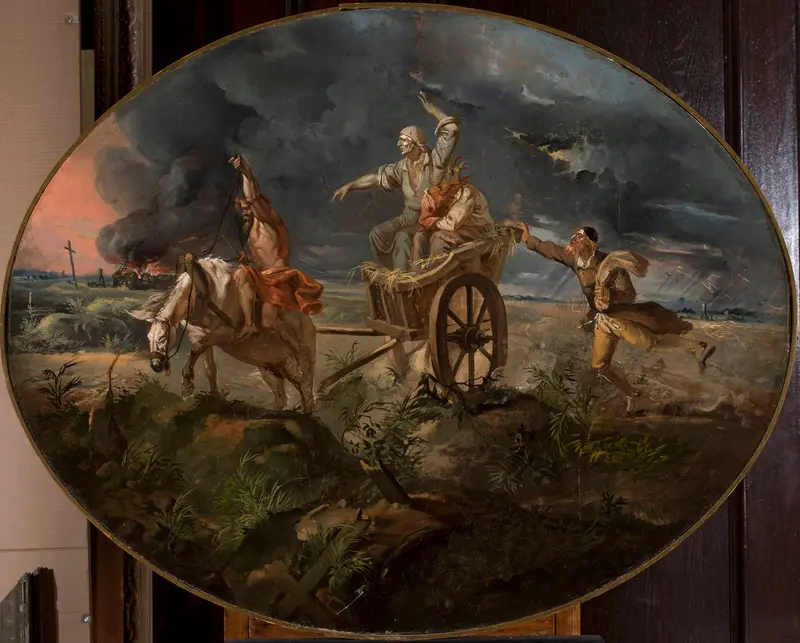
Symbolic scene – Poverty and misery come to see us
Ignacy Gierdziejewski
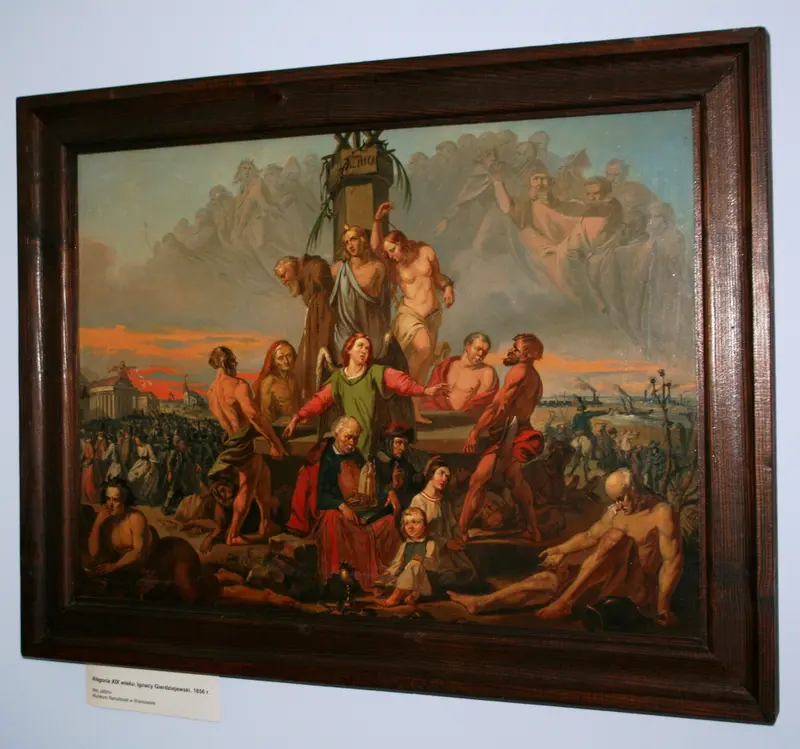
Allegory – The 19th Century
Ignacy Gierdziejewski
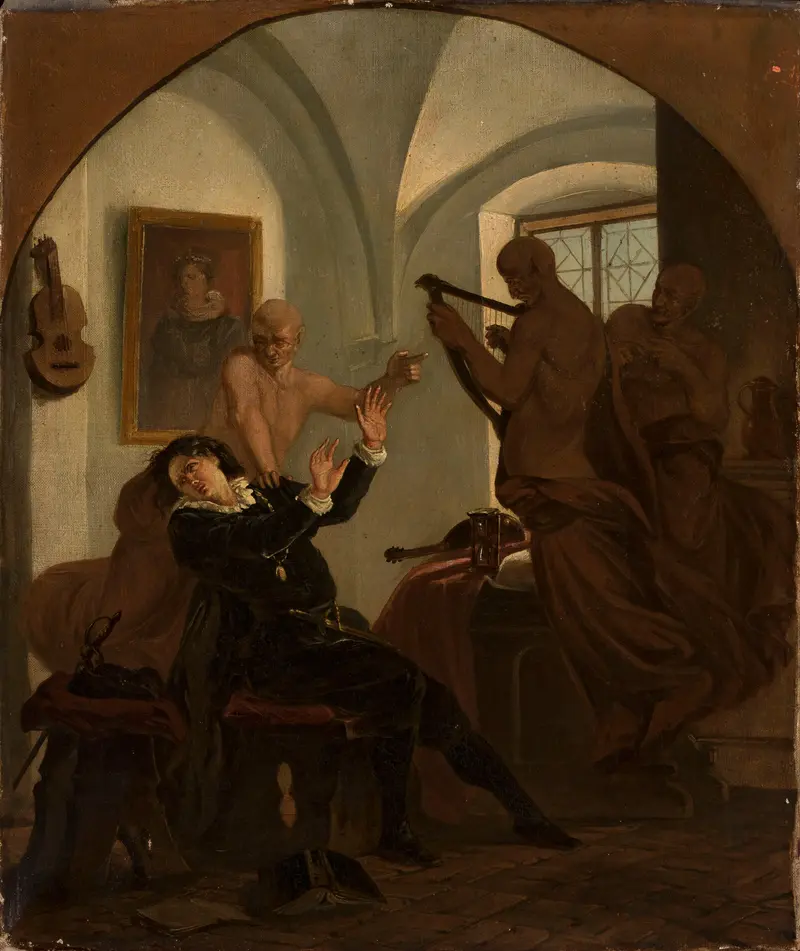
Bakfark, lutenist of Queen Bona
Ignacy Gierdziejewski
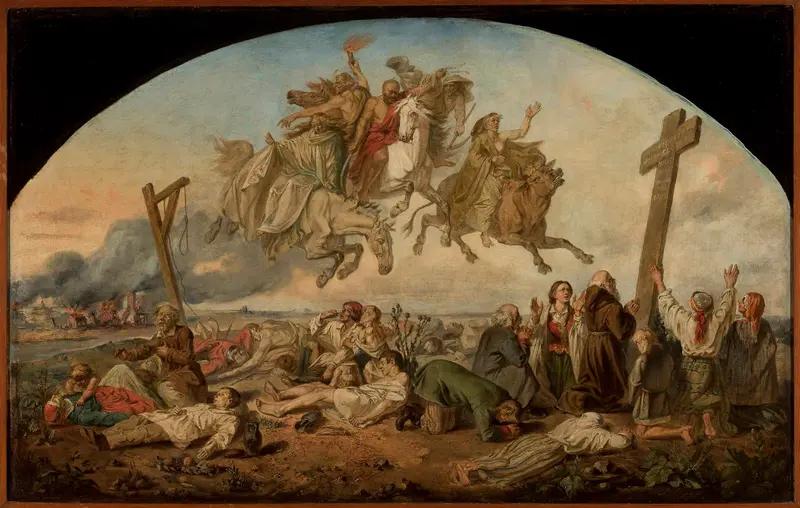
Lord deliver us from air, fire, war, famine and sudden death
Ignacy Gierdziejewski
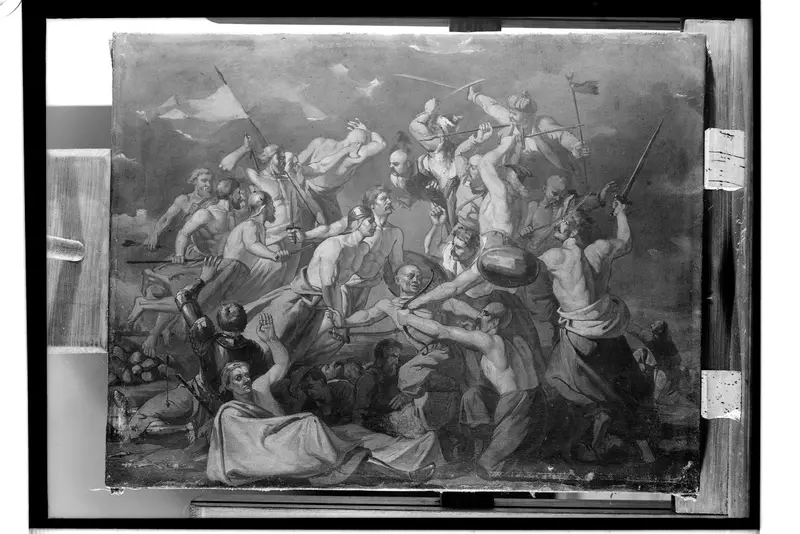
Night after the battle of Legnica
Ignacy Gierdziejewski
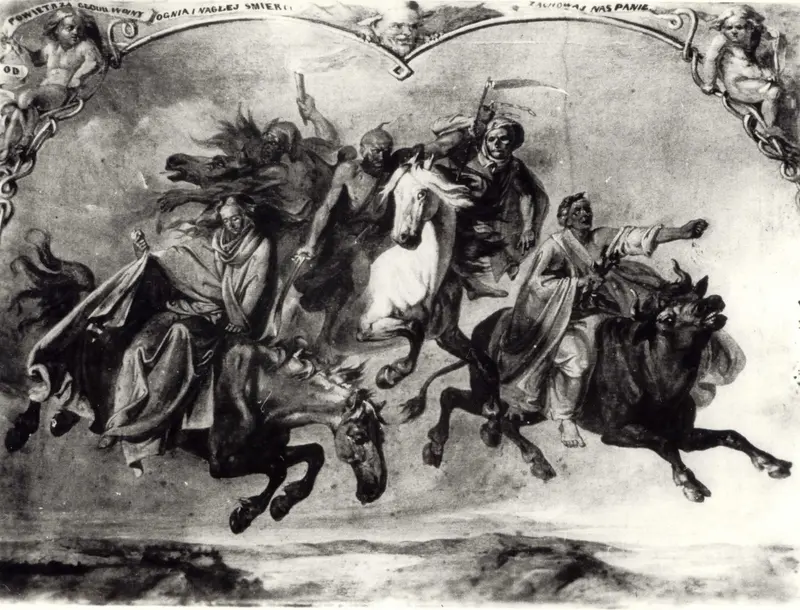
Apocalypse
Ignacy Gierdziejewski
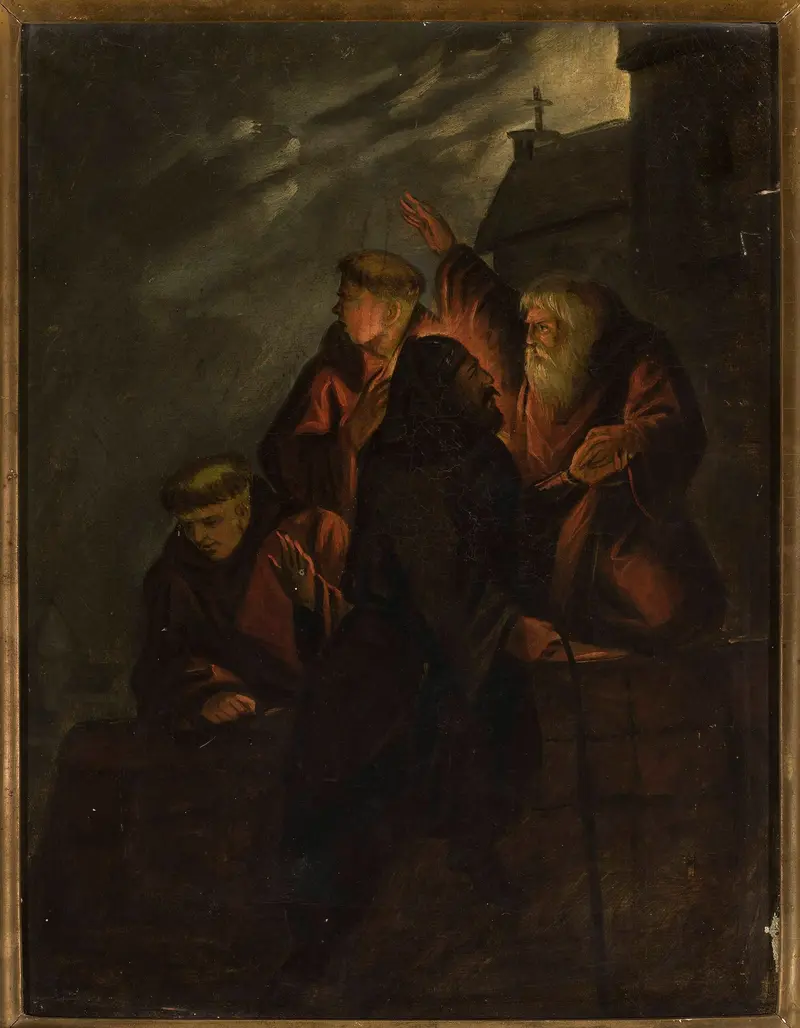
Priest Marek facilitates the escape of Władysław the Short
Ignacy Gierdziejewski
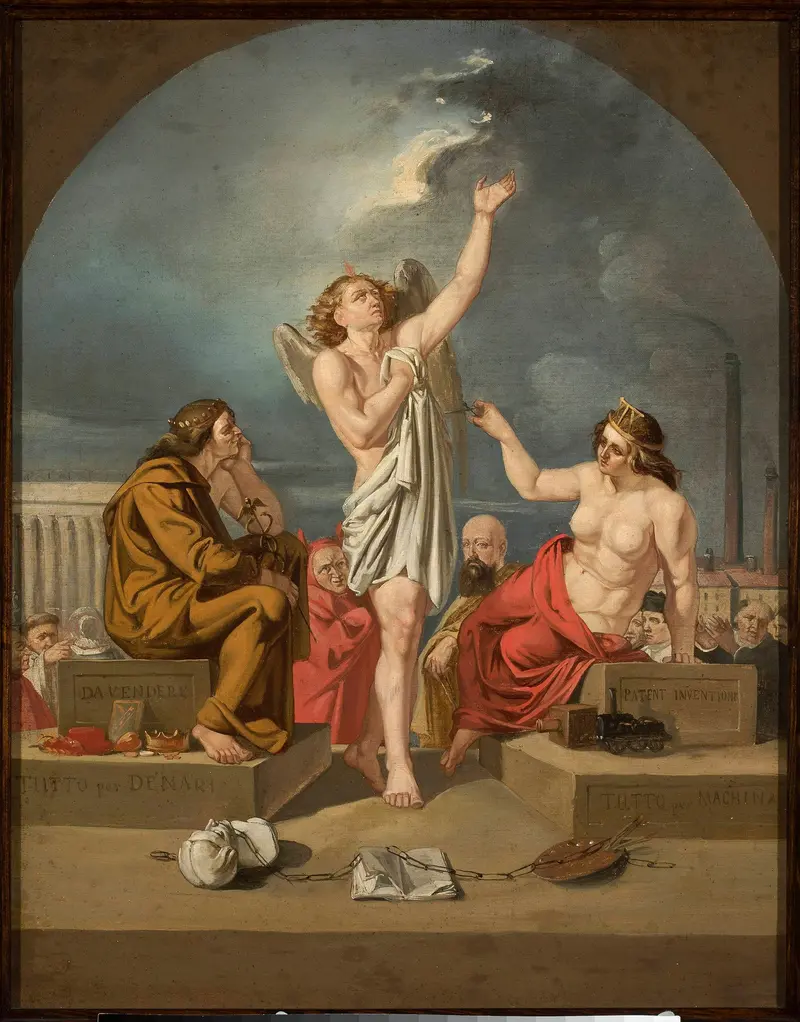
Symbolic scene – Tutto per Machina. Tutto per Denari
Ignacy Gierdziejewski
Pestilent air
Ignacy Gierdziejewski
Twardowski in Krzemionki near Kraków
Ignacy Gierdziejewski





