
Pestilent air — History & Facts
A figure erupts from the water with wild abandon, her arms thrown skyward, hair streaming like a banner in the wind. The drama of Pestilent air by Ignacy Gierdziejewski lies in this moment of violent encounter: a man, half-submerged, grasps desperately at the hem of her swirling garment as she rises above him, her face twisted in a rictus of triumph or terror. The sky blushes with the colors of dusk or dawn, but the mood is anything but peaceful—the landscape behind, marked by stark trees and a distant cross, hints at calamity.
Every line of the woman's body is taut with energy, her upward surge defying the man's earthbound struggle. The water churns around his limbs, echoing the chaos unleashed by their meeting. Painted in 1856, this work belongs to a world in which allegory and folklore often served as vehicles for exploring the invisible forces that haunted daily life—disease, fate, the supernatural. The title, Pestilent air, suggests a personification of plague or contagion, a theme that resonated deeply in a century marked by recurring epidemics and the slow, dawning understanding of their causes.
In the Poland of Gierdziejewski’s time, such images would have spoken both to fear and fascination, as the boundaries between myth and science blurred. Now housed in the National Museum in Warsaw, the painting stands as a testament to an era when artists gave form to the unseen dangers that shaped their world, inviting us to look again at the forces—real or imagined—that rise from the shadows.
More Artworks by Ignacy Gierdziejewski

Dante and Vergil
Ignacy Gierdziejewski
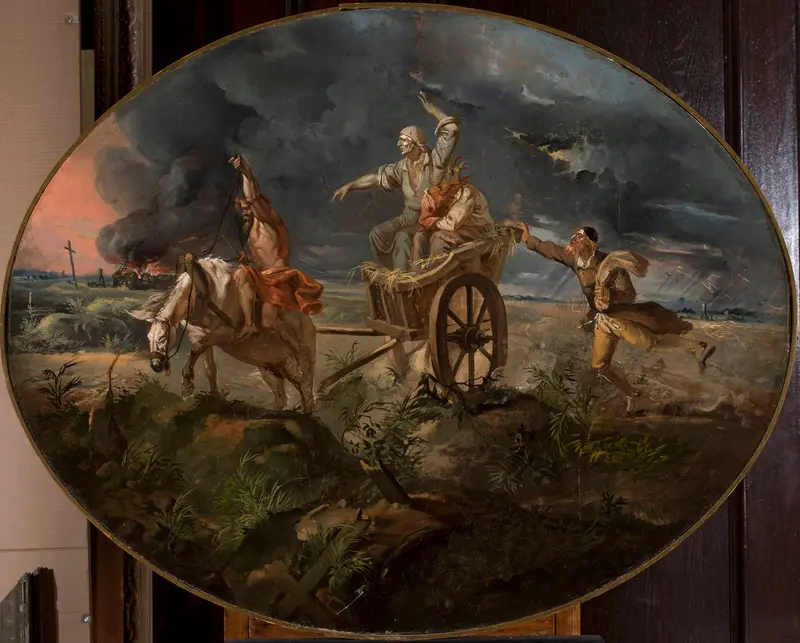
Symbolic scene – Poverty and misery come to see us
Ignacy Gierdziejewski
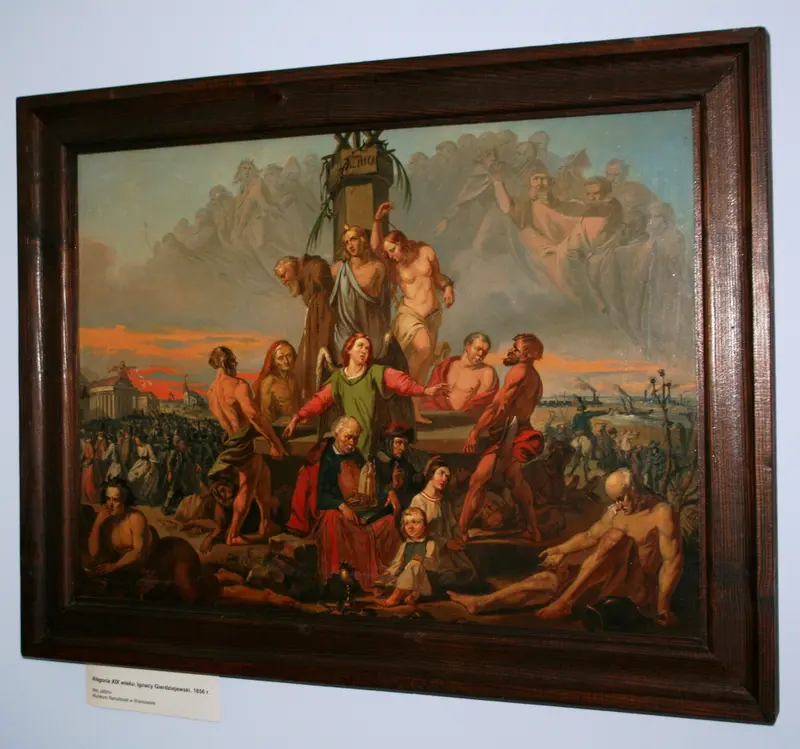
Allegory – The 19th Century
Ignacy Gierdziejewski
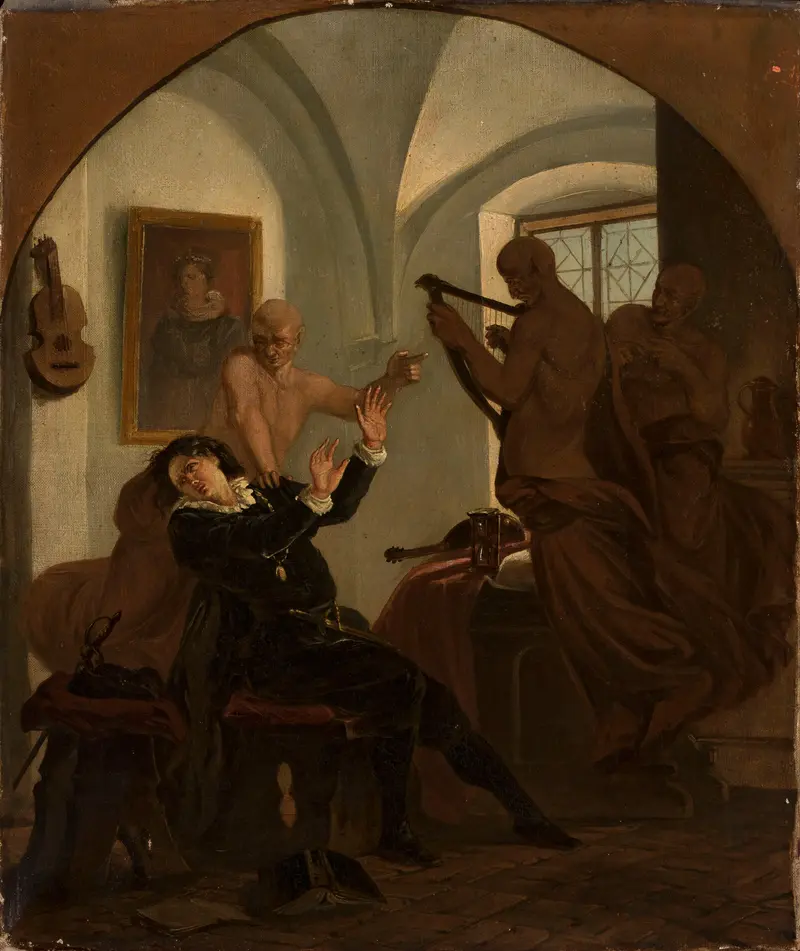
Bakfark, lutenist of Queen Bona
Ignacy Gierdziejewski
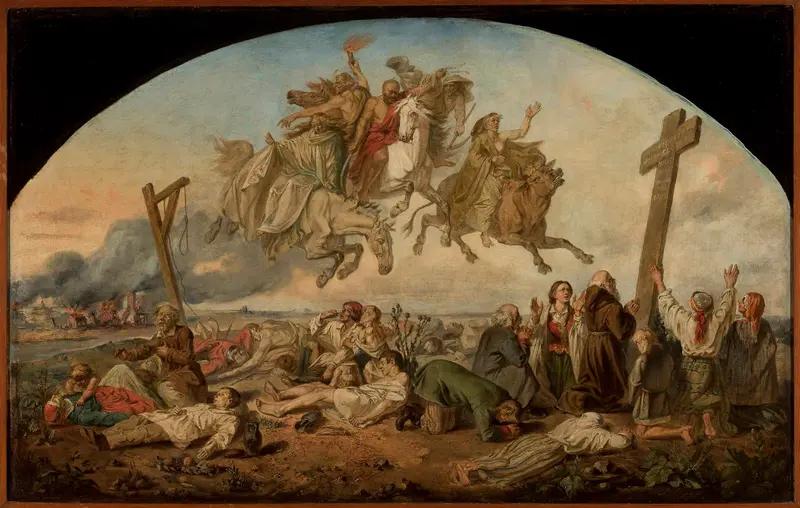
Lord deliver us from air, fire, war, famine and sudden death
Ignacy Gierdziejewski
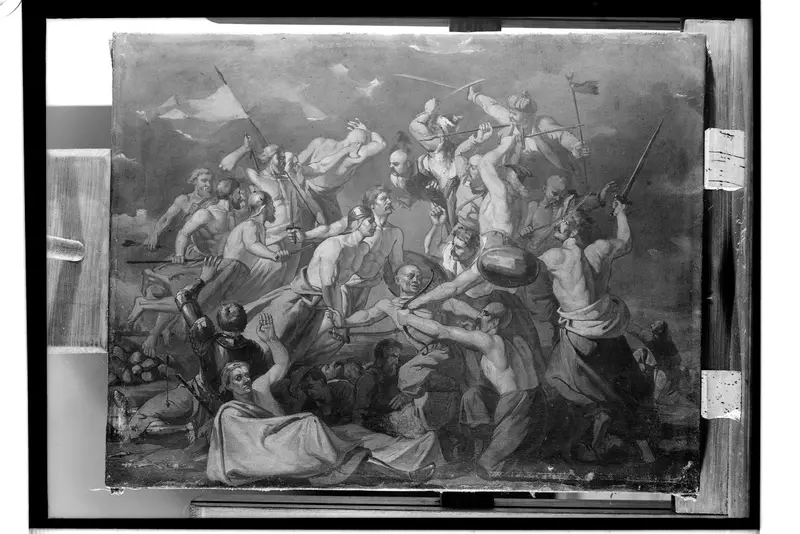
Night after the battle of Legnica
Ignacy Gierdziejewski
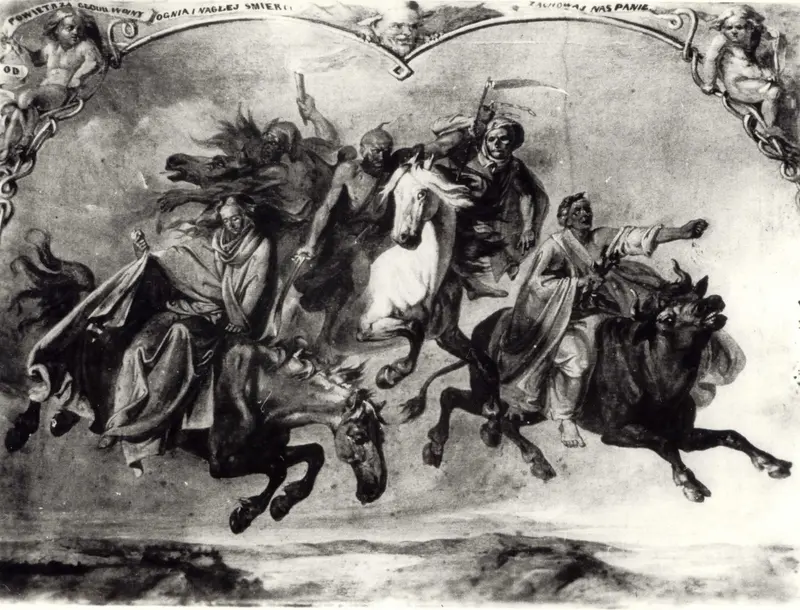
Apocalypse
Ignacy Gierdziejewski
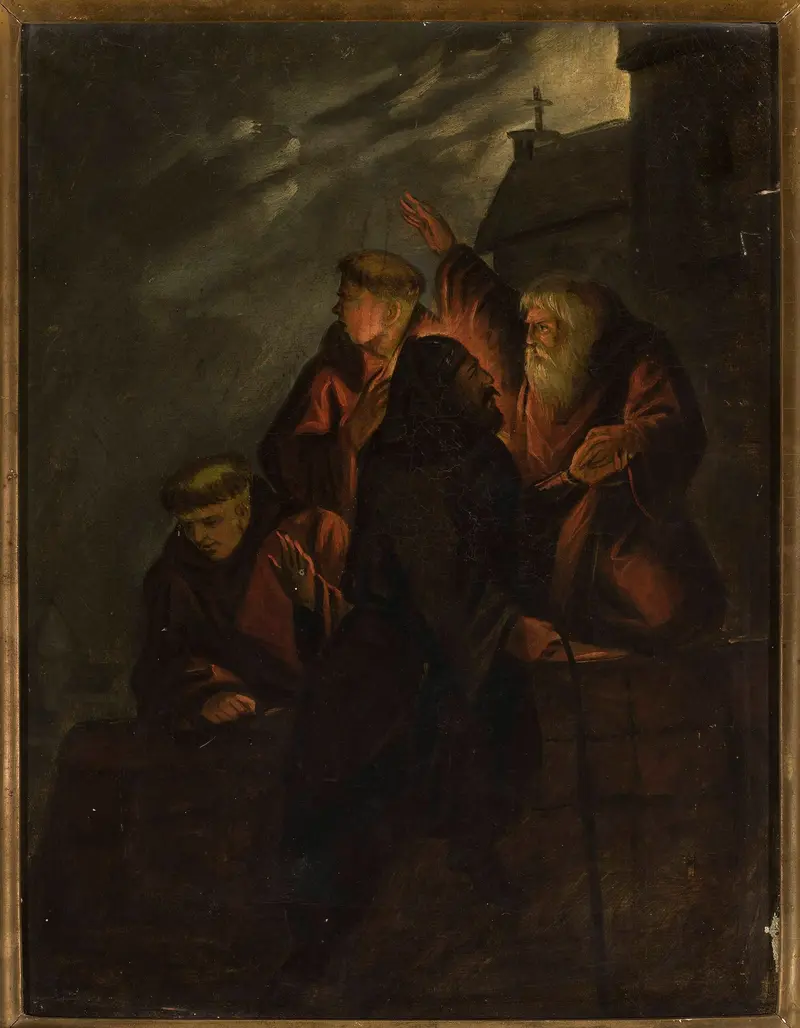
Priest Marek facilitates the escape of Władysław the Short
Ignacy Gierdziejewski
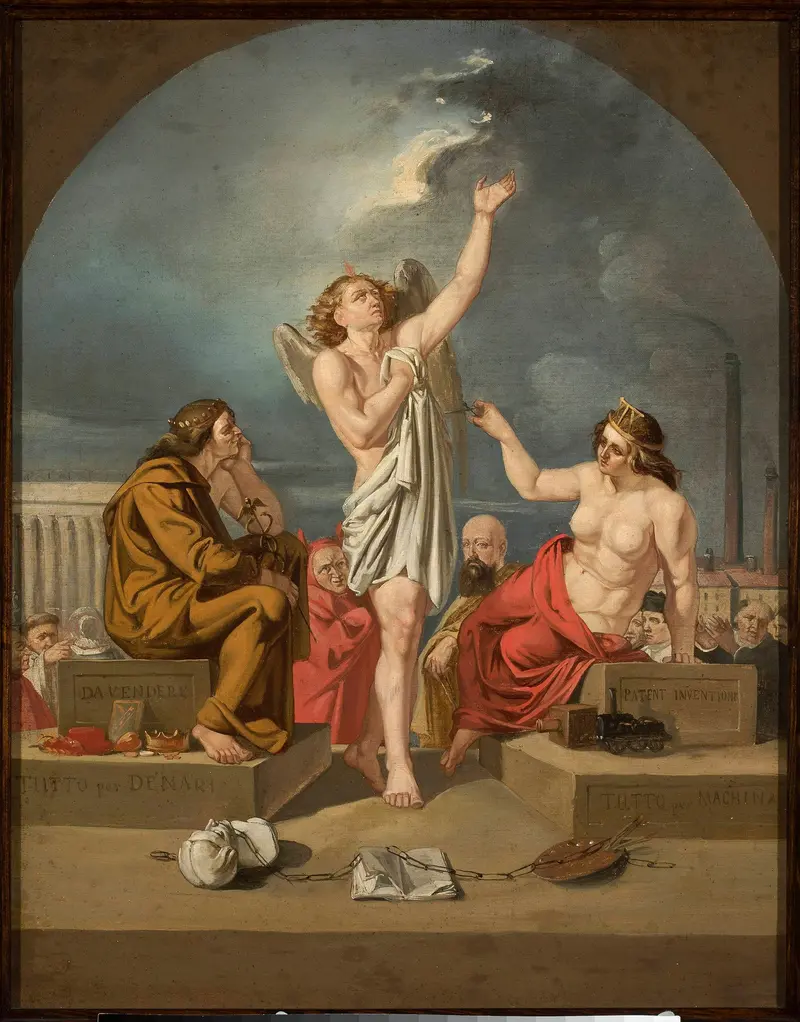
Symbolic scene – Tutto per Machina. Tutto per Denari
Ignacy Gierdziejewski
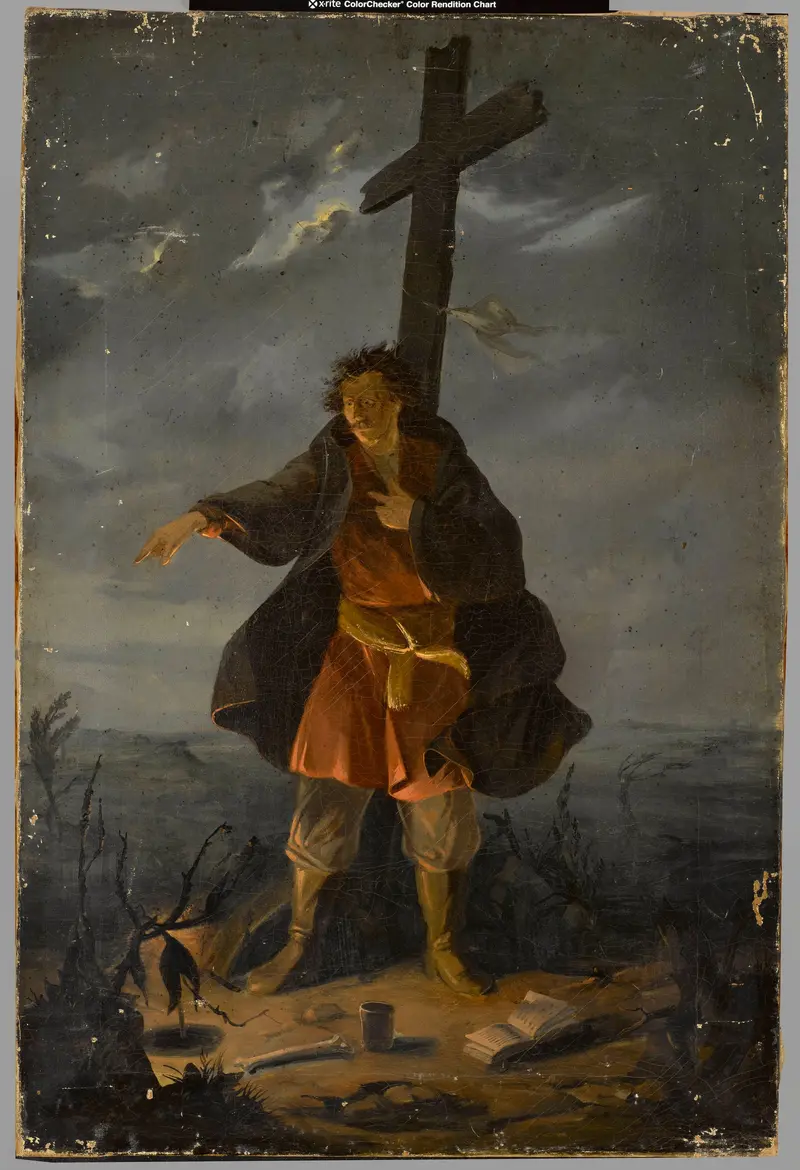
Twardowski in Krzemionki near Kraków
Ignacy Gierdziejewski





