
Lord deliver us from air, fire, war, famine and sudden death — History & Facts
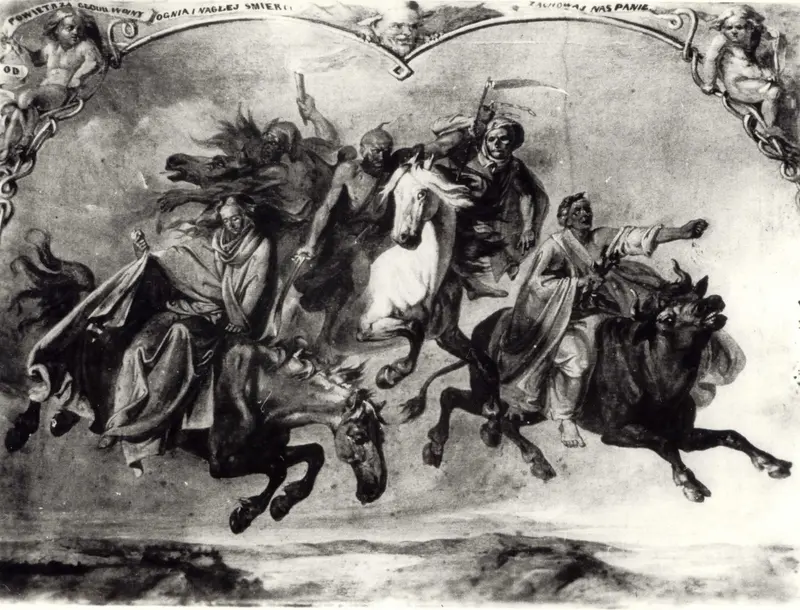
A rush of horses and spectral riders tears through the sky, while below, the earth is littered with bodies and supplicants. The eye is drawn first to the four horsemen, their wild movement frozen mid-charge, each figure distinct: one brandishes a flaming torch, another raises a skeletal hand. These are not merely allegories but living terrors, their arrival mirrored in the chaos below—smoke rising from burning villages, a gibbet standing as silent witness, and the desperate, tangled forms of the stricken.
On the right, a cluster of survivors clings to a towering cross, hands raised in prayer or pleading, their faces etched with fear and hope. The palette is raw and earthy, the light harsh and unyielding, driving home the sense of calamity and the fragile thread of faith. Painted in 1855 by Ignacy Gierdziejewski, this work belongs to a world in which disaster—whether by war, famine, or plague—was never far from daily life. The mid-nineteenth century saw artists across Europe grappling with themes of apocalypse and redemption, often for public commissions or private devotion, as communities sought meaning in suffering.
In Poland, such images resonated all the more during times of political upheaval and national trauma. Now held in the National Museum in Warsaw, Lord deliver us from air, fire, war, famine and sudden death stands as a testament to both the anxieties and the enduring faith of its era. The painting invites us to look again, to trace the line between terror and hope in every anguished gesture.
More Artworks by Ignacy Gierdziejewski

Dante and Vergil
Ignacy Gierdziejewski
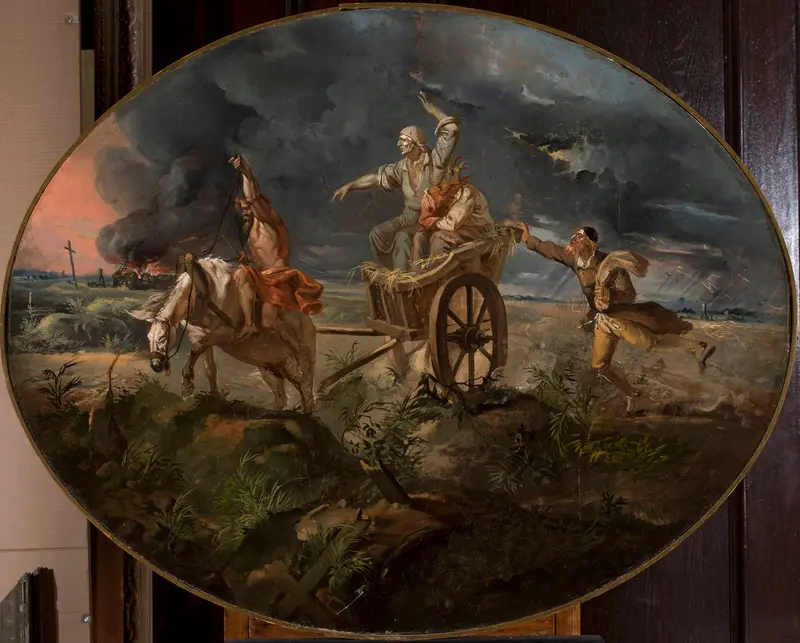
Symbolic scene – Poverty and misery come to see us
Ignacy Gierdziejewski
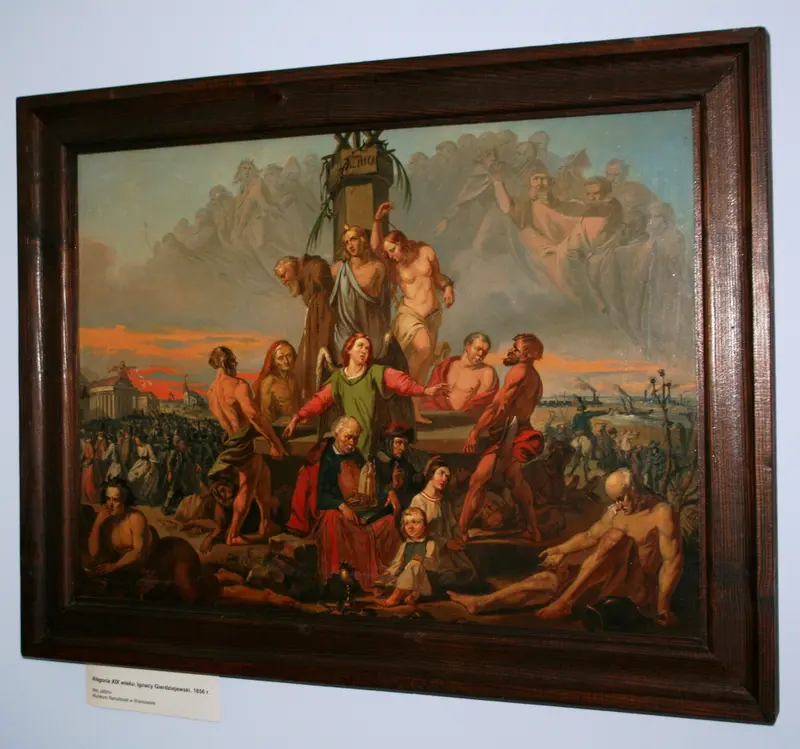
Allegory – The 19th Century
Ignacy Gierdziejewski
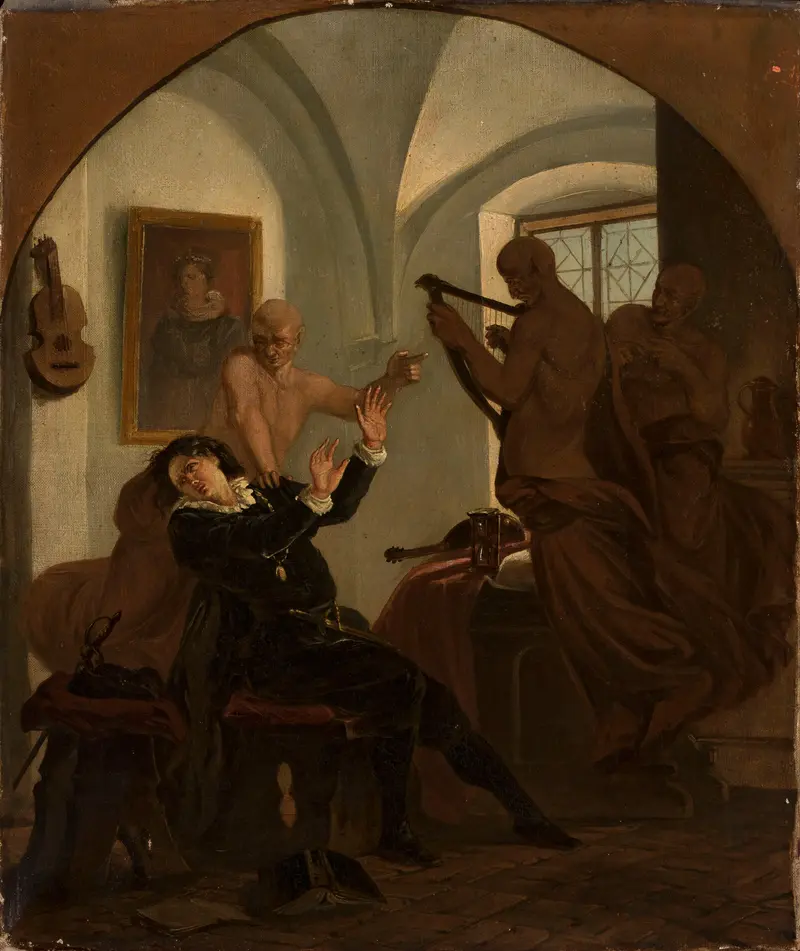
Bakfark, lutenist of Queen Bona
Ignacy Gierdziejewski
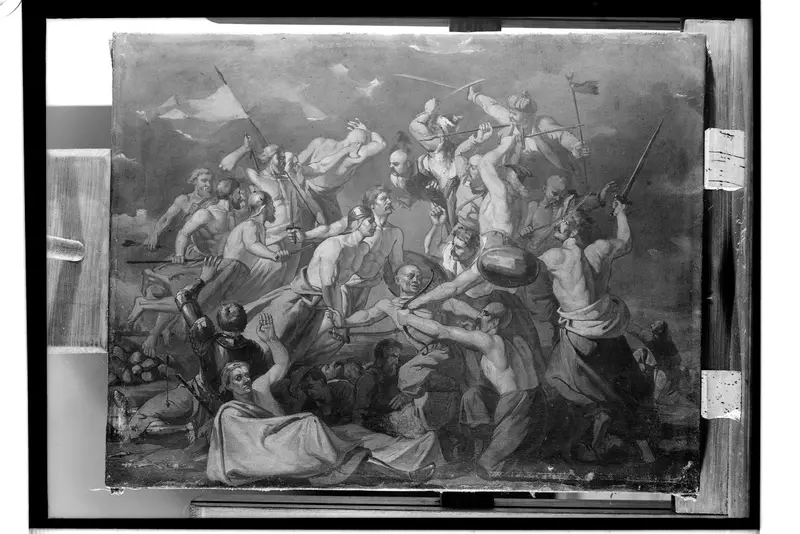
Night after the battle of Legnica
Ignacy Gierdziejewski
Apocalypse
Ignacy Gierdziejewski
Priest Marek facilitates the escape of Władysław the Short
Ignacy Gierdziejewski
Symbolic scene – Tutto per Machina. Tutto per Denari
Ignacy Gierdziejewski
Pestilent air
Ignacy Gierdziejewski
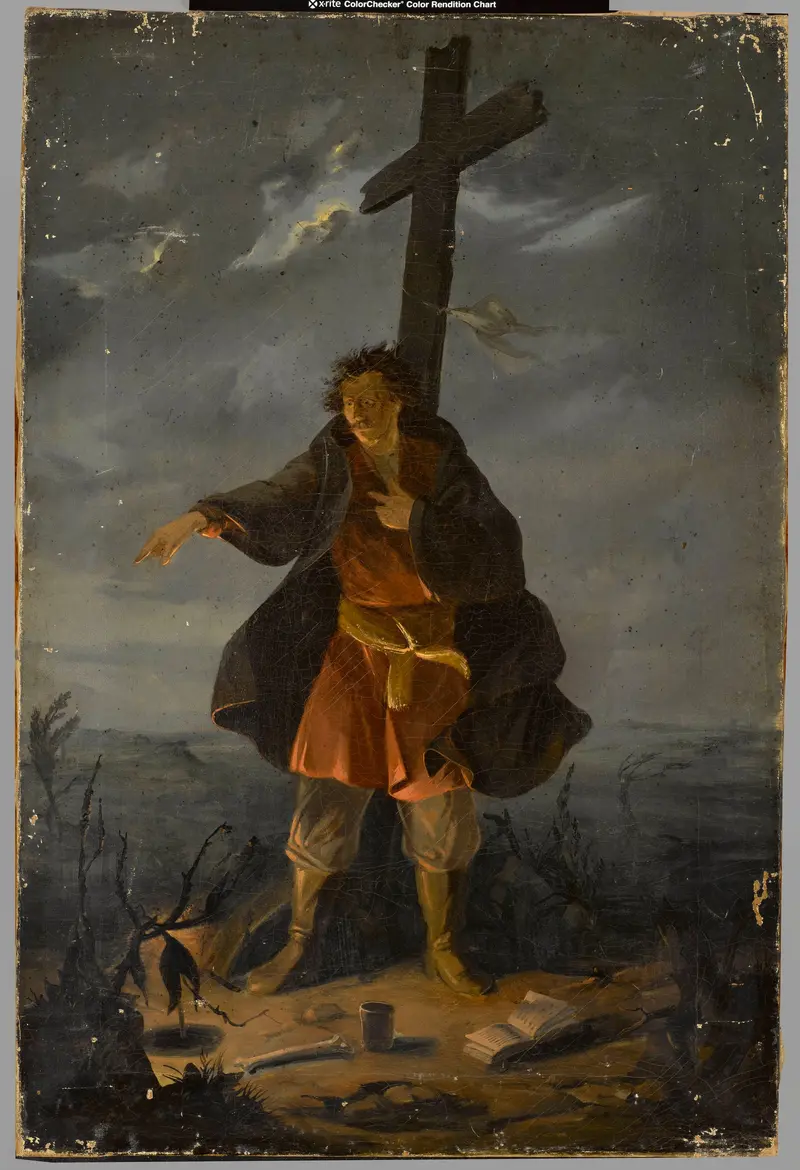
Twardowski in Krzemionki near Kraków
Ignacy Gierdziejewski





