
Night after the battle of Legnica — History & Facts
What first seizes the eye in Night after the battle of Legnica is the raw, almost sculptural tangle of bodies—half-naked, wounded, desperate—locked in a moment that is neither battle nor peace. The painter crowds the canvas with figures, each muscle and gesture straining toward survival or confrontation, as if the chaos of battle refuses to end even after the fighting has ceased. The light falls unevenly, picking out the gleam of a sword, the tension in a raised arm, the haunted stare of a man wrapped in a shroud at the lower edge.
Every detail—the clutching hands, the twisted torsos, the scattered weapons—serves to draw the viewer into the aftermath, where the line between victor and vanquished has dissolved into a restless, uneasy night. Created in 1859, this work by Ignacy Gierdziejewski stands within the tradition of nineteenth-century historical painting, when artists across Europe looked to the past for scenes of national trauma and heroism. Such paintings were often commissioned to stir memory or pride, their grand scale and crowded compositions meant to impress upon viewers the gravity of history. Though little is recorded about the journey of this particular canvas, its presence today in the National Museum in Warsaw roots it firmly in the Polish struggle to reckon with its own turbulent past.
In this way, the painting becomes not just an image of aftermath, but an invitation to linger over the cost of conflict, and to search each face for a trace of what endures.
More Artworks by Ignacy Gierdziejewski

Dante and Vergil
Ignacy Gierdziejewski
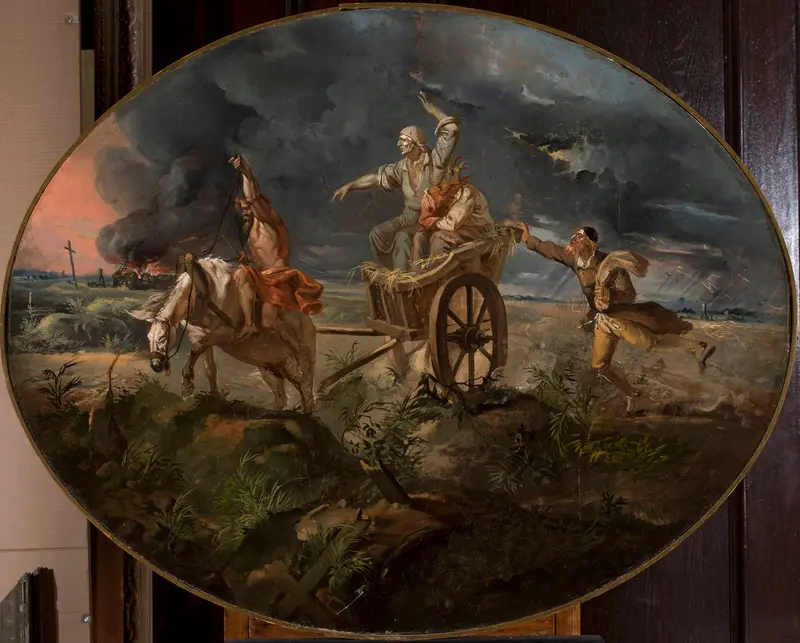
Symbolic scene – Poverty and misery come to see us
Ignacy Gierdziejewski
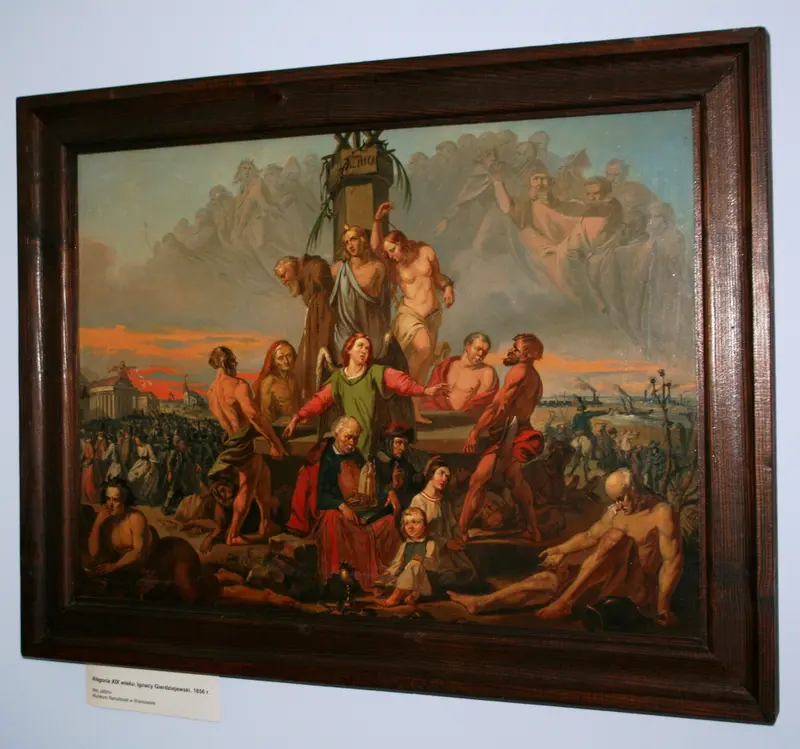
Allegory – The 19th Century
Ignacy Gierdziejewski
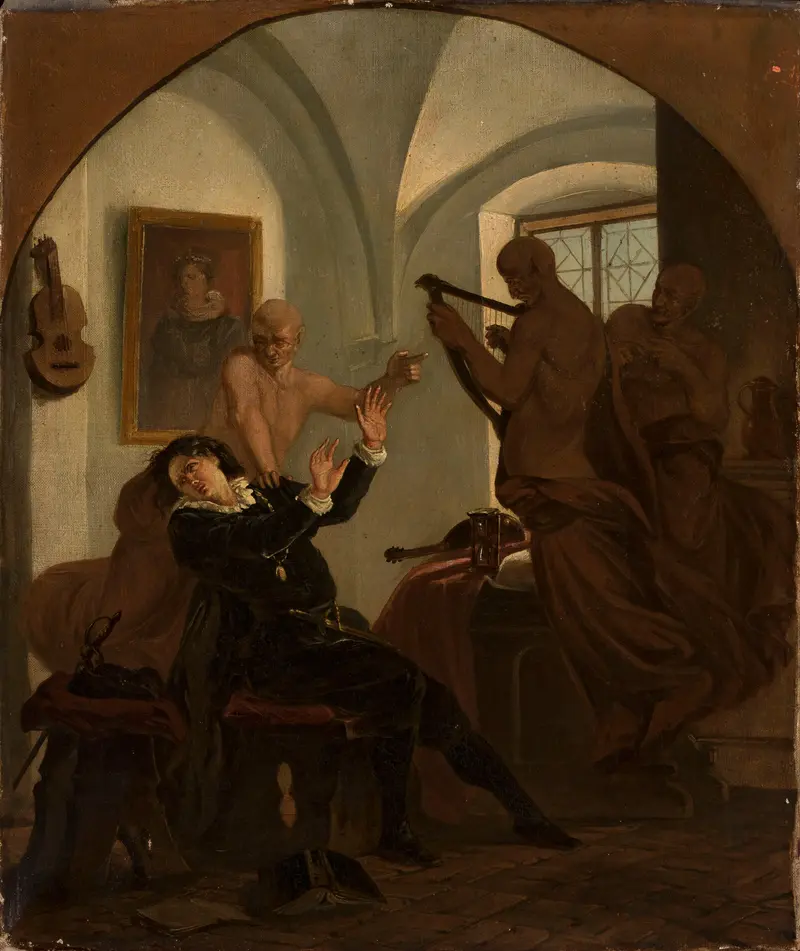
Bakfark, lutenist of Queen Bona
Ignacy Gierdziejewski
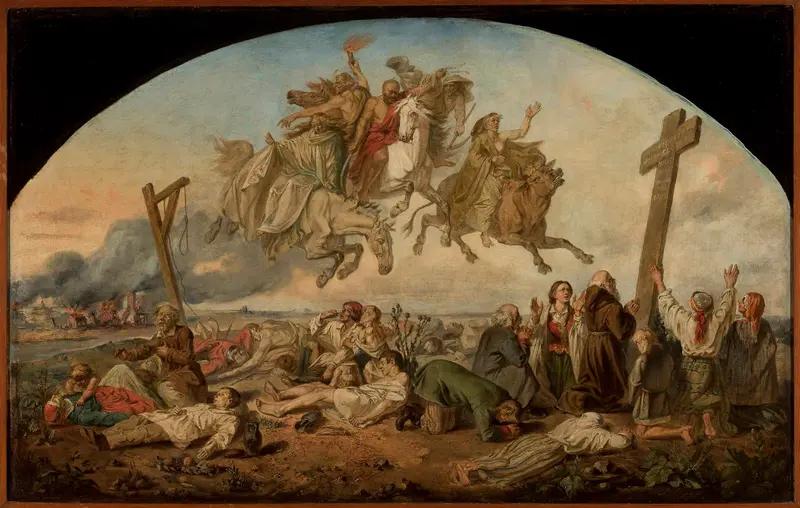
Lord deliver us from air, fire, war, famine and sudden death
Ignacy Gierdziejewski
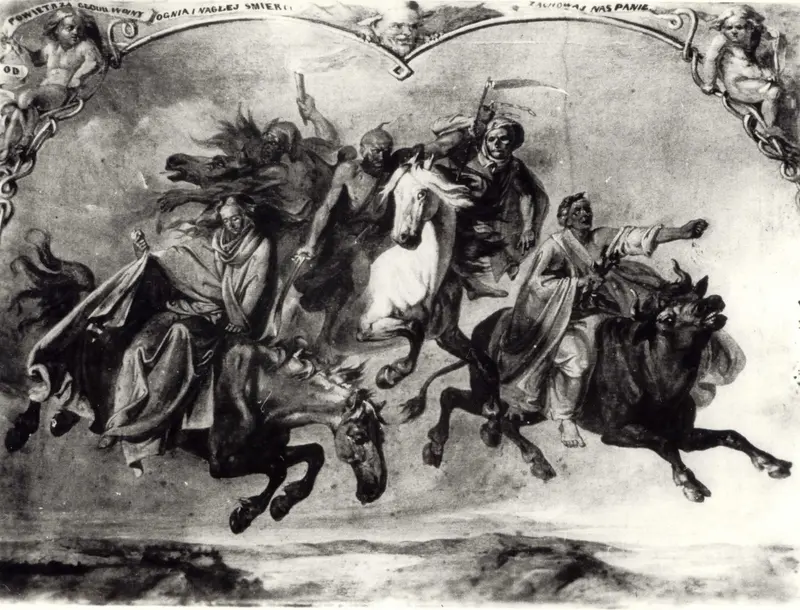
Apocalypse
Ignacy Gierdziejewski
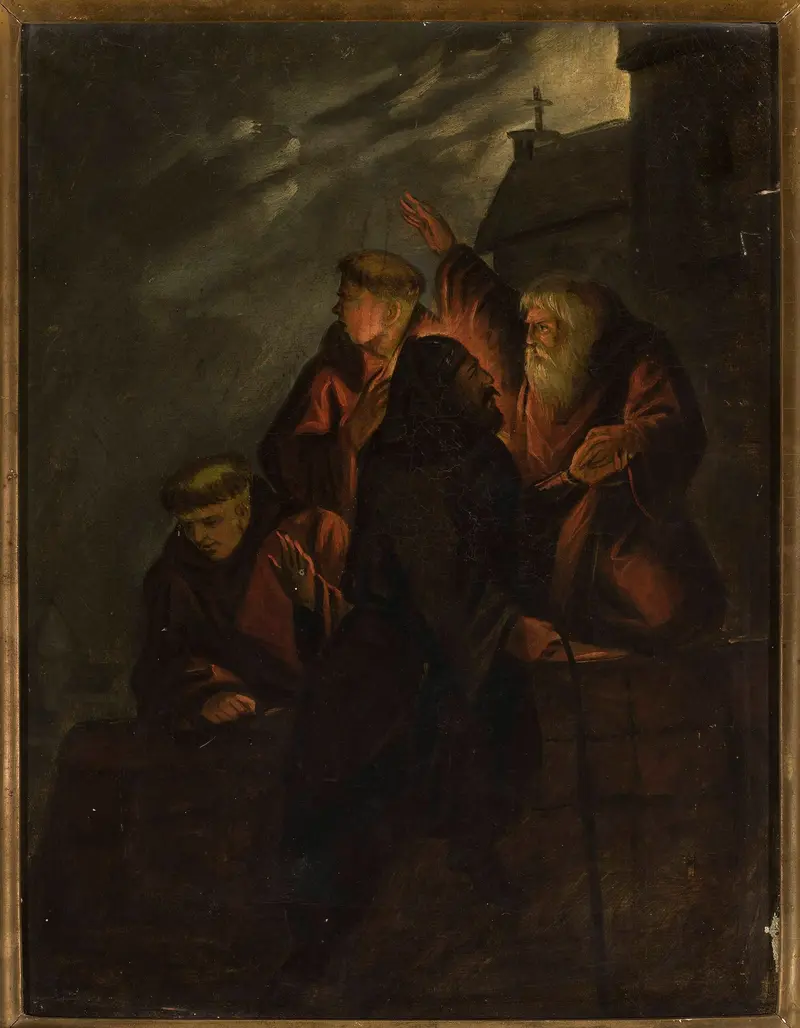
Priest Marek facilitates the escape of Władysław the Short
Ignacy Gierdziejewski
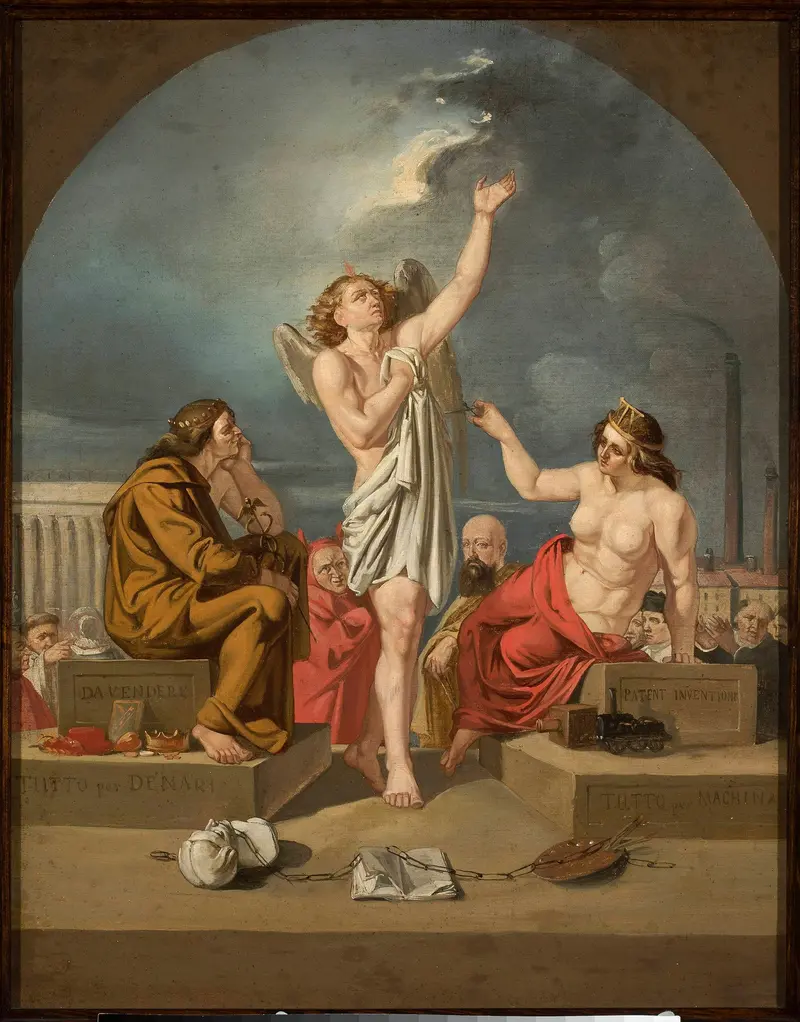
Symbolic scene – Tutto per Machina. Tutto per Denari
Ignacy Gierdziejewski
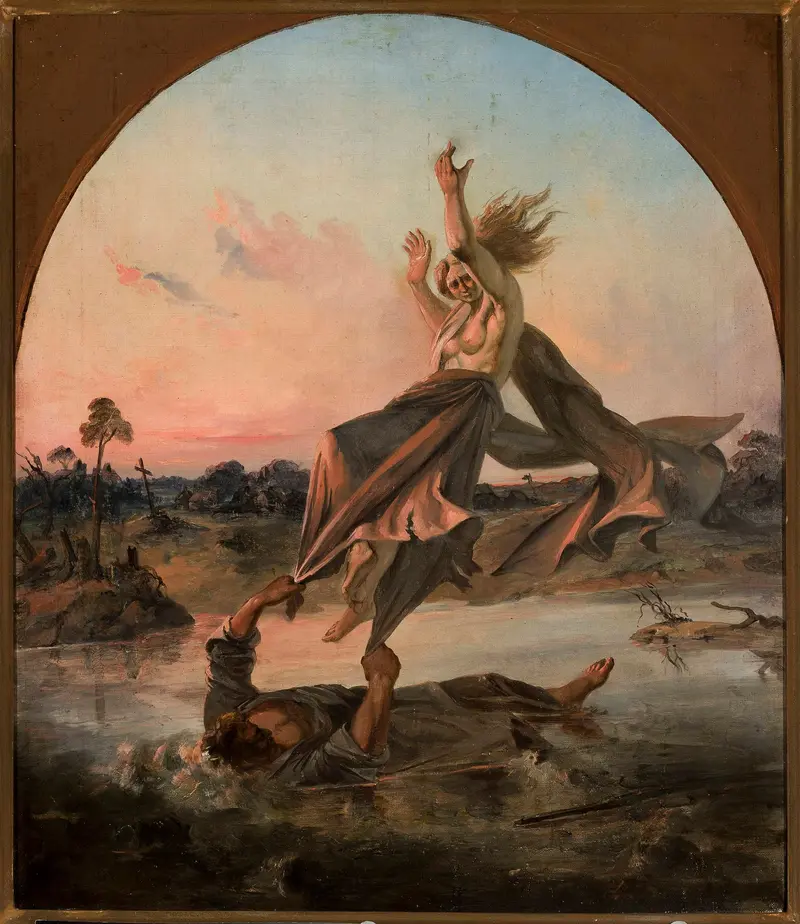
Pestilent air
Ignacy Gierdziejewski
Twardowski in Krzemionki near Kraków
Ignacy Gierdziejewski





