
Das Kleine Schloss in Nasice Slawonien — History & Facts
Can beauty exist without sorrow? In the delicate hues and intricate details of this artwork, one may find a haunting fragility that speaks to the heart's deepest yearnings. Look to the foreground, where gentle strokes reveal a quaint structure nestled amid lush greenery. Notice how the dappled sunlight filters through the leaves, casting playful shadows across the scene. The artist employs a soft color palette, blending earth tones with pastel tints, creating a dreamlike quality that invites the viewer to linger.
The layered texture of the paint adds depth, making the building almost breathe within its surroundings. Yet, beneath this enchanting veneer lie whispers of tension. The castle's sturdy façade contrasts with the ephemeral beauty of the blooming flowers that seem to wilt under the weight of time. These elements reflect a coexistence of strength and vulnerability, suggesting that even in beauty, there exists an inherent fragility.
The composition orchestrates a dialogue between permanence and transience, drawing us into a contemplation of what is inevitably lost. In this period of obscured dates, Franz Alt embraced a style that blurred the lines between reality and imagination. Likely painting in the late 19th century, he was influenced by a movement that celebrated nature's serene beauty while grappling with the changes brought by modernity. His works often captured landscapes that conveyed a sense of nostalgia, resonating with an audience that yearned for the simplicity and grace of a bygone era.
More Artworks by Franz Alt
Browse all →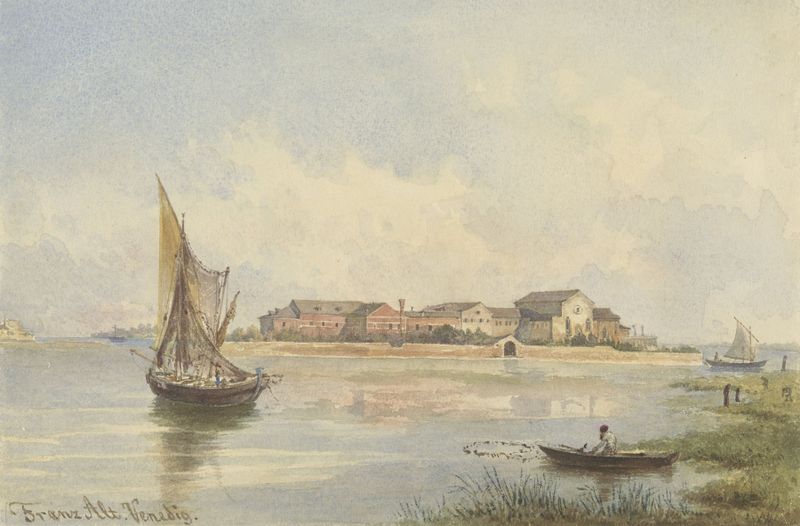
Gezicht op de Lagune te Venetië
Franz Alt
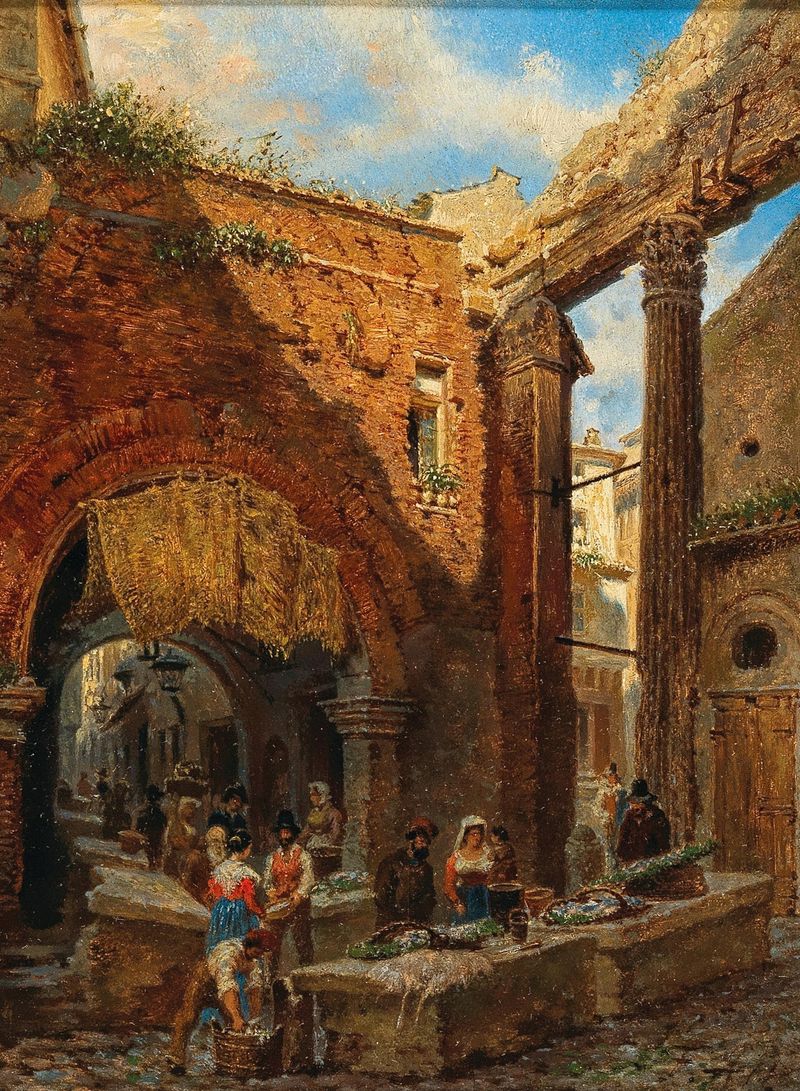
Rom Portico di Ottavia mit dem alten Fischmarkt
Franz Alt
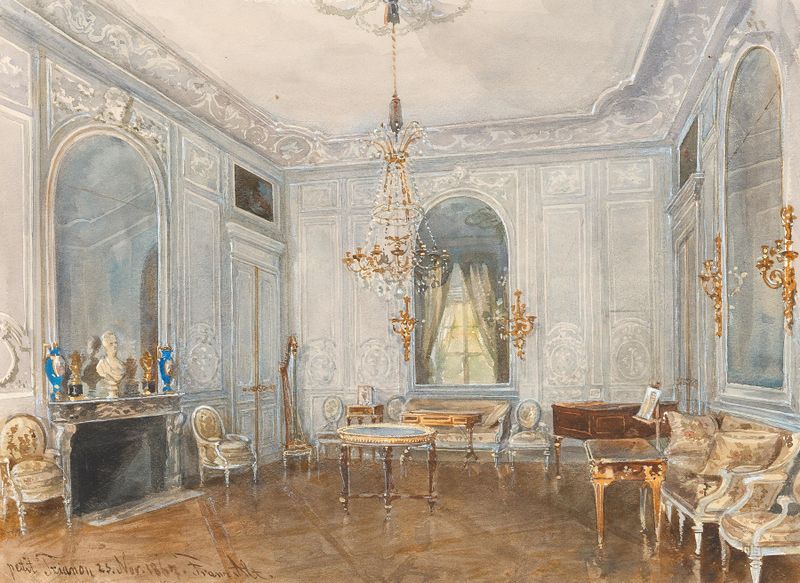
The dining room in the Petit Trianon, Versailles
Franz Alt

Blick in den Mailänder Dom
Franz Alt

Galerie d’Apollon in the Louvre, Paris
Franz Alt
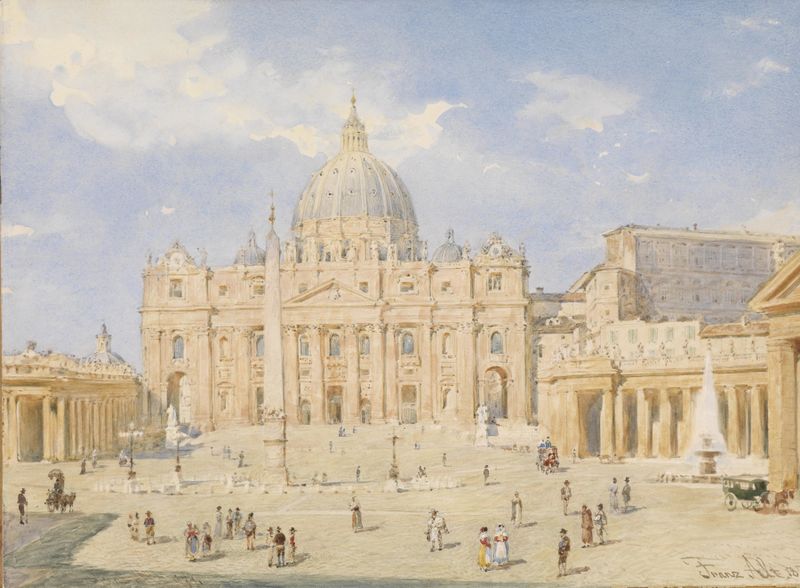
Petersplatz Rom
Franz Alt

Rome, a View of the Portico di Ottavia with the Old Fish Market
Franz Alt
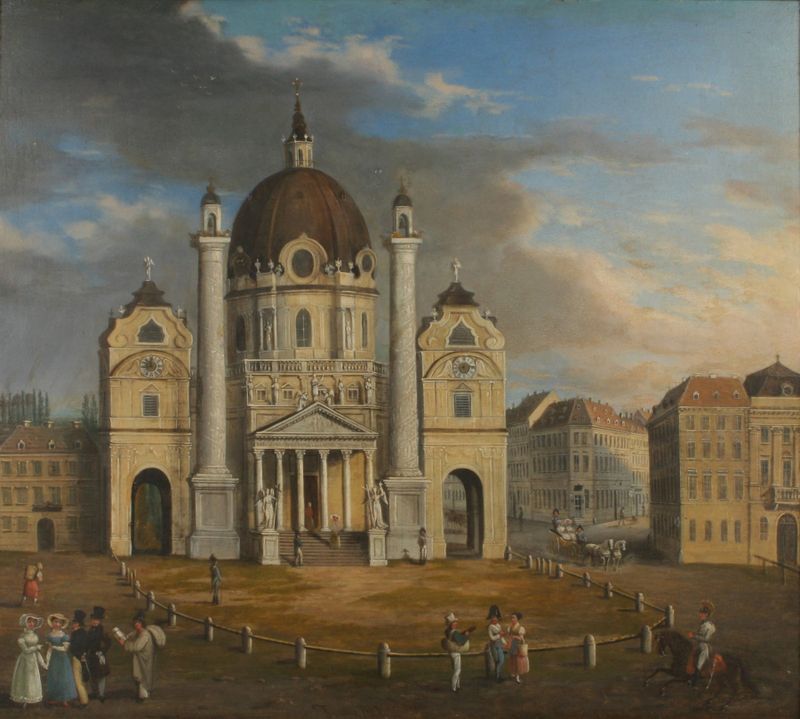
Blick auf die Karlskirche
Franz Alt

Dresden Stiege zur Brühlschen Terrasse
Franz Alt
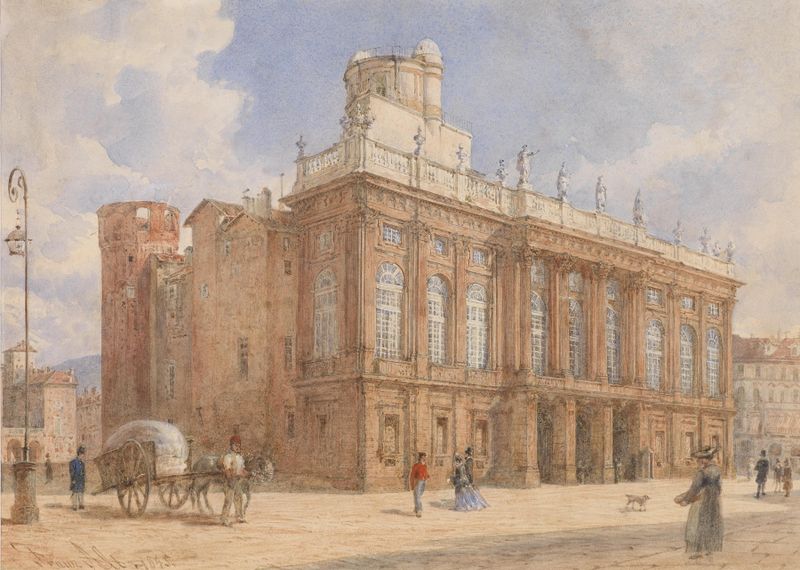
Castello Reale in Turin
Franz Alt





