
David ziet Batseba in zijn tuin baden — History & Facts
What if beauty was never meant to be finished? In a world where desire intertwines with danger, the moment of revelation becomes a haunting contemplation of fear. Look closely to the left at the figure of Bathsheba, poised in her bath, her skin glowing with warmth against the cool background of the garden. The delicate brushwork captures her elegant posture, while the surrounding foliage intricately frames her, drawing the eye with a lush palette of greens and earth tones. The tension within the composition is palpable, as the viewer's gaze is inexorably pulled toward her serene visage, yet we are acutely aware of the figure of David lurking in the shadows, watching intently. As the scene unfolds, it encapsulates the duality of beauty—both enchanting and perilous.
Bathsheba's expression hints at an awareness of the gaze upon her, revealing layers of vulnerability intertwined with power. The garden symbolizes both a paradise and a trap, a fertile ground for desire that harbors the insidious potential for betrayal. This juxtaposition invites reflection on the nature of longing, illuminating the fine line between admiration and obsession. Painted between 1529 and 1533, this work emerged during a period when Georg Pencz was deeply influenced by the Northern Renaissance’s exploration of human emotion and classical themes.
Living in Nuremberg, he was part of a vibrant artistic community that embraced a renewed focus on ancient narratives. The cultural and intellectual ferment of his time shaped his vision, culminating in this striking portrayal, which resonates with complexities of beauty and fear that remain timeless.
More Artworks by Georg Pencz
Browse all →
Parabel van de zaaier
Georg Pencz

Parabel van de arbeiders in de wijngaard
Georg Pencz
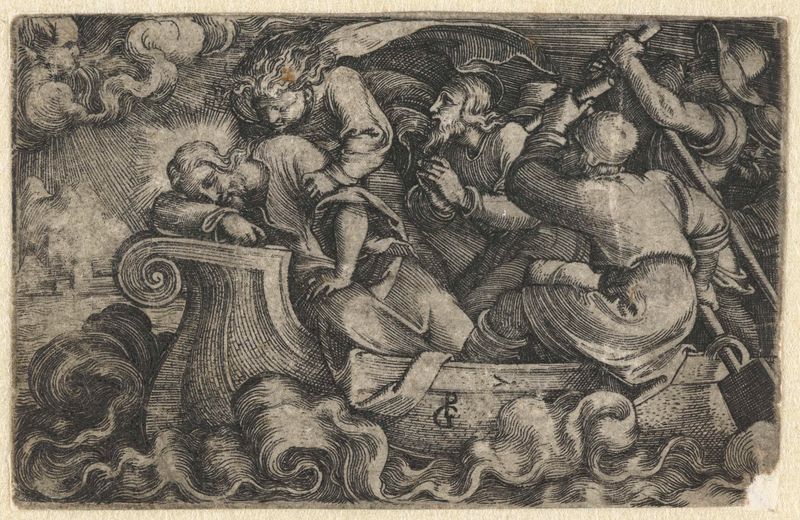
Discipelen wekken slapende Christus tijdens storm op Meer van Galilea
Georg Pencz

Afgunst (Invidia)
Georg Pencz
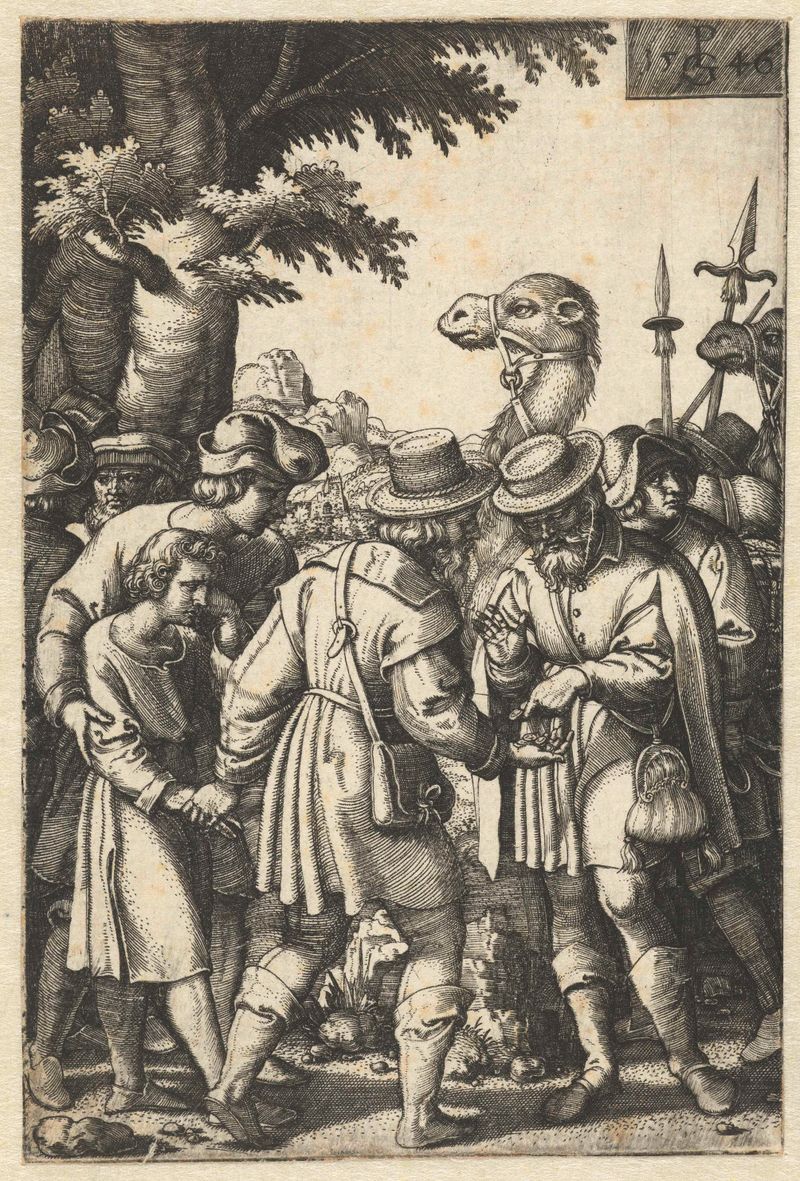
Jozef wordt verkocht aan kooplieden op weg naar Egypte
Georg Pencz

Aanbidding der koningen
Georg Pencz
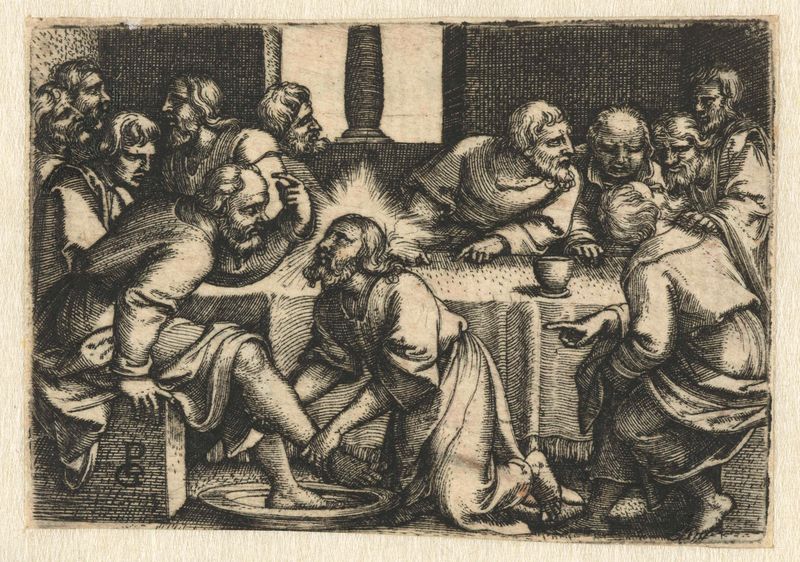
Petrus protesteert als Christus zijn voeten wast
Georg Pencz
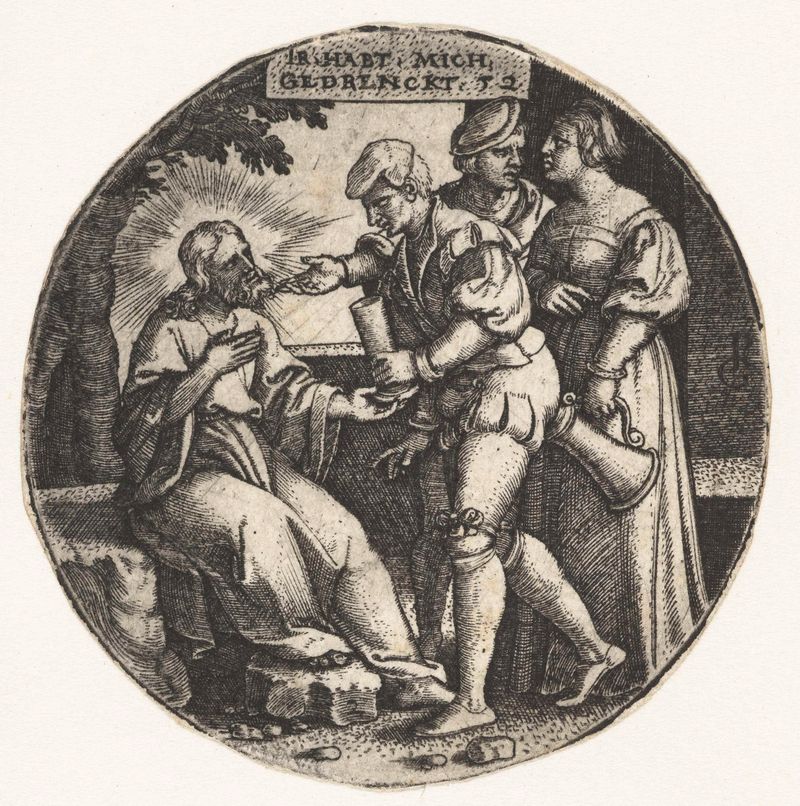
Christus heeft dorst en krijgt drinken aangeboden
Georg Pencz
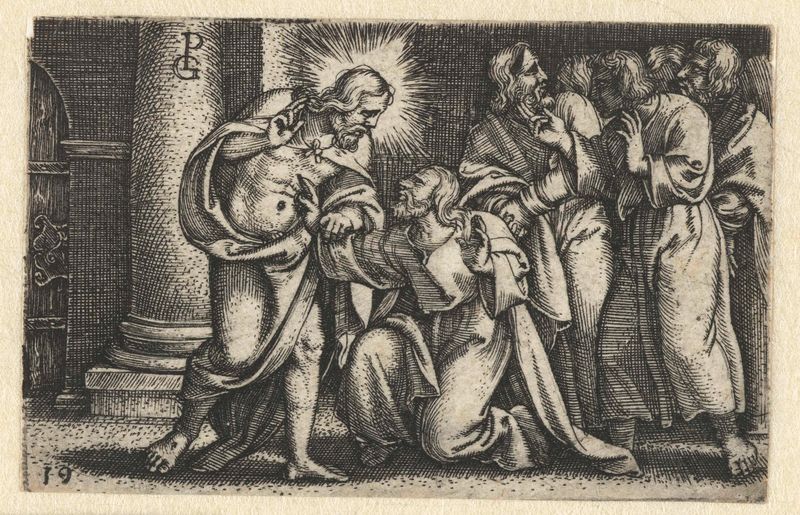
Ongelovige Thomas raakt wonden Christus aan
Georg Pencz

Offer van Abraham van Isaak
Georg Pencz





