
Dawn in Luton Park — History & Facts
Could a single brushstroke hold eternity? In Dawn in Luton Park, the vibrant hues and delicate transitions invite us to ponder the profound connection between color and the passage of time. Look to the left, where soft pinks and gentle oranges flirt with the cool grays of early morning, creating a symphony of dawn’s first light. The eye is drawn to the delicate silhouettes of trees, their forms almost dissolving into the mist, while the serene water reflects this burgeoning day. Notice how the artist employs fluid brushwork, allowing colors to merge and build a tranquil atmosphere that draws the viewer into a moment of serene awakening. Yet beneath this beauty lies a profound tension: the interplay of light and shadow evokes both promise and the ephemeral nature of life.
The emerging sun symbolizes hope, while the encroaching shadows hint at the inevitable passage of time. The graceful curves of the landscape invite contemplation, balancing the fleeting quality of dawn with the enduring presence of nature—an eternal cycle captured in transient moments. During the years 1763 to 1765, the artist painted this piece while deeply immersed in the burgeoning landscape tradition in Britain. Paul Sandby, often regarded as the father of English landscape painting, was exploring the relationship between light and nature at a time when Romanticism was on the horizon, influencing how art reflected both the external world and internal emotions.
More Artworks by Paul Sandby
Browse all →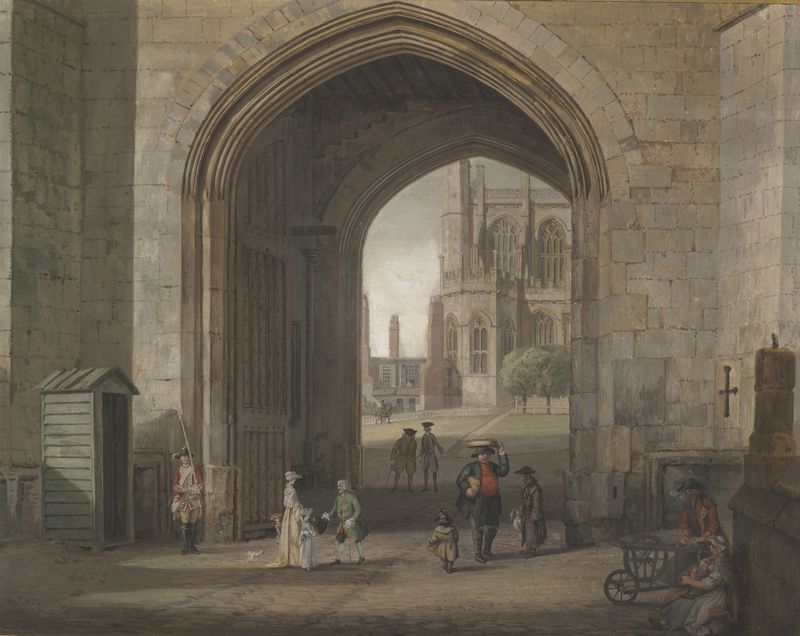
The Tower Gate at Windsor Castle
Paul Sandby

A Distant View of Maidstone, from Lower Bell Inn, Boxley Hill
Paul Sandby
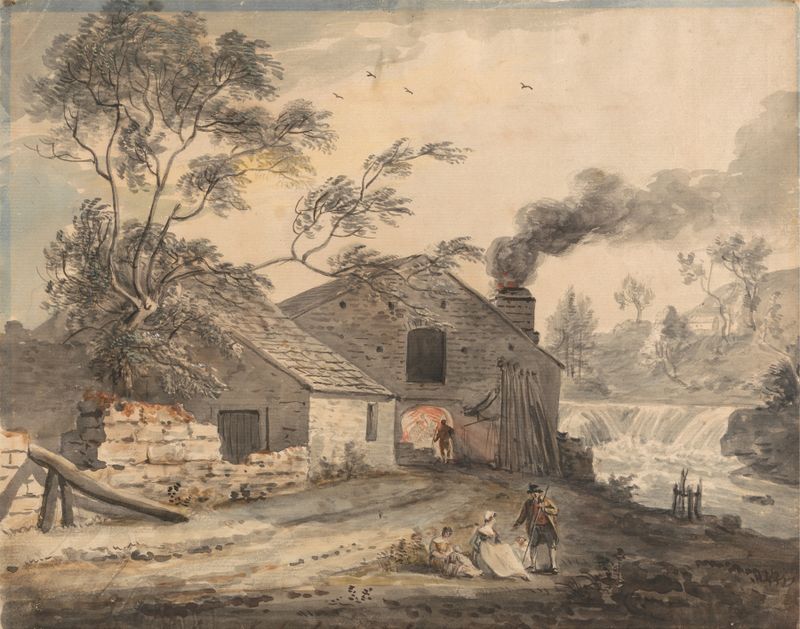
Iron Forge on the River Kent, Westmorland
Paul Sandby
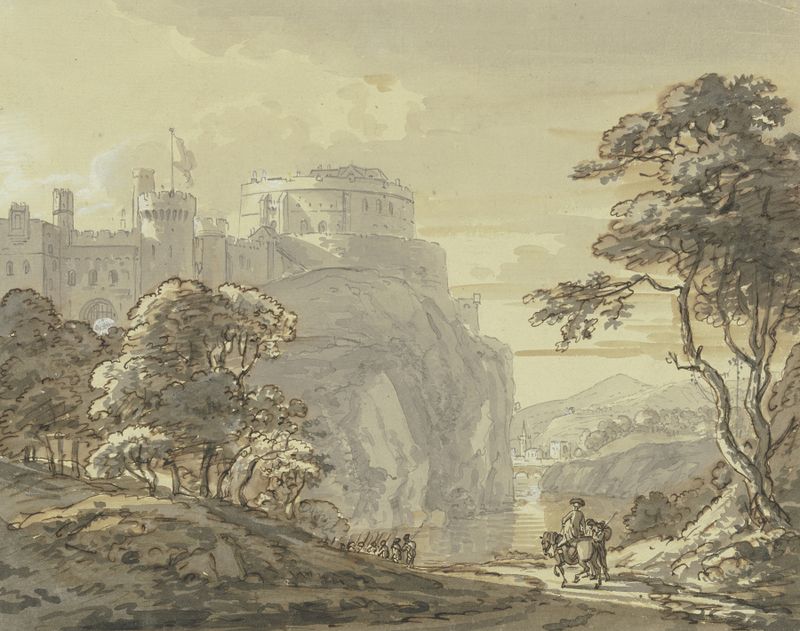
View of Windsor Castle
Paul Sandby

Hackwood Park, Hampshire
Paul Sandby

Roslin Castle, Midlothian
Paul Sandby
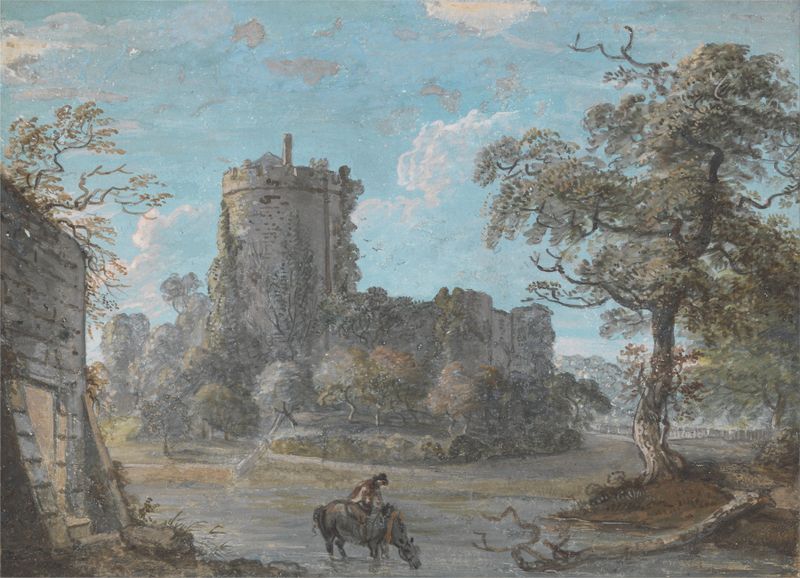
The Entrance to Chepstow Castle
Paul Sandby
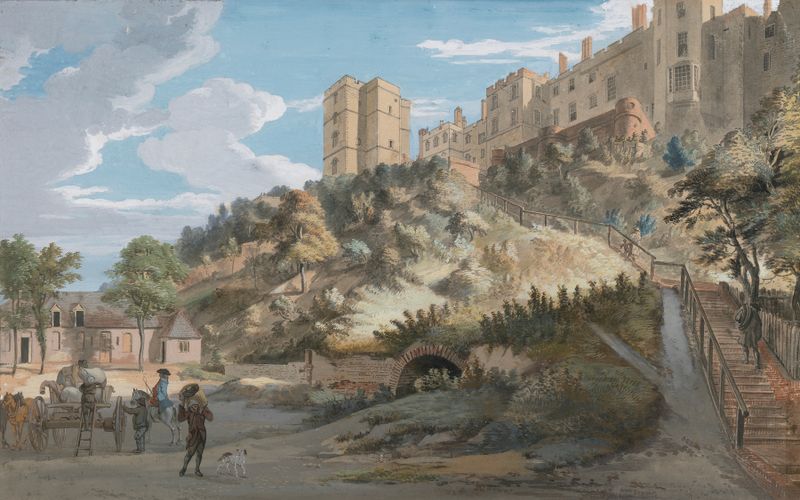
The Hundred Steps and Winchester Tower, Windsor Castle, Berkshire
Paul Sandby

Brook End, Essex
Paul Sandby
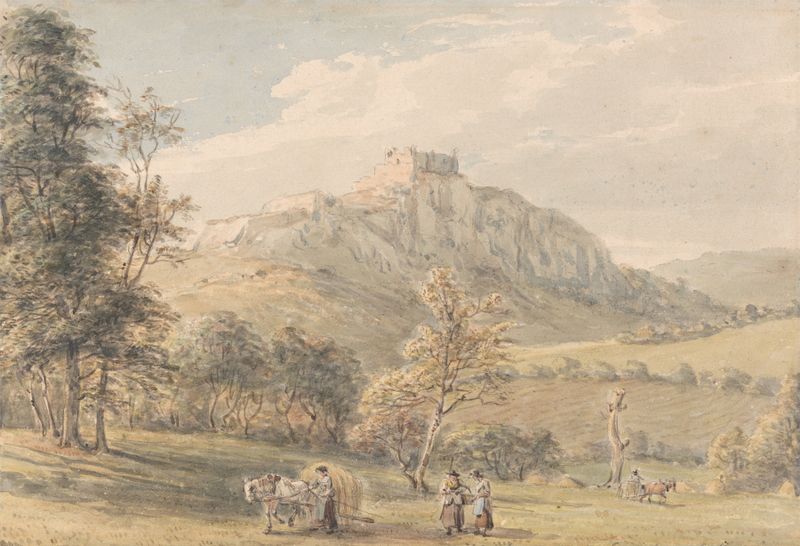
Carreg Cennen Castle
Paul Sandby





