
De afdaling in het voorgeborchte — History & Facts
Could beauty survive in a century of chaos? Dürer’s De afdaling in het voorgeborchte invites us to explore this profound question through its intricate layers of meaning and form. Look closely at the left side of the composition where the winding staircase spirals downward, drawing the eye into the depths of the scene. Notice how the chiaroscuro technique illuminates the figures, casting dramatic shadows that convey both movement and stillness. Each detail, from the ornate railing to the expressions of the figures, reveals Dürer’s masterful ability to blend realism with deep allegory, creating an atmosphere rich in tension and emotion. As you traverse the artwork, consider the contrasts between light and dark, hope and despair.
The staircase symbolizes the descent into knowledge and perhaps suffering, while the figures, both celestial and earthly, evoke the eternal struggle between the divine and human experience. Each element whispers of time's relentless march and the weight of history, hinting at both the fragility and resilience of beauty amid turmoil. In 1512, Dürer painted this work in Nuremberg, at a time when Europe was experiencing profound social and religious upheaval. The artist was deeply engaged in the intellectual currents of the Renaissance, having returned from Italy, and his works reflected a synthesis of these ideas.
This period was marked by the emergence of modernity, and De afdaling in het voorgeborchte serves as a contemplation of the human condition during a transformative era, encapsulating the tension between chaos and the pursuit of beauty.
More Artworks by Albrecht Dürer
Browse all →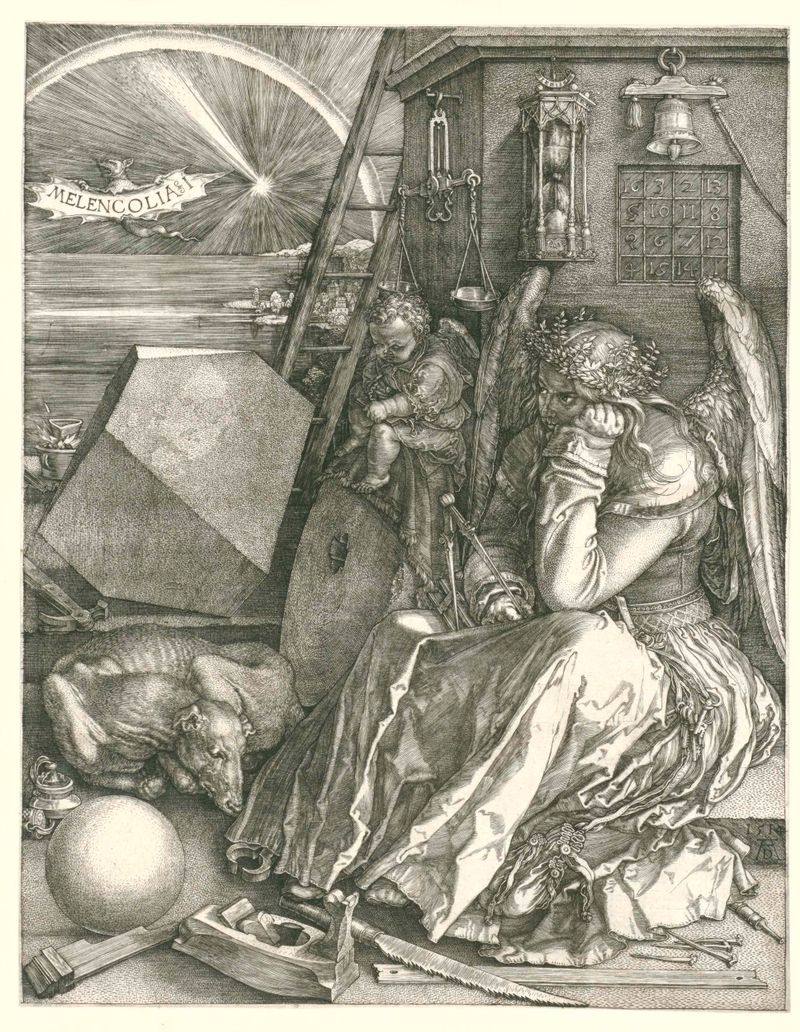
Melancholia
Albrecht Dürer
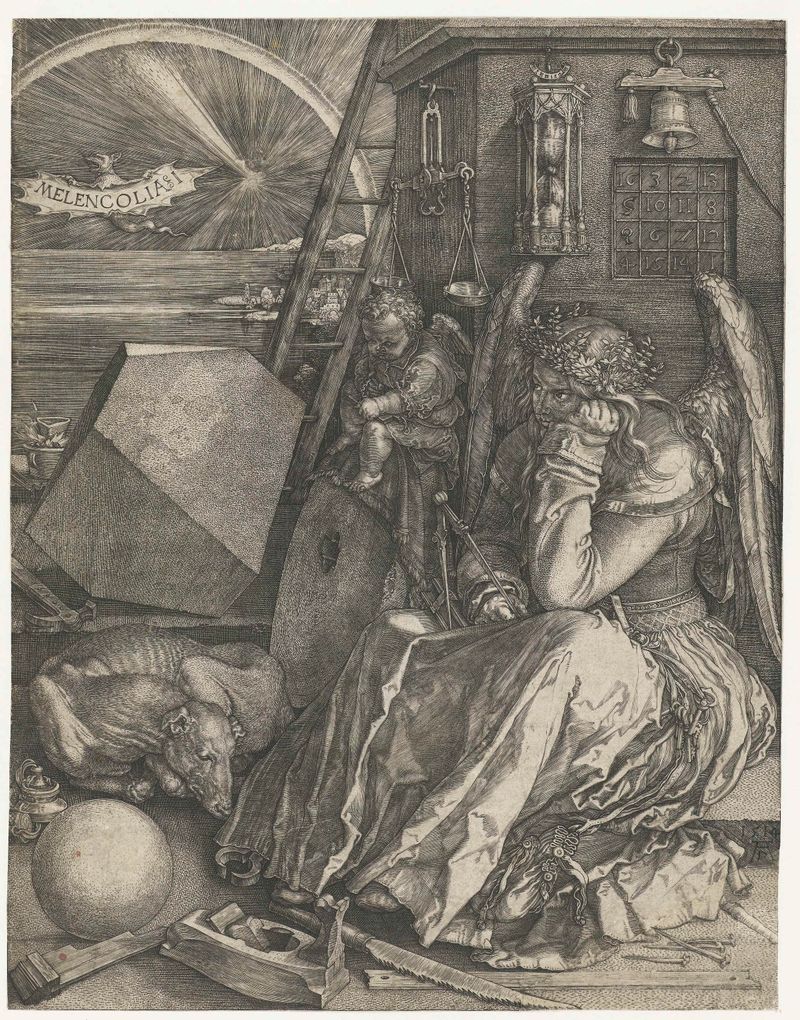
Melancholie
Albrecht Dürer

Neushoorn
Albrecht Dürer
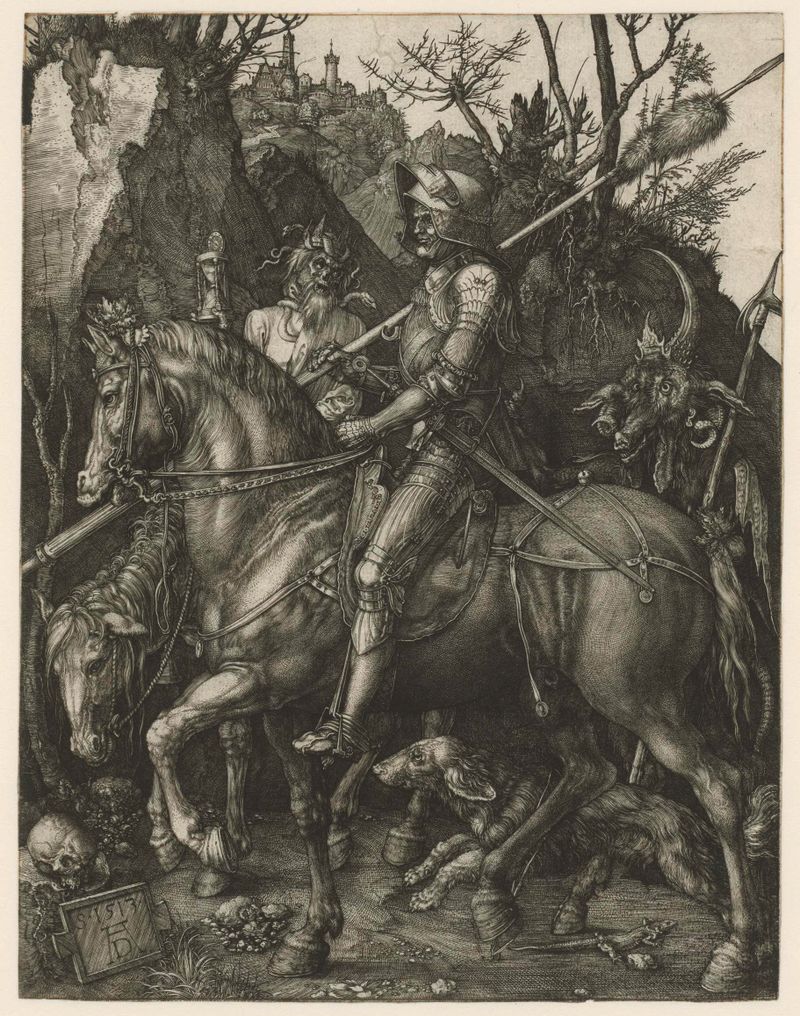
Knight, Death, and the Devil
Albrecht Dürer

De vier ruiters van de apocalyps
Albrecht Dürer

De vier ruiters van de apocalyps
Albrecht Dürer
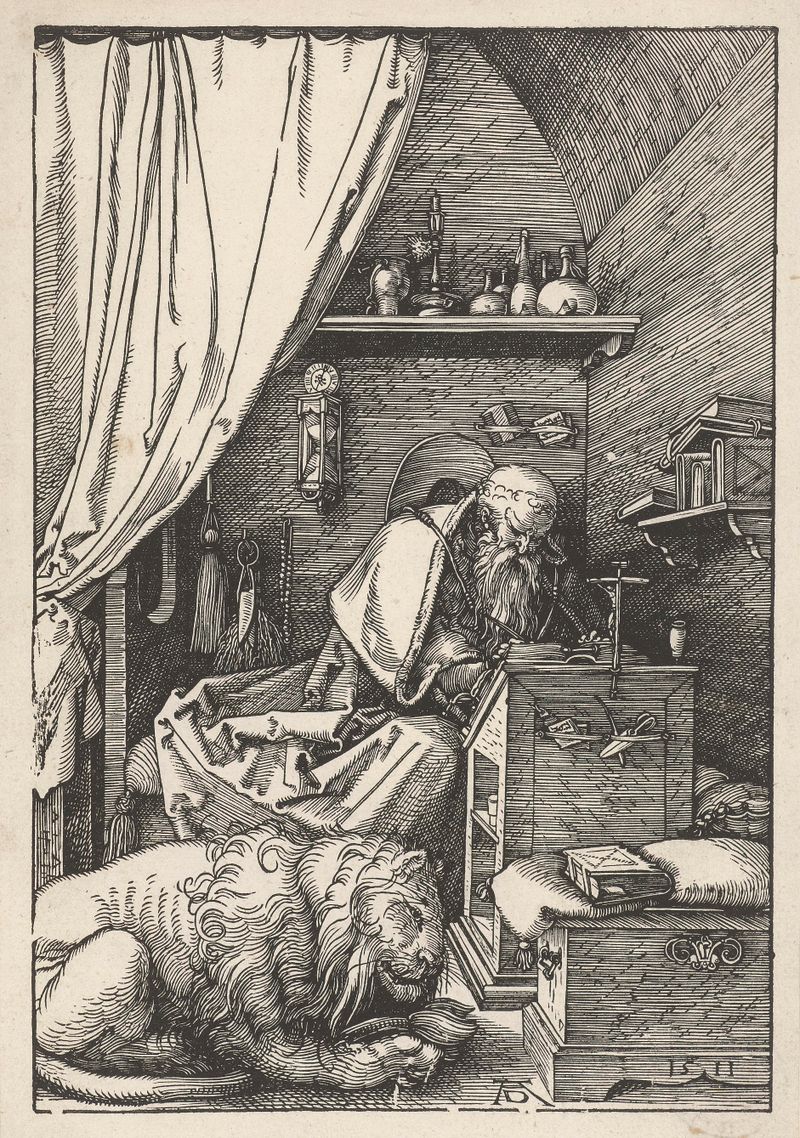
De Heilige Hiëronymus in zijn studeervertrek
Albrecht Dürer
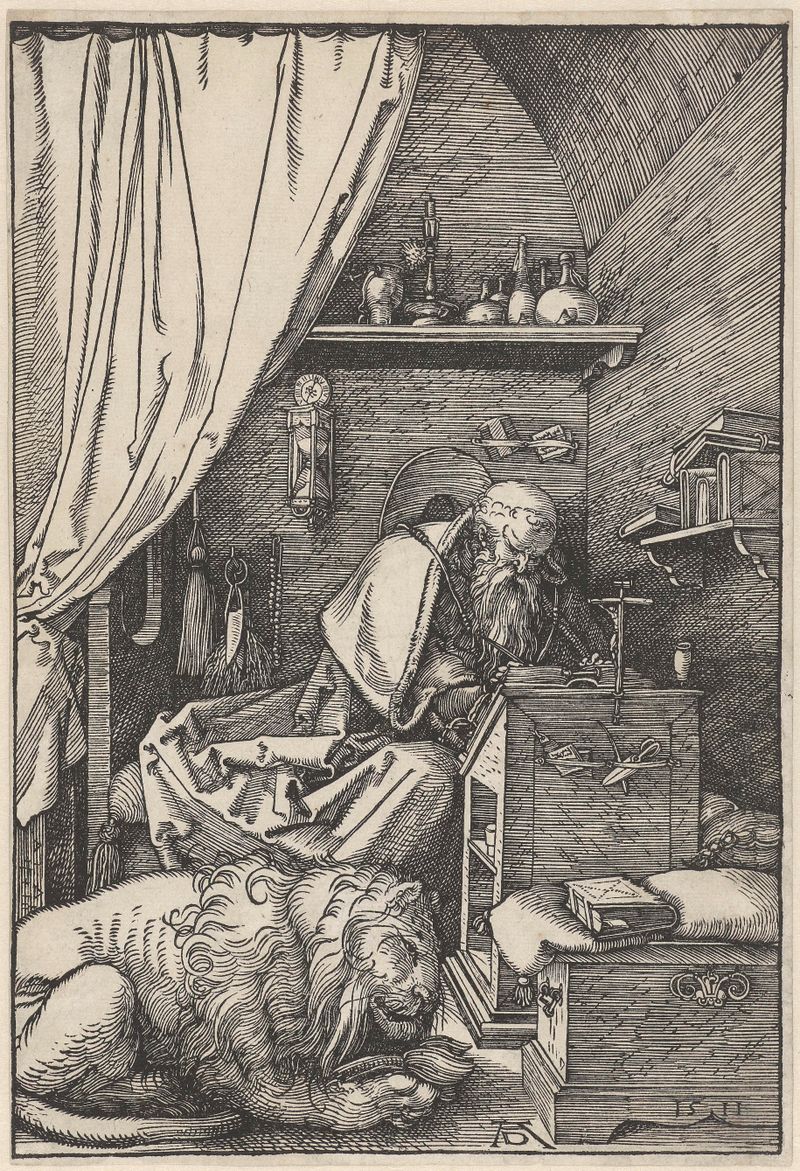
De Heilige Hiëronymus in zijn studeervertrek
Albrecht Dürer
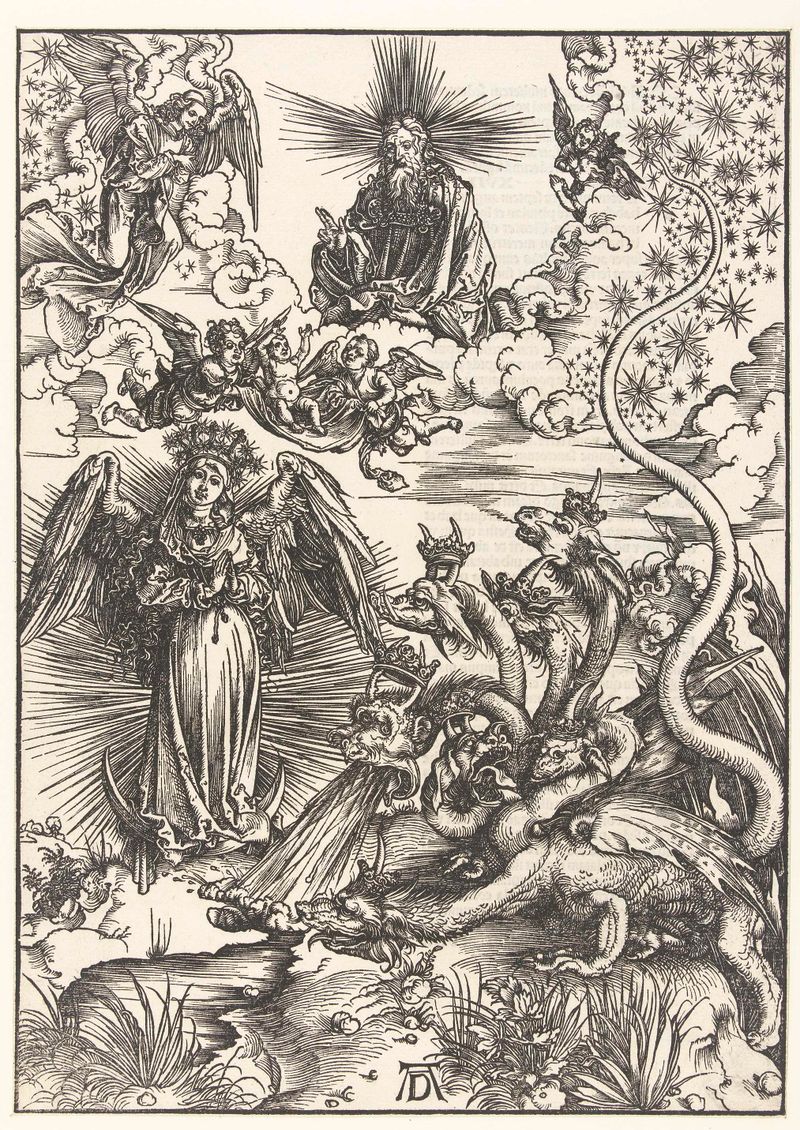
De apocalyptische vrouw en de zevenkoppige draak
Albrecht Dürer
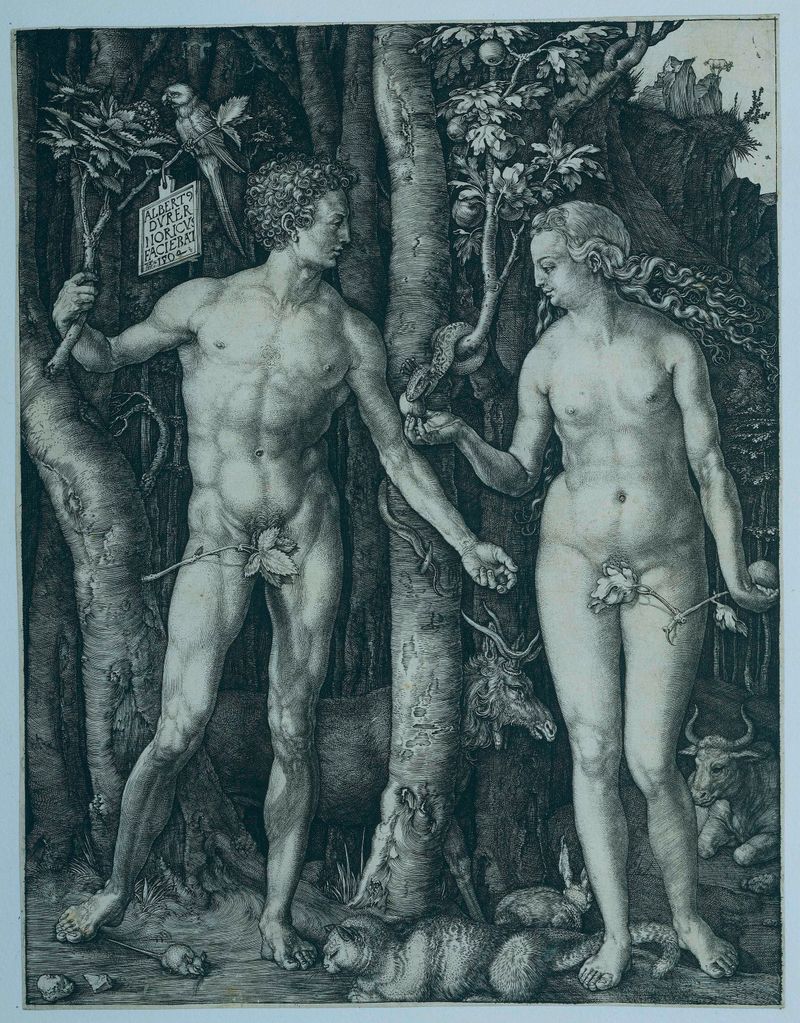
Adam en Eva
Albrecht Dürer
More Historical Art
Browse all →
The Night Watch Militia Company of District II under the Command of Captain Frans Banninck Cocq
Rembrandt van Rijn

Lincoln Memorial
Henry Bacon

The Third of May 1808
Francisco de Goya

Isaac and Rebecca, Known as ‘The Jewish Bride’
Rembrandt van Rijn

The Charge of the Mamelukes (1814)
Francisco de Goya
De vier ruiters van de apocalyps
Albrecht Dürer