
De begraafplaats te Baden-Baden — History & Facts
Could a single brushstroke hold eternity? In De begraafplaats te Baden-Baden, the exploration of mortality melds seamlessly with the divine, inviting contemplation on the transient nature of existence and the permanence of art. Look to the center of the canvas where the solemn cemetery unfolds beneath a vast, overcast sky, casting a muted light over the scene. Notice how the painter’s brush captures the intricate details of the weathered gravestones, each a silent witness to lives once lived. The muted palette of earthy tones, interspersed with soft grays and greens, adds a layer of somber beauty, while the wisps of cloud overhead serve as a metaphor for the ethereal, gently reminding us of the spirit’s ascent. Beneath the surface, there lies a profound dialogue between life and death.
The contrasting shapes of the gravestones and the serene, encroaching nature speak to the cycle of life, where time lays bare our fleeting moments yet allows the beauty of memory to flourish. Each tombstone and shadow embodies the weight of loss, yet their stillness reflects a divine tranquility, suggesting that within grief, there is also a sacred space for reflection and peace. In 1856, Dubourcq painted this work during a period of personal introspection influenced by the Romantic movement's fascination with nature and the afterlife. Living in France, he was surrounded by a growing appreciation for the spiritual elements of art, as artists sought to bridge the gap between earthly experiences and the divine.
This piece not only captures the physicality of a cemetery but also a philosophical exploration of what lies beyond, resonating deeply within the artistic discourse of his time.
More Artworks by Pierre Louis Dubourcq
Browse all →
Een wijngaard bij Olevano
Pierre Louis Dubourcq
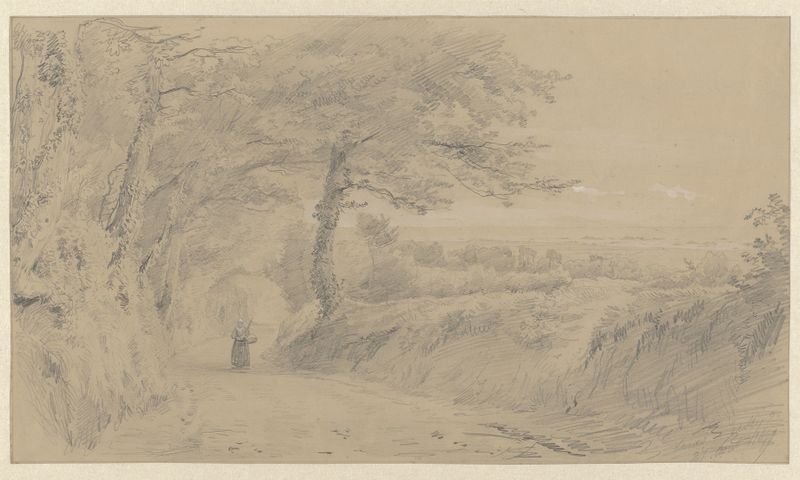
Landschap op Jersey
Pierre Louis Dubourcq

De tempel van Neptunus, Paestum
Pierre Louis Dubourcq
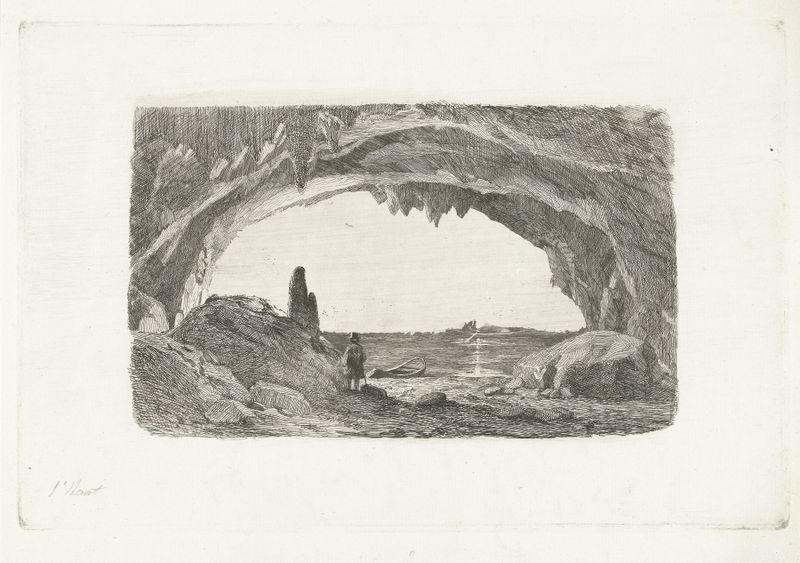
Man met roeiboot in de grotten van Han
Pierre Louis Dubourcq
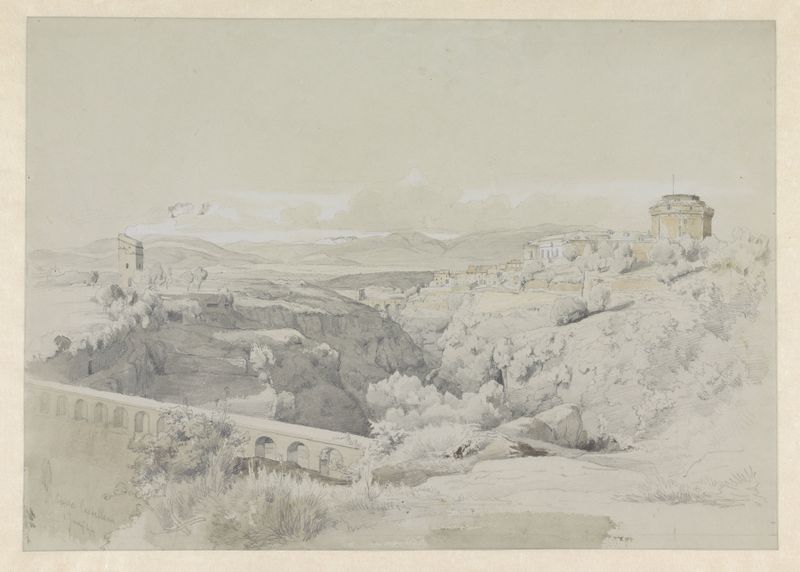
Gezicht op Civita Castellana
Pierre Louis Dubourcq

Paard en wagen op een weg
Pierre Louis Dubourcq
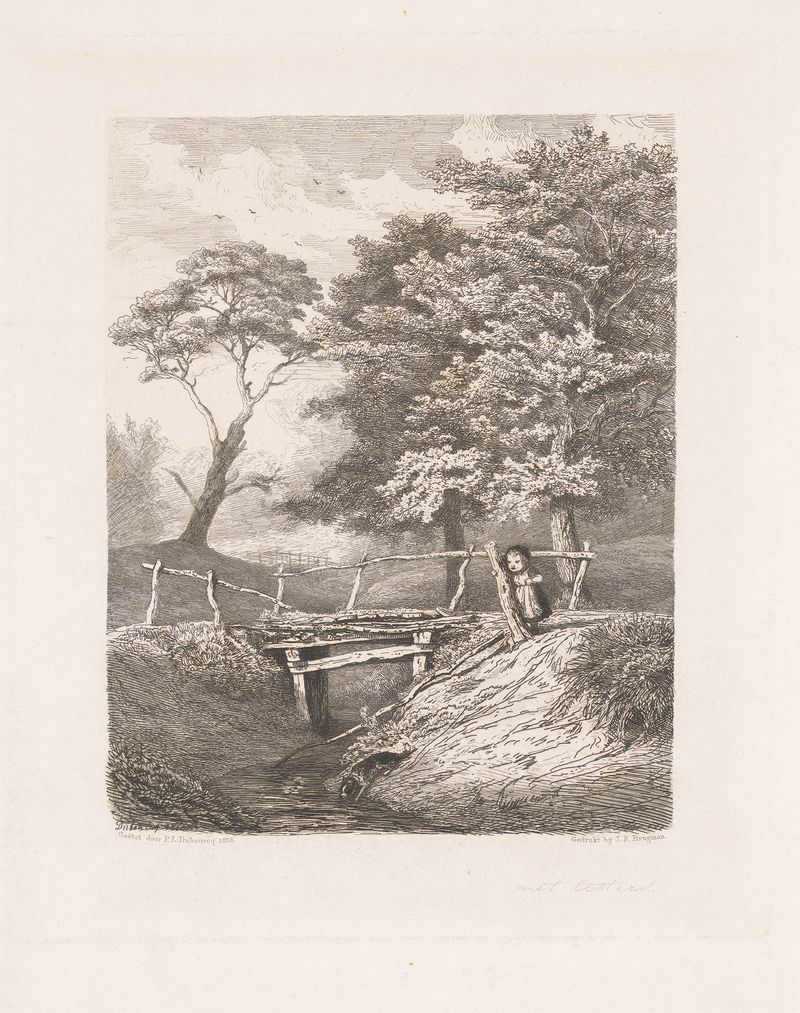
Meisje met hond bij houten brug
Pierre Louis Dubourcq

Kustlandschap te Granville
Pierre Louis Dubourcq

View of Castle Gerone on the island Ischia
Pierre Louis Dubourcq

De rivier de Nera bij Narni
Pierre Louis Dubourcq





