
Een wijngaard bij Olevano — History & Facts
Could beauty survive in a century of chaos? In Een wijngaard bij Olevano, the answer whispers softly through the lush vines and rolling hills, invoking tranquility amidst the tumult of the world beyond. Look to the central expanse where emerald vines twist and turn, their delicate leaves painted with an almost reverent precision. The sun filters through the branches above, casting dappled shadows that dance across the ground, leading the eye deeper into the vibrant greens and the rich earth tones. The subtle interplay of light and shadow reveals a sense of life flourishing amid stillness, inviting contemplation of what lies beneath the surface of this idyllic landscape. Yet, a deeper examination reveals an undercurrent of emptiness that contrasts with the lushness.
The absence of figures in the vineyard evokes a haunting loneliness, suggesting that beauty can exist, even thrive, in isolation. The horizon stretches wide, a reminder of the vastness beyond the vineyard, hinting at the chaos of existence outside this serene frame. Each element is poised in perfect balance, yet whispers of absence linger, suggesting that even in beauty, there rests a poignant solitude. Dubourcq painted this work in 1843 in Olevano Romano, a picturesque town in Italy known for its stunning vistas.
At this time, the artist was deeply influenced by the Romantic movement, which emphasized emotion and nature. The world was changing rapidly, and European society grappled with profound political and social upheaval. As Dubourcq captured this serene vineyard, he anchored a moment of beauty amid the uncertainty that enveloped his contemporaries.
More Artworks by Pierre Louis Dubourcq
Browse all →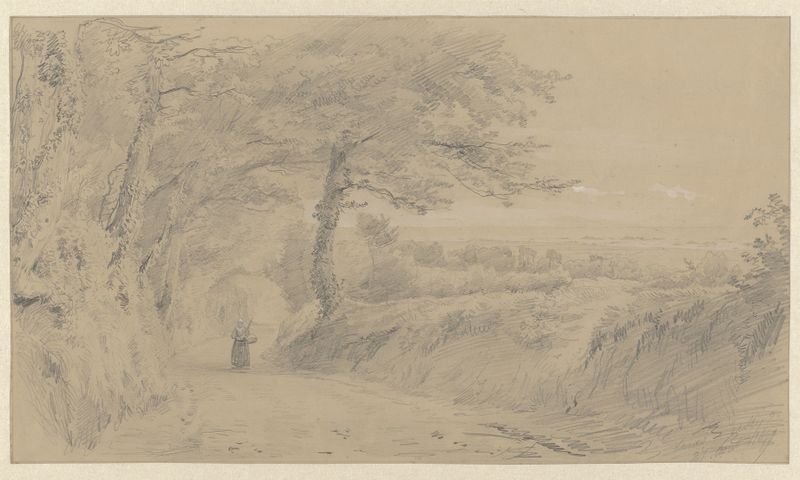
Landschap op Jersey
Pierre Louis Dubourcq

De tempel van Neptunus, Paestum
Pierre Louis Dubourcq
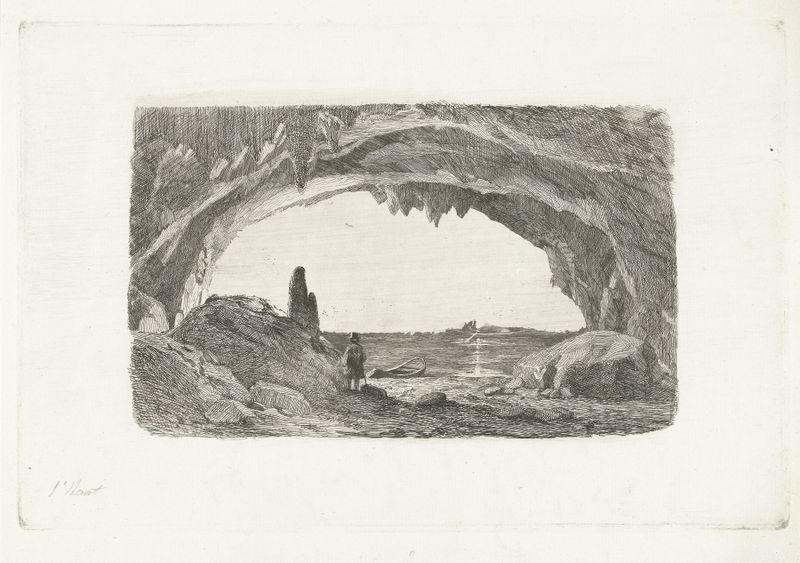
Man met roeiboot in de grotten van Han
Pierre Louis Dubourcq
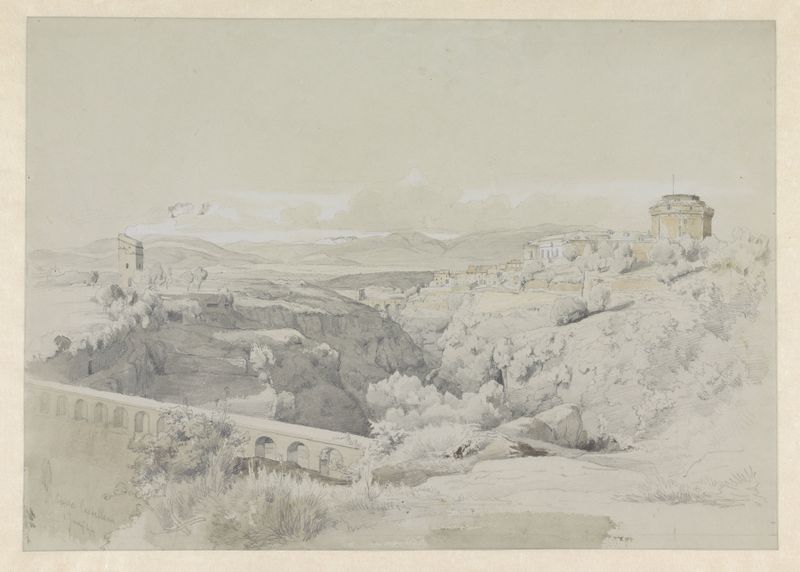
Gezicht op Civita Castellana
Pierre Louis Dubourcq

Paard en wagen op een weg
Pierre Louis Dubourcq
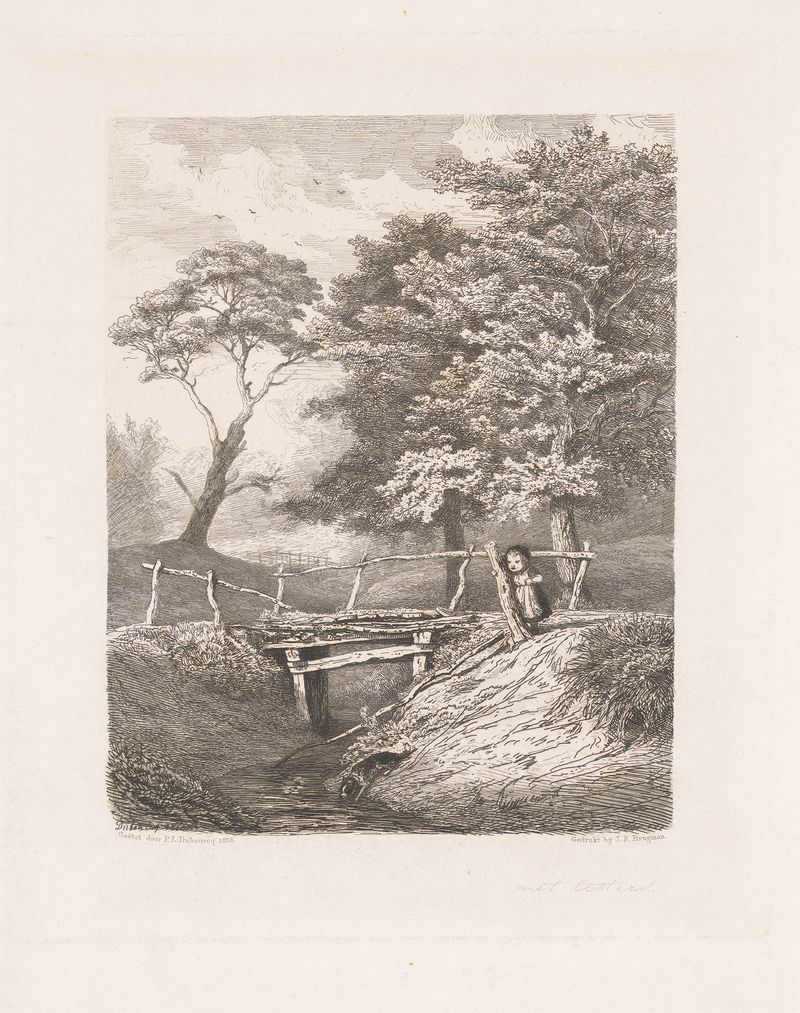
Meisje met hond bij houten brug
Pierre Louis Dubourcq

Kustlandschap te Granville
Pierre Louis Dubourcq

View of Castle Gerone on the island Ischia
Pierre Louis Dubourcq

De rivier de Nera bij Narni
Pierre Louis Dubourcq
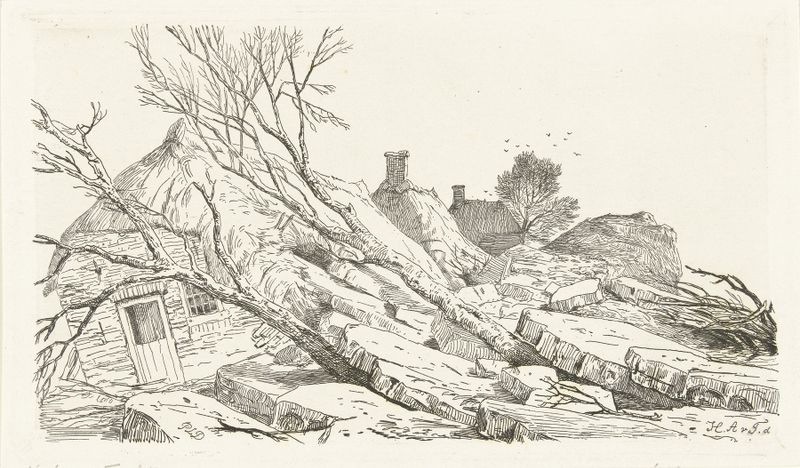
Gezicht op de dijk tussen Maren en Alem met kruiend ijs
Pierre Louis Dubourcq





