
De tempel van Neptunus, Paestum — History & Facts
What if beauty was never meant to be finished? In the haunting stillness of De tempel van Neptunus, Paestum, one can sense the echoing shadows of history, where grandeur meets decay, and the image of violence lies beneath the facade of serene beauty. Focus on the intricate stonework that commands your gaze, the way light caresses the weathered columns and reveals their textured surfaces. Look closely at the interplay of shadows creeping across the ruins, enveloping them in a melancholic light that enhances the solemnity of their existence. The muted palette, dominated by earthy tones and delicate grays, speaks of time's relentless passage, inviting you to contemplate the stories that these ancient stones hold. Amidst the fading glory, one might discover contrasts that resonate deeply: the tension between strength and fragility, permanence and transience.
The temple, a symbol of divine power, stands in stark contrast to the vulnerability of its crumbling structure, suggesting that even the mightiest can be reduced to ruins by the hands of time or human violence. This duality evokes a bittersweet reflection on what remains of beauty when it is stripped of its original purpose. Pierre Louis Dubourcq painted this evocative piece in 1843 while exploring the ancient sites of Italy. At this point in his life, he was deeply influenced by the Neoclassical movement, which sought to revive the ideals of beauty and form from antiquity.
The world was experiencing a burgeoning interest in archaeology and the classics, and Dubourcq's work captures the coexistence of admiration and loss, offering a poignant commentary on beauty that is both celebrated and marred by history.
More Artworks by Pierre Louis Dubourcq
Browse all →
Een wijngaard bij Olevano
Pierre Louis Dubourcq
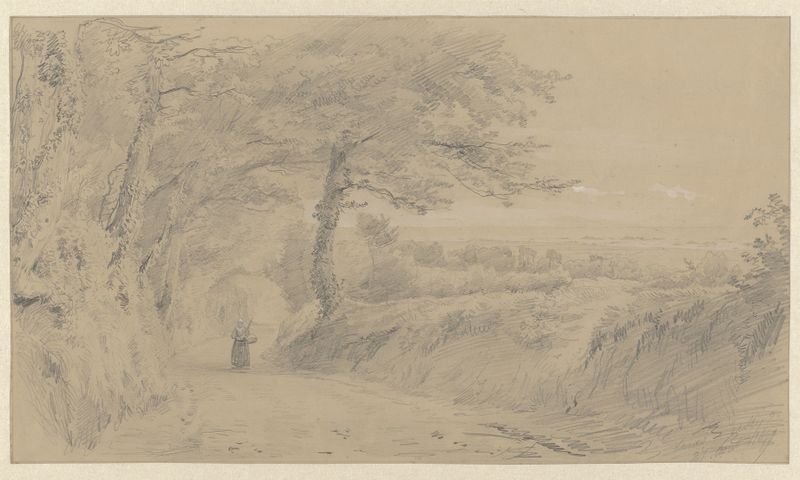
Landschap op Jersey
Pierre Louis Dubourcq
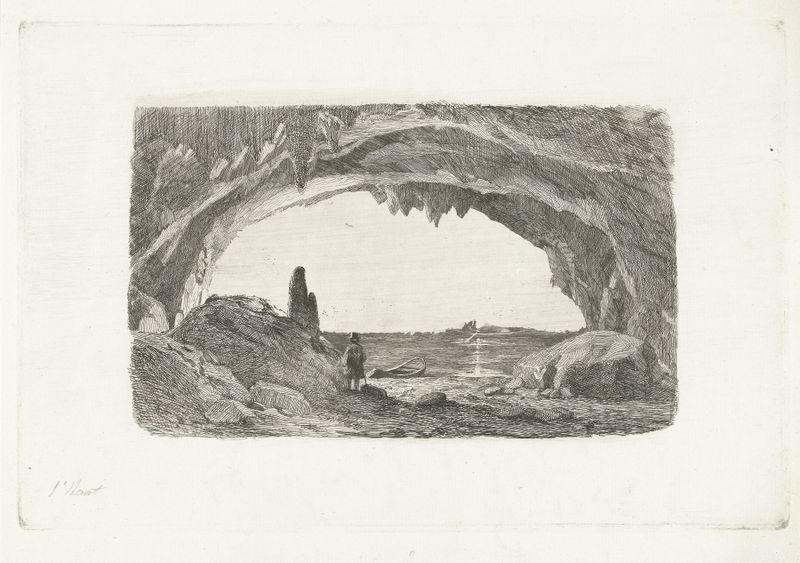
Man met roeiboot in de grotten van Han
Pierre Louis Dubourcq
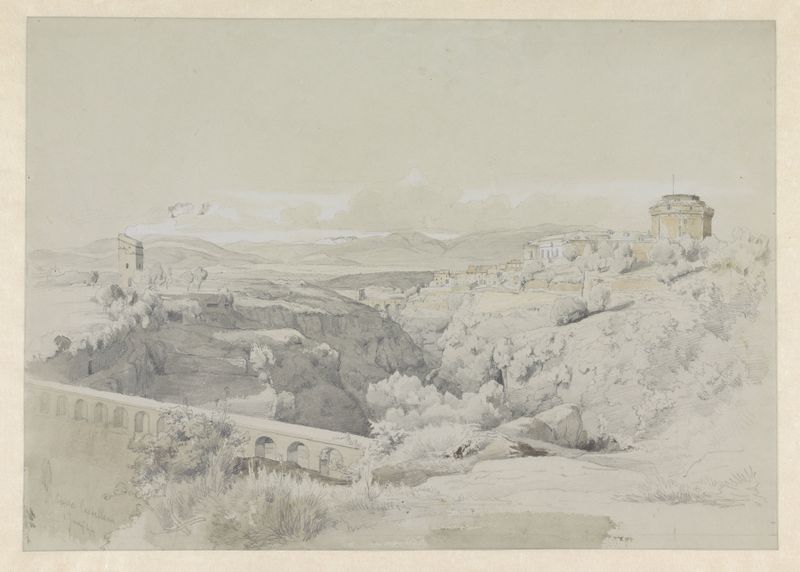
Gezicht op Civita Castellana
Pierre Louis Dubourcq

Paard en wagen op een weg
Pierre Louis Dubourcq
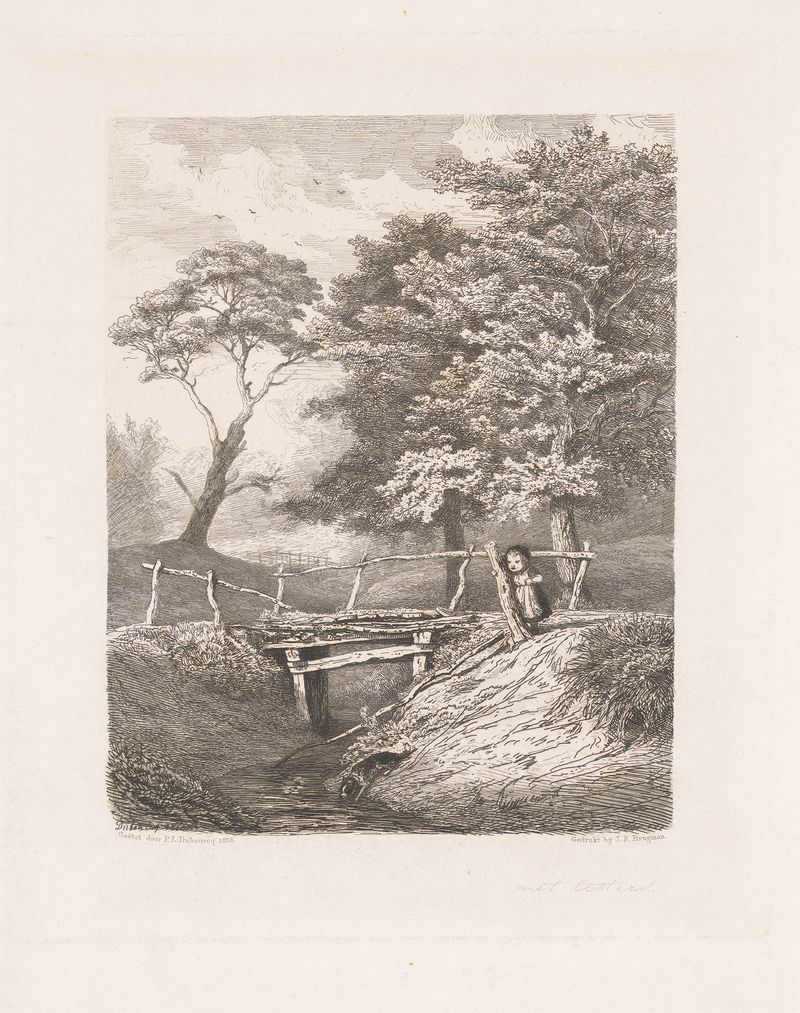
Meisje met hond bij houten brug
Pierre Louis Dubourcq

Kustlandschap te Granville
Pierre Louis Dubourcq

View of Castle Gerone on the island Ischia
Pierre Louis Dubourcq

De rivier de Nera bij Narni
Pierre Louis Dubourcq
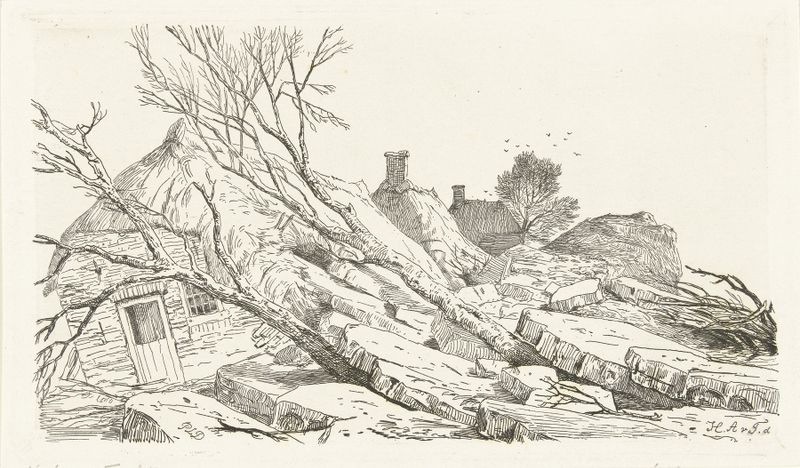
Gezicht op de dijk tussen Maren en Alem met kruiend ijs
Pierre Louis Dubourcq
More Architecture Art
Browse all →
The statue of Liberty
Frédéric Auguste Bartholdi

View of Houses in Delft, Known as ‘The Little Street’
Johannes Vermeer

View of Houses in Delft, Known as ‘The Little Street’
Johannes Vermeer

The Cathedral in Rouen. The portal, Grey Weather
Claude Monet

The yellow house
Vincent van Gogh

The Church in Auvers-sur-Oise, View from the Chevet
Vincent van Gogh