
Kustlandschap te Granville — History & Facts
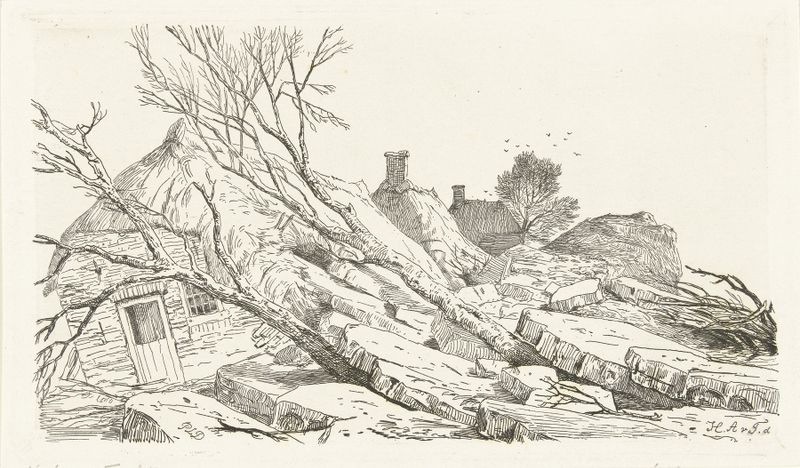
When did color learn to lie? The vibrant hues of Kustlandschap te Granville echo the paradox of beauty and emptiness, as they beckon the viewer into a seemingly idyllic coastal scene laden with deeper truths. Look to the left at the tumultuous waves crashing against the rocky shore, their frothy white crests evolving into shades of blue that speak to a profound depth. The sky, a blend of cerulean and amber, evokes the twilight of day with an ethereal glow; the soft brushstrokes breathe life into clouds that drift lazily, almost mockingly. Notice how the warm light captures the textures of the sand, forming a delicate interplay between shadow and illumination that contrasts with the stark, rugged cliffs looming in the background. Yet, amidst this picturesque setting, the composition hints at isolation.
The solitary figure on the beach, dwarfed by nature's grandeur, embodies a sense of introspection—an emotional tension that lingers in the air. The color palette, seemingly vibrant, also introduces a void; the juxtaposition of warmth and coolness creates an unsettling calm, making us question whether beauty can mask deeper feelings of solitude and longing. In 1849, Pierre Louis Dubourcq painted this work while exploring the coastal landscapes of France, amidst an era where artists sought to capture the sublime in nature. The Romantic movement was at its peak, reflecting a fascination with emotional depth and individual experience, which resonates through the contemplative essence of his landscape.
While the world around him was shifting towards modernity, Dubourcq's brush preserved fleeting moments of introspection, forever reminding us of the complexities hidden within serene vistas.
More Artworks by Pierre Louis Dubourcq
Browse all →
Een wijngaard bij Olevano
Pierre Louis Dubourcq
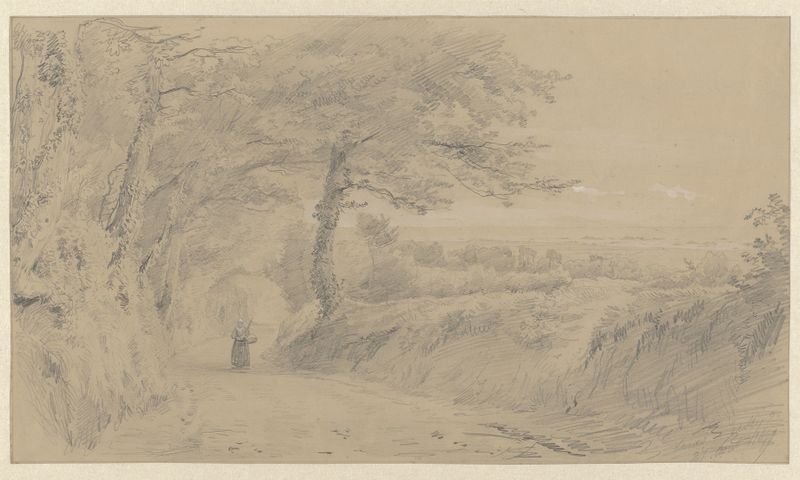
Landschap op Jersey
Pierre Louis Dubourcq

De tempel van Neptunus, Paestum
Pierre Louis Dubourcq
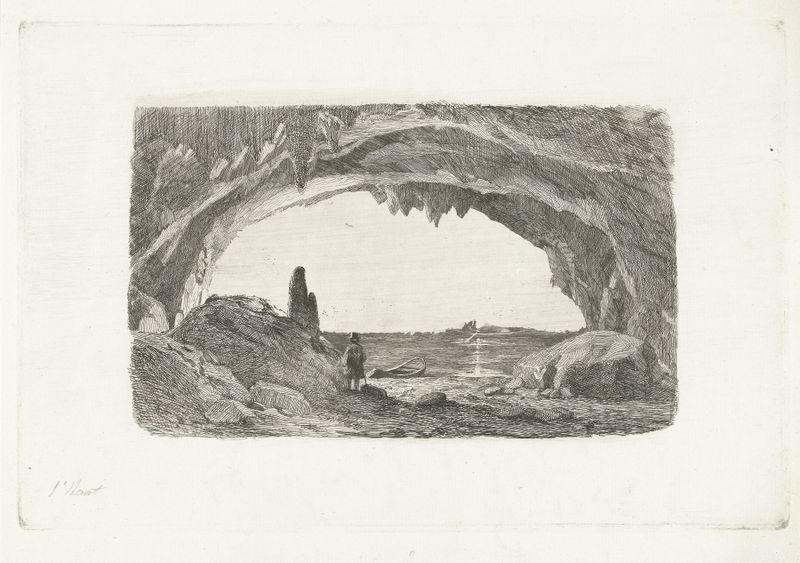
Man met roeiboot in de grotten van Han
Pierre Louis Dubourcq
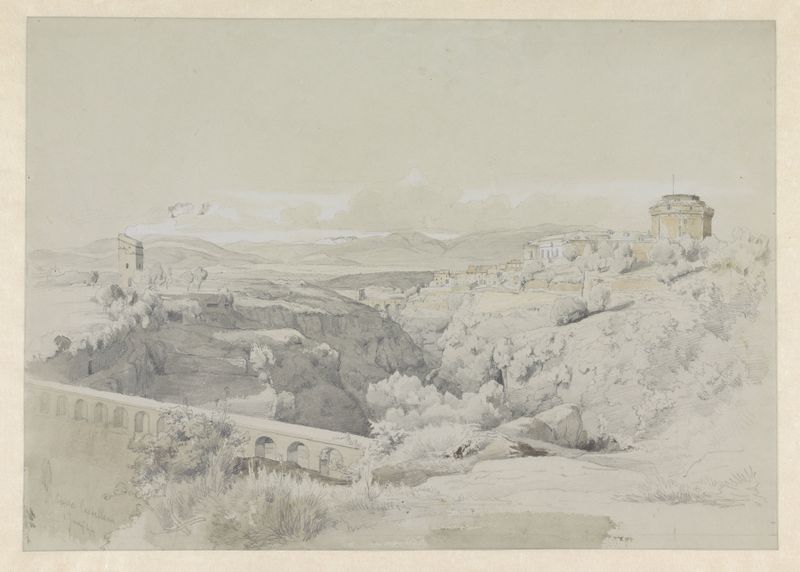
Gezicht op Civita Castellana
Pierre Louis Dubourcq

Paard en wagen op een weg
Pierre Louis Dubourcq
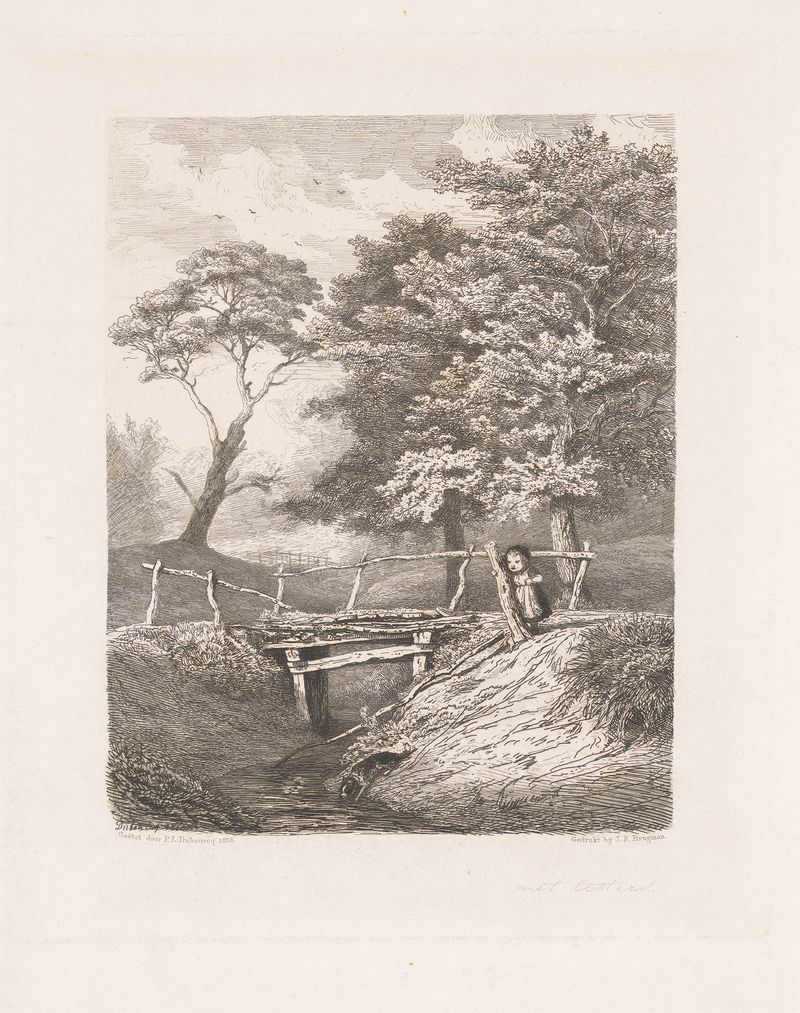
Meisje met hond bij houten brug
Pierre Louis Dubourcq

View of Castle Gerone on the island Ischia
Pierre Louis Dubourcq

De rivier de Nera bij Narni
Pierre Louis Dubourcq
Gezicht op de dijk tussen Maren en Alem met kruiend ijs
Pierre Louis Dubourcq





