
Meisje met hond bij houten brug — History & Facts
Could a single brushstroke hold eternity? In Meisje met hond bij houten brug, the delicate interplay of youth and solitude captures an emotional essence that lingers long after the gaze has passed. Look to the center at the young girl, her form poised at the edge of the wooden bridge. The soft, muted colors envelop her in a nostalgic haze, while the gentle light seems to pour down like a whisper from above, illuminating her face and the gentle curve of her dog beside her. The brushwork, both fluid and precise, invites a closer inspection of the textures, from the weathered wood of the bridge to the soft fur of the animal, creating a palpable connection to the natural world. Beneath the surface, the painting speaks of loss and longing—a moment frozen in time where innocence meets the inevitability of change.
The girl’s distant gaze suggests a yearning for something just beyond reach, perhaps a lost childhood or an unfulfilled dream. The dog, a loyal companion, serves as a reminder of companionship amid solitude, heightening the poignant contrast between presence and absence in this tender moment. Created in 1856, Dubourcq painted this work during a time of personal and artistic exploration in France, where Romanticism was giving way to Realism. His focus on intimate, everyday scenes reflected the evolving landscape of art, as he sought to capture truthful representations of life's fleeting moments.
The piece embodies the quiet introspection characteristic of this period, while also hinting at the artist's own search for meaning in a changing world.
More Artworks by Pierre Louis Dubourcq
Browse all →
Een wijngaard bij Olevano
Pierre Louis Dubourcq
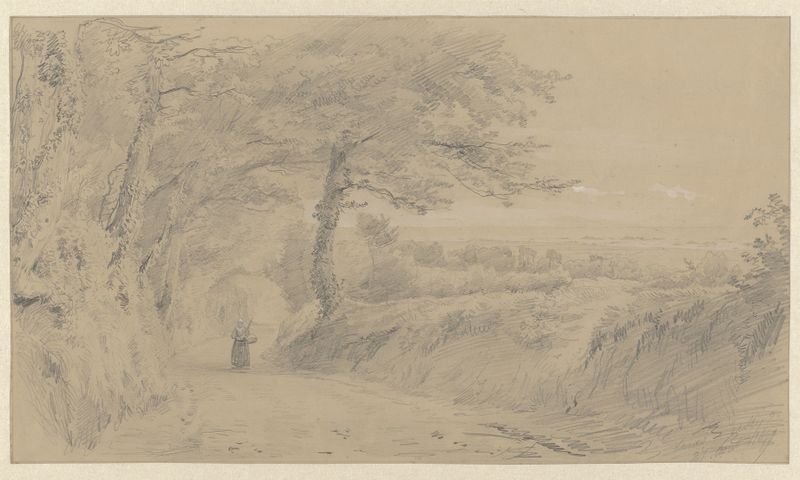
Landschap op Jersey
Pierre Louis Dubourcq

De tempel van Neptunus, Paestum
Pierre Louis Dubourcq
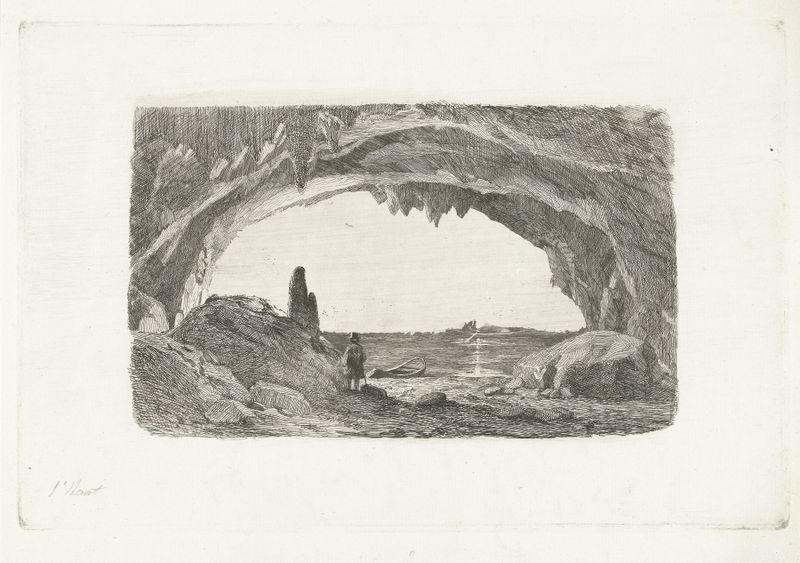
Man met roeiboot in de grotten van Han
Pierre Louis Dubourcq
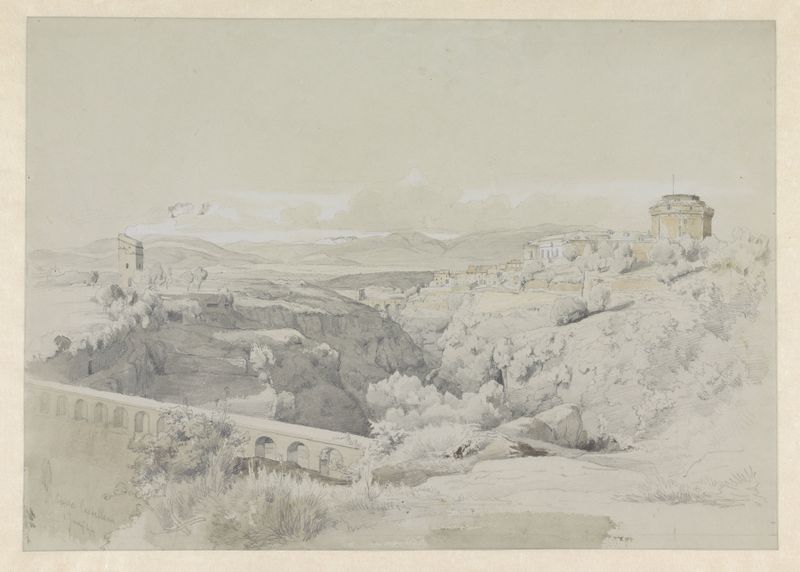
Gezicht op Civita Castellana
Pierre Louis Dubourcq

Paard en wagen op een weg
Pierre Louis Dubourcq

Kustlandschap te Granville
Pierre Louis Dubourcq

View of Castle Gerone on the island Ischia
Pierre Louis Dubourcq

De rivier de Nera bij Narni
Pierre Louis Dubourcq
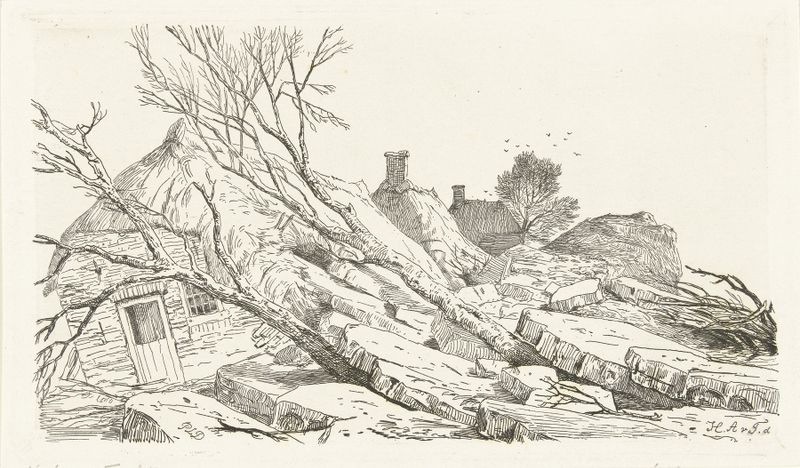
Gezicht op de dijk tussen Maren en Alem met kruiend ijs
Pierre Louis Dubourcq





