
De rivier de Nera bij Narni — History & Facts
Can paint confess what words never could? In De rivier de Nera bij Narni, a serene expanse unfolds, inviting viewers into a hush that speaks louder than any narrative could. Focus on the gentle curve of the river, its surface reflecting a dappled sky rendered in soft blues and grays. The lush greenery flanks the banks, while distant hills cradle the scene, each brushstroke carefully defining a sense of depth and tranquility. Observe how the light dances upon the water, a shimmering veil that hints at the life beneath, as if nature itself whispers secrets to the observer. The juxtaposition of the vibrant hues of foliage against the subdued earth tones evokes a profound sense of harmony and balance, yet there's an underlying tension, a subtle void that invites contemplation.
Notice the way the river meanders, symbolizing the passage of time and the inevitability of change, a stark contrast to the stillness of the landscape. Each detail, from the ripples in the water to the delicate shadows cast by the trees, invites reflection on the ephemeral nature of existence. In 1844, Pierre Louis Dubourcq painted this piece while living in France, a time marked by a flourishing of Romanticism and a growing appreciation for landscapes in art. The tranquil depiction of the river reflects not just the beauty of nature but also the artist's longing for a connection to the sublime, amidst the societal changes and turmoil of his era.
More Artworks by Pierre Louis Dubourcq
Browse all →
Een wijngaard bij Olevano
Pierre Louis Dubourcq
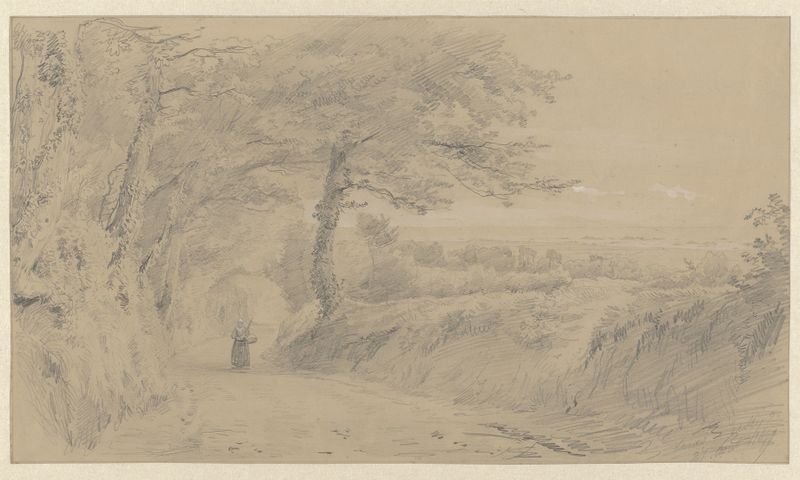
Landschap op Jersey
Pierre Louis Dubourcq

De tempel van Neptunus, Paestum
Pierre Louis Dubourcq
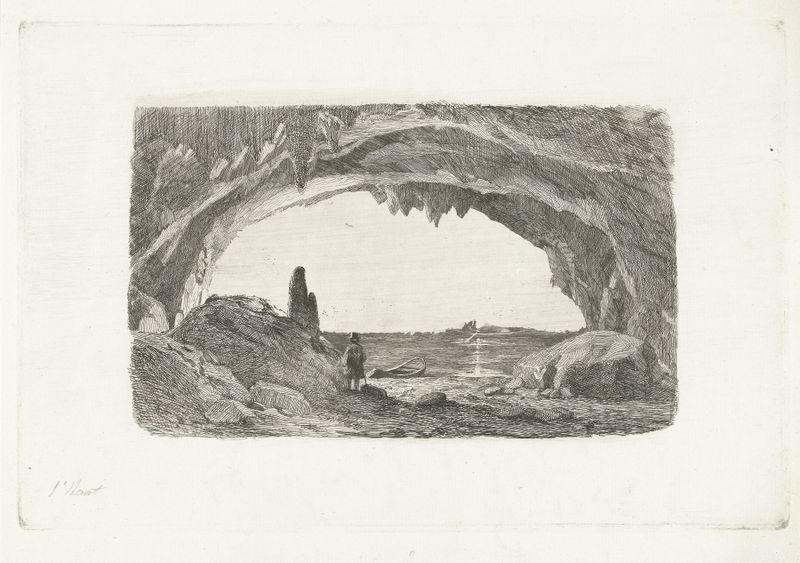
Man met roeiboot in de grotten van Han
Pierre Louis Dubourcq
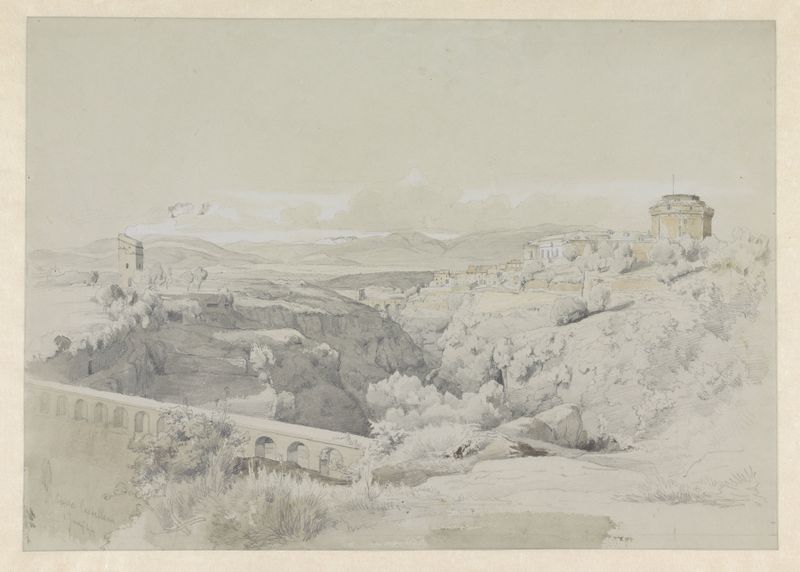
Gezicht op Civita Castellana
Pierre Louis Dubourcq

Paard en wagen op een weg
Pierre Louis Dubourcq
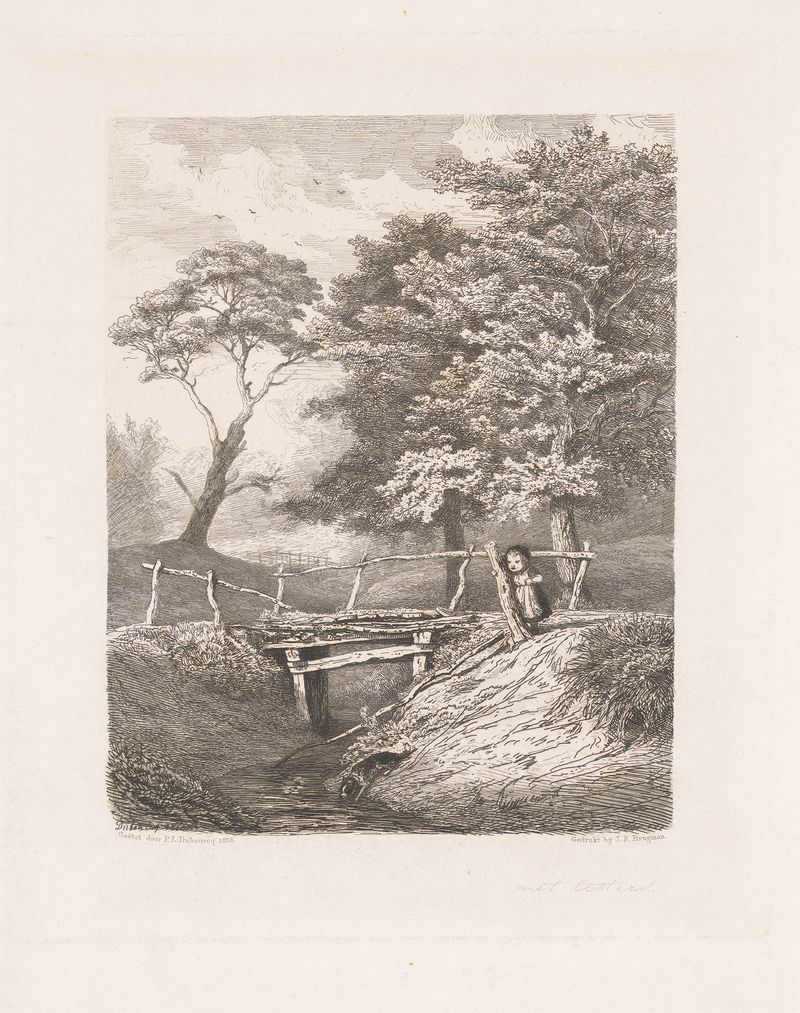
Meisje met hond bij houten brug
Pierre Louis Dubourcq

Kustlandschap te Granville
Pierre Louis Dubourcq

View of Castle Gerone on the island Ischia
Pierre Louis Dubourcq
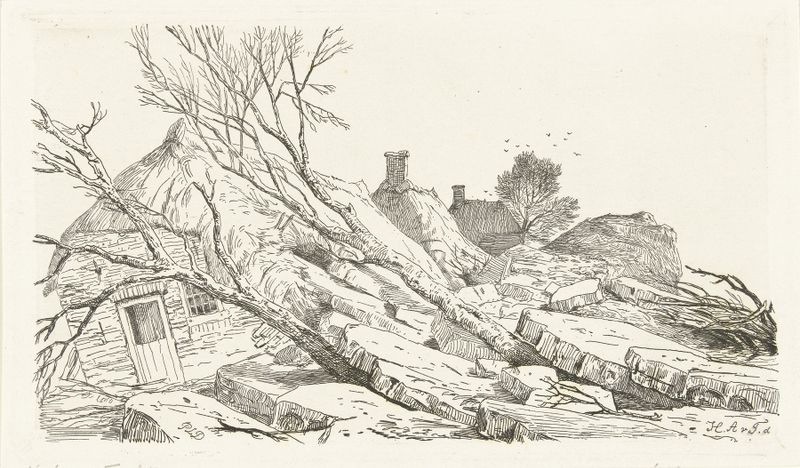
Gezicht op de dijk tussen Maren en Alem met kruiend ijs
Pierre Louis Dubourcq





