
De bekering van Paulus — History & Facts
What secret hides in the quiet of the canvas? In the stillness of De bekering van Paulus, illusion dances between the divine and the earthly, beckoning the viewer to peer deeper into this moment of transformation. Look to the center of the composition, where a radiant light envelops the figure of Saul, engulfing him in a divine revelation. The chiaroscuro technique illuminates his astonished face, stark against the muted backdrop of earthy tones. Notice how the figures surrounding him, cloaked in shadow, convey a mixture of fear and reverence, their postures frozen in a moment of collective astonishment.
The artist's meticulous attention to detail creates a palpable tension, compelling you to feel the weight of this pivotal encounter. Yet, beyond the immediate scene, layers of meaning unfurl. The contrast between the blinding light and the somber darkness signifies the struggle between faith and doubt, while the composition invites reflection on the theme of redemption. Each figure’s varied expressions hint at the multitude of reactions to spiritual awakening — awe, disbelief, and curiosity.
This multiplicity evokes a deeper exploration of belief, suggesting that transformation can be both isolating and communal. In the early 17th century, Jacques Callot painted this remarkable work in the context of a rapidly transforming Europe, where religious conflict shaped artistic expression. Living in Lorraine during a time filled with turmoil, he grappled with the complexities of faith and art. His oeuvre, embracing drama and emotion, reflects a burgeoning Baroque style, marking a significant evolution in the narrative potential of painting.
More Artworks by Jacques Callot
Browse all →
Titelprent voor de prentreeks 'De kleine apostelen' (Het martelaarschap van de apostelen)
Jacques Callot
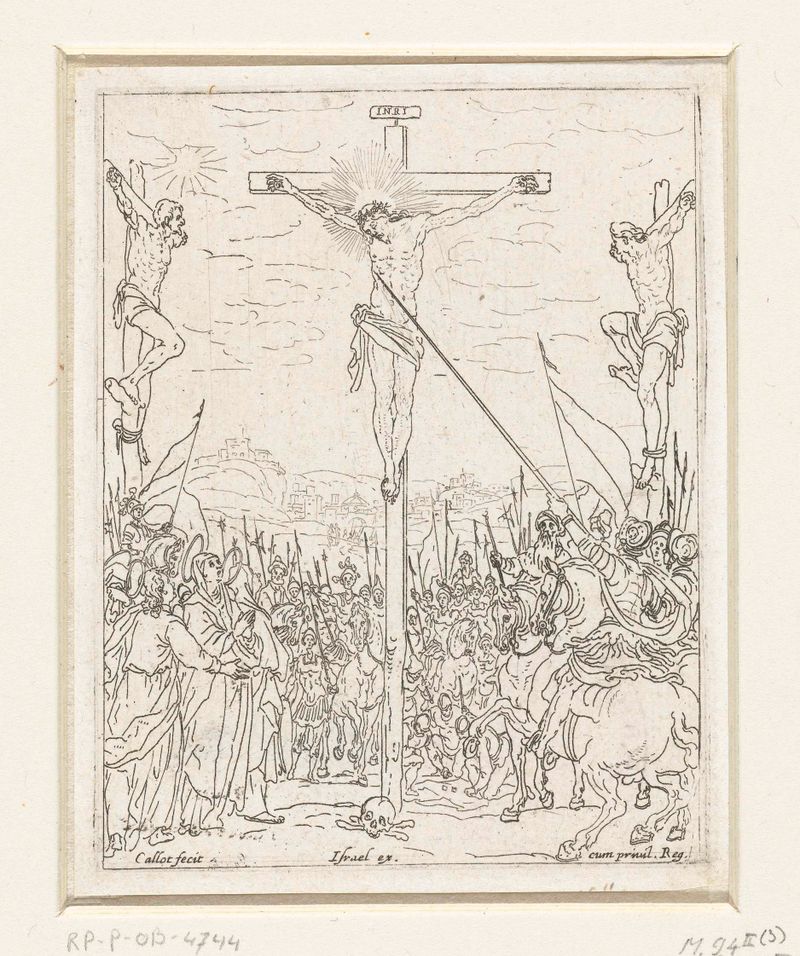
Kruisiging
Jacques Callot

De doortocht door de Rode Zee
Jacques Callot

De verloren zoon als zwijnenhoeder
Jacques Callot

Annunciatie
Jacques Callot
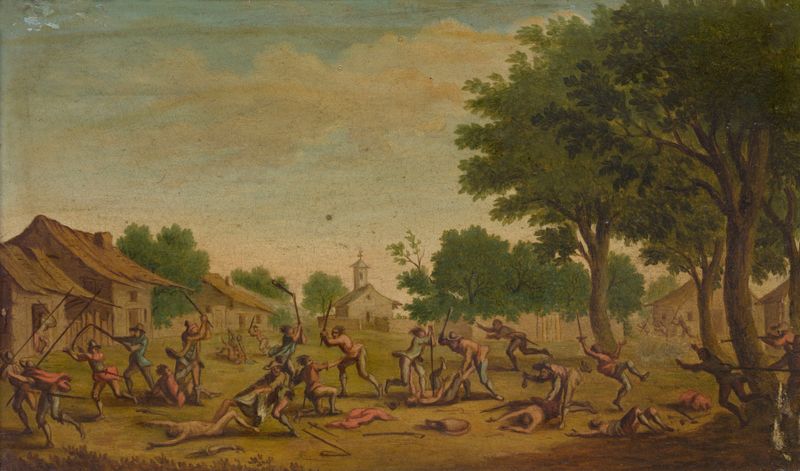
Village Fight
Jacques Callot

Titelprent voor prentreeks 'Het leven van Maria'
Jacques Callot
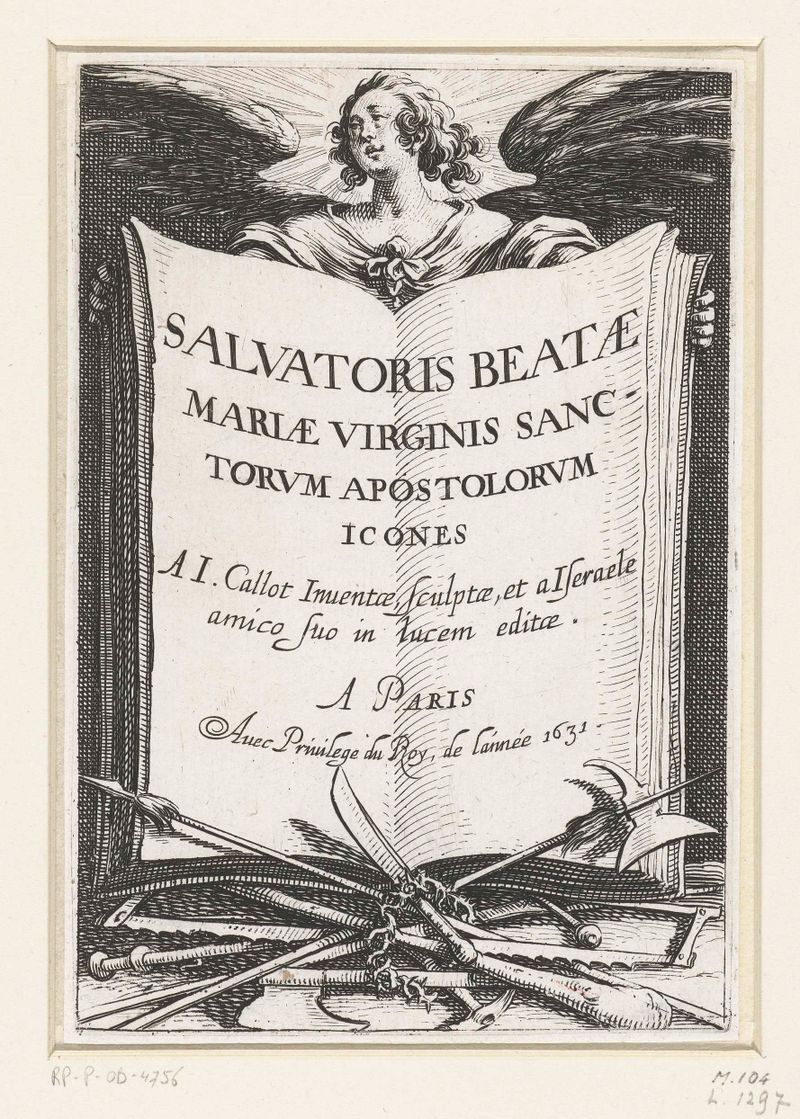
Titelprent voor de prentreeks 'De grote apostelen' (Christus, Maria en de apostelen)
Jacques Callot

Christus aan het volk getoond (Ecce homo)
Jacques Callot
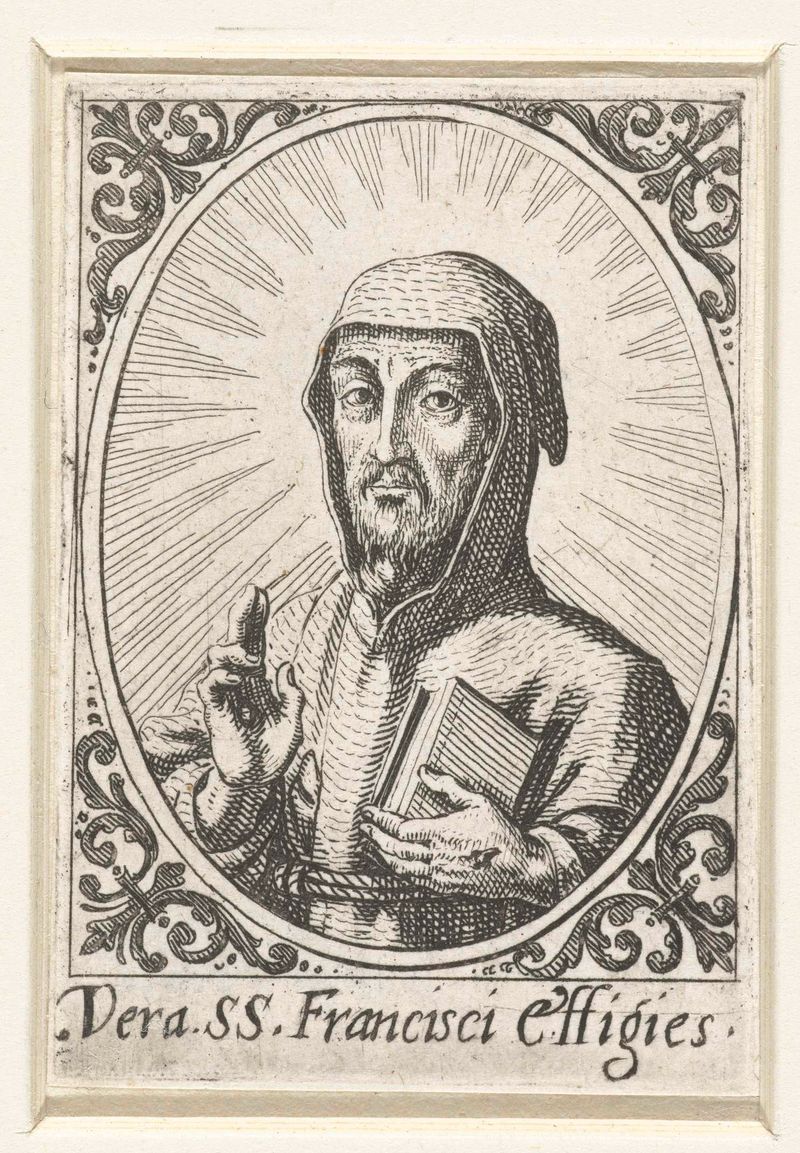
Portret van de Heilige Franciscus
Jacques Callot
More Religious Art
Browse all →
The Return of the Prodigal Son
Rembrandt van Rijn

The Garden of Earthly Delights
El Bosco

Count Orgaz’ funeral
El Greco

The Hundred Guilder Print: the central piece with Christ preaching, the plate arched
Rembrandt van Rijn

The Descent from the Cross
Rogier van der Weyden

The return of the prodigal son
Rembrandt van Rijn