
De boetvaardige Franciscus — History & Facts
Where does light end, and longing begin? In the delicate interplay of light and shadow, De boetvaardige Franciscus captures the quiet agony of penance, evoking a deep sense of introspection. Look to the left at the figure of Saint Francis, draped in tattered robes, his gaze directed upward as if seeking divine affirmation. The chiaroscuro technique brings forth a dramatic contrast, illuminating his frail features while casting the surrounding landscape into a somber darkness. Notice how the warm light envelops him, creating a halo effect that highlights his spiritual fervor amidst the stark, muted tones of the background. Beneath the surface, the painting embodies a rich tapestry of emotional tensions.
The saint’s outstretched hand seems to grasp for transcendence, yet the weight of his sorrowful expression suggests an unresolved struggle between earthly existence and heavenly aspirations. The starkness surrounding him amplifies his isolation, inviting contemplation on the nature of redemption. Each fold of his garments whispers tales of sacrifice, while the surrounding shadows hint at the burdens of a soul seeking solace in faith. Jacques Callot created this poignant piece in the early 17th century, amidst a flourishing period of Baroque art in Europe.
Living in Nancy, France, Callot was deeply influenced by the spiritual themes prevalent in the era, marked by fervent religious devotion following the Reformation. This work reflects his mastery of etching and his ability to capture profound human emotions, signaling his place as a key figure in the evolution of the genre.
More Artworks by Jacques Callot
Browse all →
Titelprent voor de prentreeks 'De kleine apostelen' (Het martelaarschap van de apostelen)
Jacques Callot
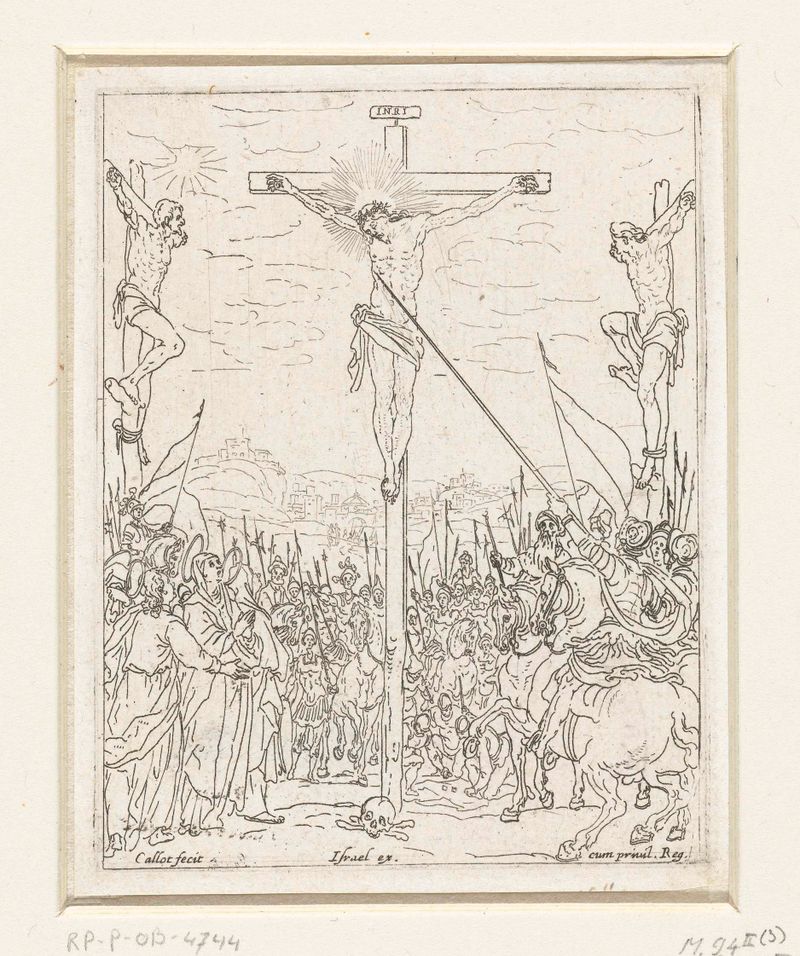
Kruisiging
Jacques Callot

De doortocht door de Rode Zee
Jacques Callot

De verloren zoon als zwijnenhoeder
Jacques Callot

Annunciatie
Jacques Callot
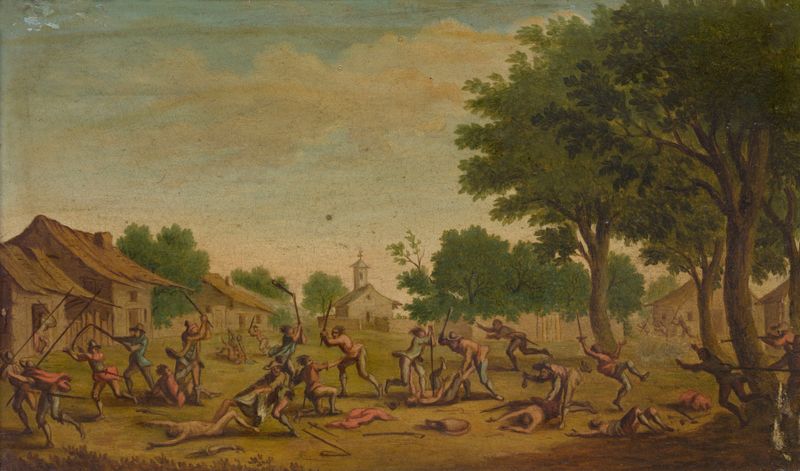
Village Fight
Jacques Callot

Titelprent voor prentreeks 'Het leven van Maria'
Jacques Callot
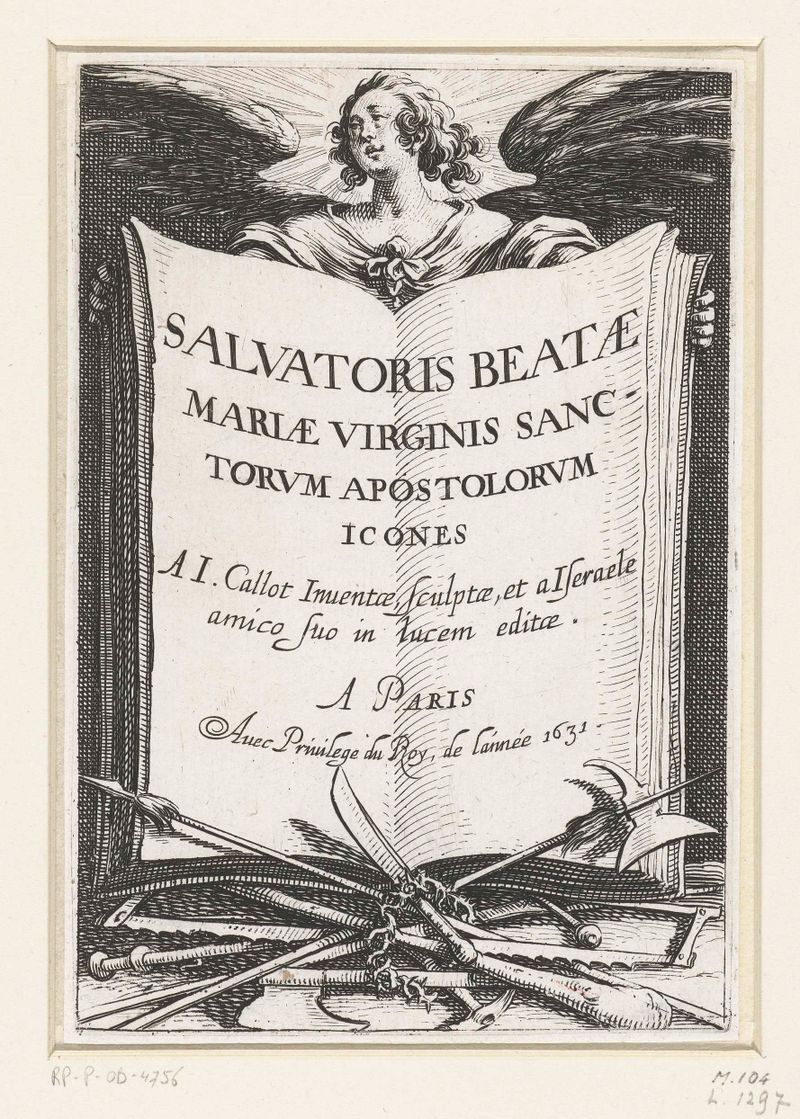
Titelprent voor de prentreeks 'De grote apostelen' (Christus, Maria en de apostelen)
Jacques Callot

Christus aan het volk getoond (Ecce homo)
Jacques Callot
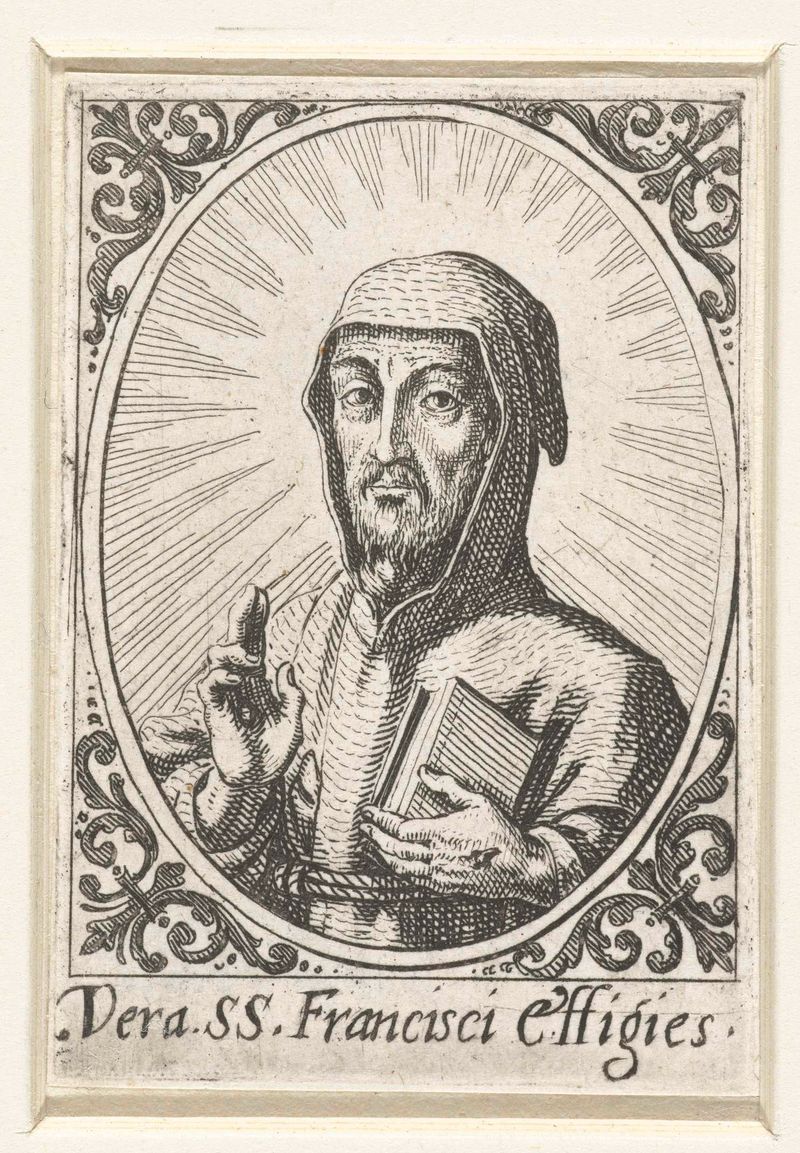
Portret van de Heilige Franciscus
Jacques Callot
More Religious Art
Browse all →
The Return of the Prodigal Son
Rembrandt van Rijn

The Garden of Earthly Delights
El Bosco

Count Orgaz’ funeral
El Greco

The Hundred Guilder Print: the central piece with Christ preaching, the plate arched
Rembrandt van Rijn

The Descent from the Cross
Rogier van der Weyden

The return of the prodigal son
Rembrandt van Rijn