
De boetvaardige Hiëronymus — History & Facts
Who listens when art speaks of silence? In De boetvaardige Hiëronymus, the weight of introspection is palpable, inviting a dialogue on faith and solitude within its intricate lines and somber tones. Look closely at the central figure, the penitent Jerome, who seems to draw us into a contemplative space. The muted palette of browns and greys envelops him, allowing the subtle play of light to focus our gaze upon his expressive face and the gesture of his hands, caught in a moment of deep reflection. The surrounding elements—a skull, a book, and a faint halo—frame his isolation, each detail meticulously rendered to evoke a sense of inner turmoil and spiritual yearning. The tension between the visible and the unseen resonates throughout the composition.
The skull, a symbol of mortality, speaks to the fragility of life, while the book signifies knowledge and the quest for divine truth. Jerome's posture hints at a struggle, caught between worldly temptations and the call to repentance. These elements converge to create a profound narrative of faith—one that is both personal and universal, inviting viewers to wrestle with their own beliefs and doubts. Jacques Callot created this artwork in 1632 during a time of great turbulence in Europe, marked by the Thirty Years' War.
Living in Nancy, France, Callot was deeply influenced by both the Baroque style and the demands of his turbulent environment. This period in his life saw him exploring themes of morality and spirituality through his art, solidifying his reputation as a master of etching and narrative within the confines of religious reflection.
More Artworks by Jacques Callot
Browse all →
Titelprent voor de prentreeks 'De kleine apostelen' (Het martelaarschap van de apostelen)
Jacques Callot
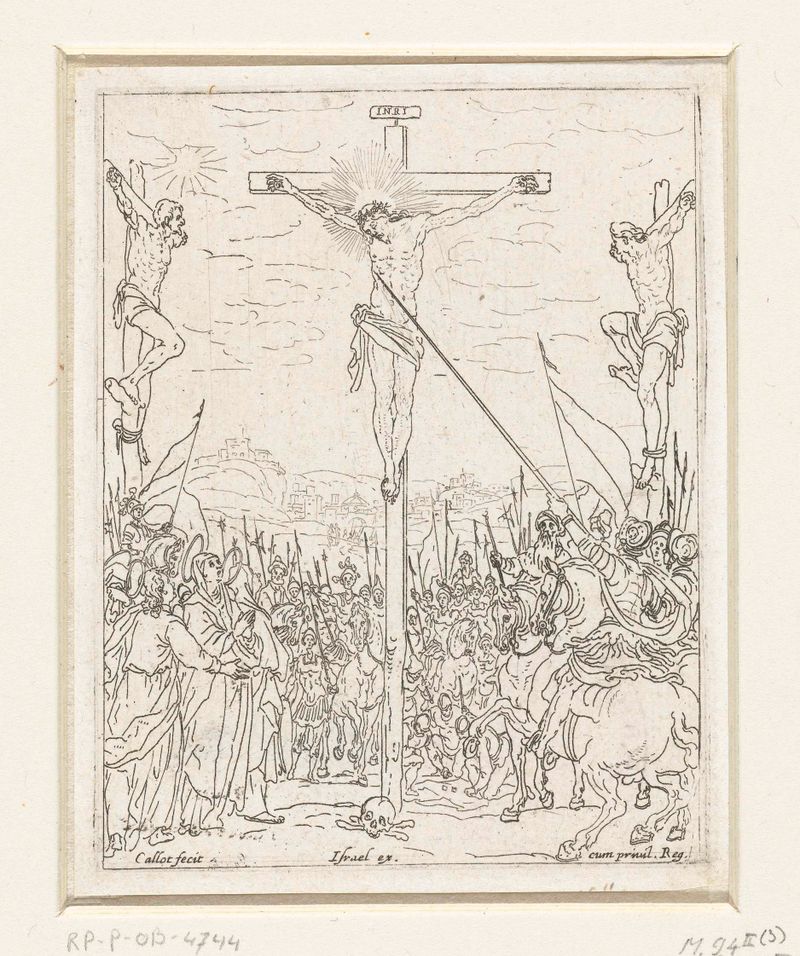
Kruisiging
Jacques Callot

De doortocht door de Rode Zee
Jacques Callot

De verloren zoon als zwijnenhoeder
Jacques Callot

Annunciatie
Jacques Callot
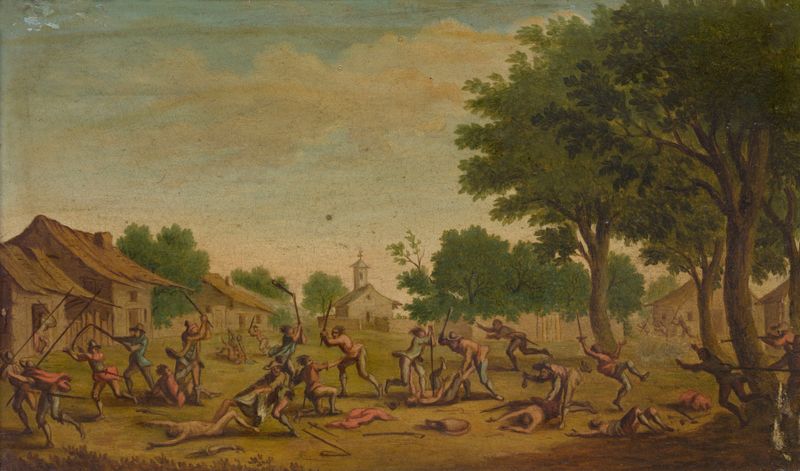
Village Fight
Jacques Callot

Titelprent voor prentreeks 'Het leven van Maria'
Jacques Callot
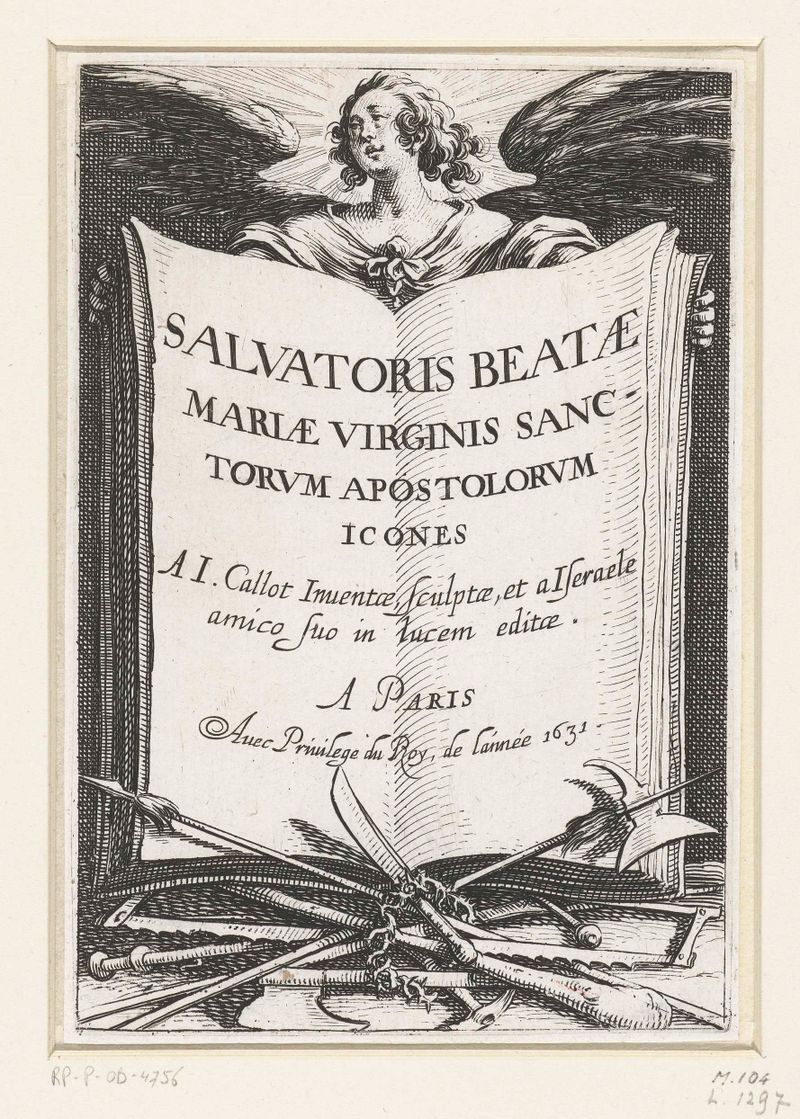
Titelprent voor de prentreeks 'De grote apostelen' (Christus, Maria en de apostelen)
Jacques Callot

Christus aan het volk getoond (Ecce homo)
Jacques Callot
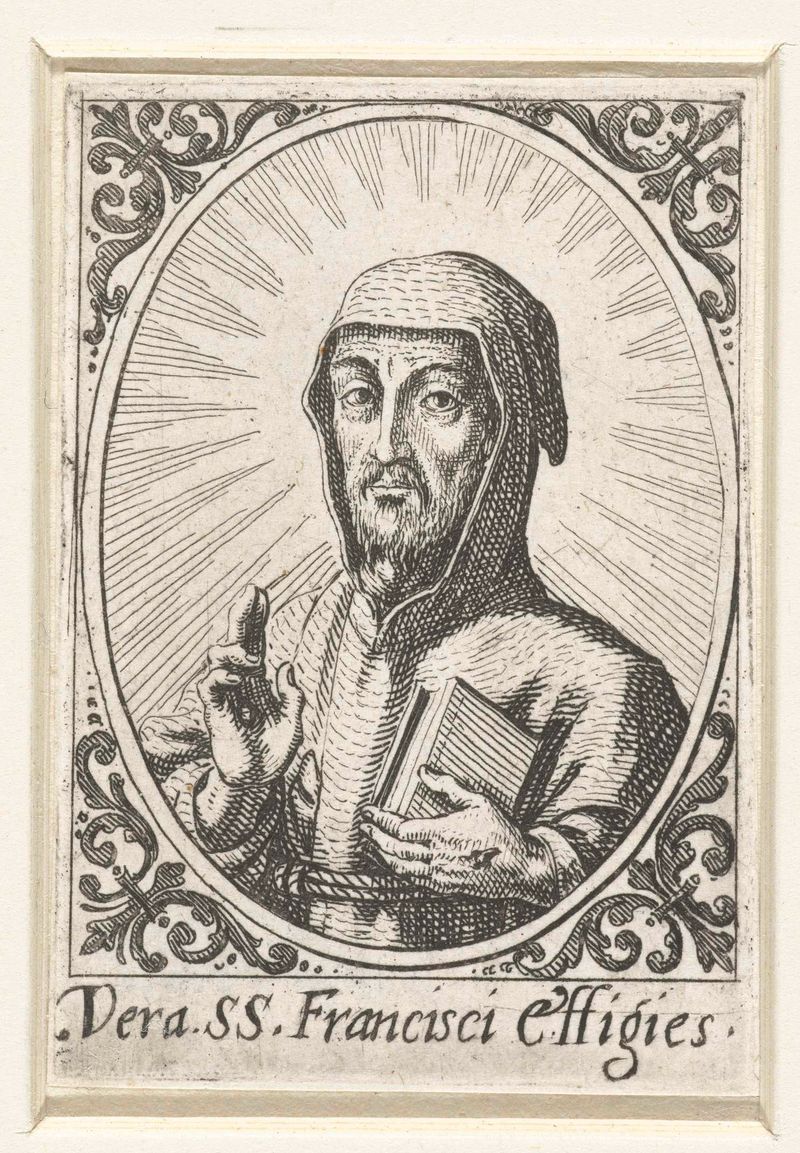
Portret van de Heilige Franciscus
Jacques Callot
More Religious Art
Browse all →
The Return of the Prodigal Son
Rembrandt van Rijn

The Garden of Earthly Delights
El Bosco

Count Orgaz’ funeral
El Greco

The Hundred Guilder Print: the central piece with Christ preaching, the plate arched
Rembrandt van Rijn

The Descent from the Cross
Rogier van der Weyden

The return of the prodigal son
Rembrandt van Rijn