
De boetvaardige Maria Magdalena — History & Facts
In the stillness of Jacques Callot’s composition, a figure kneels in quiet contemplation, and a profound void looms between her and the world. The space surrounding her is drenched in a heavy silence, inviting the viewer to reflect on the weight of her solitude. The emptiness evokes a sense of yearning, stripping away the distractions of life to reveal a raw, inner truth. Look closely at the figure of Mary Magdalene, whose downcast eyes draw you in first.
Notice how the warm, muted earth tones envelop her, contrasting sharply with her pale, delicate skin. The folds of her garment flow gracefully, almost as if they’re whispering stories of her past. The gentle flicker of light cascading upon her face and hands adds a soft luminosity, conjuring a sense of vulnerability.
Callot’s mastery in chiaroscuro emphasizes the emotional turmoil within her — a soul caught between regret and redemption. As you explore deeper, subtle details emerge: the way her hands clutch an ornate skull, a powerful reminder of mortality and the self-reflection it prompts. The delicate linework offers a visual tension, balancing fragility with the weight of sorrow. The emptiness around her speaks to the void of loss — a reminder that even in solitude, one can find profound clarity.
The interplay of light and shadow suggests a struggle, hinting at the dichotomy of sin and salvation, transcending mere representation. In 1632, Callot created this reflective piece during a period marked by personal and artistic challenges. Living in Nancy, France, he was navigating the aftermath of the Thirty Years' War, which drove societal introspection and spiritual questioning. His work from this era reveals an evolution in his style, blending Baroque influences with a unique sensitivity that captures complex human emotions at their core.
More Artworks by Jacques Callot
Browse all →
Titelprent voor de prentreeks 'De kleine apostelen' (Het martelaarschap van de apostelen)
Jacques Callot
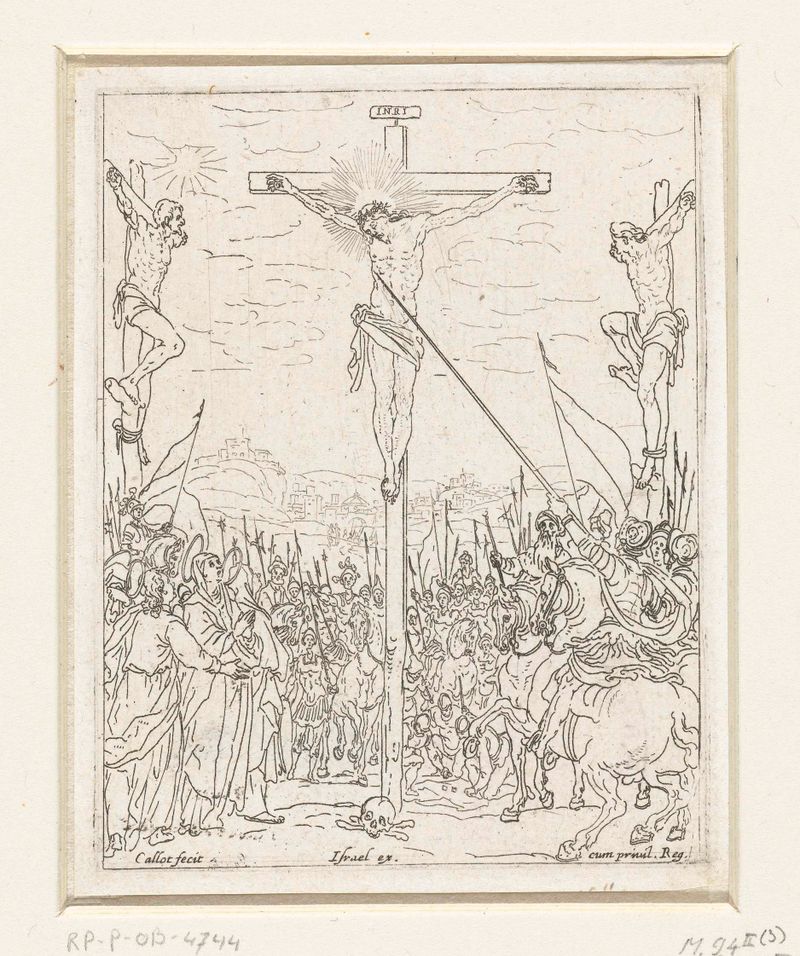
Kruisiging
Jacques Callot

De doortocht door de Rode Zee
Jacques Callot

De verloren zoon als zwijnenhoeder
Jacques Callot

Annunciatie
Jacques Callot
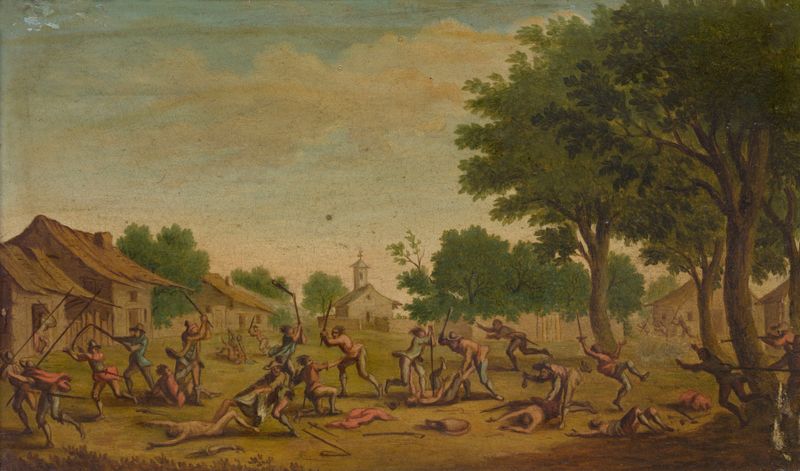
Village Fight
Jacques Callot

Titelprent voor prentreeks 'Het leven van Maria'
Jacques Callot
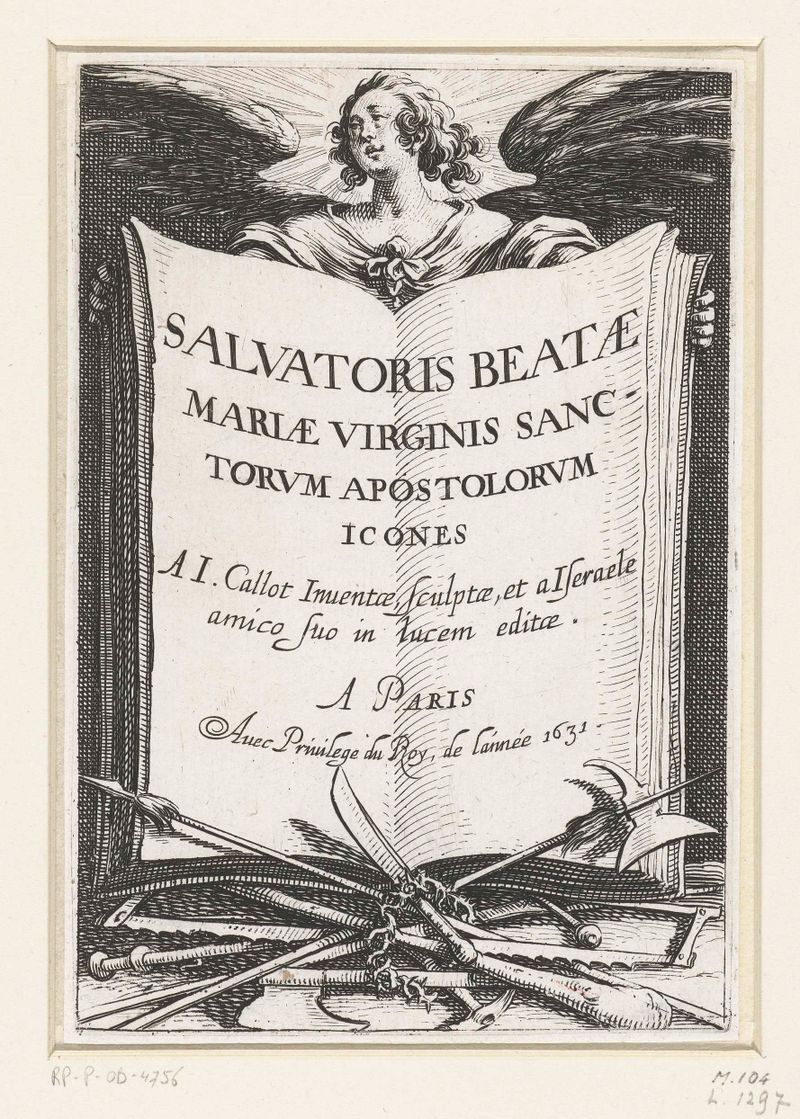
Titelprent voor de prentreeks 'De grote apostelen' (Christus, Maria en de apostelen)
Jacques Callot

Christus aan het volk getoond (Ecce homo)
Jacques Callot
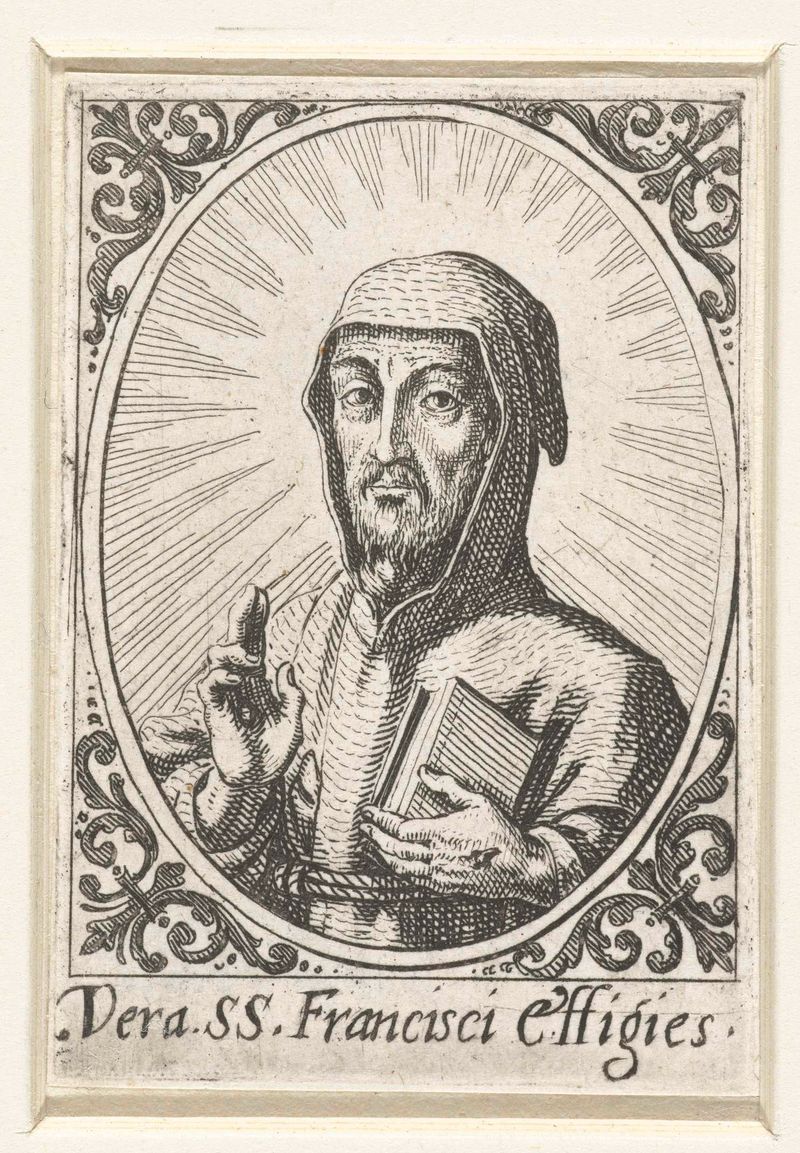
Portret van de Heilige Franciscus
Jacques Callot
More Religious Art
Browse all →
The Return of the Prodigal Son
Rembrandt van Rijn

The Garden of Earthly Delights
El Bosco

Count Orgaz’ funeral
El Greco

The Hundred Guilder Print: the central piece with Christ preaching, the plate arched
Rembrandt van Rijn

The Descent from the Cross
Rogier van der Weyden

The return of the prodigal son
Rembrandt van Rijn