
De boom van de Heilige Franciscus — History & Facts
In the delicate interplay of time and existence, the fleeting nature of mortality is captured with poignant precision in this evocative artwork. Look to the center, where the gnarled trunk of the sacred tree stands resolute, a testament to life’s endurance amid inevitable decay. The intricate detailing of its bark, wrapped with clusters of luminous foliage, invites you to explore the tension between vitality and the passage of time. A soft palette of greens and browns dances throughout the piece, highlighting the contrast between the vibrant life of the branches and the somber undertones that whisper of life’s transience. In this work, the old and the new coexist, as the tree emerges as a symbol of resilience while simultaneously reminding us of mortality’s unwavering grasp.
The entwined roots ground the composition, their subtle curling forms suggesting both growth and the slow embrace of death. Each element, from the birds perched above to the gentle caress of light filtering through the leaves, encapsulates a moment of reflection — a vivid reminder that life is both fragile and profound. Created in the early 1620s, this piece reflects Jacques Callot’s mastery during a period marked by personal and societal upheaval. Having settled in Florence, he sought to blend his experiences in France with the burgeoning Baroque movement, ultimately redefining the boundaries of printmaking.
As Callot grappled with the complexities of his own life, De boom van de Heilige Franciscus emerged not just as an artwork, but as an exploration of existence itself, encapsulating the duality of life and death.
More Artworks by Jacques Callot
Browse all →
Titelprent voor de prentreeks 'De kleine apostelen' (Het martelaarschap van de apostelen)
Jacques Callot
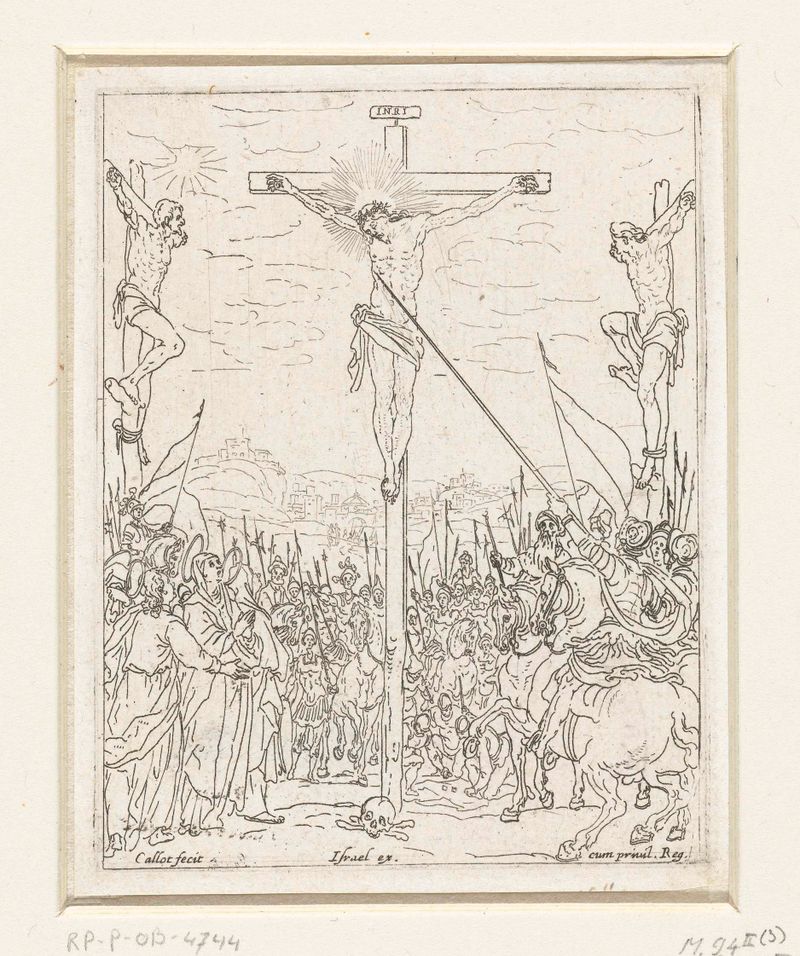
Kruisiging
Jacques Callot

De doortocht door de Rode Zee
Jacques Callot

De verloren zoon als zwijnenhoeder
Jacques Callot

Annunciatie
Jacques Callot
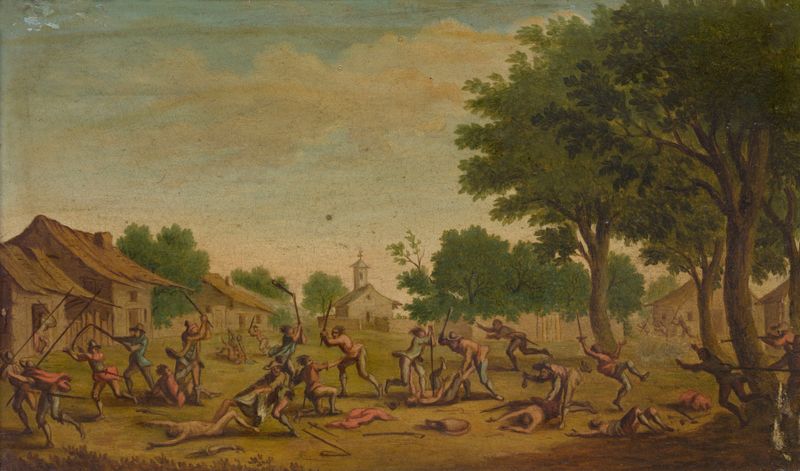
Village Fight
Jacques Callot

Titelprent voor prentreeks 'Het leven van Maria'
Jacques Callot
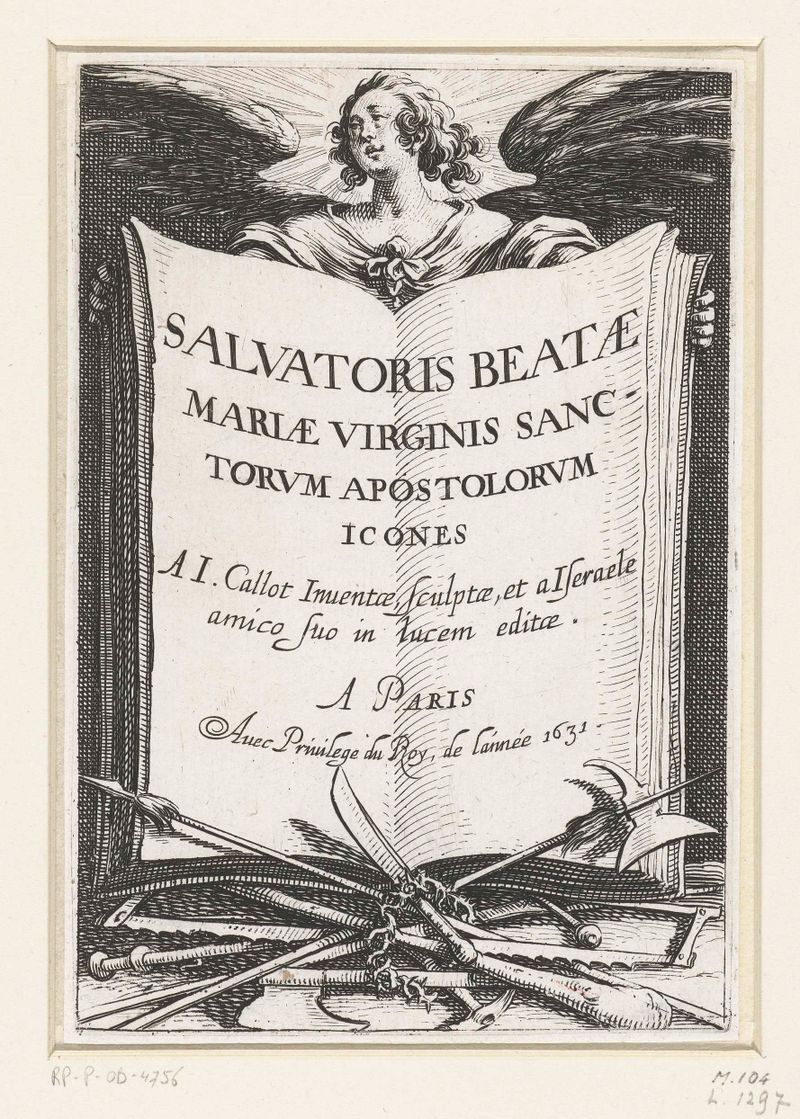
Titelprent voor de prentreeks 'De grote apostelen' (Christus, Maria en de apostelen)
Jacques Callot

Christus aan het volk getoond (Ecce homo)
Jacques Callot
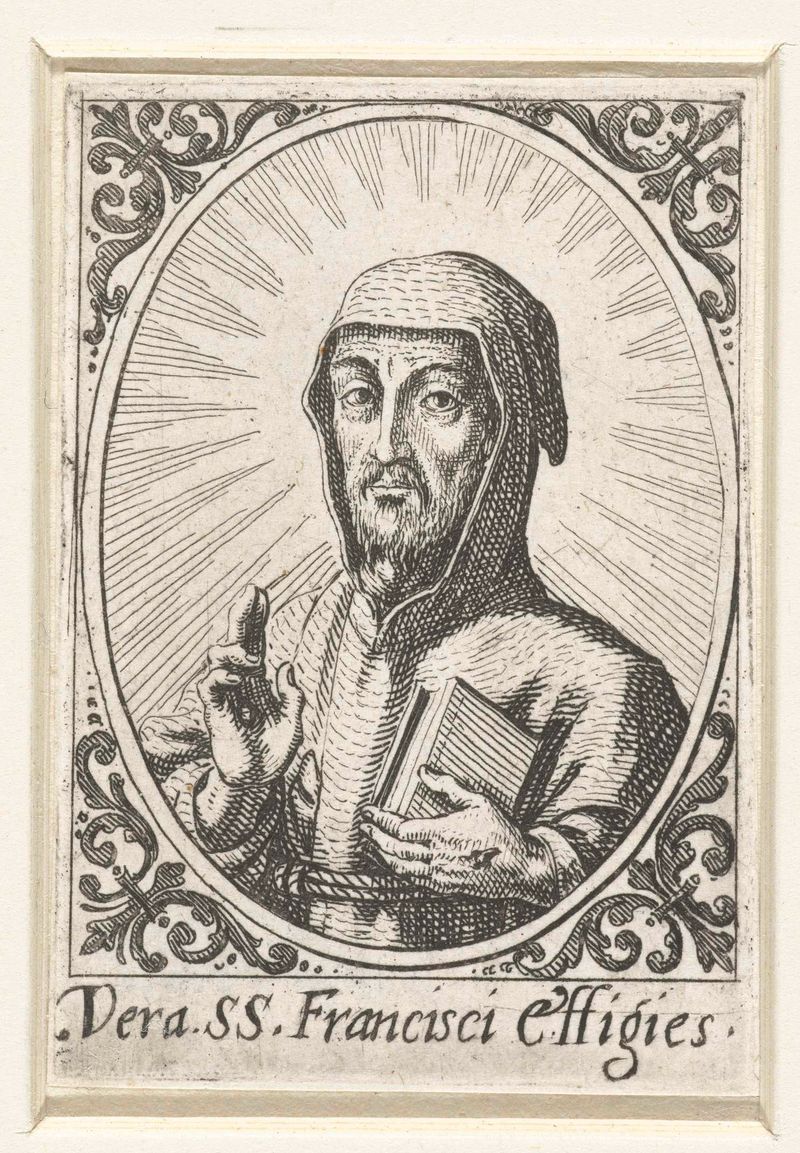
Portret van de Heilige Franciscus
Jacques Callot
More Religious Art
Browse all →
The Return of the Prodigal Son
Rembrandt van Rijn

The Garden of Earthly Delights
El Bosco

Count Orgaz’ funeral
El Greco

The Hundred Guilder Print: the central piece with Christ preaching, the plate arched
Rembrandt van Rijn

The Descent from the Cross
Rogier van der Weyden

The return of the prodigal son
Rembrandt van Rijn