
De bruid en de Dood — History & Facts
Can beauty exist without sorrow? This question resonates deeply within the haunting tableau presented by Wenceslaus Hollar. In De bruid en de Dood, the viewer is immediately drawn to the central figure of the bride, adorned in a flowing white gown that captures the light's gentle caress. Look closely at her serene expression, a fragile veil of beauty contrasted sharply by the looming presence of death beside her. The skeletal figure, draped in shadows, extends a bony hand, creating a profound tension that binds the two figures in an eternal embrace.
The muted palette enhances this dramatic interplay of light and darkness, underscoring the vulnerability of life. Delving deeper, the juxtaposition of the bride’s fresh bloom with the starkness of mortality evokes a haunting contemplation on destiny. The floral accents around her suggest fleeting beauty, yet they are overshadowed by the inevitability of decay represented by the skeletal figure. This tension speaks to the duality of existence—where love and celebration are inextricably linked to loss and sorrow.
There lies an emotional depth in the contrast, as the joyous occasion of marriage is forever intertwined with the enduring specter of death. Hollar painted De bruid en de Dood in 1651 during a period marked by both personal and societal upheaval. Living in post-war Europe, he navigated the complexities of life amidst loss and transformation. At this juncture, the art world was evolving, embracing new themes and styles, yet Hollar remained anchored in the exploration of mortality, encapsulating the timeless struggle between beauty and sorrow in his work.
More Artworks by Wenceslaus Hollar
Browse all →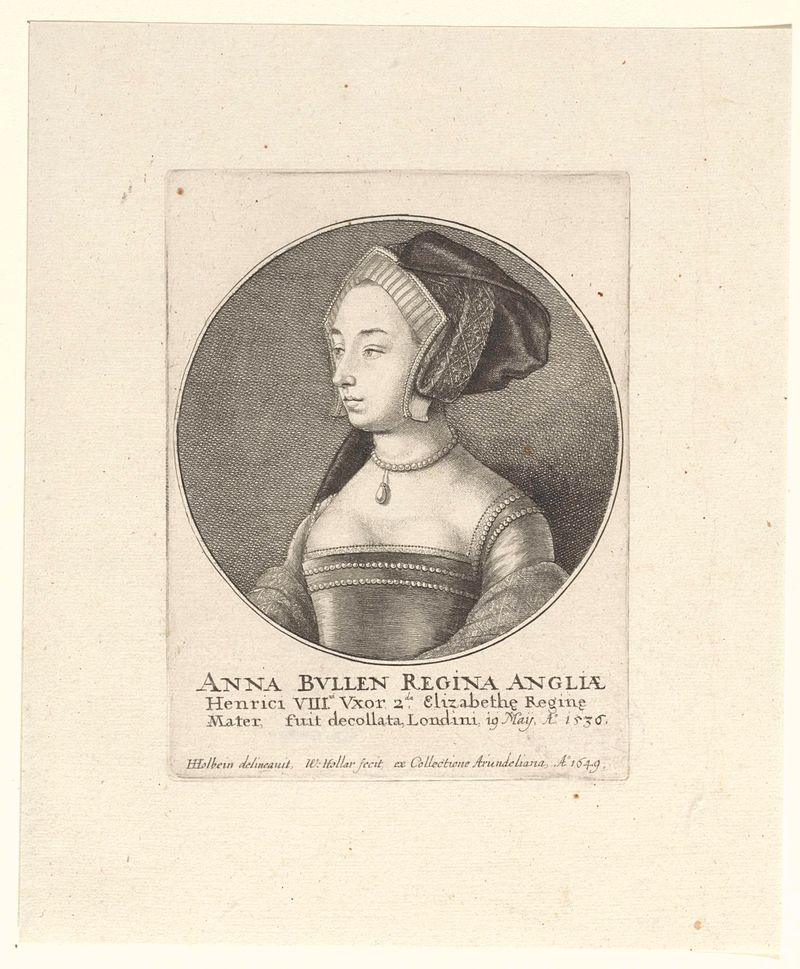
Portret van Anna Boleyn, koningin van Engeland
Wenceslaus Hollar
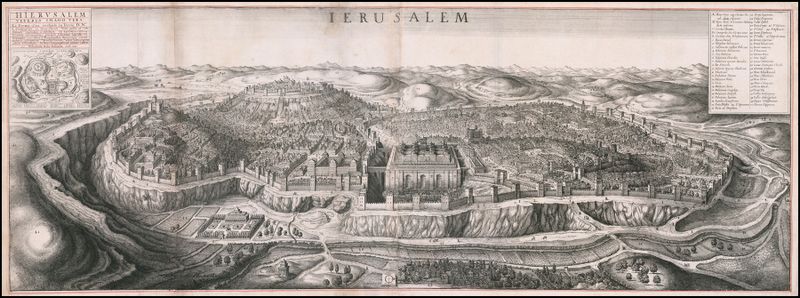
Bird’s eye view of Jerusalem
Wenceslaus Hollar
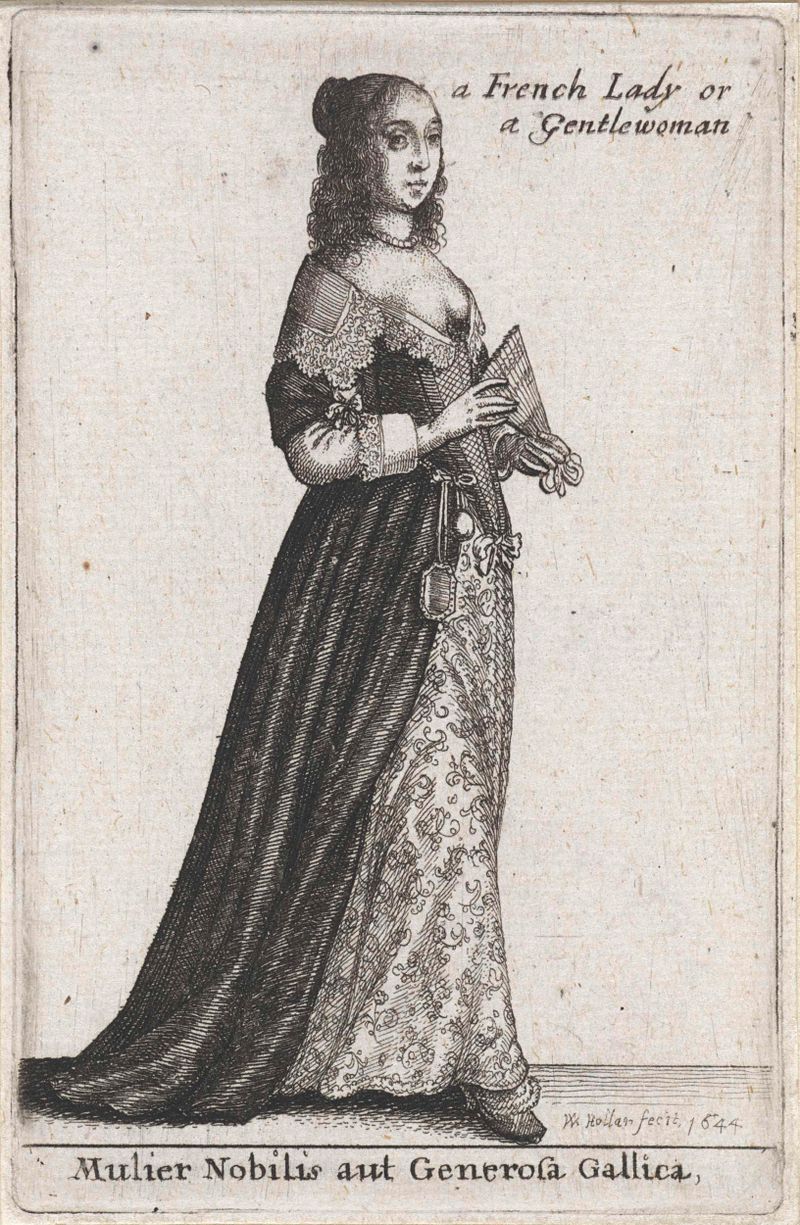
Mulier Nobilis aut Generosa Gallica / a French Lady or Gentlewoman
Wenceslaus Hollar
Titelprent voor: Ornatus Muliebris Anglicanus
Wenceslaus Hollar
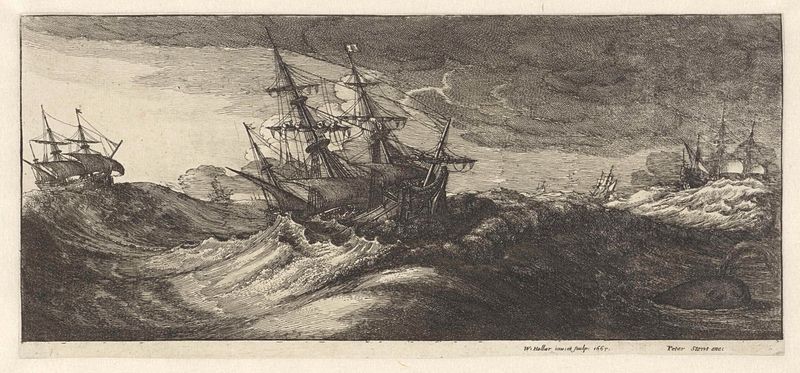
Oorlogsschepen en een walvis in een zeestorm
Wenceslaus Hollar
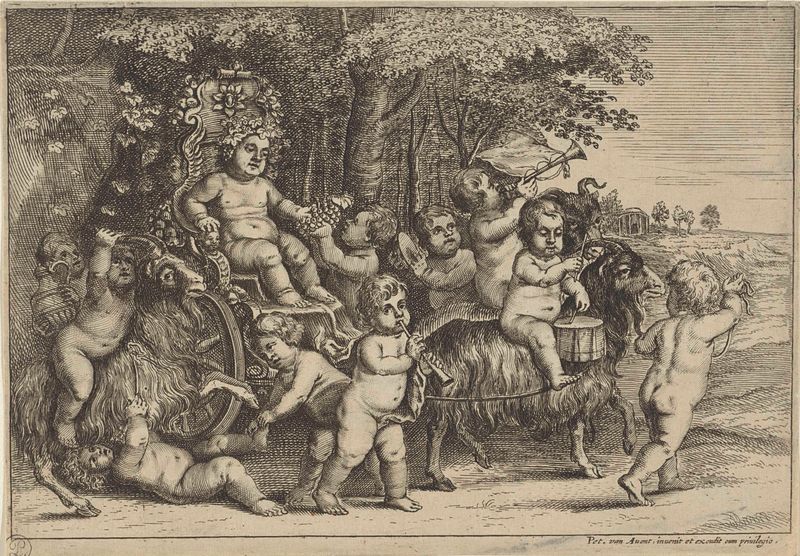
Optocht van bacchant en jongetjes op geiten
Wenceslaus Hollar
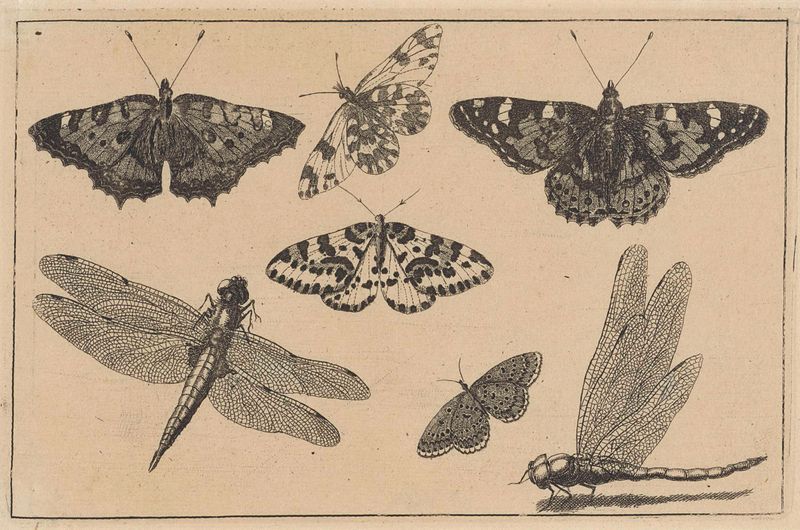
Twee libellen en vijf vlinders
Wenceslaus Hollar
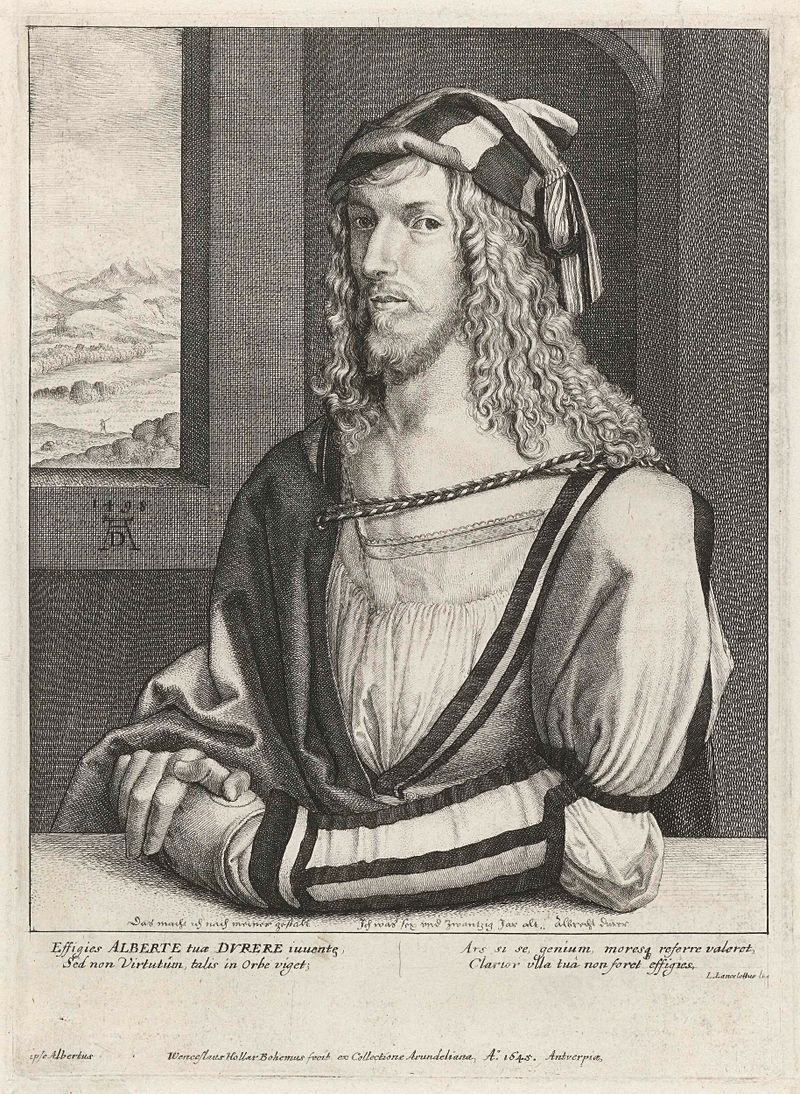
Portret van Albrecht Dürer
Wenceslaus Hollar
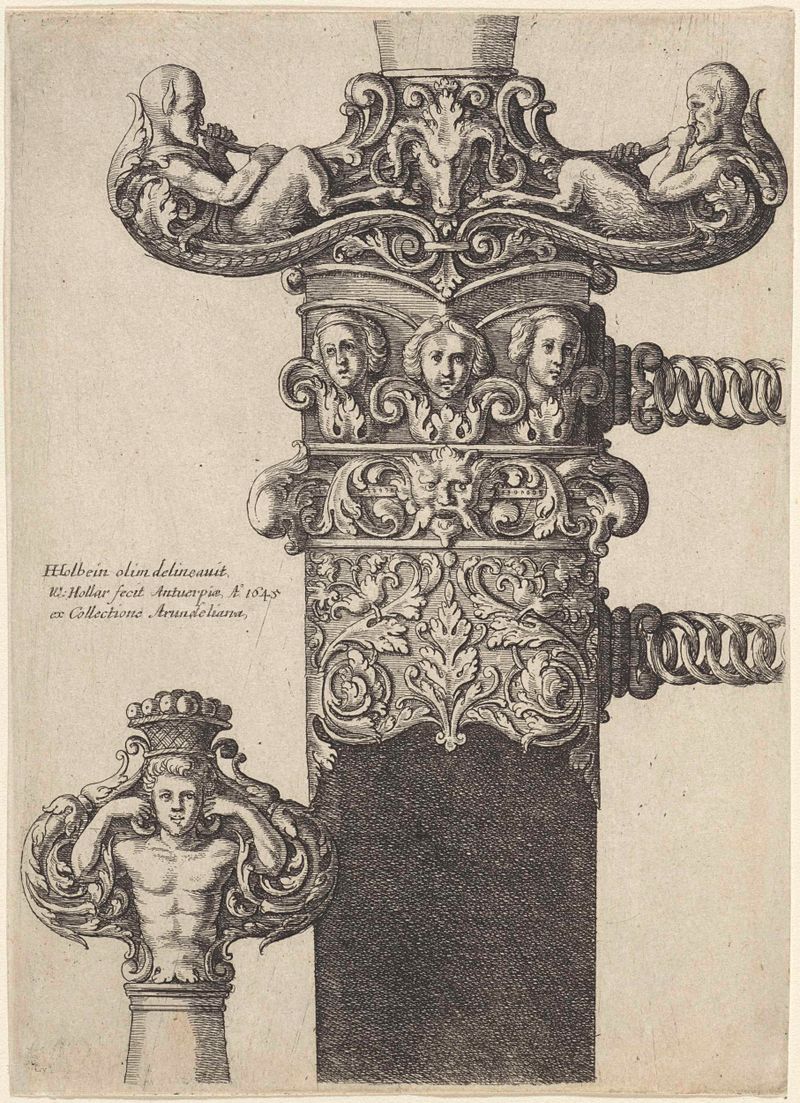
Ornamenteel ontwerp voor een dolk
Wenceslaus Hollar
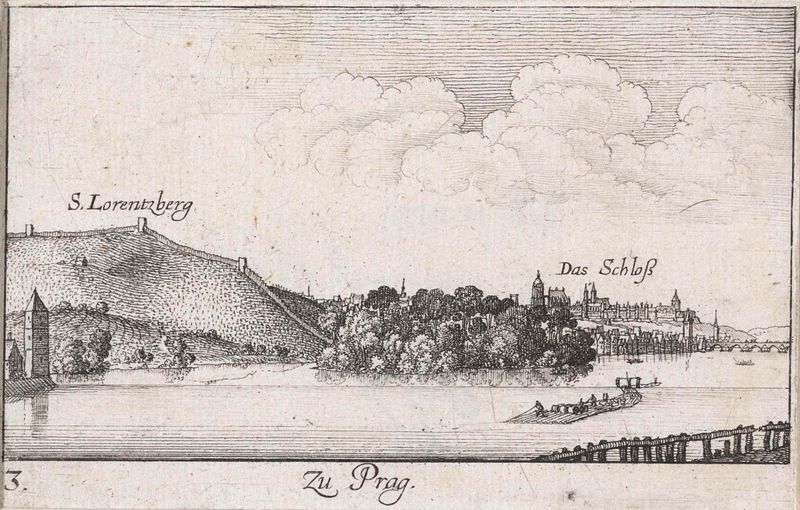
Gezicht op Praag vanaf de Moldau
Wenceslaus Hollar





