
De dood van Judas Iskariot — History & Facts
In moments of despair, serenity often finds a way to emerge, whispering truths about the human condition. As you explore this poignant work, look to the center where the figure of Judas hangs, draped in darkness yet illuminated by a soft, ethereal light emanating from an unseen source. The surrounding figures, cloaked in muted tones, draw their gazes toward the central tragedy, creating a sense of collective mourning. Pay attention to the meticulous details in the drapery, and the contrast between the somber palette and the gentle highlights, which serve to amplify the emotional weight of the scene. Delve deeper, and you’ll find an intricate web of contrasts: the stillness of Judas, resigned to his fate, set against the animated gestures of those around him, their faces a mix of sorrow and anger.
This tension speaks not just to betrayal, but to the universal experience of loss. The delicate interplay of light and shadow further emphasizes the paradox of serenity amidst chaos, inviting the viewer to reflect on the depth of emotion that tragedy can instigate. Created between 1632 and 1634, this work emerged during a transformative period for its creator, who was grappling with the complexities of human nature and morality. Callot, working in Nancy, was influenced by the Baroque movement, which sought to evoke powerful emotions through dramatic compositions.
This painting reflects his acute awareness of the fragile balance between despair and peace, a theme that resonated deeply during a tumultuous epoch in European history.
More Artworks by Jacques Callot
Browse all →
Titelprent voor de prentreeks 'De kleine apostelen' (Het martelaarschap van de apostelen)
Jacques Callot
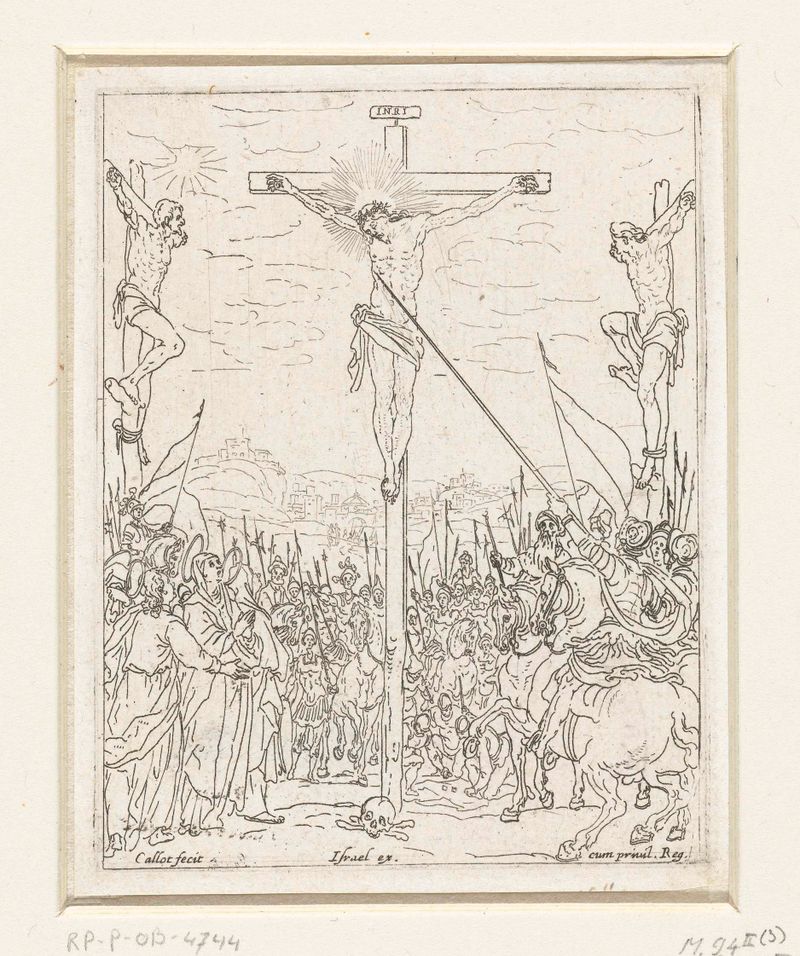
Kruisiging
Jacques Callot

De doortocht door de Rode Zee
Jacques Callot

De verloren zoon als zwijnenhoeder
Jacques Callot

Annunciatie
Jacques Callot
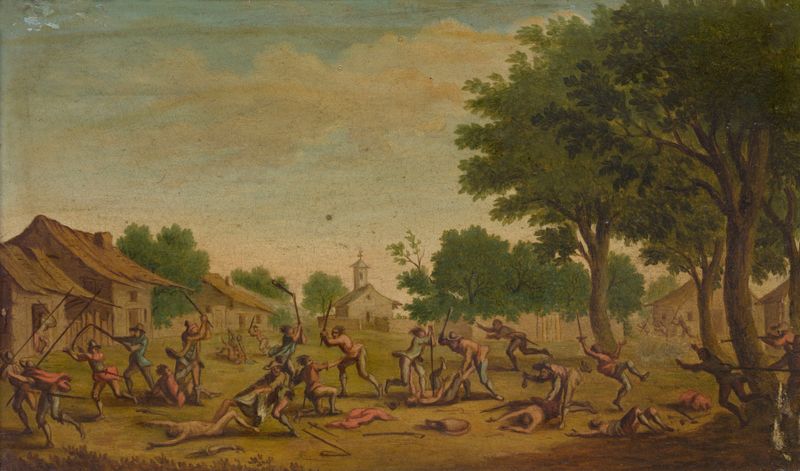
Village Fight
Jacques Callot

Titelprent voor prentreeks 'Het leven van Maria'
Jacques Callot
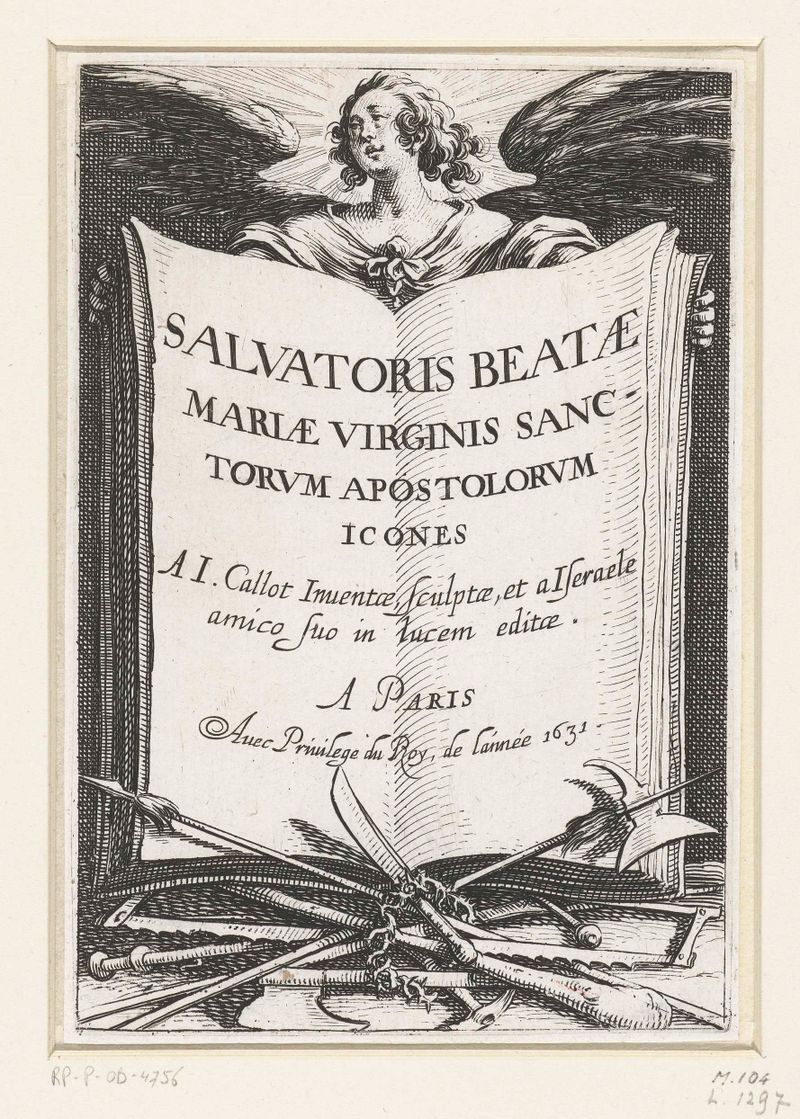
Titelprent voor de prentreeks 'De grote apostelen' (Christus, Maria en de apostelen)
Jacques Callot

Christus aan het volk getoond (Ecce homo)
Jacques Callot
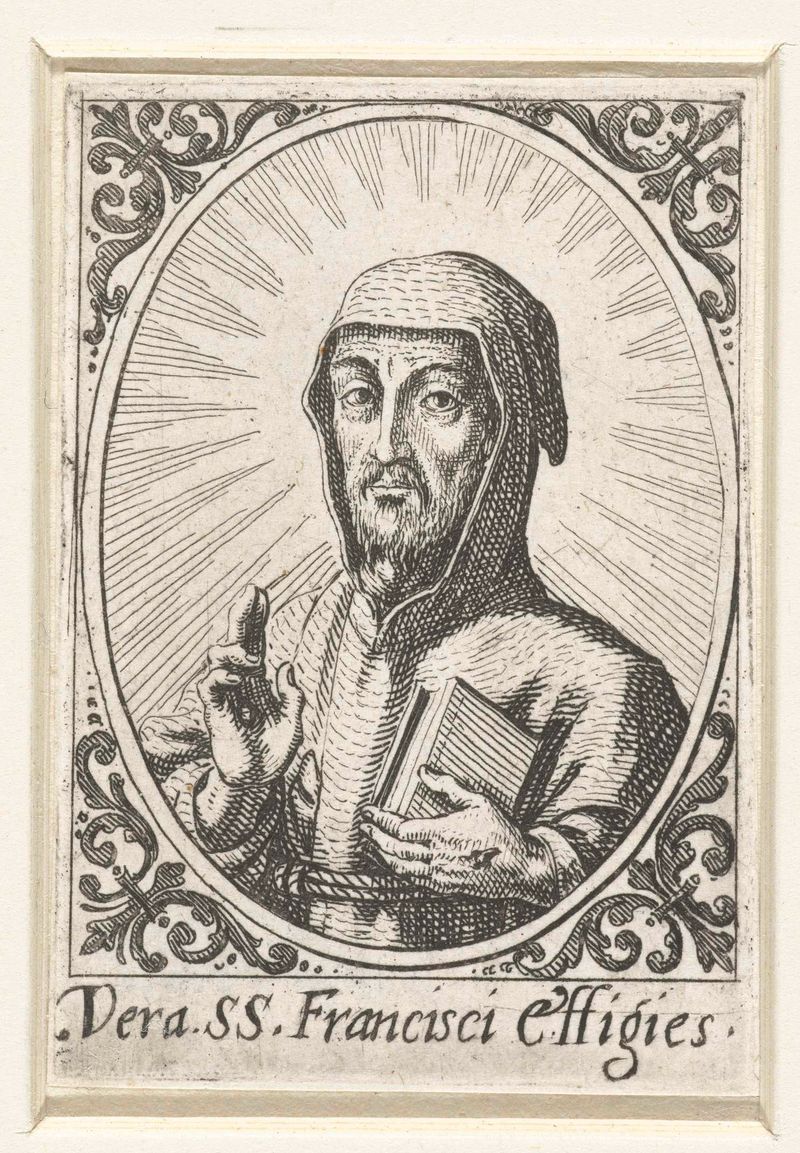
Portret van de Heilige Franciscus
Jacques Callot
More Religious Art
Browse all →
The Return of the Prodigal Son
Rembrandt van Rijn

The Garden of Earthly Delights
El Bosco

Count Orgaz’ funeral
El Greco

The Hundred Guilder Print: the central piece with Christ preaching, the plate arched
Rembrandt van Rijn

The Descent from the Cross
Rogier van der Weyden

The return of the prodigal son
Rembrandt van Rijn