
De dood van Maria Magdalena — History & Facts
In the depths of grief, we find a haunting beauty that transcends the pain, revealing the fragility of loss and the resilience of the human spirit. Look to the center of the canvas, where a figure lies draped in sorrow. The intricate lines and muted colors highlight the solemnity of the scene, capturing the moment of mourning with an almost palpable intensity. Notice how the interplay of light and shadow dances across the surface, lending depth to the expressions of the onlookers, each gesture conveying a profound sense of despair and reverence.
The delicate details of the figures surrounding the central subject draw us into their shared sorrow, inviting us to witness their silent lament. The composition holds hidden tensions, contrasting the stillness of death with the chaotic emotions of the mourners. Each figure is a study in grief, their faces etched with despair and compassion, while the surrounding darkness envelops them, symbolizing the weight of their loss. Callot’s use of swirling forms suggests turmoil, yet the overall harmony of the arrangement conveys an unexpected solace.
Here, grief does not merely exist; it transforms, becoming a shared experience that binds them together in their mourning. In 1632, Jacques Callot painted this work during a period marked by personal and societal upheaval. Living in a time of conflict and plague in France, he faced his own struggles as an artist striving for recognition. This piece encapsulates not only the artist's engagement with themes of mortality and human connection but also reflects the broader anxieties of a world grappling with loss, making it a powerful testament to the enduring nature of grief.
More Artworks by Jacques Callot
Browse all →
Titelprent voor de prentreeks 'De kleine apostelen' (Het martelaarschap van de apostelen)
Jacques Callot
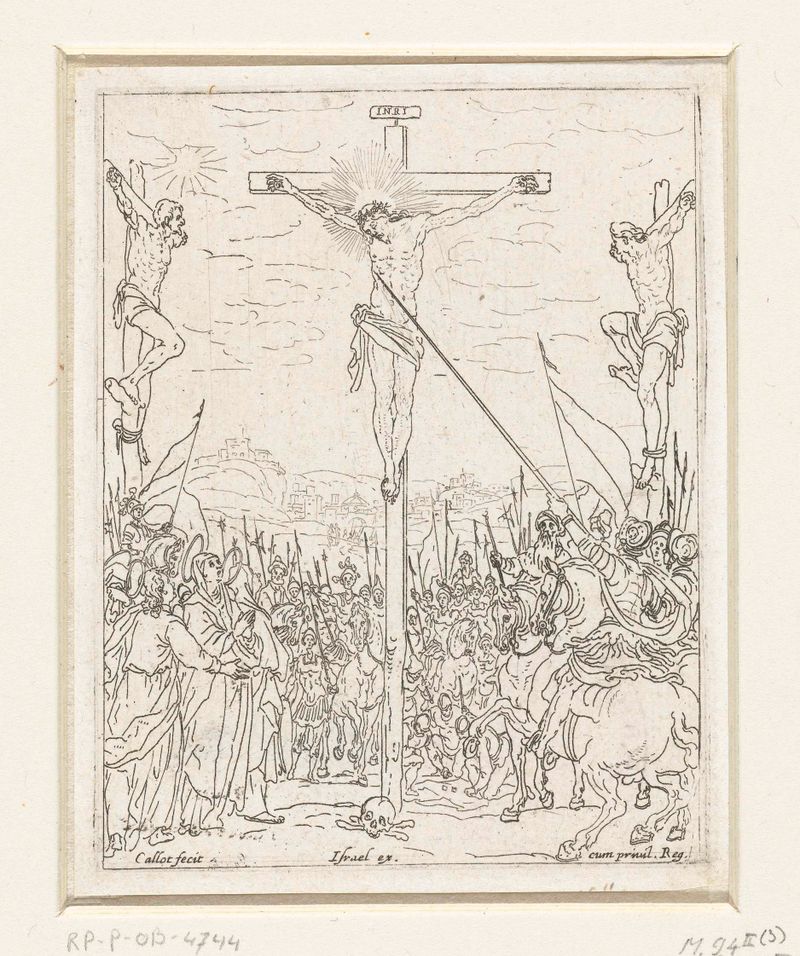
Kruisiging
Jacques Callot

De doortocht door de Rode Zee
Jacques Callot

De verloren zoon als zwijnenhoeder
Jacques Callot

Annunciatie
Jacques Callot
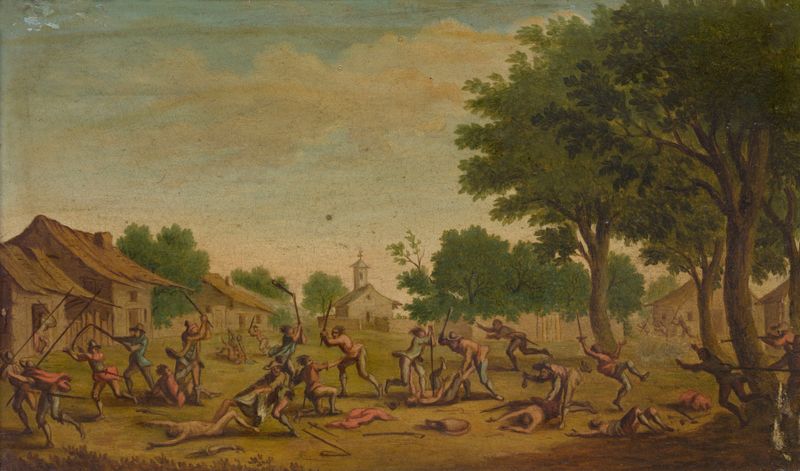
Village Fight
Jacques Callot

Titelprent voor prentreeks 'Het leven van Maria'
Jacques Callot
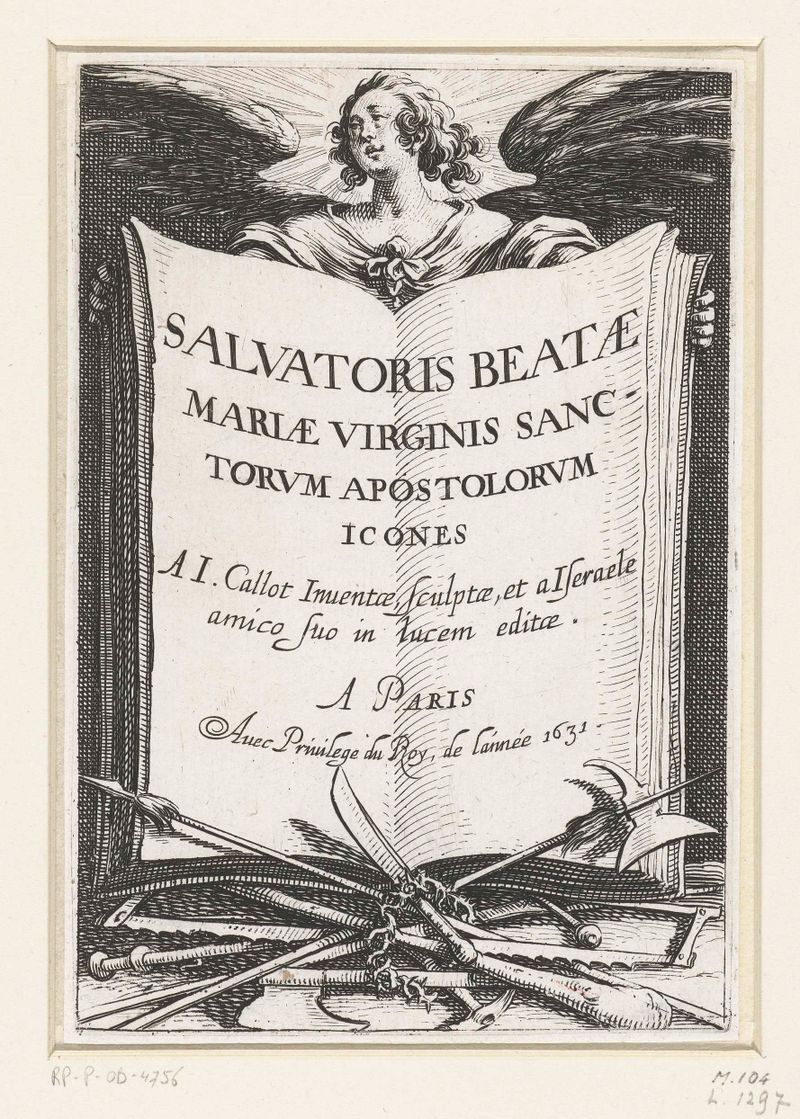
Titelprent voor de prentreeks 'De grote apostelen' (Christus, Maria en de apostelen)
Jacques Callot

Christus aan het volk getoond (Ecce homo)
Jacques Callot
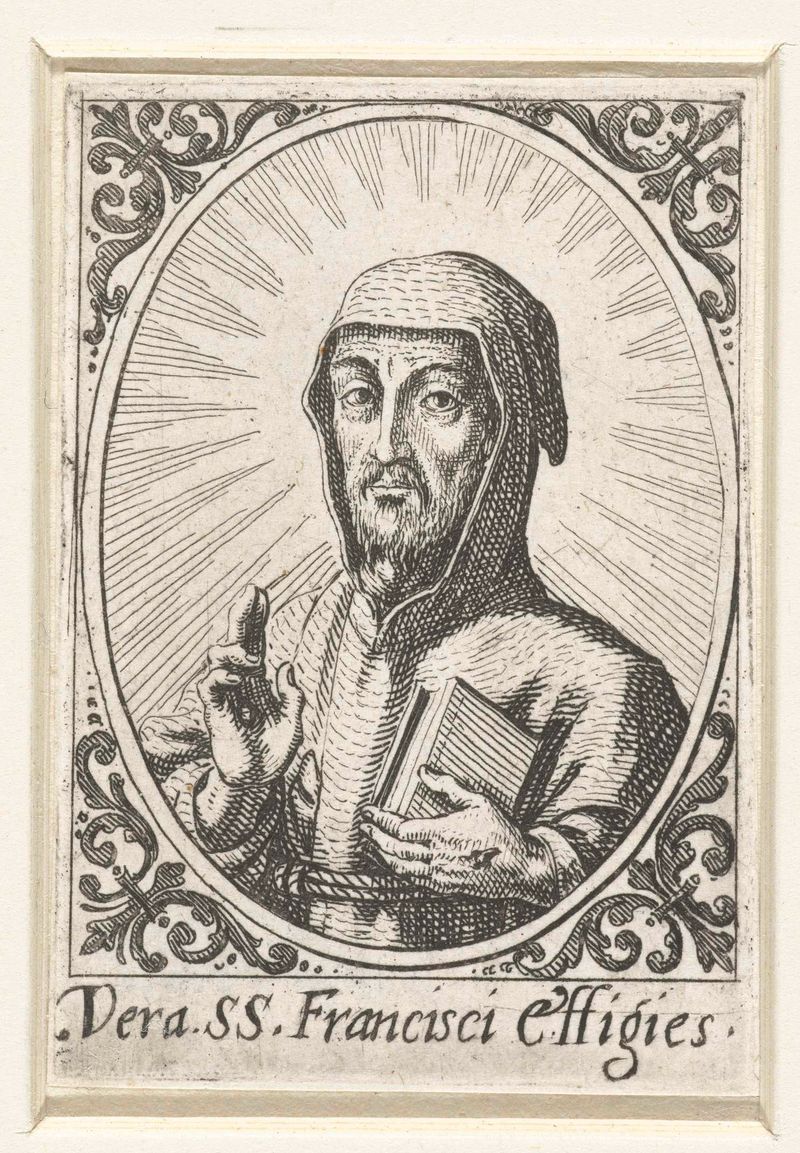
Portret van de Heilige Franciscus
Jacques Callot
More Religious Art
Browse all →
The Return of the Prodigal Son
Rembrandt van Rijn

The Garden of Earthly Delights
El Bosco

Count Orgaz’ funeral
El Greco

The Hundred Guilder Print: the central piece with Christ preaching, the plate arched
Rembrandt van Rijn

The Descent from the Cross
Rogier van der Weyden

The return of the prodigal son
Rembrandt van Rijn