
De graflegging — History & Facts
Is this a mirror — or a memory? The act of laying to rest, laden with both sorrow and betrayal, captures the viewer's heart in a delicate grasp. Look to the center of the composition, where Dürer meticulously orchestrates a somber assembly around the lifeless figure. Notice the profound attention to detail in the human forms; each gesture reveals a poignant narrative of grief. The light, emanating softly from an unseen source, highlights the pallor of the deceased, contrasting sharply with the dark, rich tones of the figures surrounding him, emphasizing their emotional weight. Dürer’s choice of color conveys a deep complexity; the muted palette evokes feelings of loss, while subtle hints of brighter hues suggest lingering hope amidst despair.
The tension between the figures—some weeping, others somber—mirrors the conflicting emotions tied to death, as betrayal lingers in the air like an unspoken word. The intertwined hands, both supportive and desperate, encapsulate the essence of human connection and isolation in the face of mortality. Created in 1512, this work came during a pivotal moment in Albrecht Dürer’s life in Nuremberg, where he was becoming increasingly recognized for his printmaking and painting. The artist was navigating the tumultuous waters of the Northern Renaissance, a time marked by shifts in thought and artistry.
Amidst personal and political upheaval, De graflegging reflects not only the artist’s technical prowess but also his engagement with profound themes of loss and betrayal, resonating with both his contemporaries and future generations.
More Artworks by Albrecht Dürer
Browse all →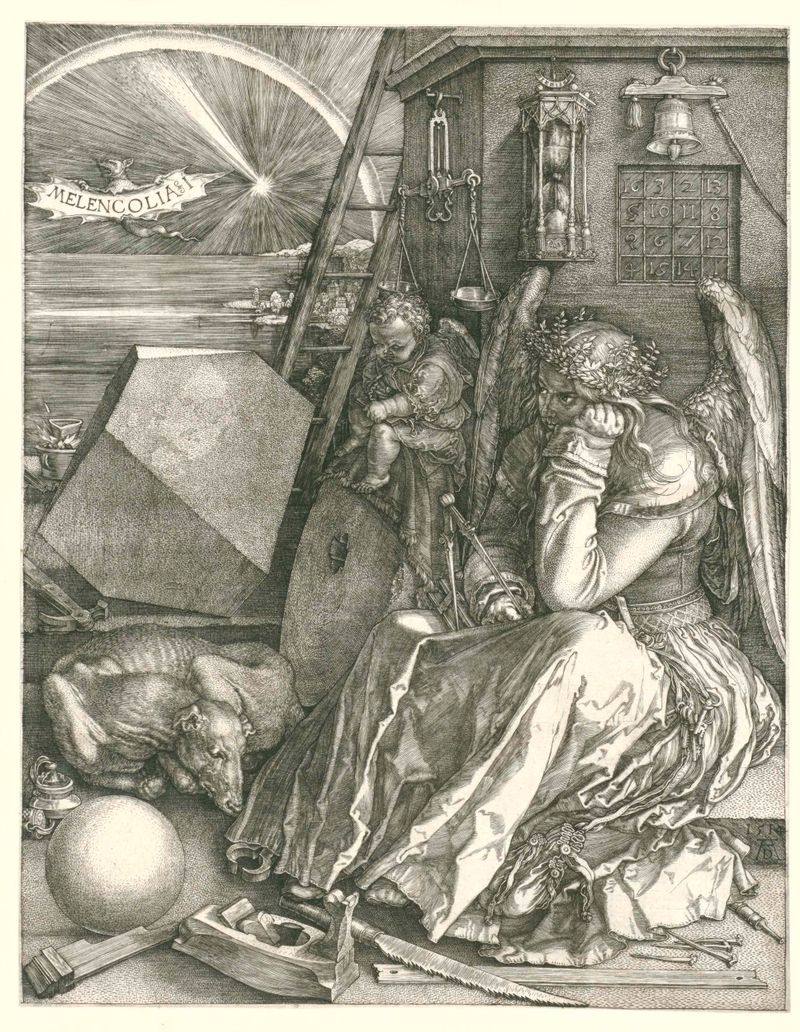
Melancholia
Albrecht Dürer
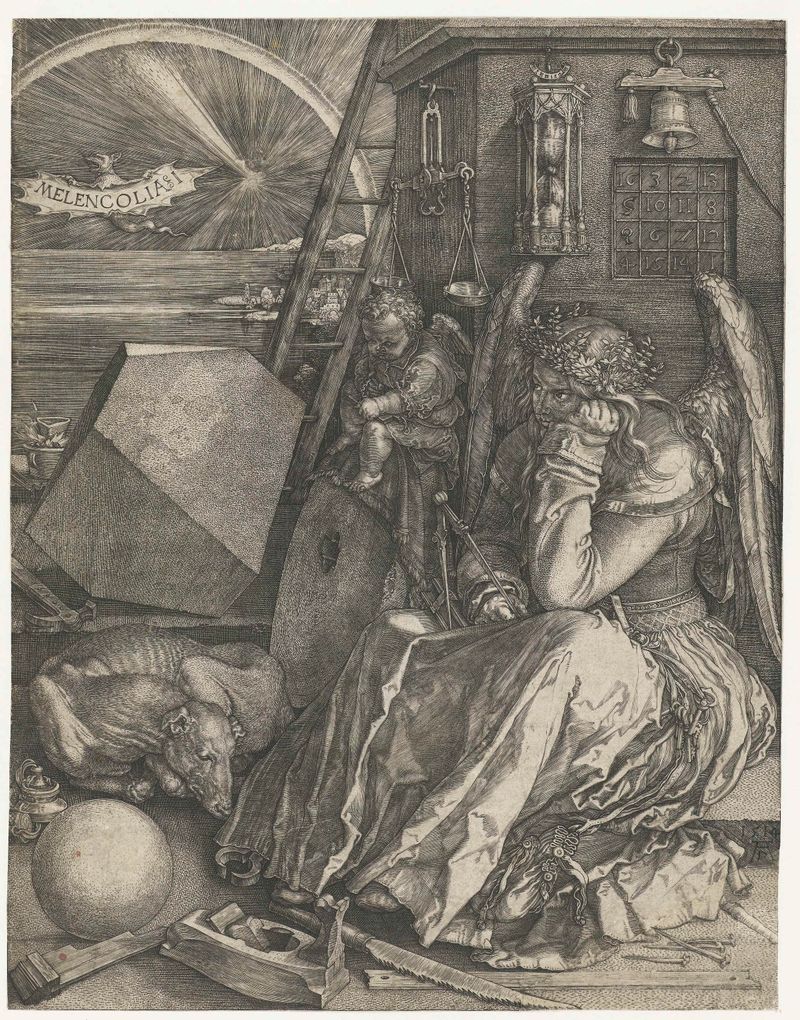
Melancholie
Albrecht Dürer
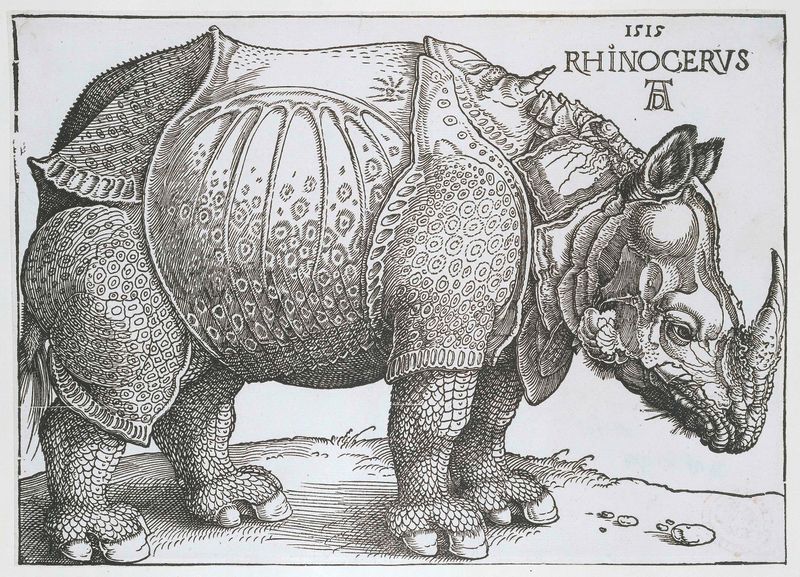
Neushoorn
Albrecht Dürer
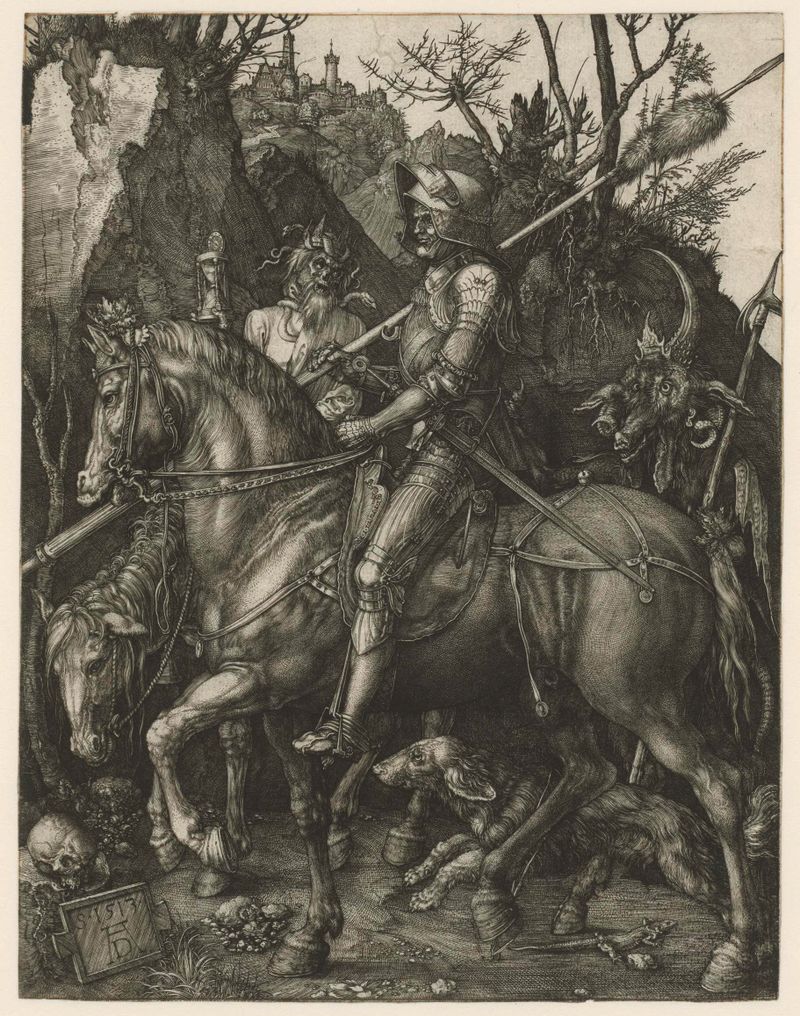
Knight, Death, and the Devil
Albrecht Dürer

De vier ruiters van de apocalyps
Albrecht Dürer

De vier ruiters van de apocalyps
Albrecht Dürer
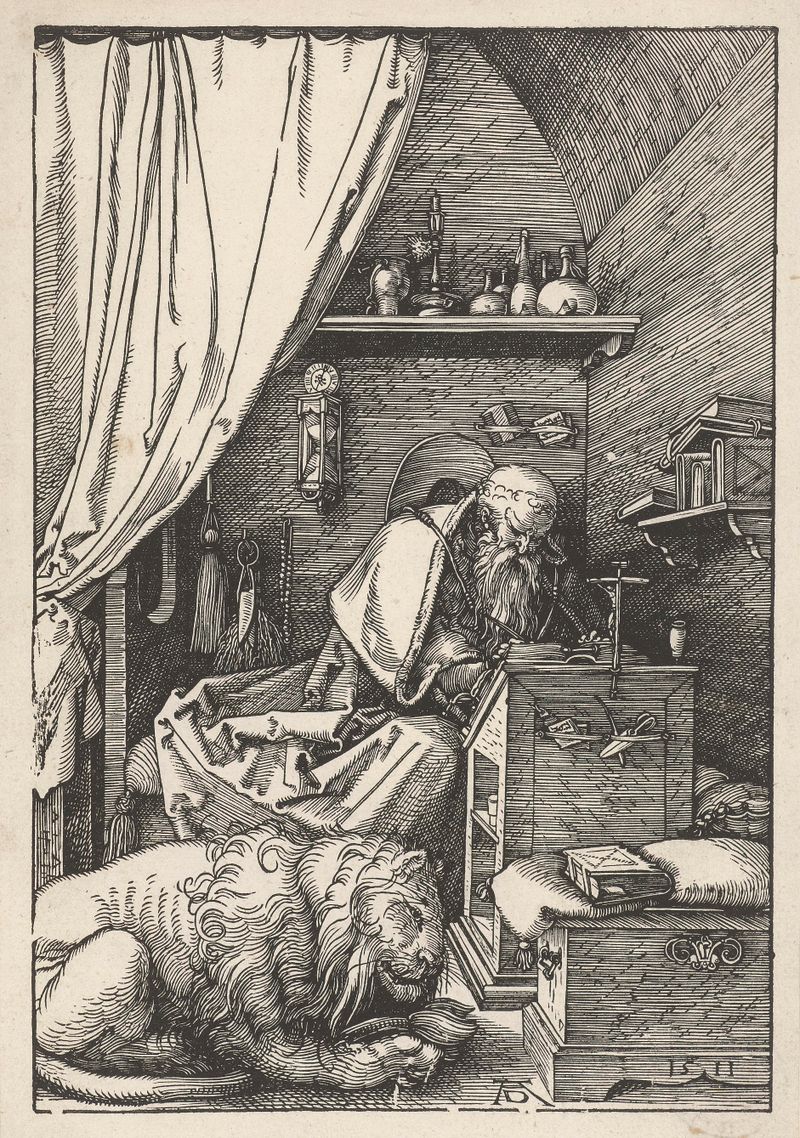
De Heilige Hiëronymus in zijn studeervertrek
Albrecht Dürer
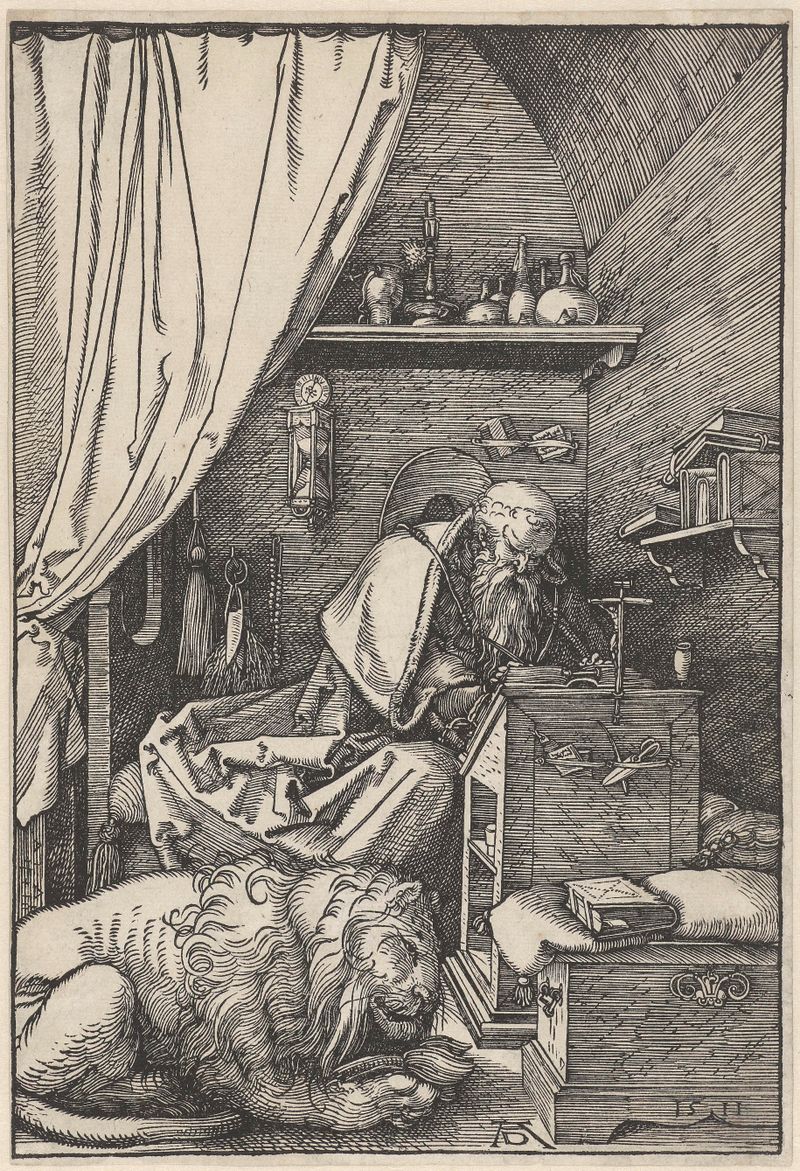
De Heilige Hiëronymus in zijn studeervertrek
Albrecht Dürer
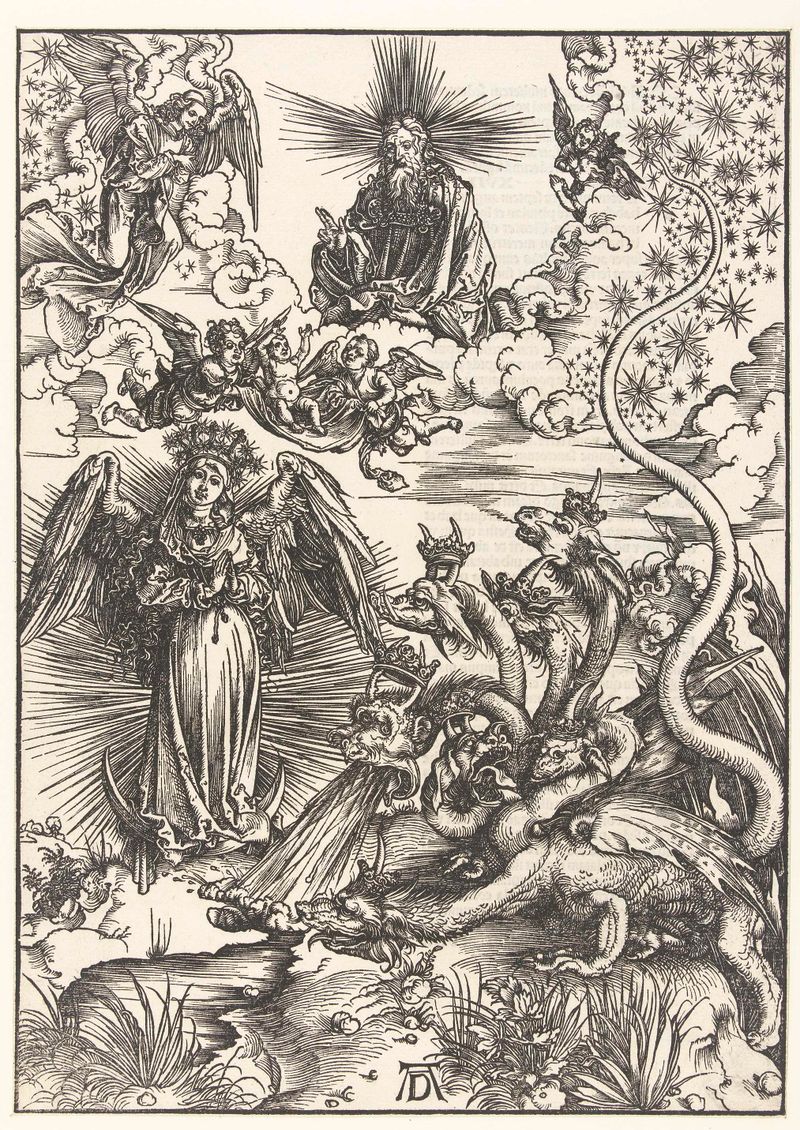
De apocalyptische vrouw en de zevenkoppige draak
Albrecht Dürer
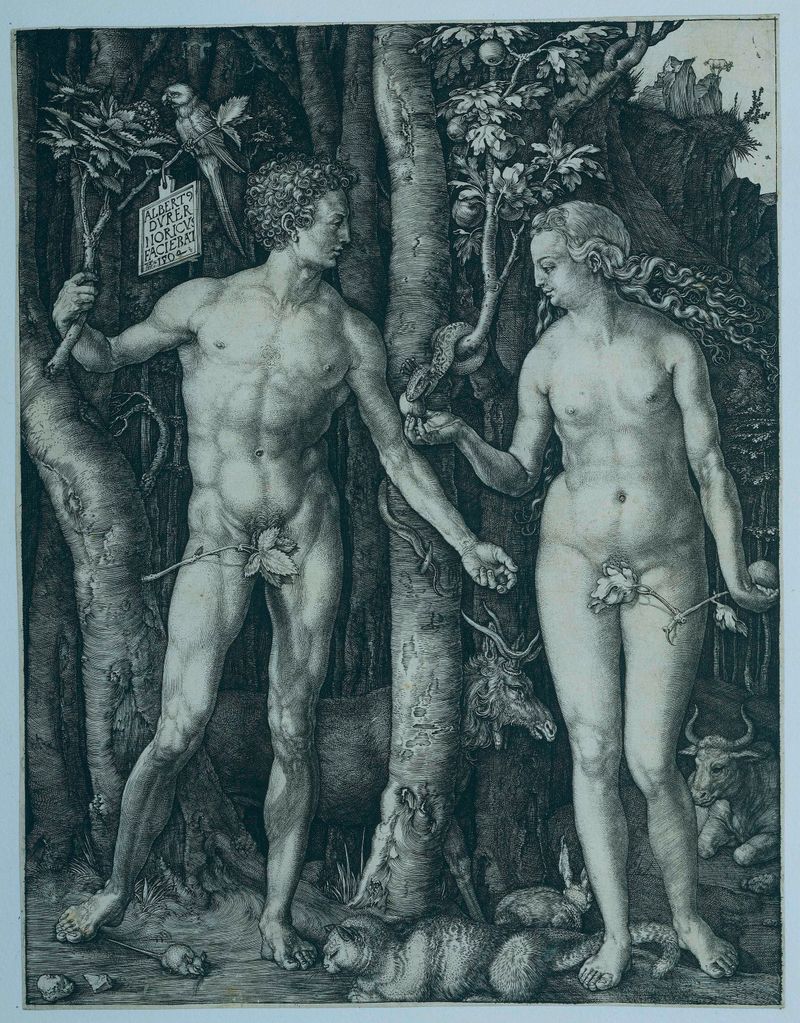
Adam en Eva
Albrecht Dürer
More Historical Art
Browse all →
The Night Watch Militia Company of District II under the Command of Captain Frans Banninck Cocq
Rembrandt van Rijn

Lincoln Memorial
Henry Bacon

The Third of May 1808
Francisco de Goya

Isaac and Rebecca, Known as ‘The Jewish Bride’
Rembrandt van Rijn

The Charge of the Mamelukes (1814)
Francisco de Goya
De vier ruiters van de apocalyps
Albrecht Dürer