
De grote Ecce Homo — History & Facts
In De grote Ecce Homo, light and shadow intertwine to illuminate a powerful moment of hope amidst despair. The intricate details of the figures draw us into a story that transcends the canvas, urging us to confront the weight of human suffering and the flicker of redemption. Focus on the figure of Christ, standing at the center, his serene demeanor contrasting sharply with the tumult around him. Notice how the soft light caresses his face, highlighting the sorrow in his eyes, while the surrounding figures are cast in deeper shadows, their expressions a mix of anguish and disbelief.
The rich colors of crimson and azure enhance the drama, pulling us in and anchoring our gaze on the central figure’s profound stillness amidst chaos. This artwork encapsulates the struggle between hope and despair, with the resplendent Christ symbolizing the possibility of redemption. The surrounding figures represent humanity’s turmoil, their gestures a poignant commentary on the conflict between faith and doubt. The delicate rendering of textures—like the softness of Christ’s garment against the roughness of the onlookers’ clothing—further accentuates the tensions of the human experience, inviting viewers to sit with their own feelings of longing and resolution. Created in 1510 in the Netherlands, this significant piece by a young Lucas van Leyden reflects a period of profound change in both his life and the art world.
As a pioneering Northern Renaissance artist, he was exploring new techniques in printmaking and painting, contributing to the evolving dialogue of humanism and spiritual expression in art. This work emerged at a time when artists were increasingly focused on emotional depth and storytelling, positioning Van Leyden as a pivotal figure in the history of art.
More Artworks by Lucas van Leyden
Browse all →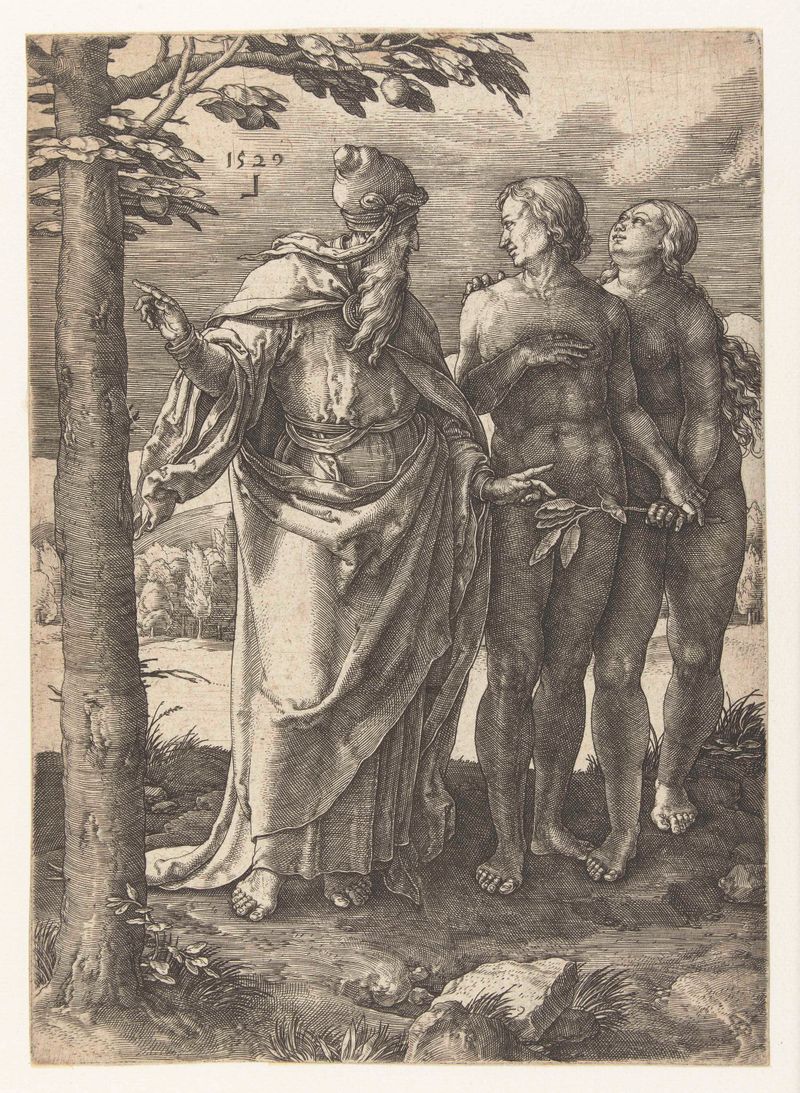
Het eerste verbod
Lucas van Leyden
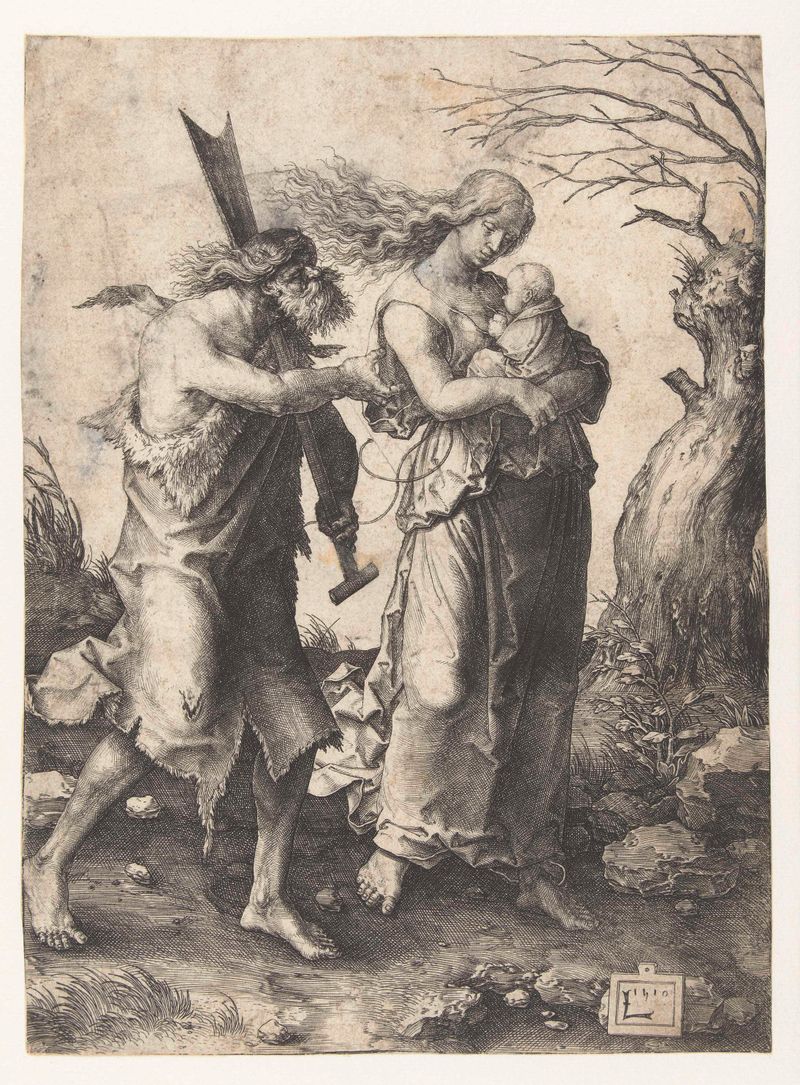
Adam en Eva na de verdrijving uit het paradijs
Lucas van Leyden
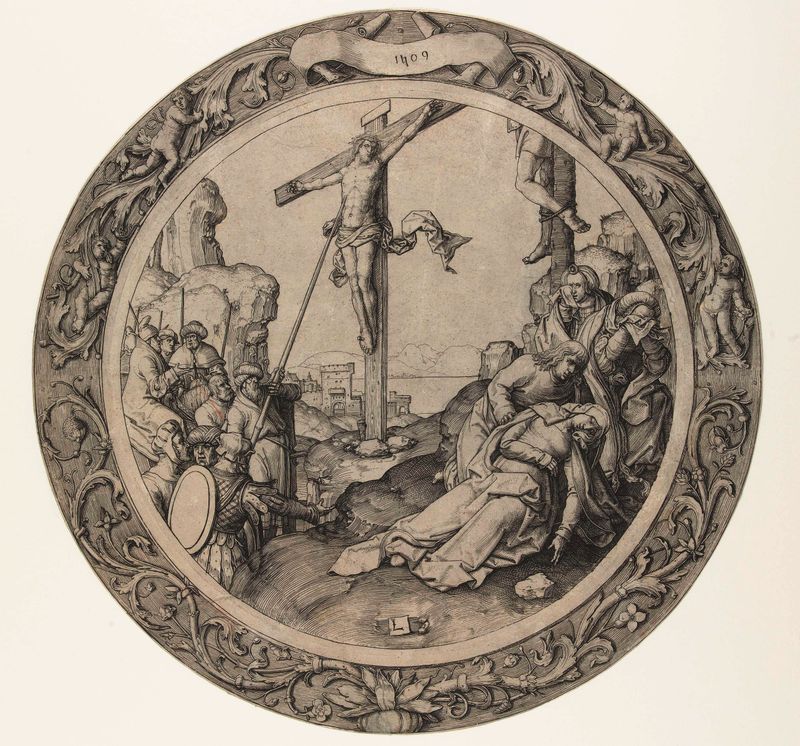
De kruisiging
Lucas van Leyden
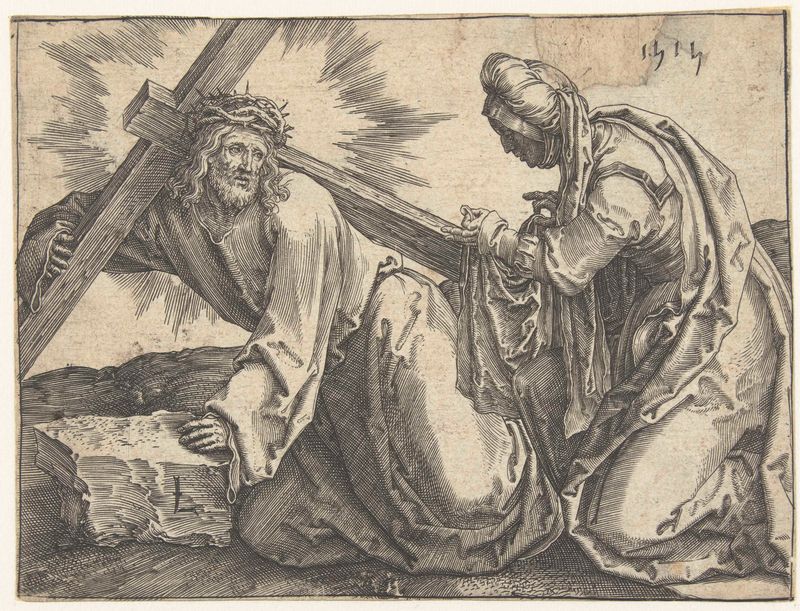
Kruisdraging
Lucas van Leyden
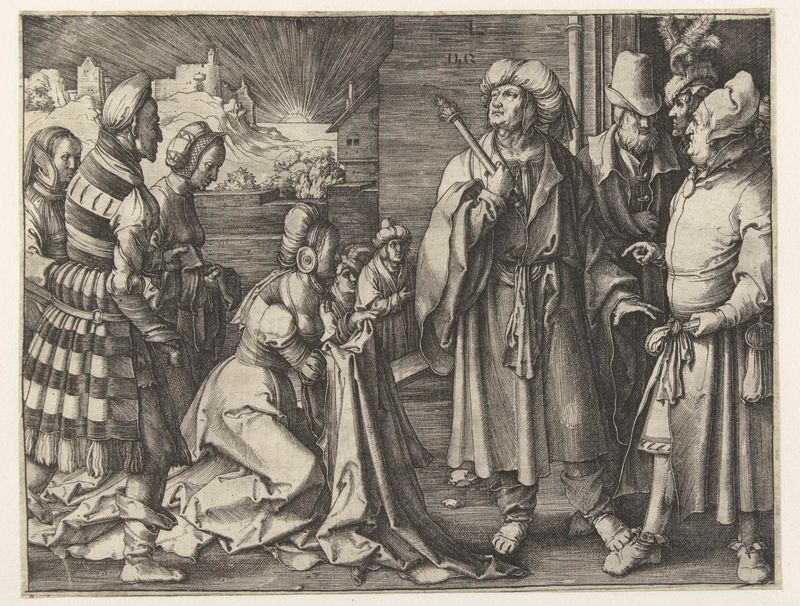
De vrouw van Potifar beschuldigt Jozef
Lucas van Leyden
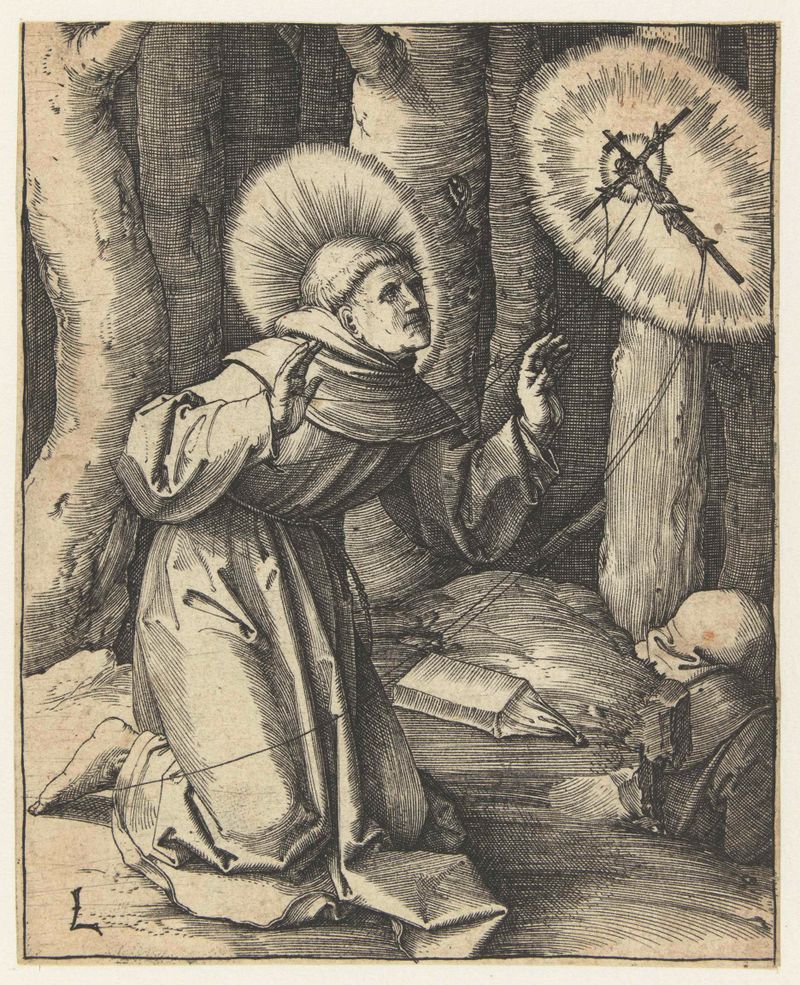
De stigmatisatie van de heilige Franciscus
Lucas van Leyden
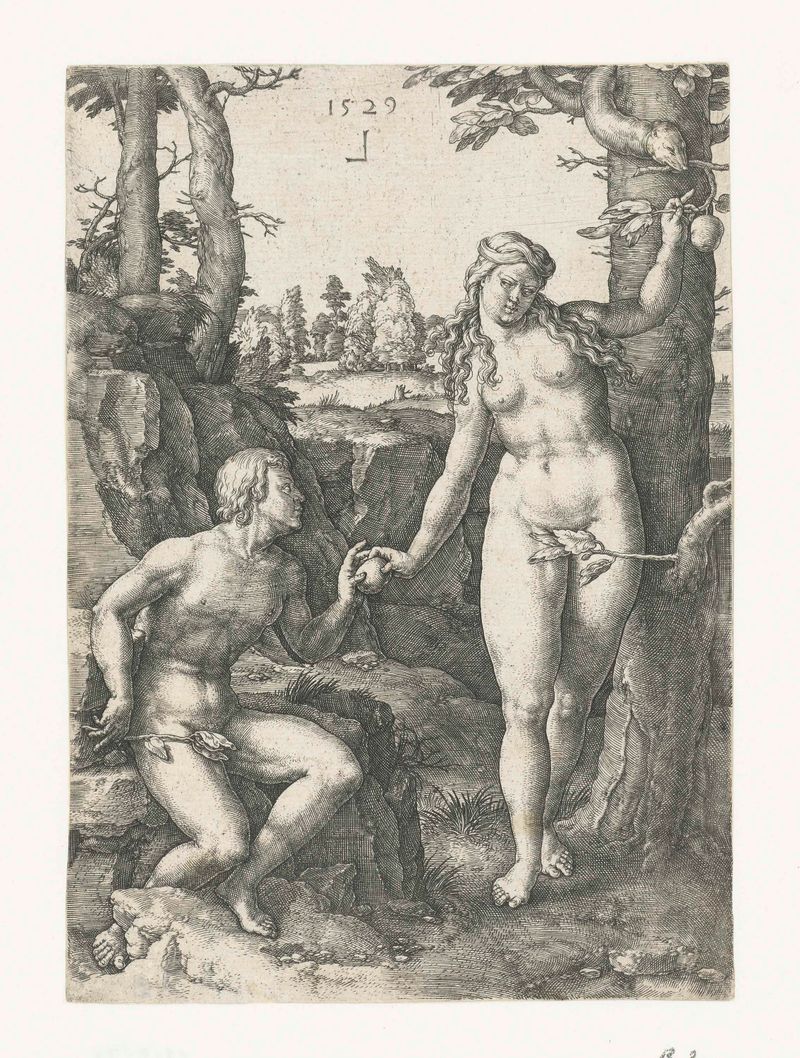
De zondeval
Lucas van Leyden
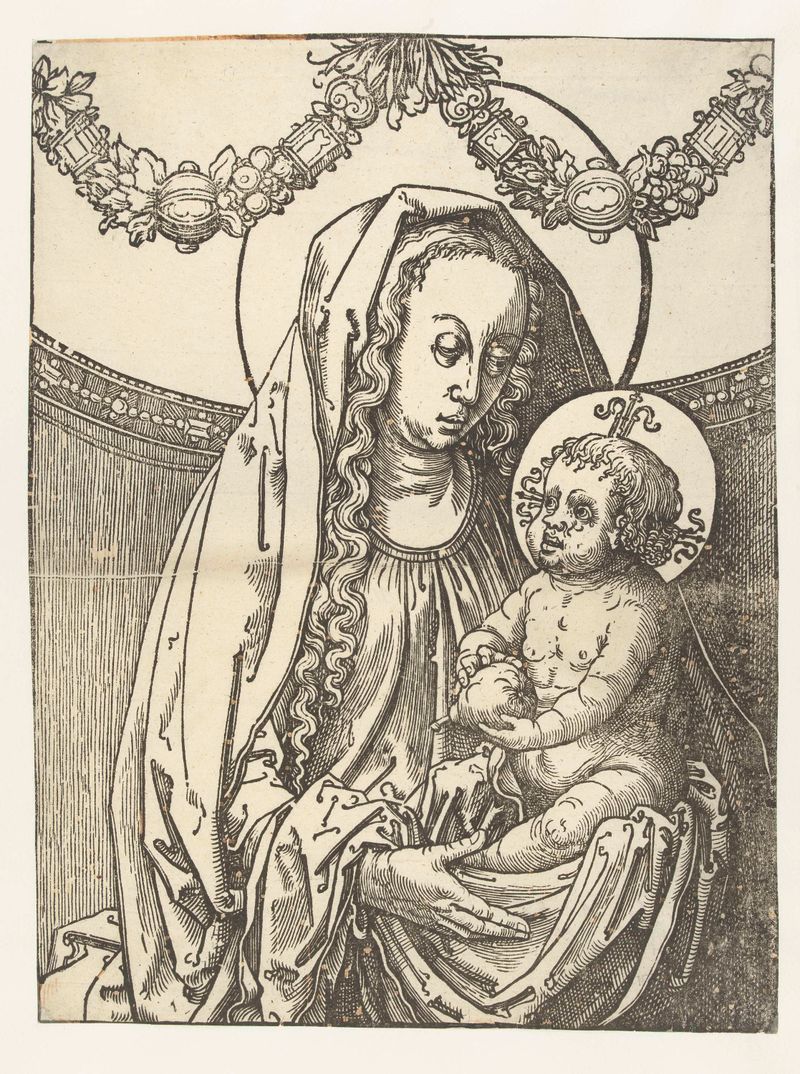
Maria met kind
Lucas van Leyden

Doornenkroning
Lucas van Leyden
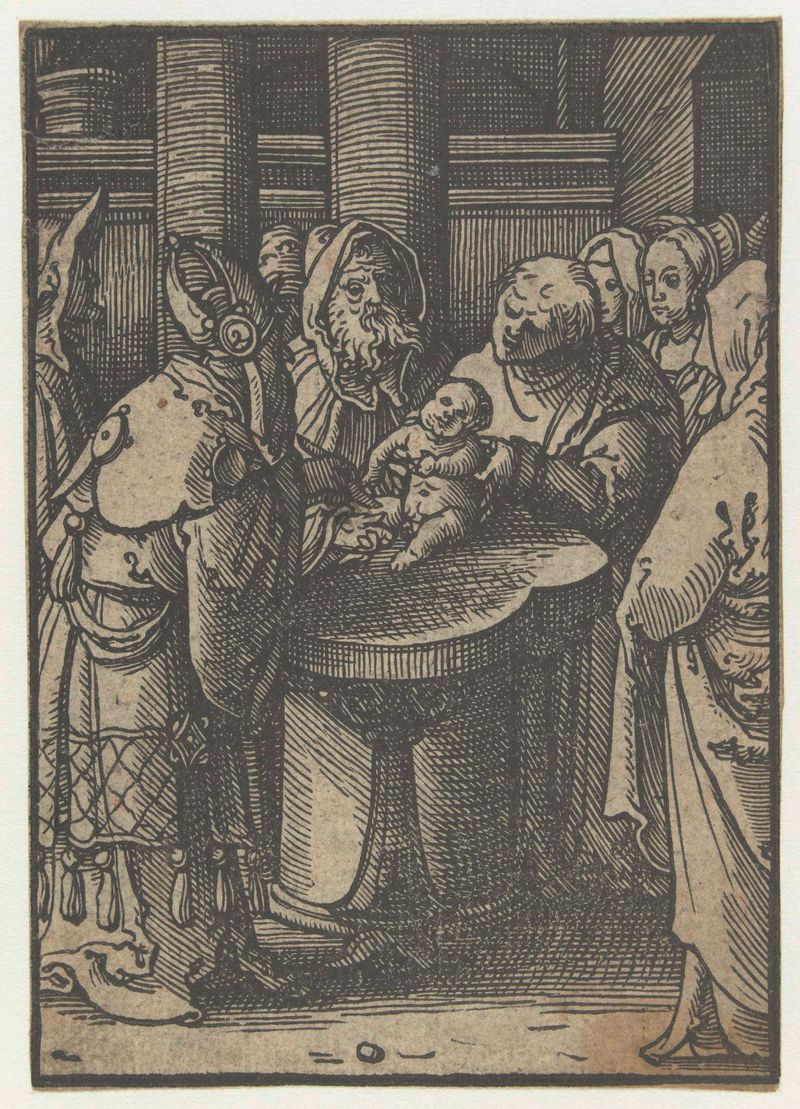
De besnijdenis van Christus
Lucas van Leyden
More Religious Art
Browse all →
The Return of the Prodigal Son
Rembrandt van Rijn

The Garden of Earthly Delights
El Bosco

Count Orgaz’ funeral
El Greco

The Hundred Guilder Print: the central piece with Christ preaching, the plate arched
Rembrandt van Rijn

The Descent from the Cross
Rogier van der Weyden

The return of the prodigal son
Rembrandt van Rijn