
Doornenkroning — History & Facts
In the delicate interplay of light and shadow, there exists a profound reverence for life, as captured in the intricate details of this remarkable work. Look to the center, where the figure of Christ, adorned with a crown of thorns, draws the eye with a serene yet somber presence. The meticulous rendering of the thorns contrasts sharply with the soft hues of fabric draping around Him, each fold whispering tales of sorrow and grace. Notice how the background recedes into a muted chiaroscuro, allowing the figure to emerge with a haunting clarity, compelling the viewer to linger in contemplation. Upon closer examination, the emotional tension grows palpable; the crown, both a symbol of suffering and royalty, reflects the duality of sacrifice and majesty.
The figures surrounding Christ embody a range of emotions, from anguish to reverence, emphasizing the weight of the moment. Look closely at the subtle gestures—hands clasped in prayer, downcast eyes, and the faint glint of tears—that evoke a collective experience of mourning and awe, magnifying the sacredness of His suffering. During the years between 1510 and 1514, the artist worked in Leiden, a period marked by personal exploration and a growing mastery of technique. The Renaissance was in full bloom, and van Leyden was influenced by the emerging humanist ideals, infusing his religious subjects with a deeply relatable humanity.
This painting stands as a testament not only to his skill but to the transformative power of art in capturing the ephemeral nature of spirituality amidst the ever-looming shadows of time.
More Artworks by Lucas van Leyden
Browse all →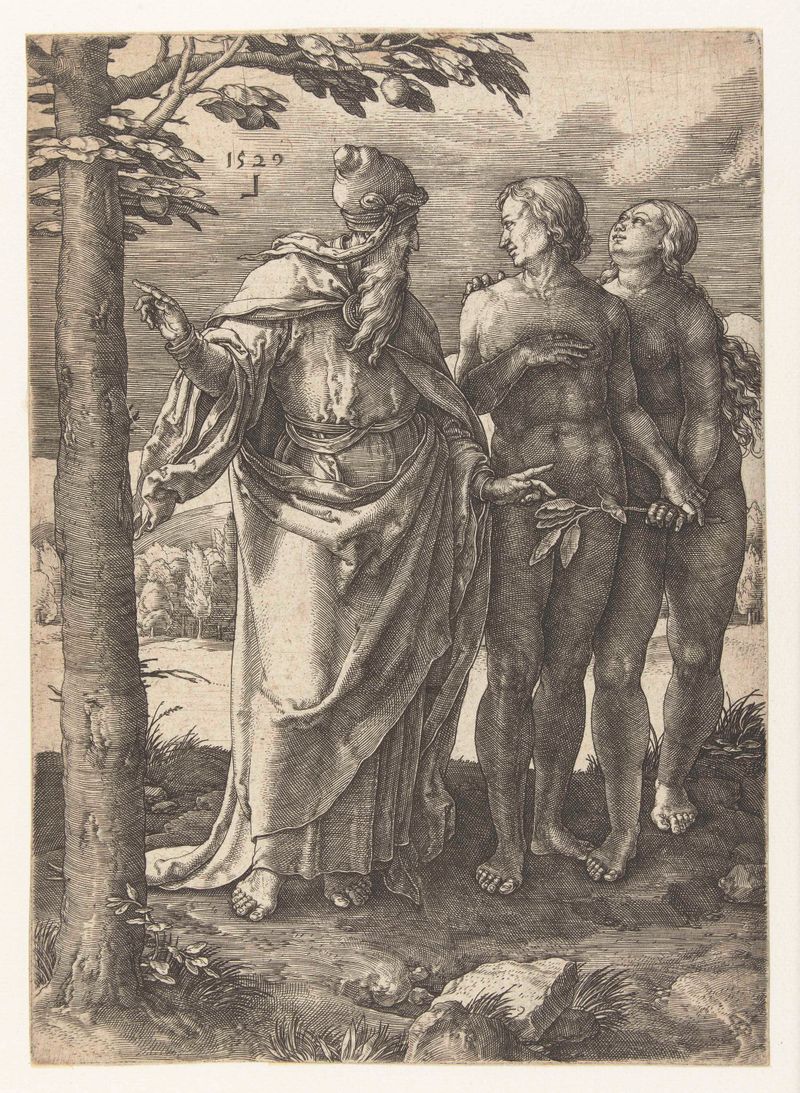
Het eerste verbod
Lucas van Leyden
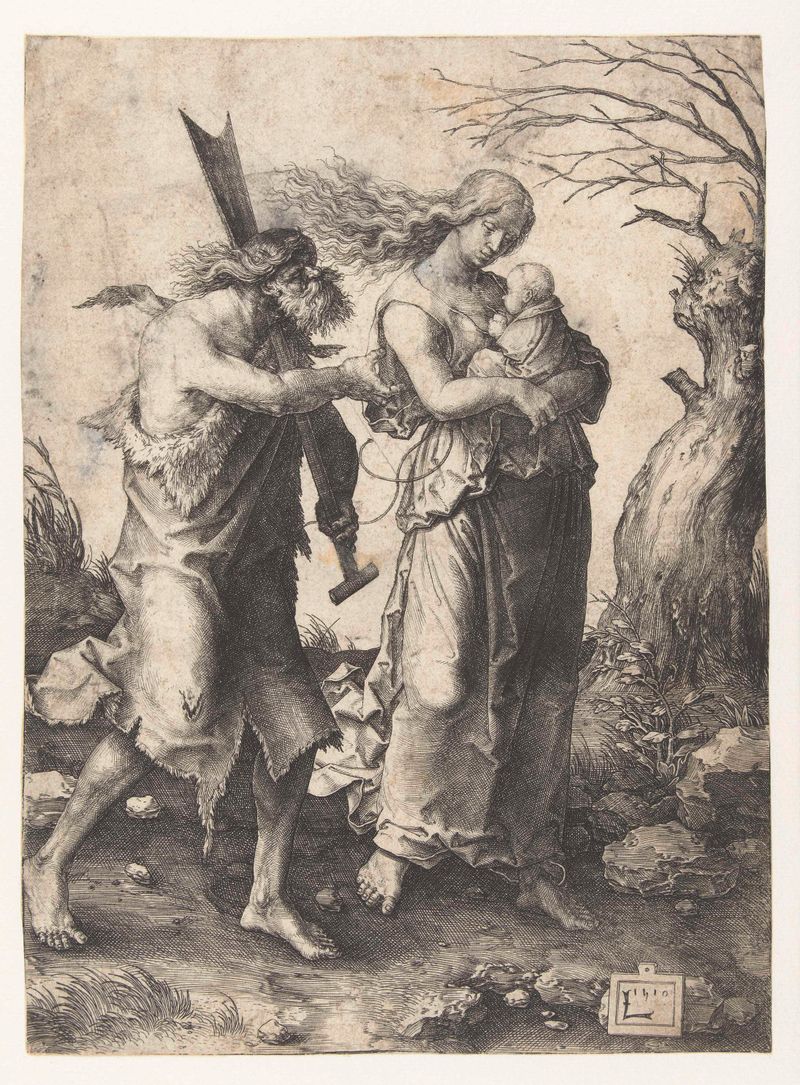
Adam en Eva na de verdrijving uit het paradijs
Lucas van Leyden
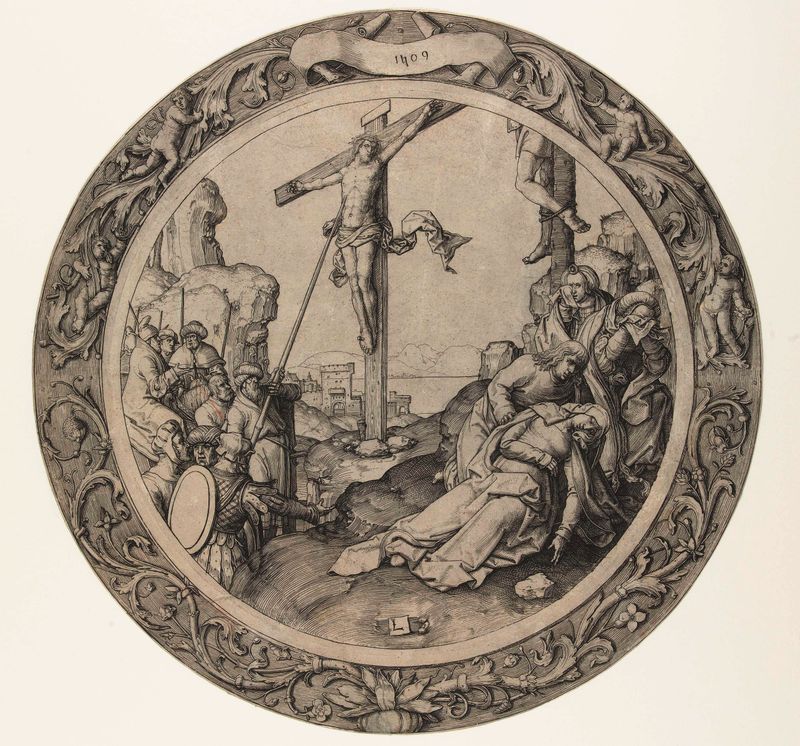
De kruisiging
Lucas van Leyden
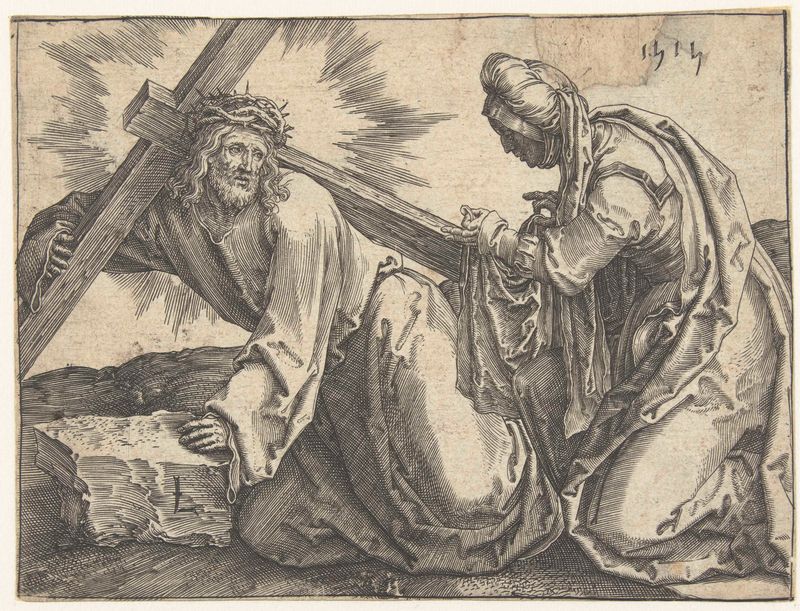
Kruisdraging
Lucas van Leyden
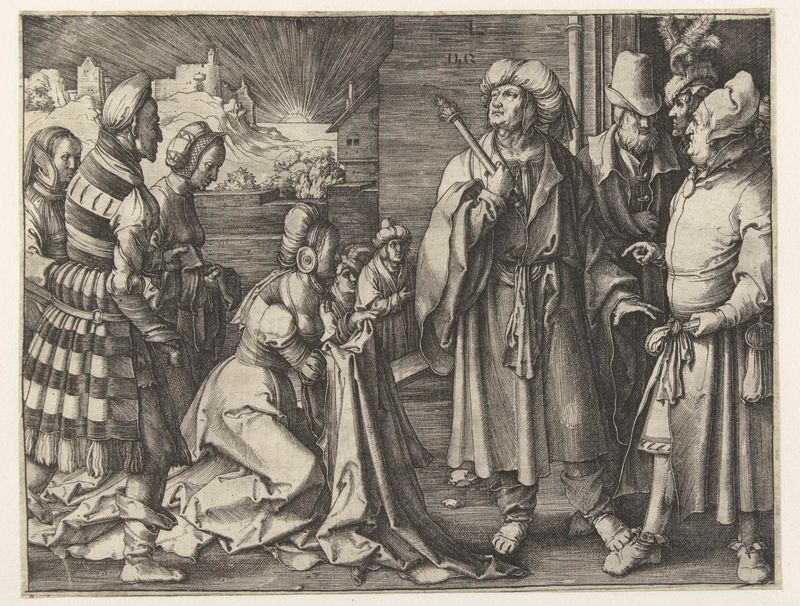
De vrouw van Potifar beschuldigt Jozef
Lucas van Leyden
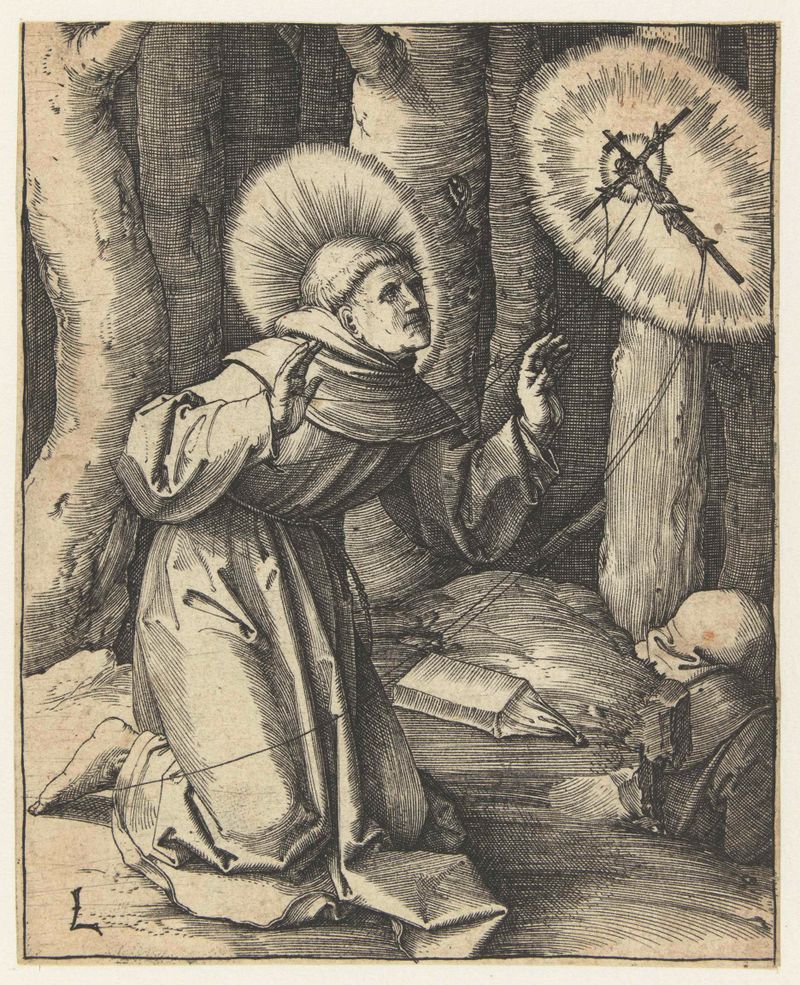
De stigmatisatie van de heilige Franciscus
Lucas van Leyden
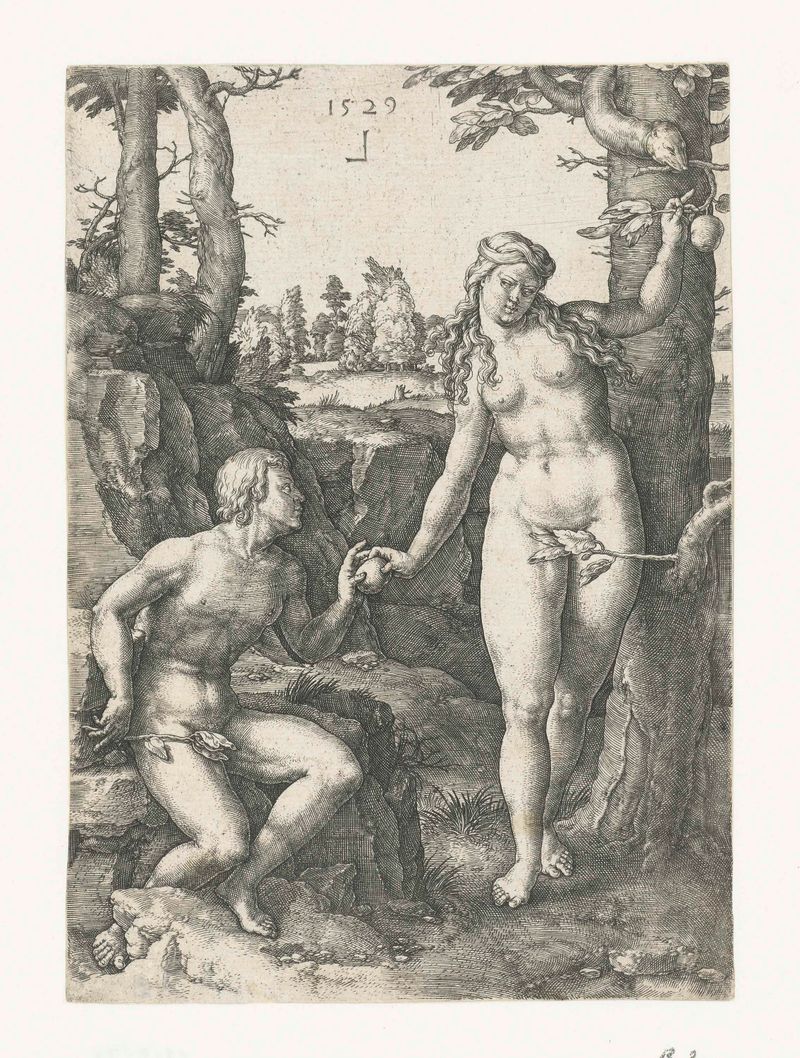
De zondeval
Lucas van Leyden
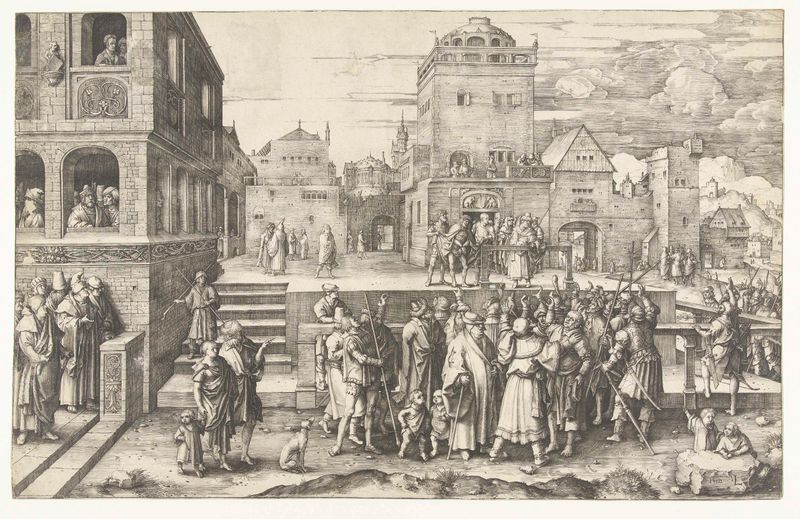
De grote Ecce Homo
Lucas van Leyden
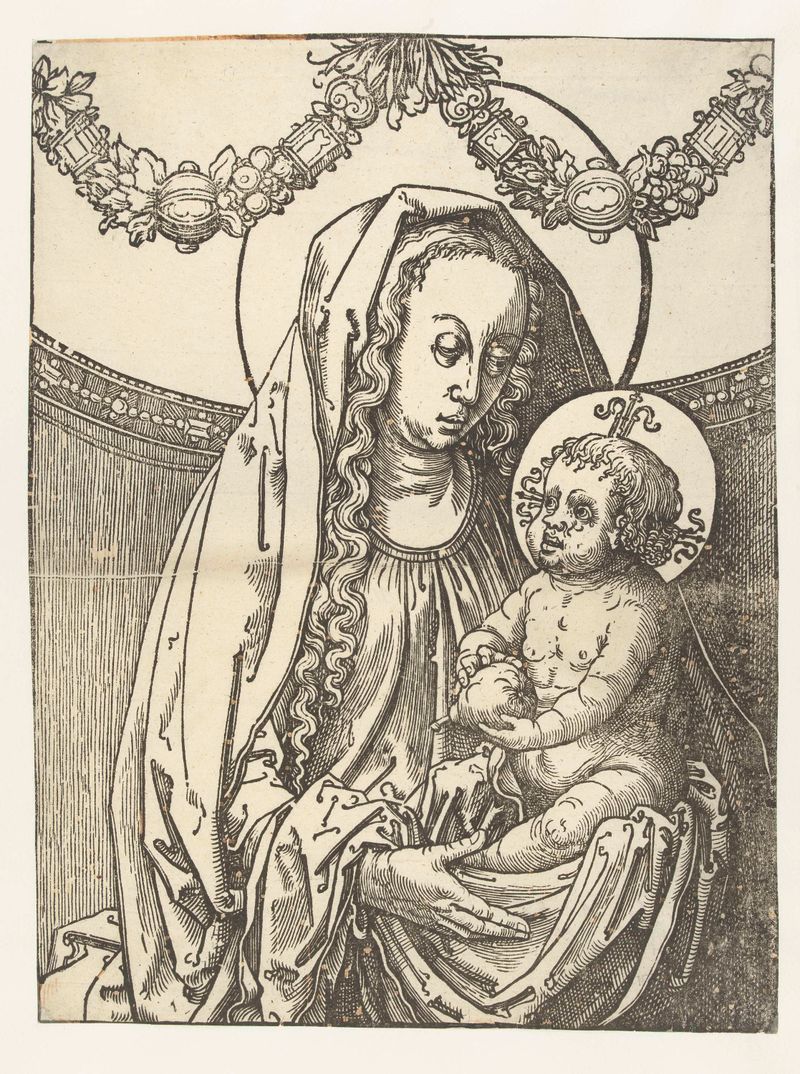
Maria met kind
Lucas van Leyden
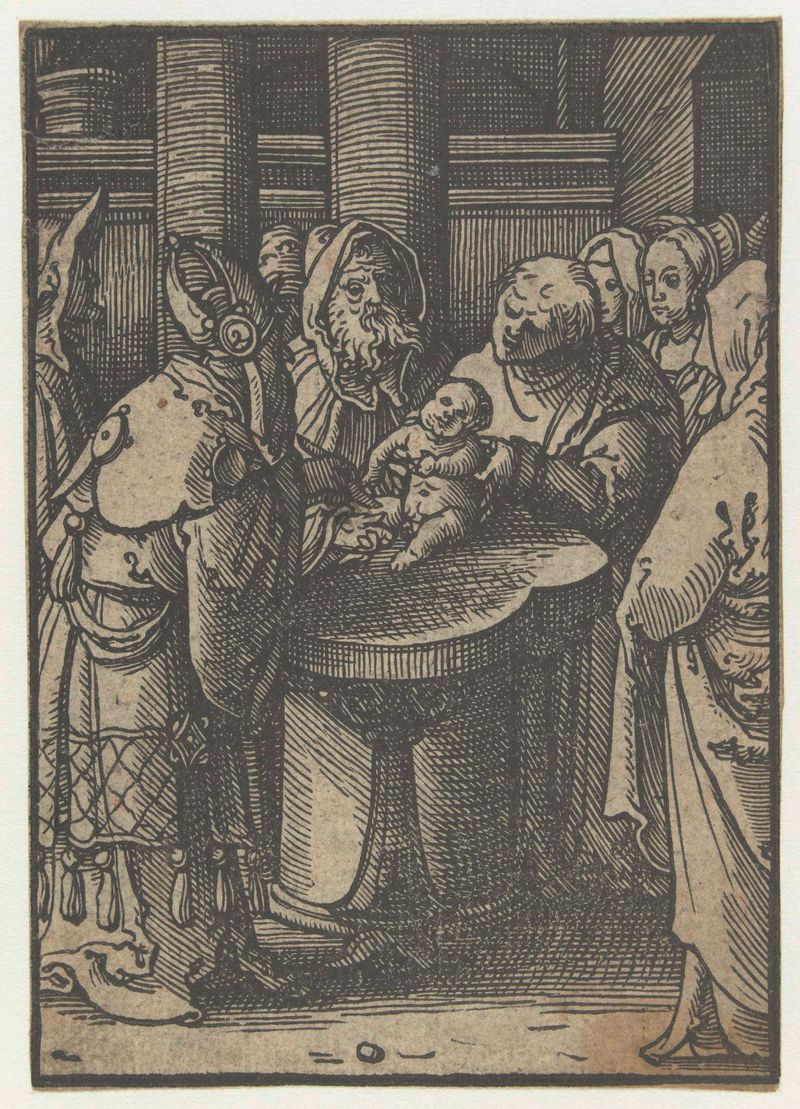
De besnijdenis van Christus
Lucas van Leyden
More Religious Art
Browse all →
The Return of the Prodigal Son
Rembrandt van Rijn

The Garden of Earthly Delights
El Bosco

Count Orgaz’ funeral
El Greco

The Hundred Guilder Print: the central piece with Christ preaching, the plate arched
Rembrandt van Rijn

The Descent from the Cross
Rogier van der Weyden

The return of the prodigal son
Rembrandt van Rijn