
De Heilige Amond predikt in het bos — History & Facts
In the delicate balance of madness, how do we discern the sanctity from the chaos? The act of faith can often walk the fine line of fervor and folly, a tether to reality or a spiral into oblivion. Begin your exploration by focusing on the central figure, the preacher, whose intense gaze and outstretched arm command attention. The vibrant hues contrast sharply with the earthy tones surrounding him, drawing the eye into the heart of the scene. Notice how light spills through the foliage, casting dappled patterns on the listeners, their postures suggestive of rapt attention or quiet skepticism.
The composition creates a sense of circularity, pulling viewers into the congregation's emotional spectrum, tethered by the preacher’s fervent plea. Beneath the surface lies a dichotomy of belief and madness, the fine line that separates faith from fanaticism. The contrast between the preacher’s illuminated form and the shadowed figures hints at the tumultuous struggle between enlightenment and the darkness of doubt. Each listener’s expression tells a story, reflecting the spectrum of human emotion — some faces are uplifted with hope, while others reveal a hesitant skepticism.
This complexity encourages viewers to question their own convictions and the nature of truth itself. During the years 1621 to 1627, the artist crafted this profound work amidst the transformative currents of the Baroque period, a time when art began to embrace emotional intensity and realism. Callot, living in Nancy, faced political instability and social upheaval, experiences that shaped his artistic vision. The climate of uncertainty not only influenced his themes but also enriched the visual language that conveys this powerful moment of spiritual reckoning.
More Artworks by Jacques Callot
Browse all →
Titelprent voor de prentreeks 'De kleine apostelen' (Het martelaarschap van de apostelen)
Jacques Callot
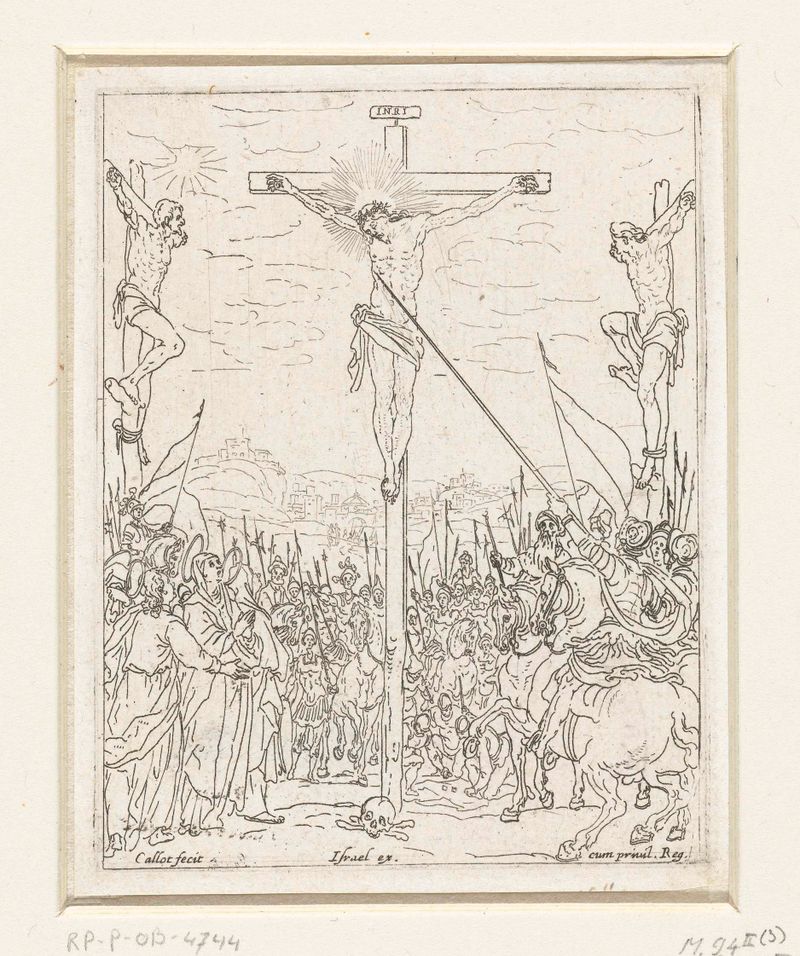
Kruisiging
Jacques Callot

De doortocht door de Rode Zee
Jacques Callot

De verloren zoon als zwijnenhoeder
Jacques Callot

Annunciatie
Jacques Callot
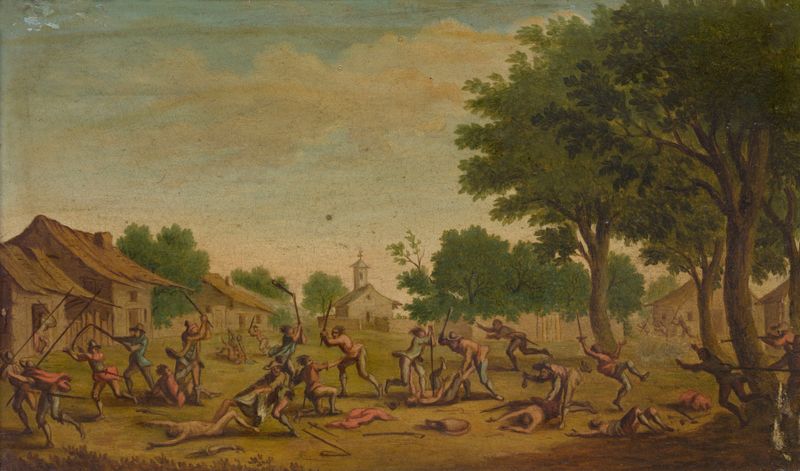
Village Fight
Jacques Callot

Titelprent voor prentreeks 'Het leven van Maria'
Jacques Callot
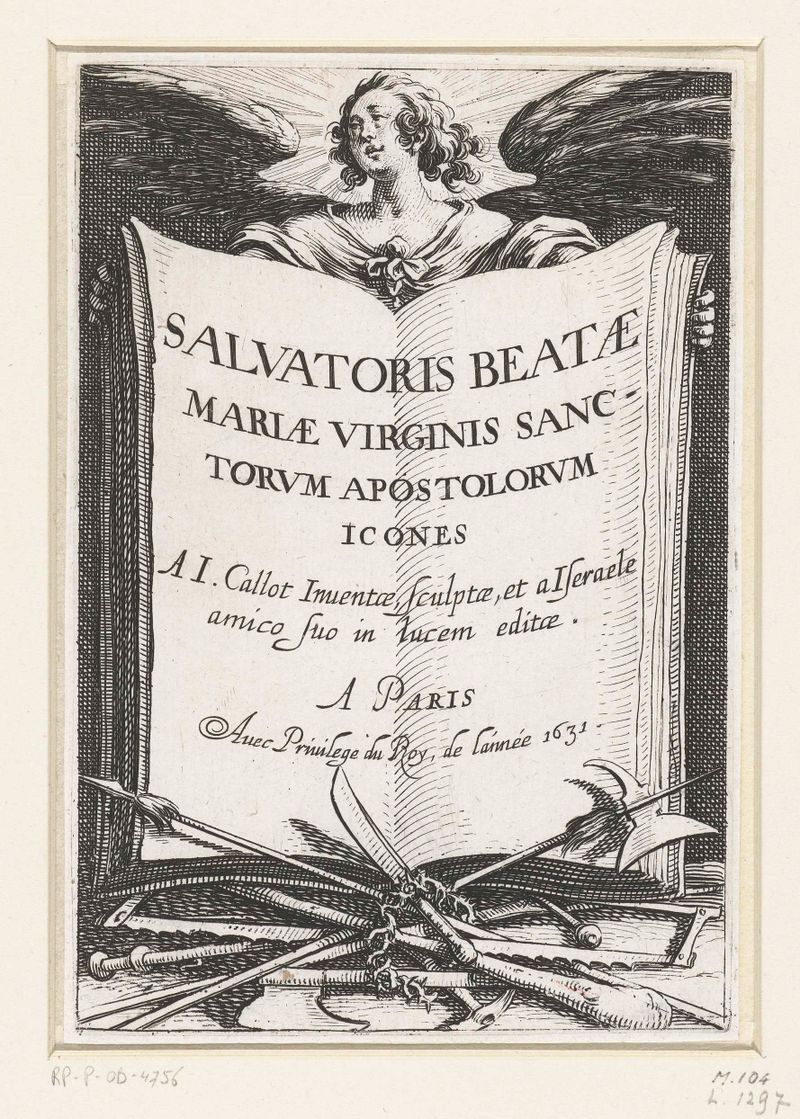
Titelprent voor de prentreeks 'De grote apostelen' (Christus, Maria en de apostelen)
Jacques Callot

Christus aan het volk getoond (Ecce homo)
Jacques Callot
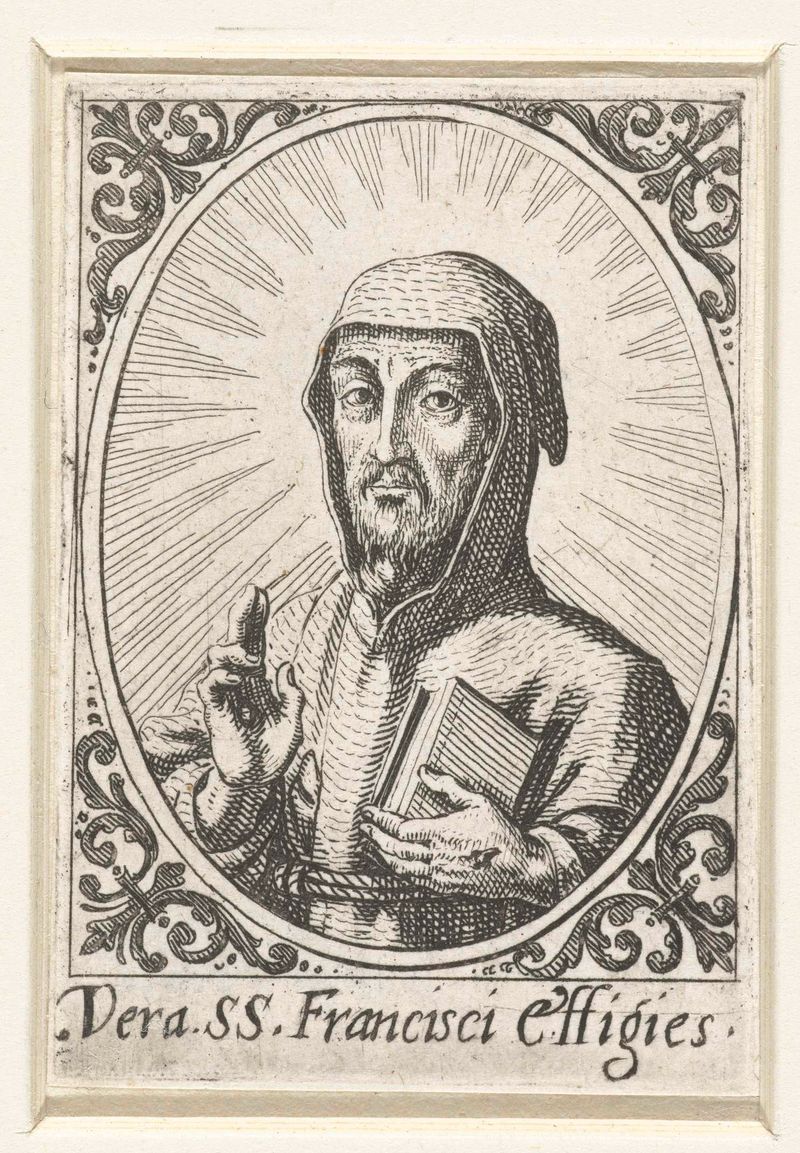
Portret van de Heilige Franciscus
Jacques Callot
More Religious Art
Browse all →
The Return of the Prodigal Son
Rembrandt van Rijn

The Garden of Earthly Delights
El Bosco

Count Orgaz’ funeral
El Greco

The Hundred Guilder Print: the central piece with Christ preaching, the plate arched
Rembrandt van Rijn

The Descent from the Cross
Rogier van der Weyden

The return of the prodigal son
Rembrandt van Rijn