
De Heilige Familie aan tafel — History & Facts
Where does light end, and longing begin? In the stillness of De Heilige Familie aan tafel, light dances delicately, illuminating the sacred intimacy that unfolds among its figures, whispering of rebirth and togetherness. Look to the left at the radiant figure of the Virgin Mary, her soft robes aglow with warmth that seems to invite the viewer into this sacred moment. The table, modest yet filled with symbolic significance, anchors the composition, drawing our eyes towards the subtle expressions that reveal a profound connection among the family. The muted color palette imbues the scene with a sense of tranquility, while the delicate lines and textures crafted by the artist enhance the tenderness of this familial bond. Yet, beneath the surface lies a depth of emotional tension.
The contrasts of light and shadow evoke a duality of presence and absence, hinting at the challenges of their sacred journey together. Every glance exchanged at the table seems to echo the weight of their roles in the divine narrative, as if they are acutely aware of the world outside their intimate space, one rife with hope and struggle. The quiet gestures speak volumes — a hand reaching, a gaze averted — suggesting a yearning for connection amidst divine expectation. Jacques Callot created this work between 1628 and 1629 during a time of personal and artistic growth, having recently established himself in Florence.
The Baroque period was burgeoning, with a focus on emotional depth and realism, which influenced his approach. Amidst the proliferation of religious themes, Callot captured a moment of profound human experience, rooted in the everyday, yet echoing the divine.
More Artworks by Jacques Callot
Browse all →
Titelprent voor de prentreeks 'De kleine apostelen' (Het martelaarschap van de apostelen)
Jacques Callot
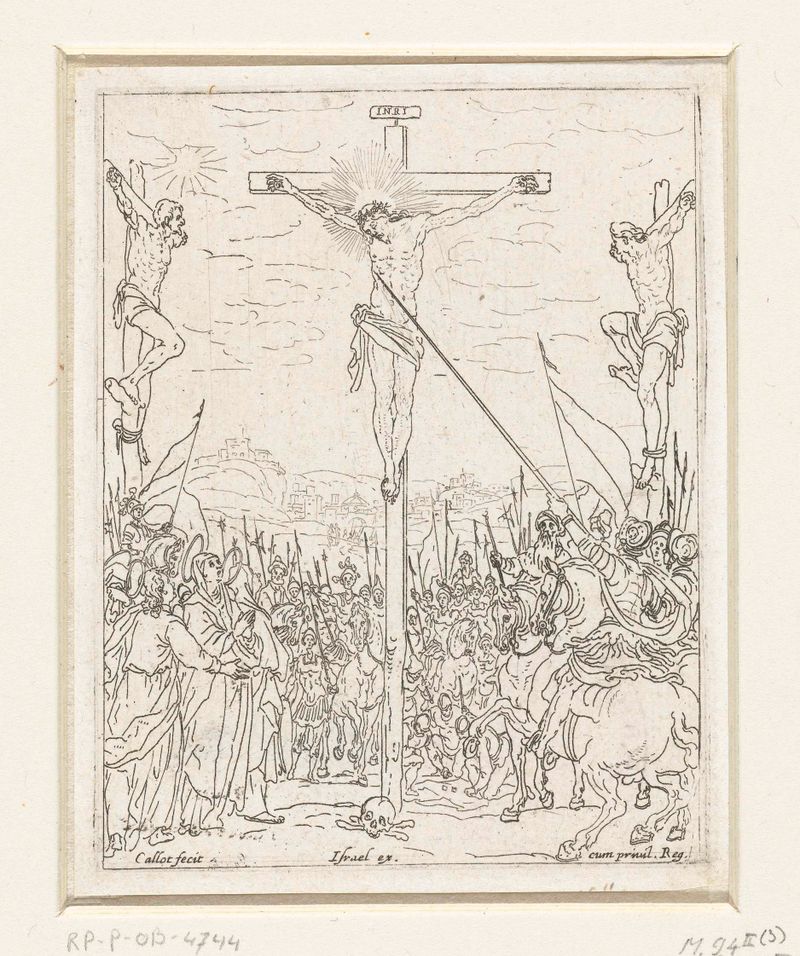
Kruisiging
Jacques Callot

De doortocht door de Rode Zee
Jacques Callot

De verloren zoon als zwijnenhoeder
Jacques Callot

Annunciatie
Jacques Callot
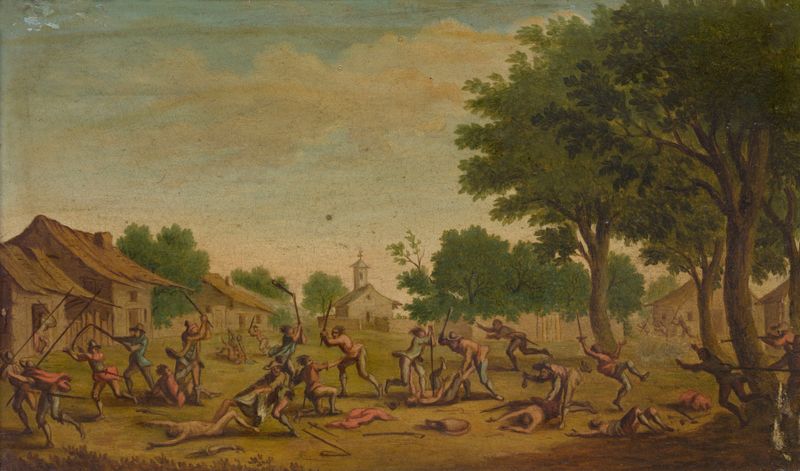
Village Fight
Jacques Callot

Titelprent voor prentreeks 'Het leven van Maria'
Jacques Callot
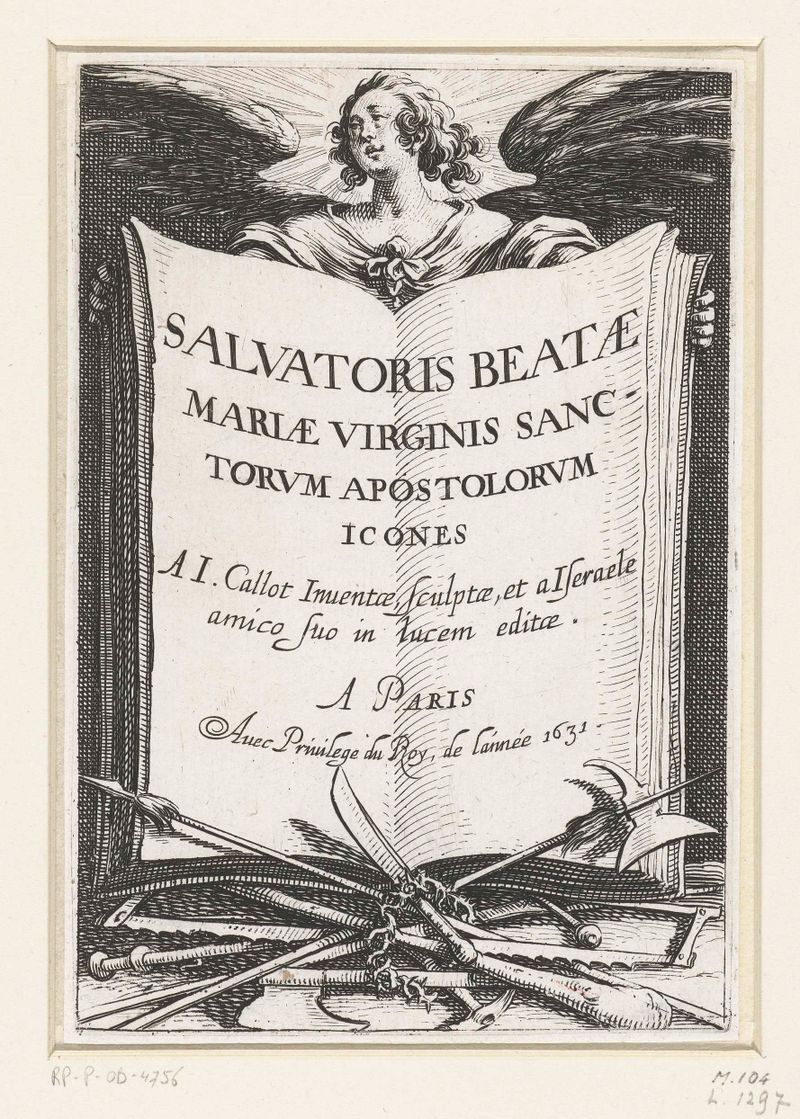
Titelprent voor de prentreeks 'De grote apostelen' (Christus, Maria en de apostelen)
Jacques Callot

Christus aan het volk getoond (Ecce homo)
Jacques Callot
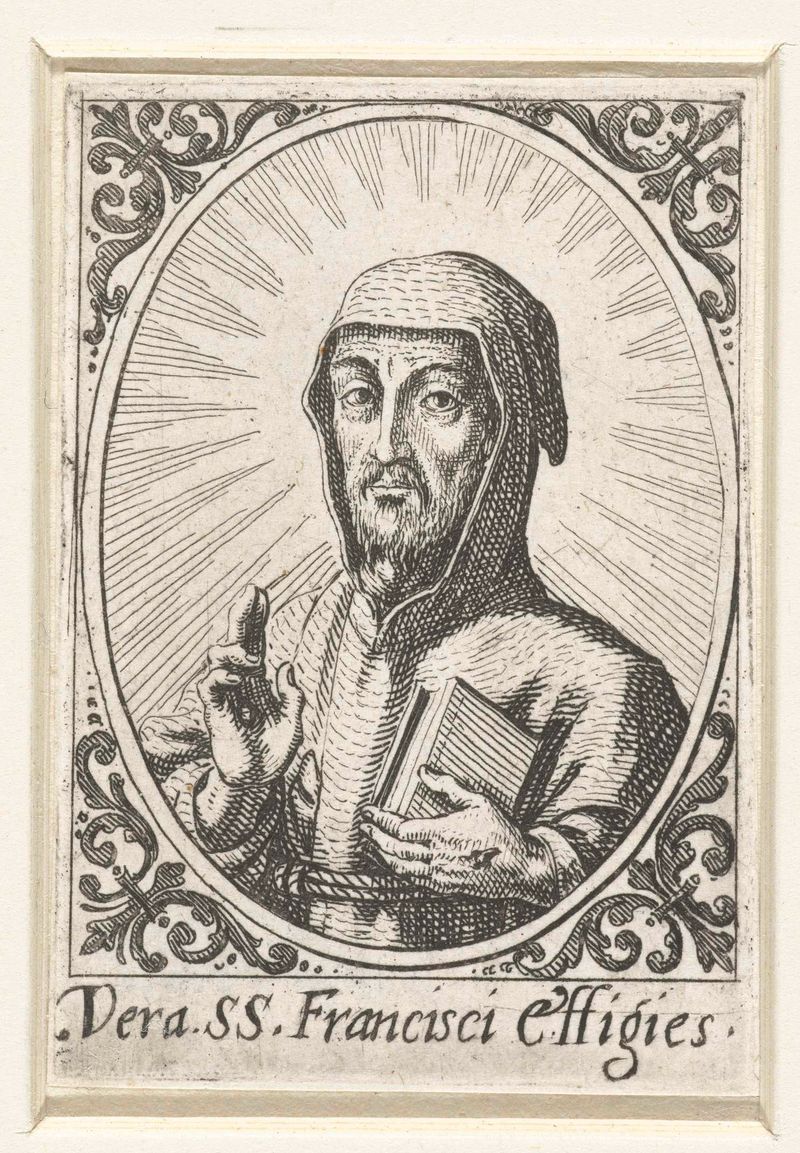
Portret van de Heilige Franciscus
Jacques Callot
More Religious Art
Browse all →
The Return of the Prodigal Son
Rembrandt van Rijn

The Garden of Earthly Delights
El Bosco

Count Orgaz’ funeral
El Greco

The Hundred Guilder Print: the central piece with Christ preaching, the plate arched
Rembrandt van Rijn

The Descent from the Cross
Rogier van der Weyden

The return of the prodigal son
Rembrandt van Rijn