
De Heilige Familie met Anna, haar drie echtgenoten en de twee halfzusters van Maria — History & Facts
In Albrecht Dürer's intricate rendering, a family’s complex tapestry unfolds, revealing the tender intricacies that bind them together amidst the yearning that lingers in the air. Look to the center where the figures of Mary and Joseph embrace, their faces expressing a poignant blend of serenity and concern. Notice how the lush drapery envelops them, rich in color and texture, drawing your gaze inward. The careful placement of Anna and the three husbands around them forms an intricate balance, emphasizing the familial connections, while the soft light casts gentle shadows that highlight the contours of their faces and the delicate details of their garments. At first glance, the composition exudes harmony, yet beneath the surface lies a web of emotional tension.
The presence of multiple husbands and half-sisters hints at the complexities of relationships and the burdens of expectation. Each character’s gaze seems to reach out, yearning for acceptance or connection, while the luminous gold elements accentuate the underlying pain woven into the beauty of the scene—an unsettling reminder of the sacrifices love demands. Painted in 1511, this work emerged during a pivotal moment in Dürer’s career when he was deeply engaged with themes of family, faith, and personal introspection. Living in Nuremberg, a hub of artistic innovation, he navigated the shifting tides of the Renaissance, exploring the interplay of emotion and symbolism.
This period marked a time of profound reflection in both his life and the broader artistic landscape, as he sought to capture the human experience with both depth and clarity.
More Artworks by Albrecht Dürer
Browse all →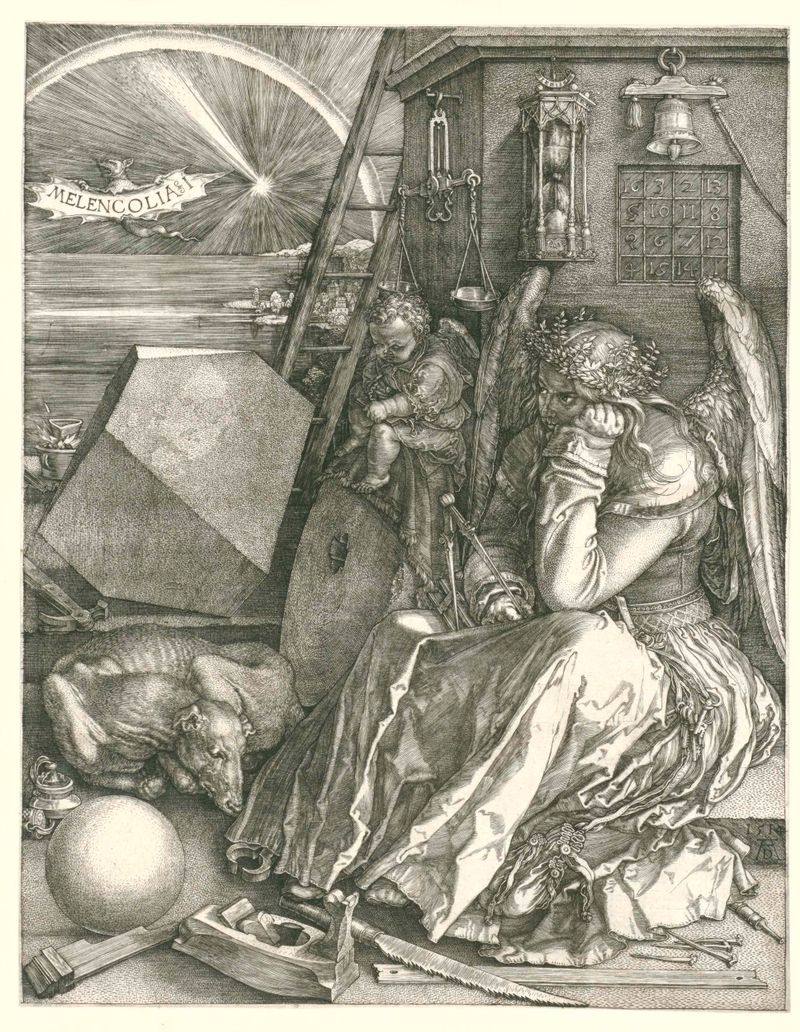
Melancholia
Albrecht Dürer
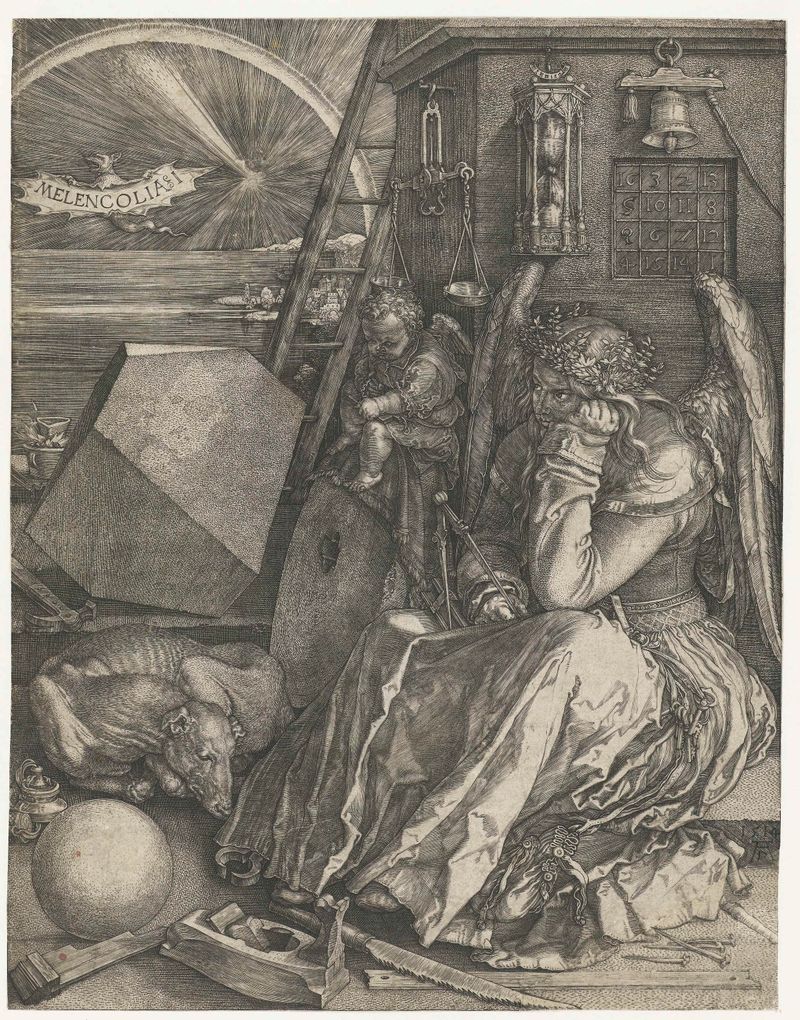
Melancholie
Albrecht Dürer
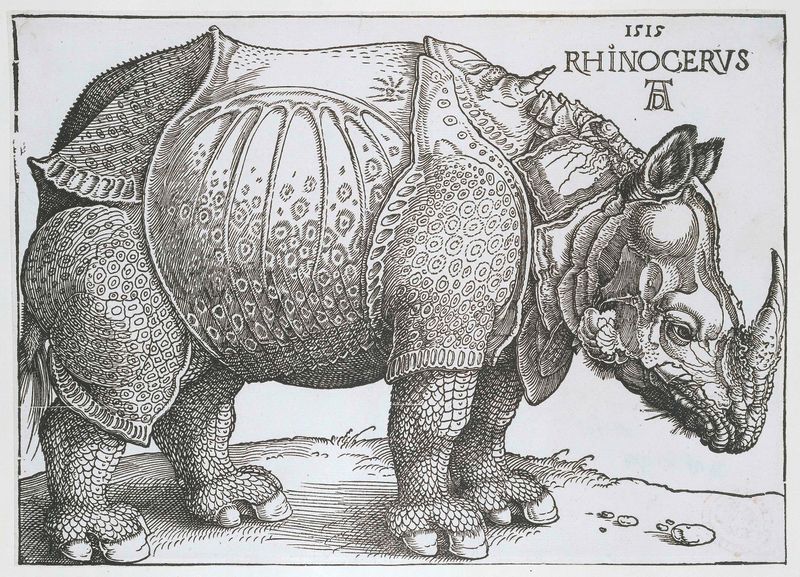
Neushoorn
Albrecht Dürer
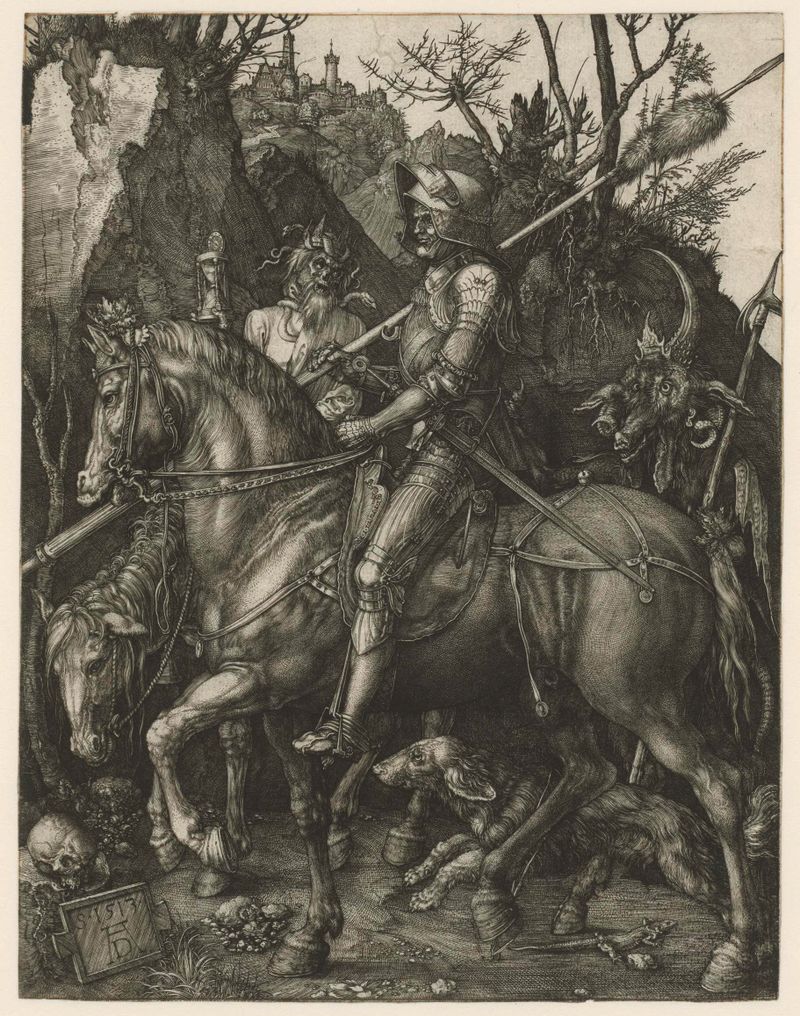
Knight, Death, and the Devil
Albrecht Dürer

De vier ruiters van de apocalyps
Albrecht Dürer

De vier ruiters van de apocalyps
Albrecht Dürer
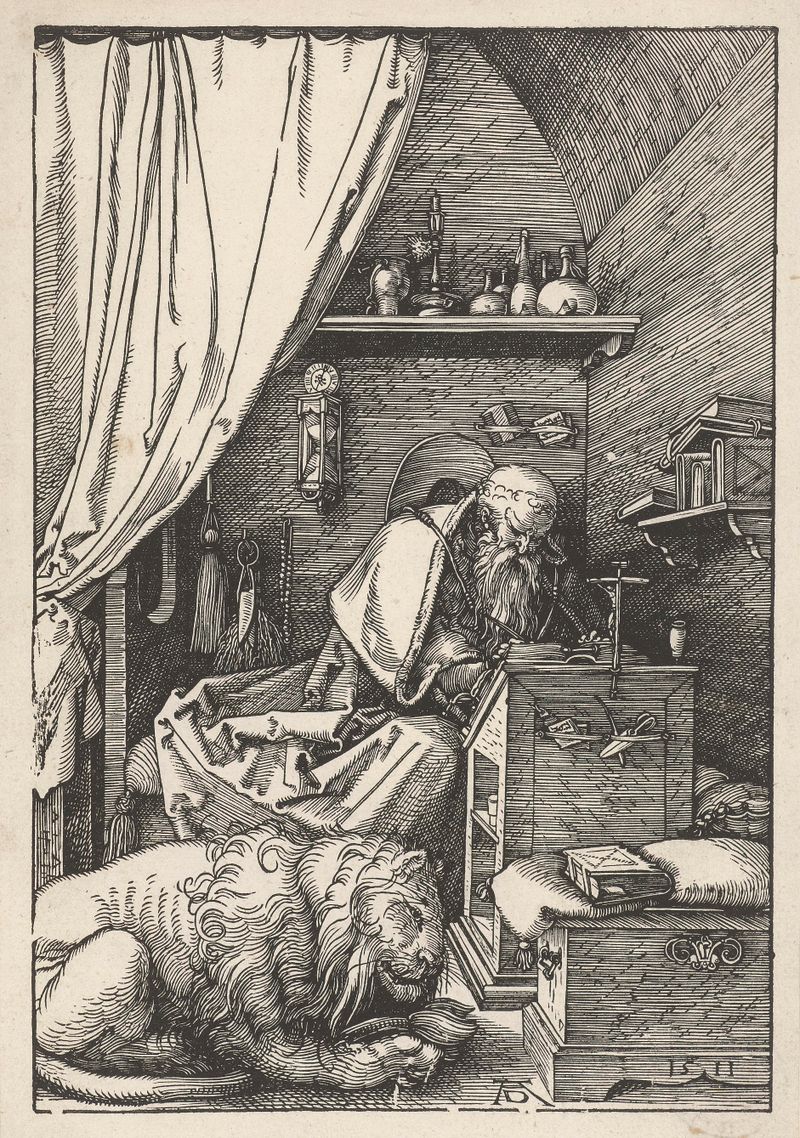
De Heilige Hiëronymus in zijn studeervertrek
Albrecht Dürer
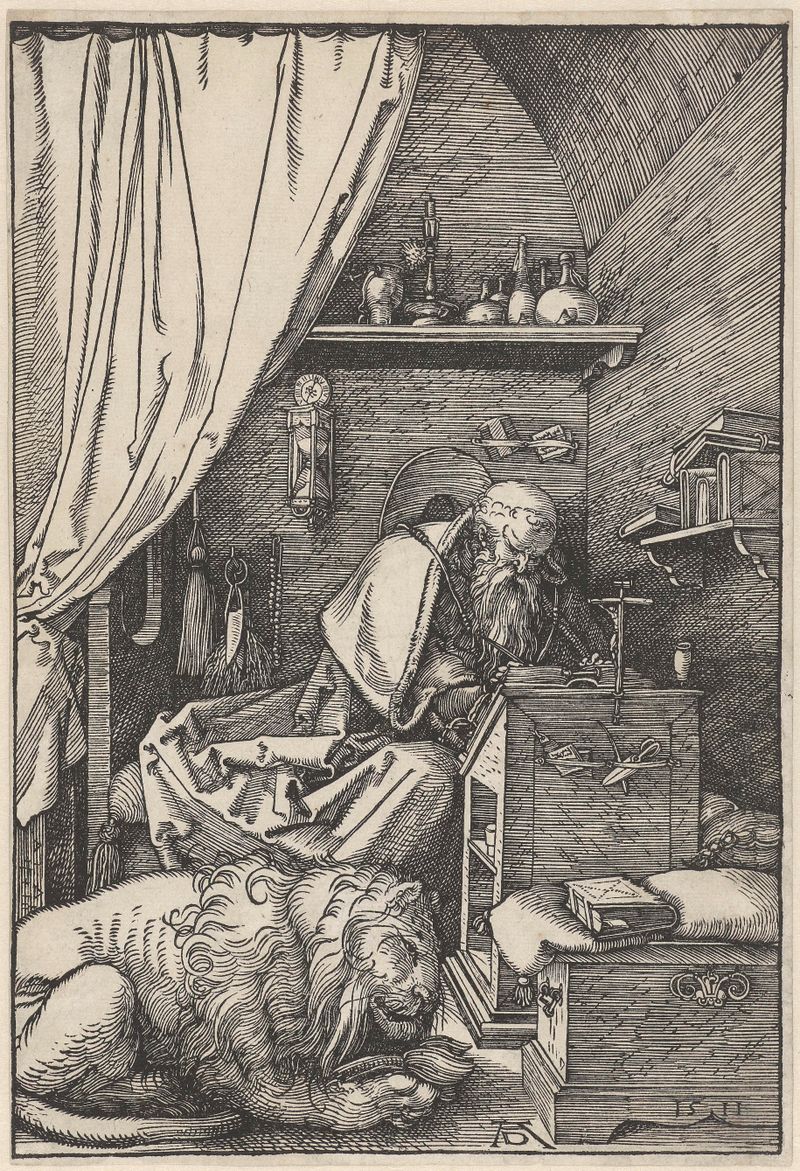
De Heilige Hiëronymus in zijn studeervertrek
Albrecht Dürer
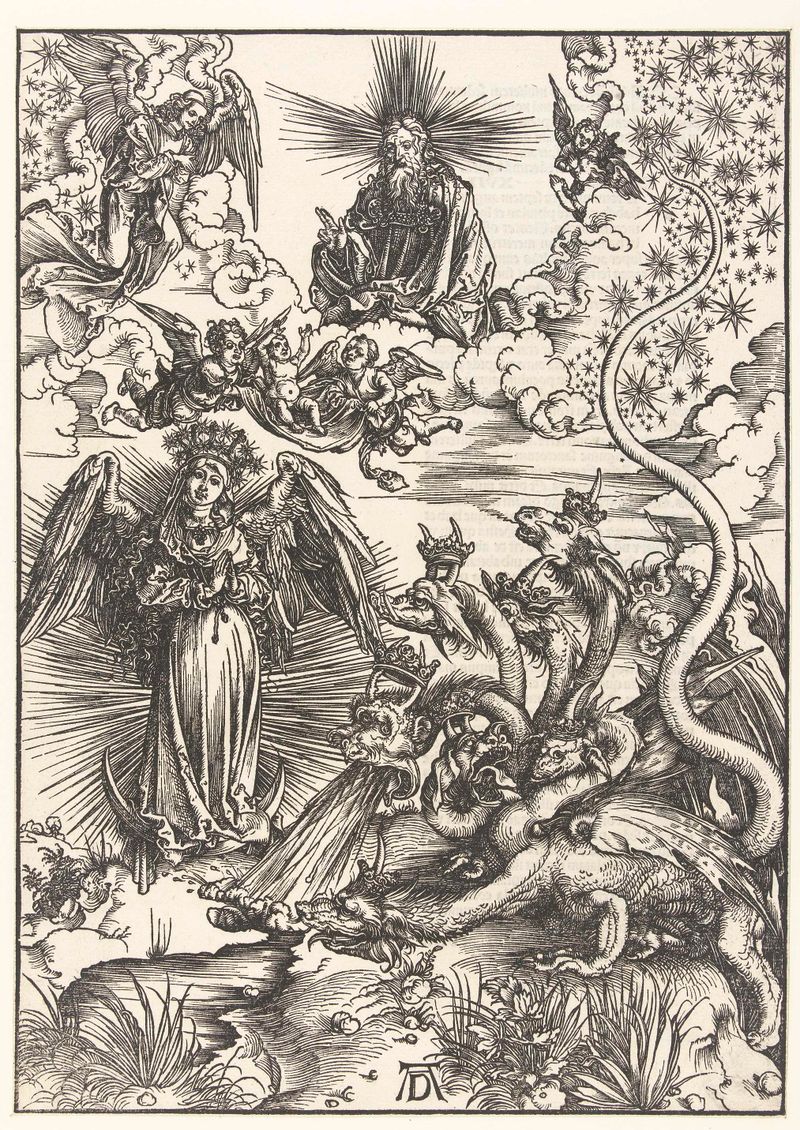
De apocalyptische vrouw en de zevenkoppige draak
Albrecht Dürer
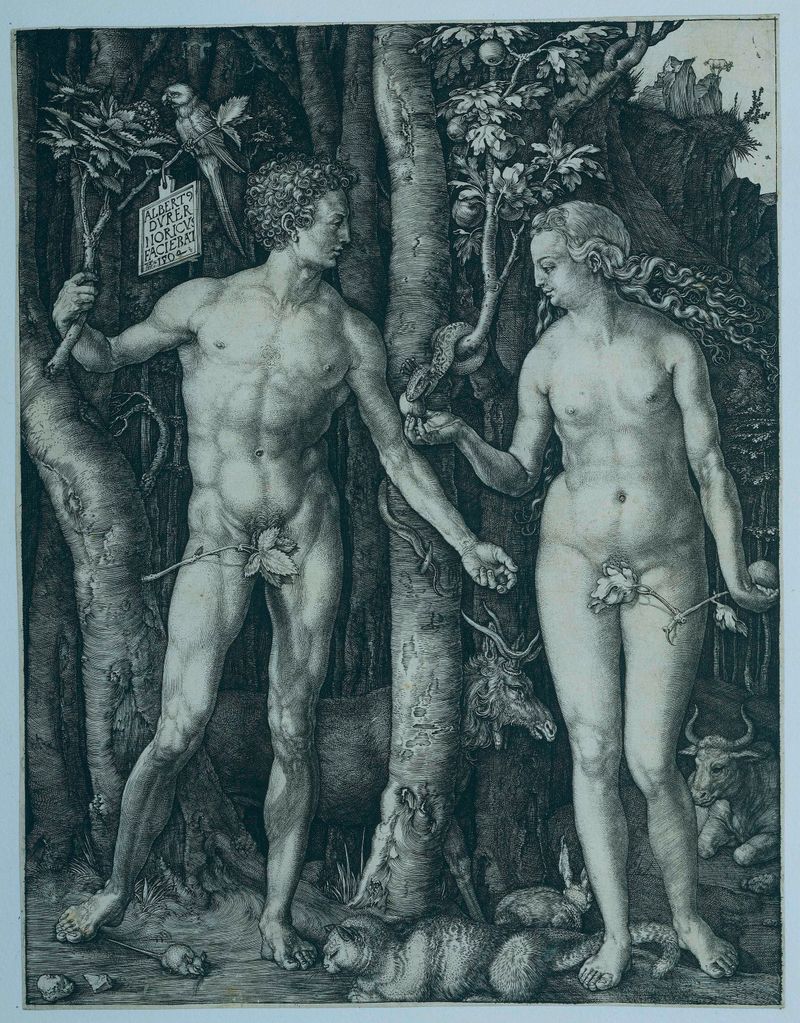
Adam en Eva
Albrecht Dürer
More Religious Art
Browse all →
The Return of the Prodigal Son
Rembrandt van Rijn

The Garden of Earthly Delights
El Bosco

Count Orgaz’ funeral
El Greco

The Hundred Guilder Print: the central piece with Christ preaching, the plate arched
Rembrandt van Rijn

The Descent from the Cross
Rogier van der Weyden

The return of the prodigal son
Rembrandt van Rijn