
De Heilige Familie met Elisabet en Johannes — History & Facts
Each brushstroke captures a moment of pure innocence, suspended in time and space. This tender portrayal invites us to contemplate the delicate complexities of familial love and divine connection. Look to the center of the composition, where the Holy Family is enveloped in a gentle embrace. Notice the soft, luminous quality of the figures, their garments rendered in warm ochres and rich reds that evoke a sense of intimacy and warmth.
The subtle interplay of light and shadow not only highlights their features but also creates a sanctified atmosphere, drawing the viewer into their shared moment of reverence. The figures of Elisabeth and John, positioned to the side, serve as tender witnesses, further enriching the familial bond depicted here. Delve into the intricacies of their gestures; the way Mary cradles the infant Jesus, her expression radiating love, contrasts with the watchful gaze of Elisabeth. The tension between the sacred and the earthly is palpable; both mothers, though in different stages, symbolize the nurturing aspect of womanhood.
The inclusion of John, pointing towards Jesus, foreshadows his future role, imbued with a sense of innocence intertwined with destiny. Jacques Callot painted this piece in 1613, during a time of religious fervor across Europe. Settled in Nancy, France, he was deeply influenced by the Mannerist style, yet sought to infuse his work with a more emotional depth. This artwork emerged amidst a shifting artistic landscape, where the need to express human connection was becoming increasingly vital, reflecting the broader cultural currents of the Baroque period.
More Artworks by Jacques Callot
Browse all →
Titelprent voor de prentreeks 'De kleine apostelen' (Het martelaarschap van de apostelen)
Jacques Callot
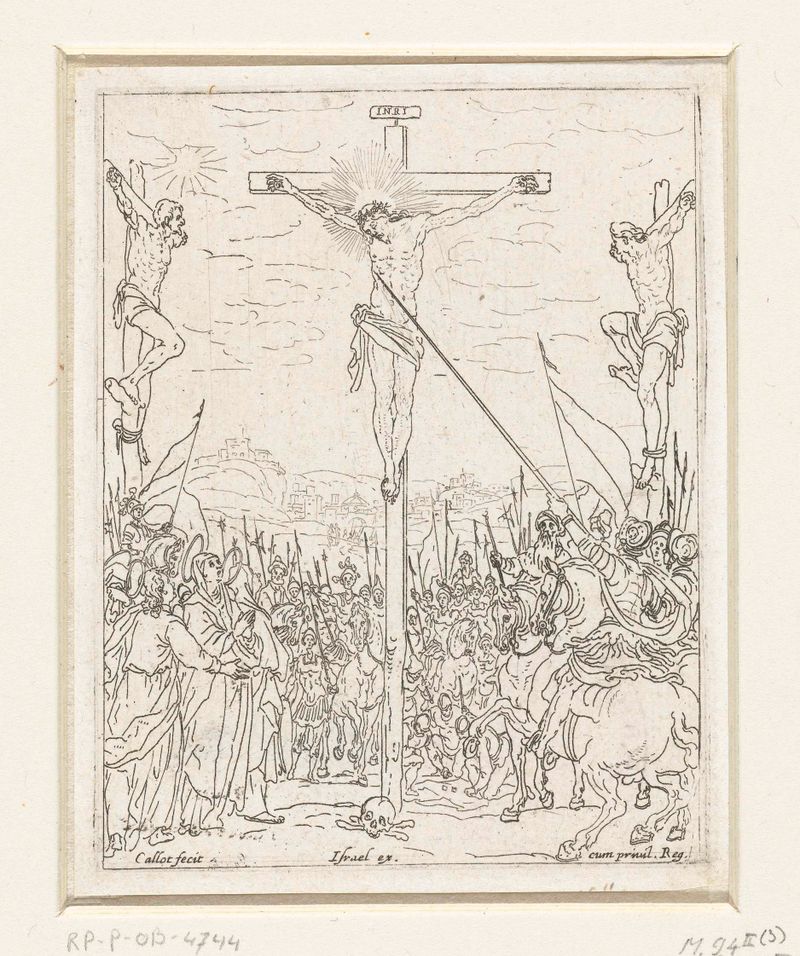
Kruisiging
Jacques Callot

De doortocht door de Rode Zee
Jacques Callot

De verloren zoon als zwijnenhoeder
Jacques Callot

Annunciatie
Jacques Callot
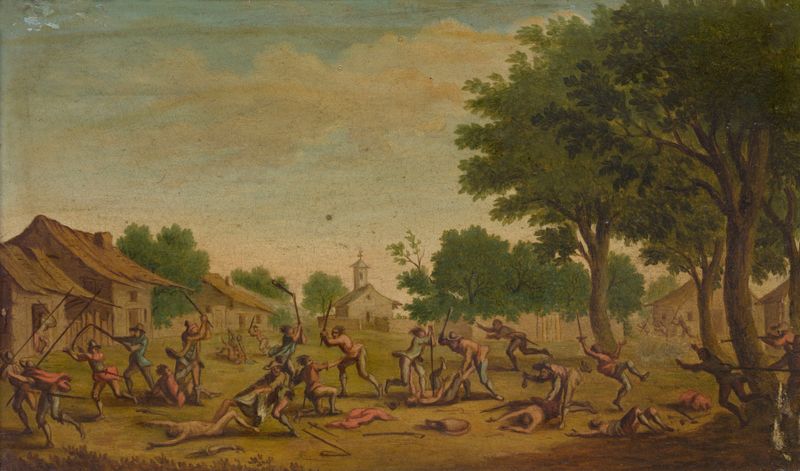
Village Fight
Jacques Callot

Titelprent voor prentreeks 'Het leven van Maria'
Jacques Callot
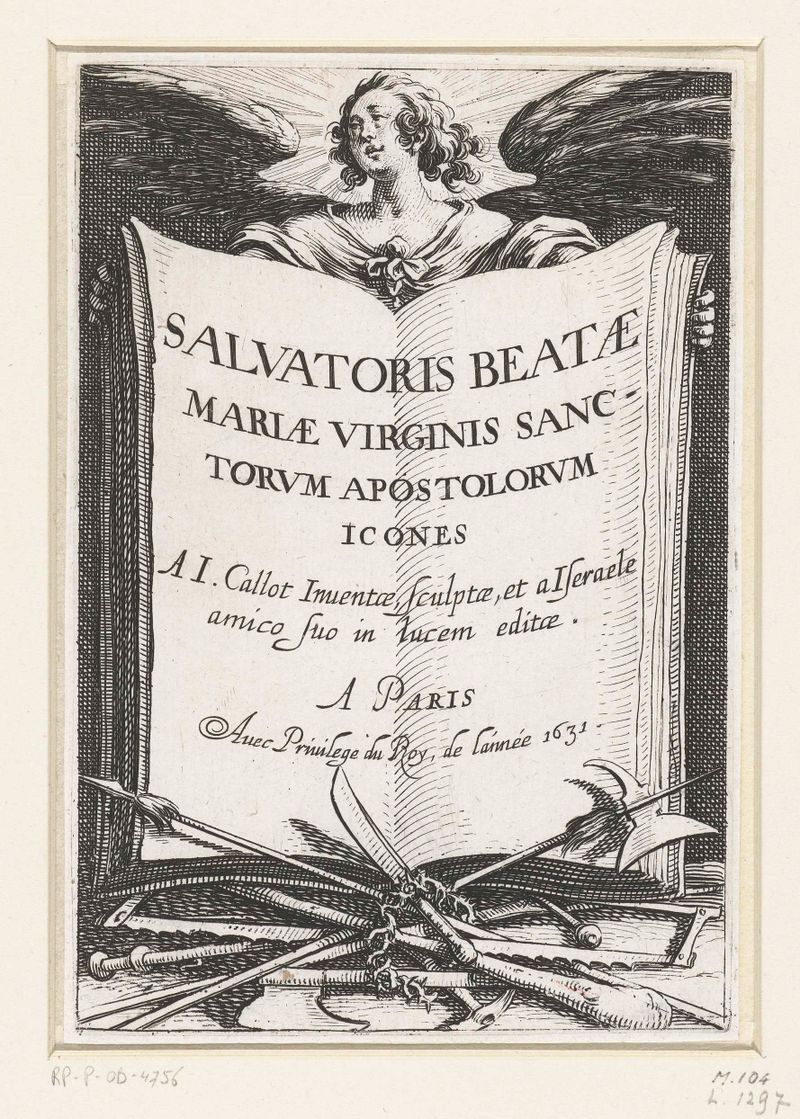
Titelprent voor de prentreeks 'De grote apostelen' (Christus, Maria en de apostelen)
Jacques Callot

Christus aan het volk getoond (Ecce homo)
Jacques Callot
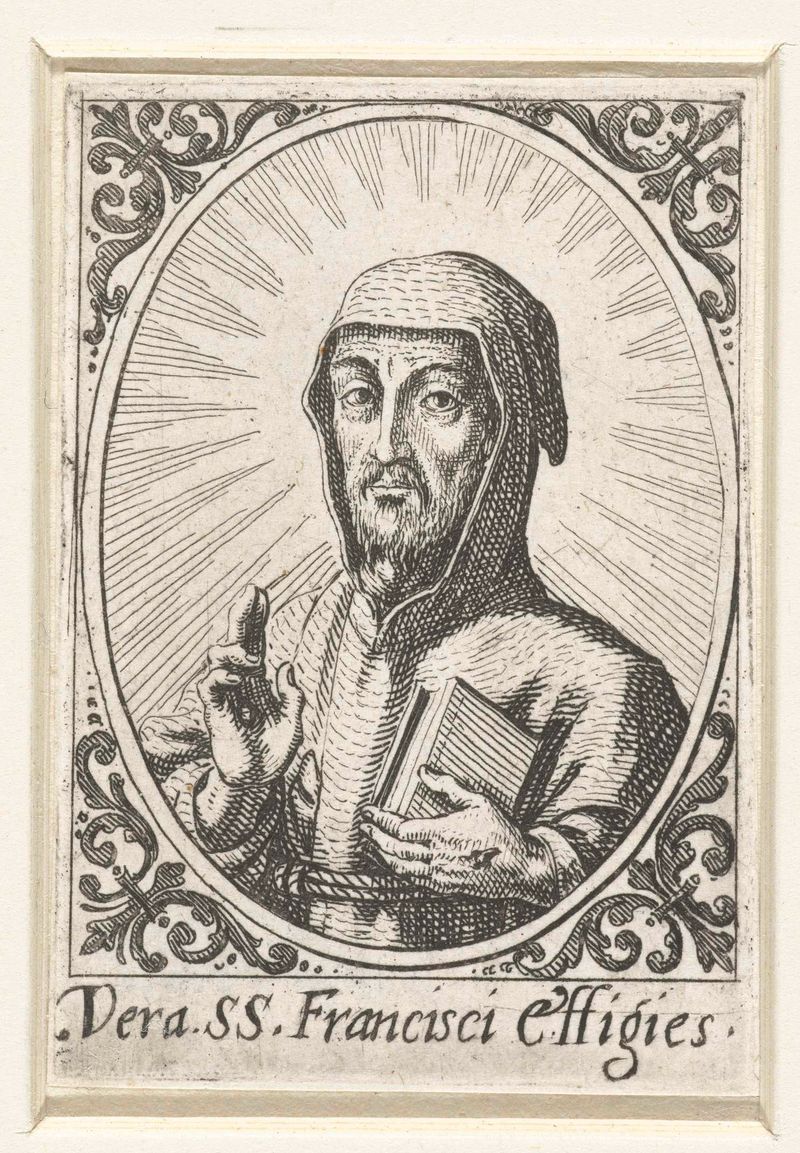
Portret van de Heilige Franciscus
Jacques Callot
More Religious Art
Browse all →
The Return of the Prodigal Son
Rembrandt van Rijn

The Garden of Earthly Delights
El Bosco

Count Orgaz’ funeral
El Greco

The Hundred Guilder Print: the central piece with Christ preaching, the plate arched
Rembrandt van Rijn

The Descent from the Cross
Rogier van der Weyden

The return of the prodigal son
Rembrandt van Rijn