
De Heilige Familie met Elisabet en Johannes — History & Facts
What secret hides in the quiet of the canvas? The stillness of faith permeates De Heilige Familie met Elisabet en Johannes, inviting viewers to ponder the profound connections among its figures. Look to the center, where the Holy Family stands illuminated by a soft, divine light. Mary, cradling the infant Jesus, exudes tenderness, while Joseph gazes protectively, his presence a testament to their bond. Notice how the delicate brushwork captures the texture of their garments, blending earthy tones with the ethereal glow surrounding them.
Surrounding figures, including Elizabeth and John, evoke serenity and awe, creating a harmonious composition that draws the eye inward. A deep emotional tension underlies the serene tableau. The juxtaposition of the Holy Family with Elizabeth and John highlights themes of kinship and divine purpose. Each figure's expression tells a story—joy, reverence, and perhaps a hint of foreboding—implying the complex relationship between divinity and humanity.
The gentle gestures, especially Mary’s protective embrace, suggest a maternal instinct that transcends time, while John's yearning gaze hints at his future role in the unfolding narrative of faith. Jacques Callot painted this piece in 1613, during a period when the Baroque movement was emerging in Europe, emphasizing emotional depth and drama. Living in Nancy, France, he was influenced by both Italian art and the burgeoning spirituality of his time. The painting reflects the artist's commitment to exploring profound themes of faith, family, and the human condition, encapsulating the essence of a transformative era in art history.
More Artworks by Jacques Callot
Browse all →
Titelprent voor de prentreeks 'De kleine apostelen' (Het martelaarschap van de apostelen)
Jacques Callot
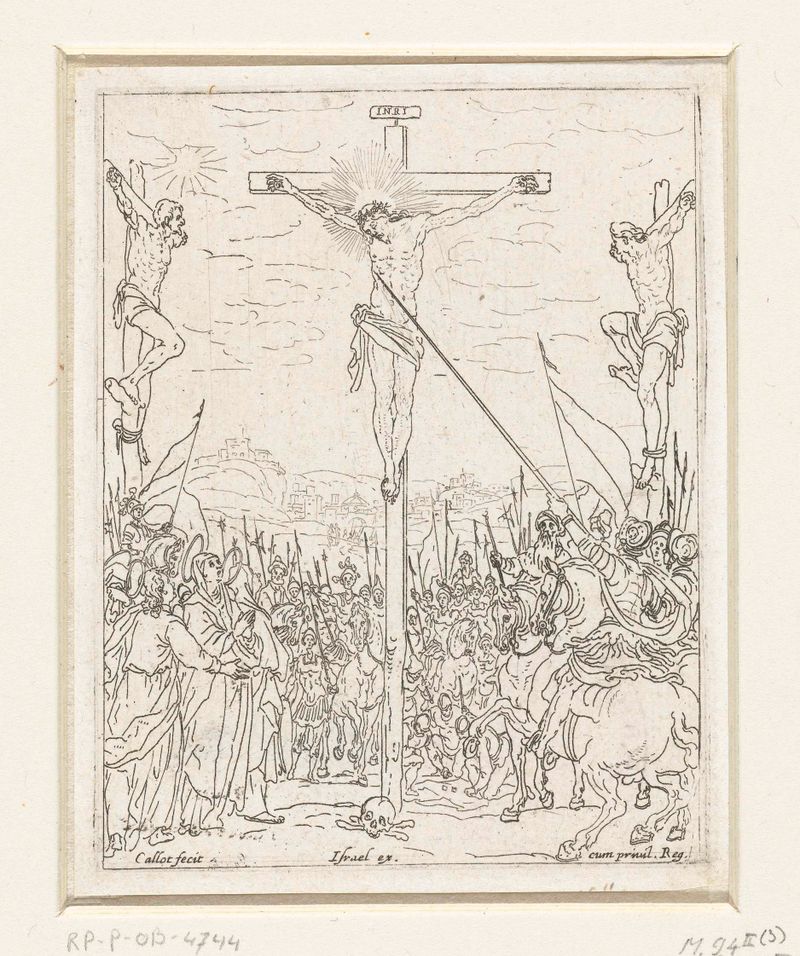
Kruisiging
Jacques Callot

De doortocht door de Rode Zee
Jacques Callot

De verloren zoon als zwijnenhoeder
Jacques Callot

Annunciatie
Jacques Callot
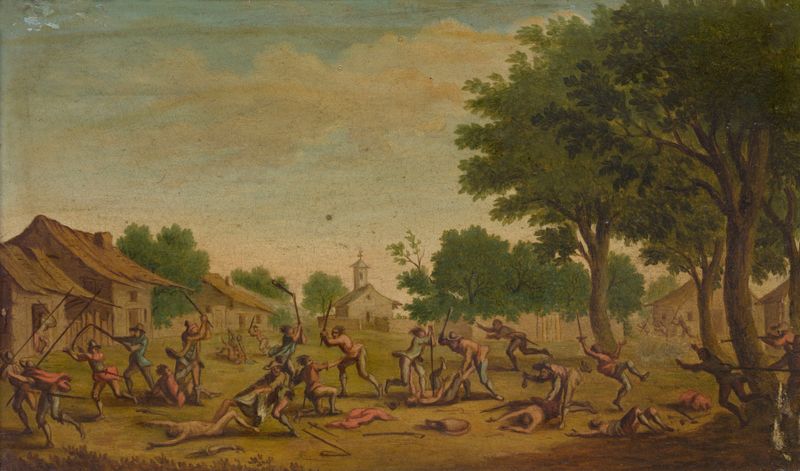
Village Fight
Jacques Callot

Titelprent voor prentreeks 'Het leven van Maria'
Jacques Callot
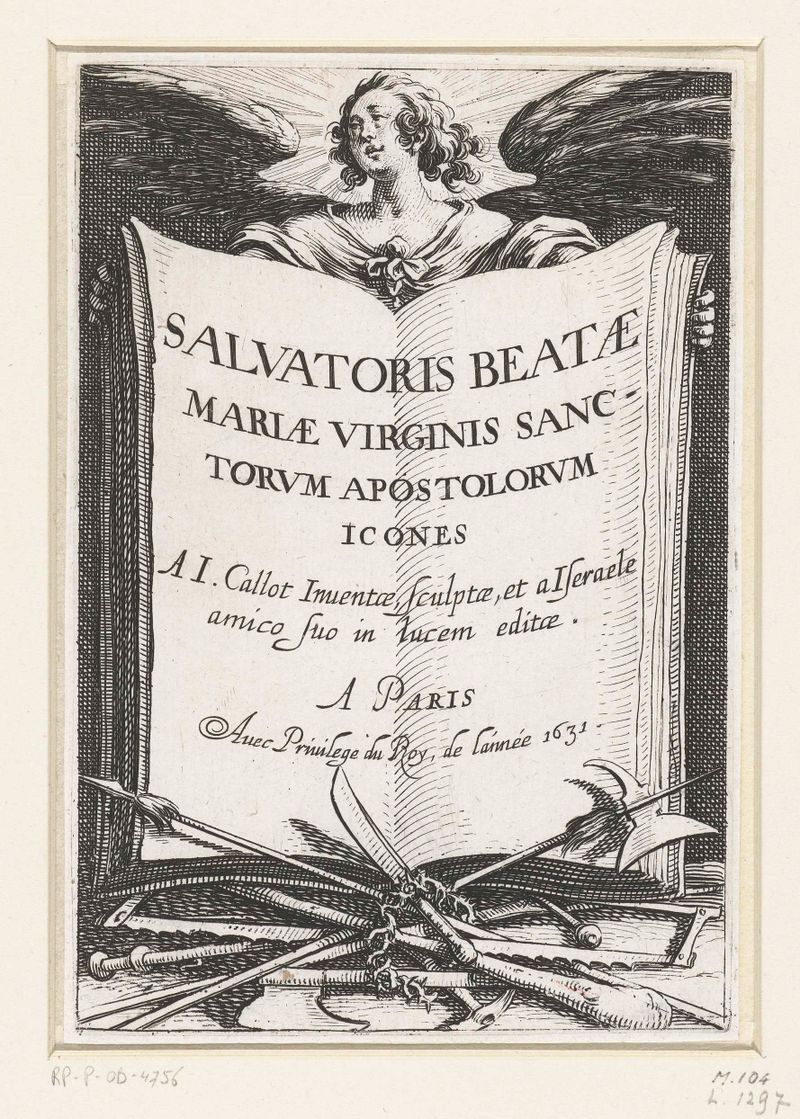
Titelprent voor de prentreeks 'De grote apostelen' (Christus, Maria en de apostelen)
Jacques Callot

Christus aan het volk getoond (Ecce homo)
Jacques Callot
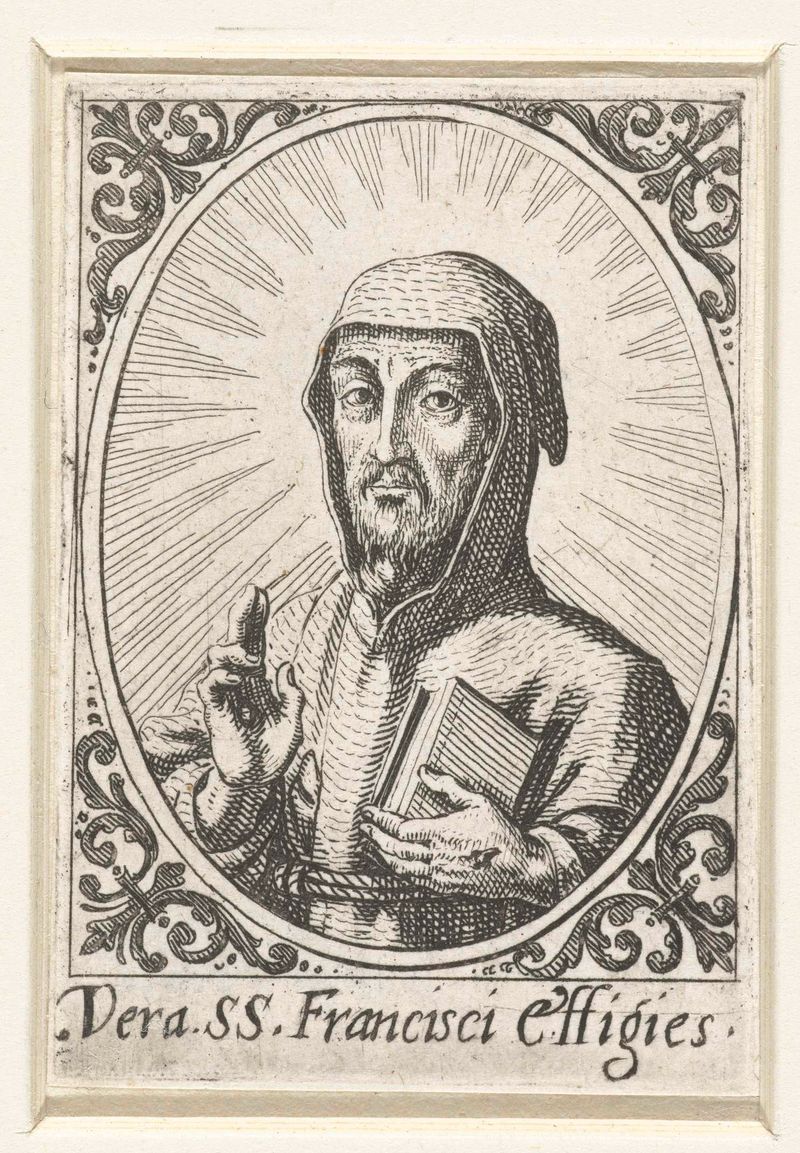
Portret van de Heilige Franciscus
Jacques Callot
More Religious Art
Browse all →
The Return of the Prodigal Son
Rembrandt van Rijn

The Garden of Earthly Delights
El Bosco

Count Orgaz’ funeral
El Greco

The Hundred Guilder Print: the central piece with Christ preaching, the plate arched
Rembrandt van Rijn

The Descent from the Cross
Rogier van der Weyden

The return of the prodigal son
Rembrandt van Rijn