
De Heilige Familie met Elizabeth en Johannes de Doper — History & Facts
Can beauty exist without sorrow? In Jacques Callot’s De Heilige Familie met Elizabeth en Johannes de Doper, a tender moment unfolds, where familial bonds intermingle with an underlying sense of emptiness that permeates the canvas. Look to the center where the holy family gathers, their expressions a delicate blend of joy and melancholy. The figures, draped in rich textiles, create a harmonic rhythm through their poses, while the soft, golden light filters gently across their faces. Notice how the warm tones contrast against the cool shadows, conjuring a sense of depth that invites introspection.
This masterful play of light and composition reveals not just the physical proximity of the figures, but also the emotional distances between them. Deeper insights emerge when examining the tiny details, such as the tilt of Elizabeth's head or the gentle grasp of the infant John. Each gesture and facial expression whispers a narrative of longing and connection, hinting at the transient nature of happiness. The emptiness suggested by the background, absent of elaborate scenery, serves to amplify the weight of the moment, making the love shared amongst them feel both precious and fleeting. During the years 1621 to 1635, Callot was refining his skills in Lorraine, steeped in the Baroque movement's complexities.
This period marked a time of both personal triumphs and struggles, as the artist sought to capture not only the physical world but the emotional landscapes of his subjects. The painting reflects the artist’s deep engagement with the theme of spirituality alongside the human experience, a poignant exploration amidst the social and artistic shifts of his time.
More Artworks by Jacques Callot
Browse all →
Titelprent voor de prentreeks 'De kleine apostelen' (Het martelaarschap van de apostelen)
Jacques Callot
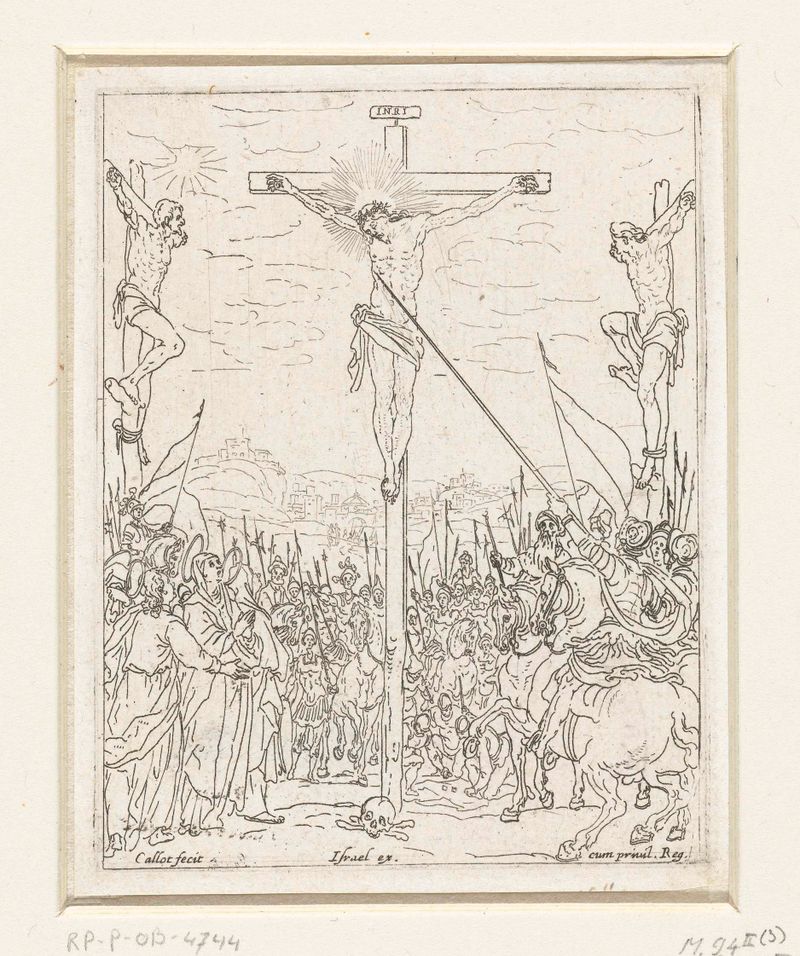
Kruisiging
Jacques Callot

De doortocht door de Rode Zee
Jacques Callot

De verloren zoon als zwijnenhoeder
Jacques Callot

Annunciatie
Jacques Callot
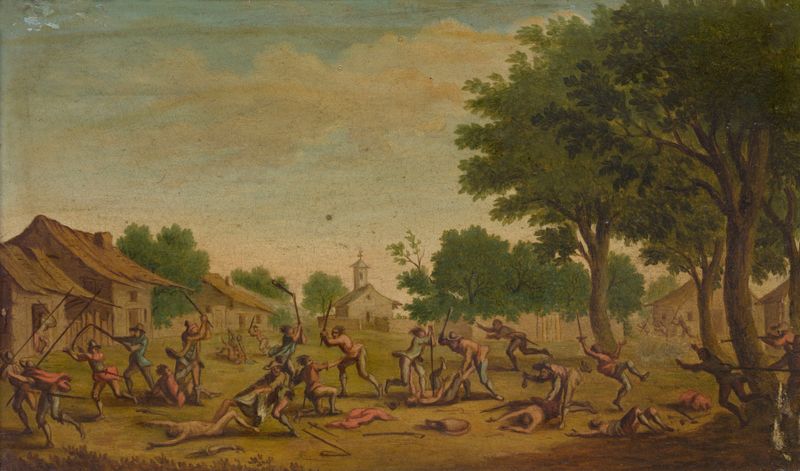
Village Fight
Jacques Callot

Titelprent voor prentreeks 'Het leven van Maria'
Jacques Callot
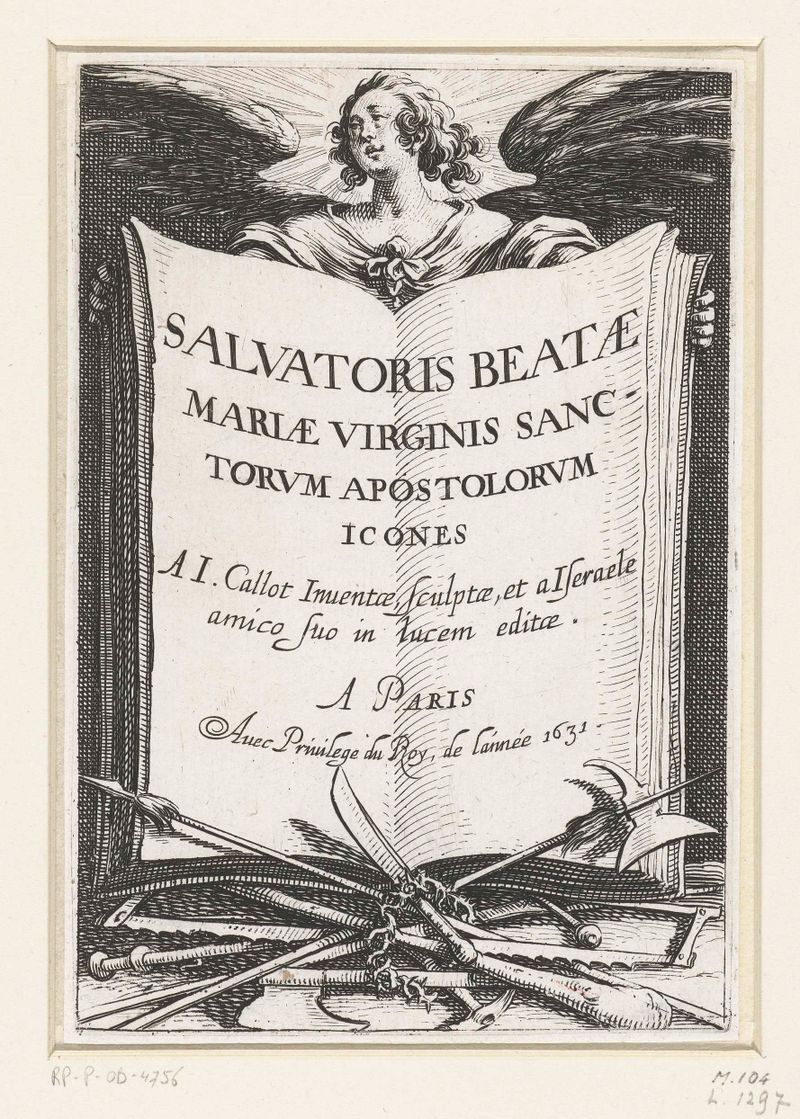
Titelprent voor de prentreeks 'De grote apostelen' (Christus, Maria en de apostelen)
Jacques Callot

Christus aan het volk getoond (Ecce homo)
Jacques Callot
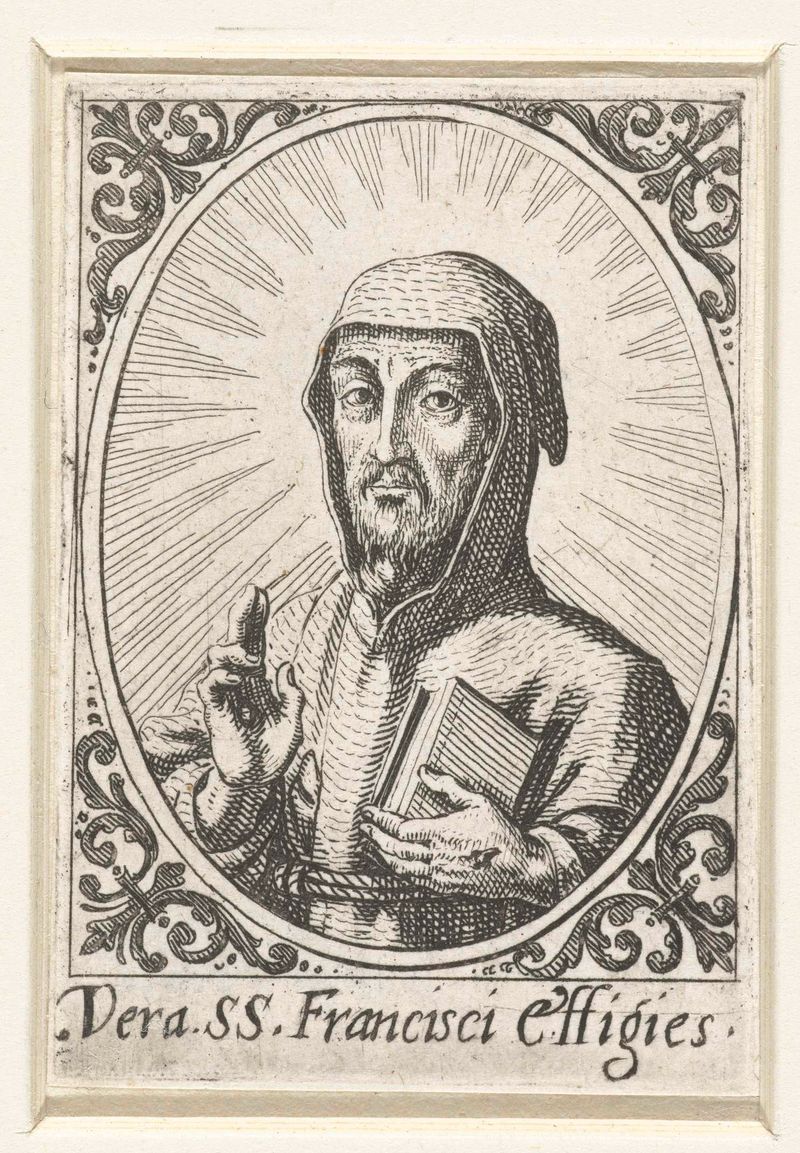
Portret van de Heilige Franciscus
Jacques Callot
More Religious Art
Browse all →
The Return of the Prodigal Son
Rembrandt van Rijn

The Garden of Earthly Delights
El Bosco

Count Orgaz’ funeral
El Greco

The Hundred Guilder Print: the central piece with Christ preaching, the plate arched
Rembrandt van Rijn

The Descent from the Cross
Rogier van der Weyden

The return of the prodigal son
Rembrandt van Rijn