
De Heilige Familie met Elizabeth en Johannes de Doper — History & Facts
Is this a mirror — or a memory? In a world often shadowed by doubt, the figures stand together, their presence a testament to enduring hope and connection. Look to the center of the composition, where the Holy Family gathers in a gentle embrace. Notice how the soft, warm hues wrap around Mary and Joseph, illuminating them against the cooler tones of the background. The delicate brushwork reveals a tender intimacy as light falls upon their faces, highlighting the calm serenity in their expressions.
To the left, Elizabeth and the infant John the Baptist gazes with wide-eyed wonder, creating a visual symmetry that binds the family together in a sacred moment. Delve deeper into the small details: the way the folds of Mary's robe cascade like gentle waves, or how Elizabeth's hand rests protectively over John, signaling a bond that transcends time. This scene is not merely a representation of familial ties; it evokes a deeper emotional tension between love and sacrifice, suggesting the weight of future destinies intertwined. Each figure, each gesture, holds significance, reflecting the shared journey of hope amid uncertainty. Jacques Callot painted this work between 1621 and 1635, during a period marked by personal and artistic evolution.
Residing in France, he was influenced by the Baroque movement while navigating the complexities of war and upheaval in Europe. This painting emerges from a time of reflection, embodying a blend of religious devotion and a profound understanding of the human experience, as Callot sought to capture the hearts of his audience through both technical brilliance and emotional depth.
More Artworks by Jacques Callot
Browse all →
Titelprent voor de prentreeks 'De kleine apostelen' (Het martelaarschap van de apostelen)
Jacques Callot
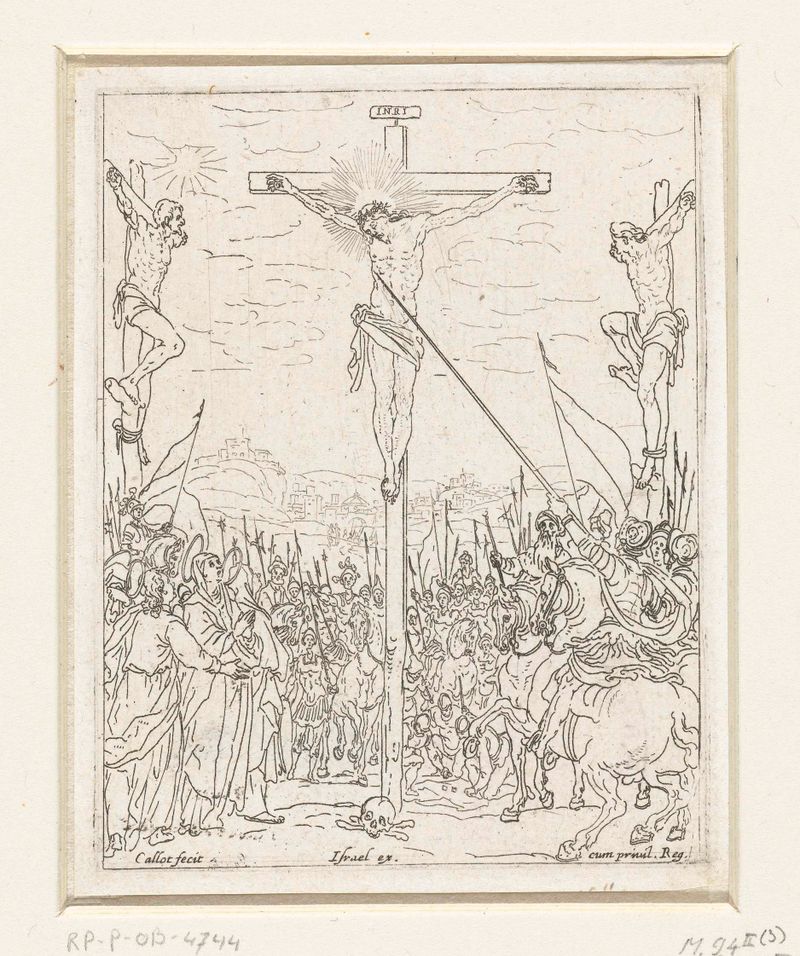
Kruisiging
Jacques Callot

De doortocht door de Rode Zee
Jacques Callot

De verloren zoon als zwijnenhoeder
Jacques Callot

Annunciatie
Jacques Callot
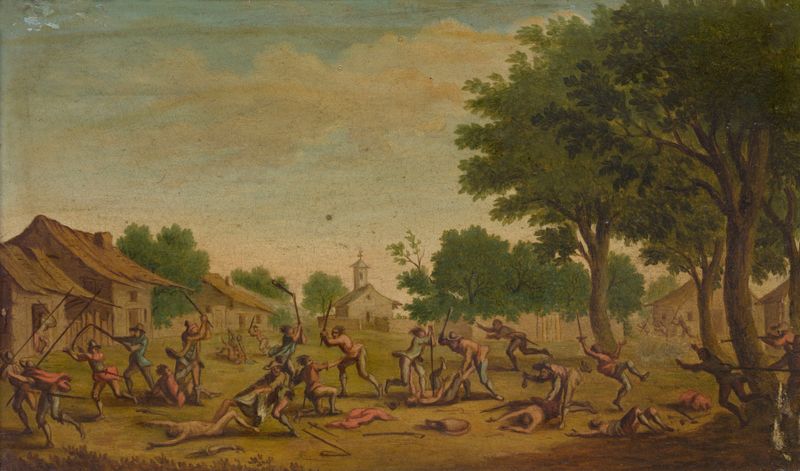
Village Fight
Jacques Callot

Titelprent voor prentreeks 'Het leven van Maria'
Jacques Callot
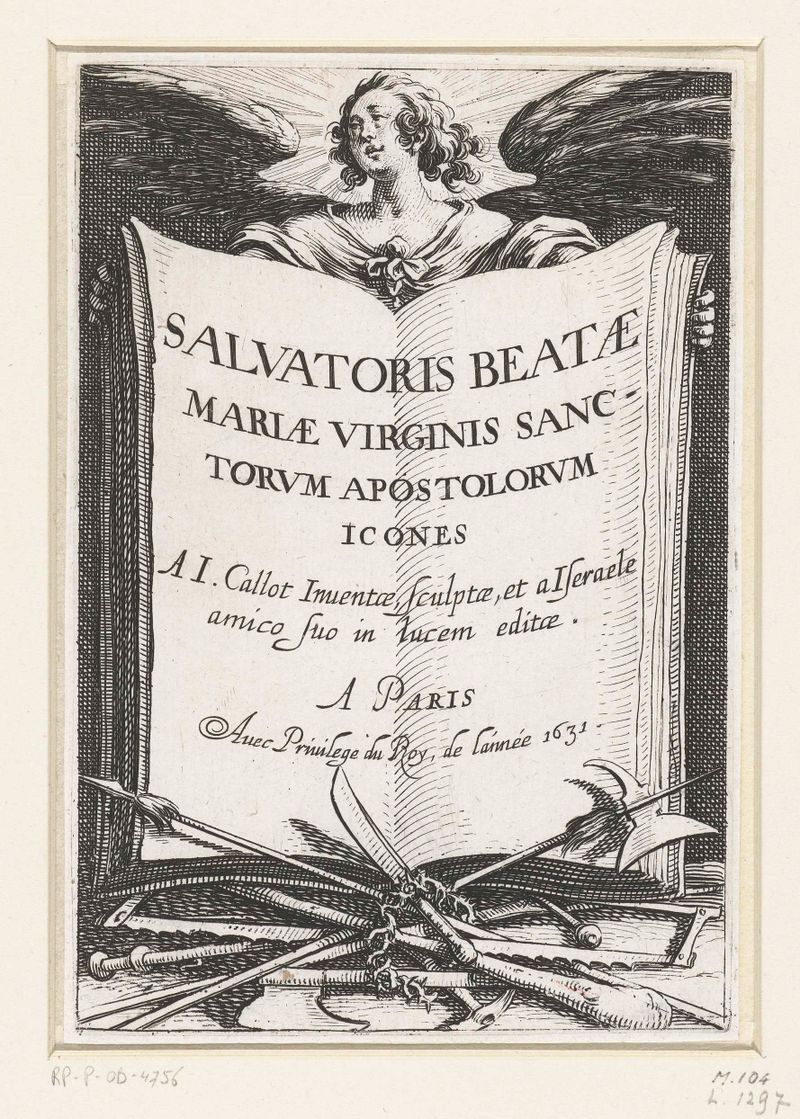
Titelprent voor de prentreeks 'De grote apostelen' (Christus, Maria en de apostelen)
Jacques Callot

Christus aan het volk getoond (Ecce homo)
Jacques Callot
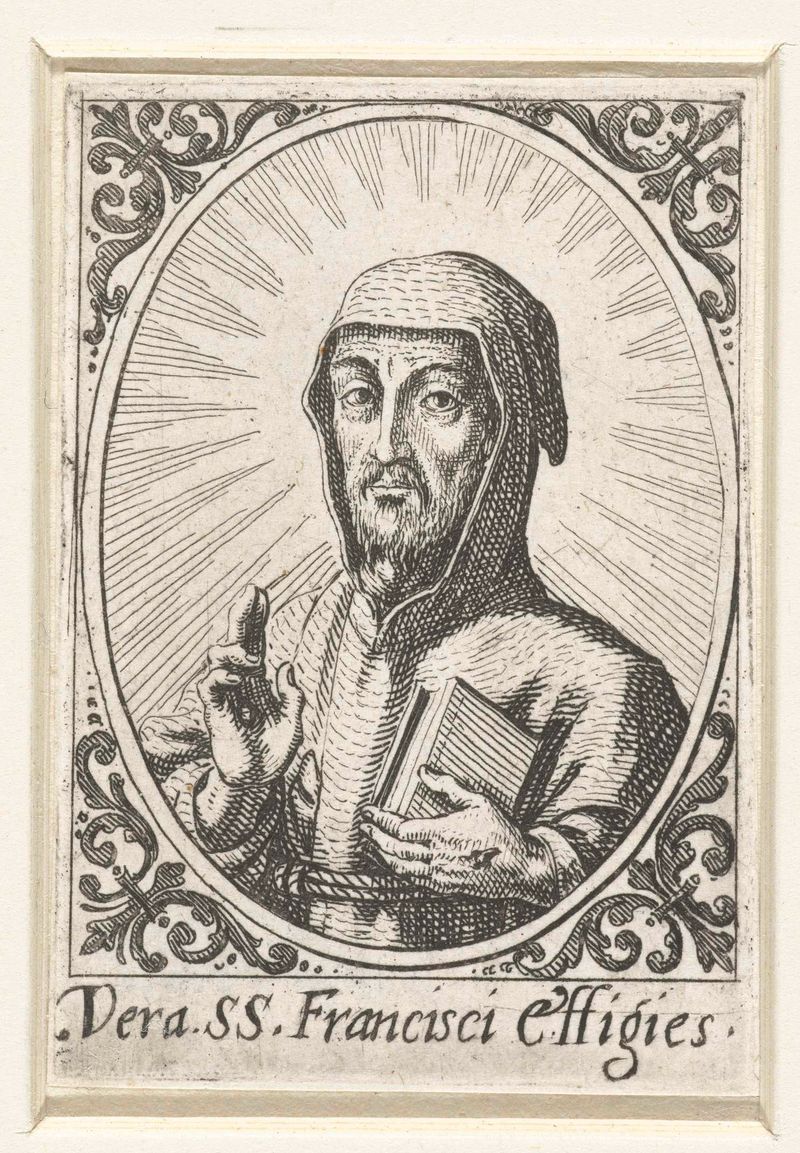
Portret van de Heilige Franciscus
Jacques Callot
More Religious Art
Browse all →
The Return of the Prodigal Son
Rembrandt van Rijn

The Garden of Earthly Delights
El Bosco

Count Orgaz’ funeral
El Greco

The Hundred Guilder Print: the central piece with Christ preaching, the plate arched
Rembrandt van Rijn

The Descent from the Cross
Rogier van der Weyden

The return of the prodigal son
Rembrandt van Rijn