
De heilige Sebastiaan — History & Facts
Did the painter know this moment would outlive them? In De heilige Sebastiaan, the fragility of existence is distilled into a singular, haunting portrayal of martyrdom and resilience. Focus on the figure of Saint Sebastian, centrally positioned yet surrounded by an aura of vulnerability. Notice how the luminous soft tones of his flesh contrast sharply with the dark, menacing arrows aimed at him, their jagged forms suggesting both agony and the inevitability of fate. The delicate interplay of light and shadow breathes life into his stillness, emphasizing the tension between suffering and serenity.
Each arrow, meticulously detailed, tells a story of persecution, while the warm glow enveloping him hints at divine protection. Delve deeper into the psychological impact of this scene. The juxtaposition of Sebastian's serene expression against the chaos of his surroundings reveals the profound conflict between hope and despair. The subtle yet deliberate arrangement of the arrows creates a sense of impending doom, while the upward gaze of the saint elicits a quiet defiance.
This quiet strength in the face of suffering resonates, instilling a sense of empathy and reflection in the viewer. The painting encapsulates a moment suspended in time, where the fragility of life is laid bare against the backdrop of spiritual resolve. Painted between 1581 and 1628, this work emerged during a time of great religious turmoil in Europe, particularly for artists navigating the shifting tides of the Reformation and Counter-Reformation. Jan Harmensz.
Muller was part of a vibrant artistic milieu in the Netherlands, where the portrayal of religious themes was both a personal and collective exploration of faith. In this context, the creation of De heilige Sebastiaan serves as a testament not only to the artist's technical prowess, but also to the enduring nature of belief amidst adversity.
More Artworks by Jan Harmensz. Muller
Browse all →
Jozef ontvlucht de vrouw van Potifar
Jan Harmensz. Muller

Portret van keizer Maximiliaan I
Jan Harmensz. Muller

De chirurgijn
Jan Harmensz. Muller
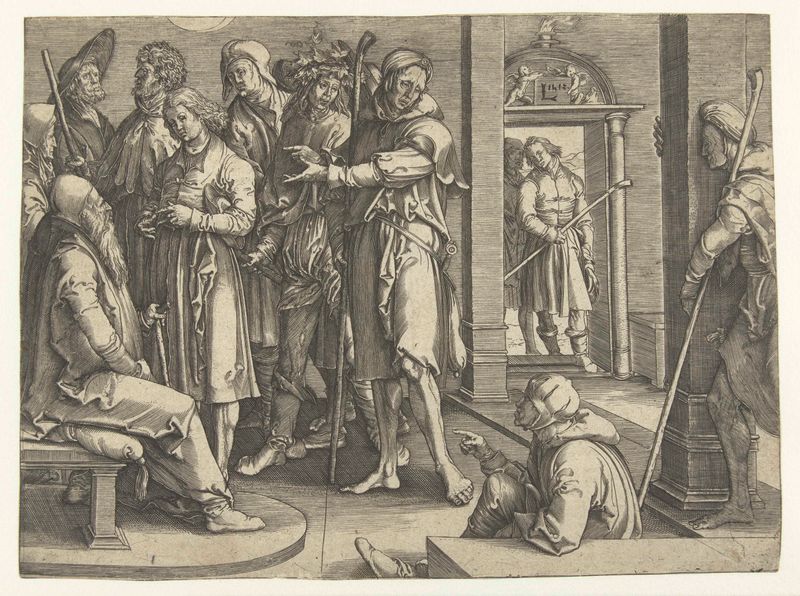
Jozef vertelt zijn dromen aan Jakob
Jan Harmensz. Muller

Jozef vertelt zijn dromen aan Jacob
Jan Harmensz. Muller
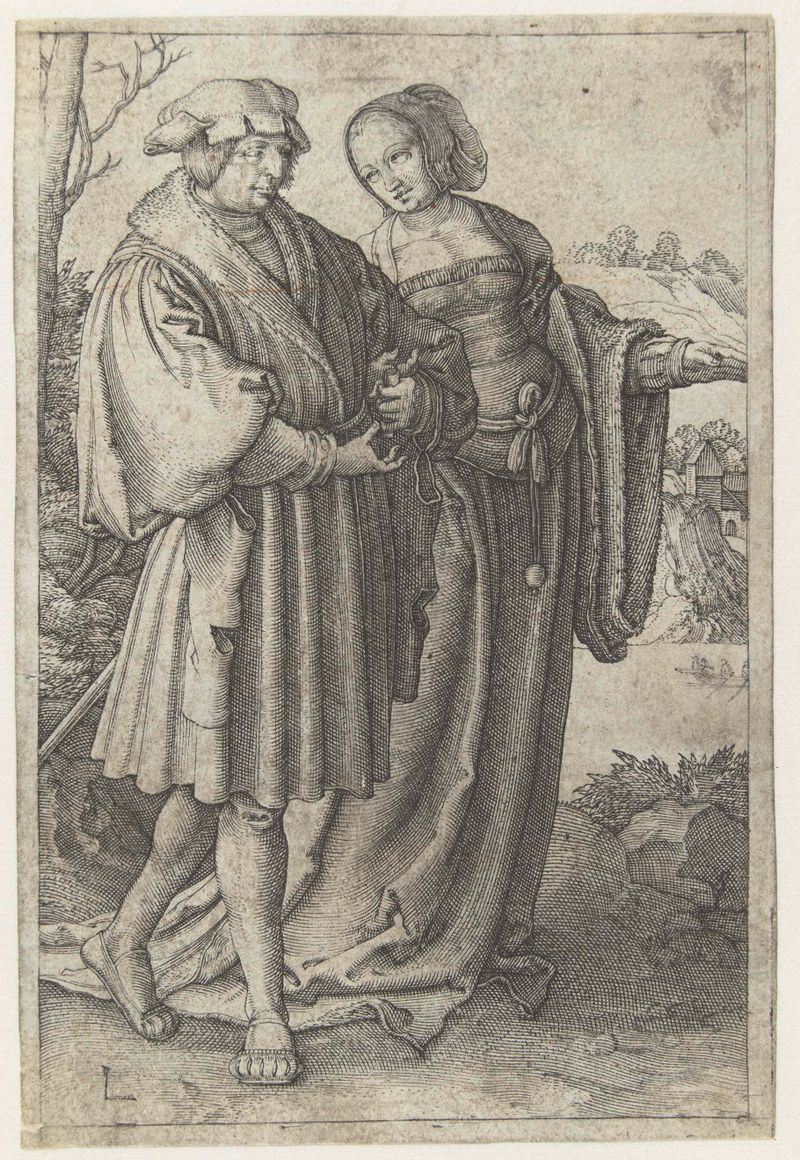
Wandelend paar
Jan Harmensz. Muller

Musicerend paar
Jan Harmensz. Muller
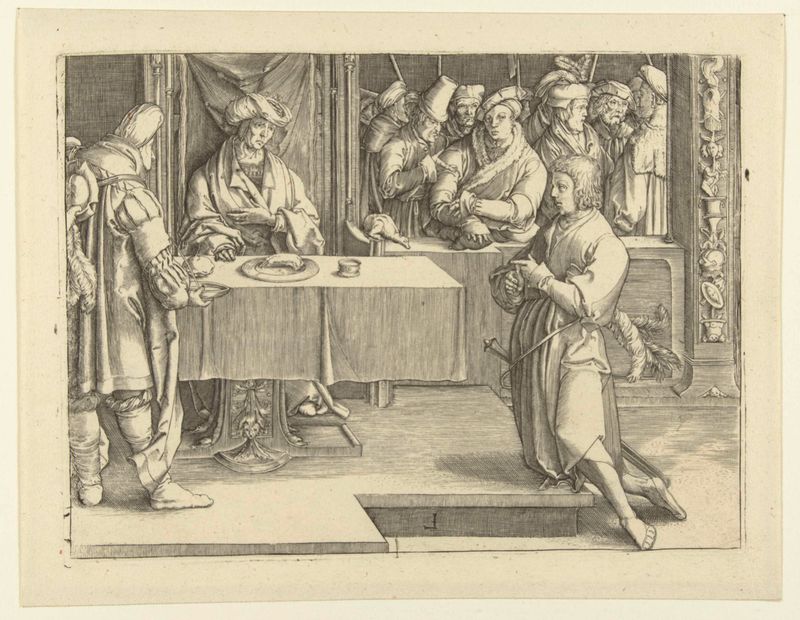
Jozef verklaart de dromen van Farao
Jan Harmensz. Muller
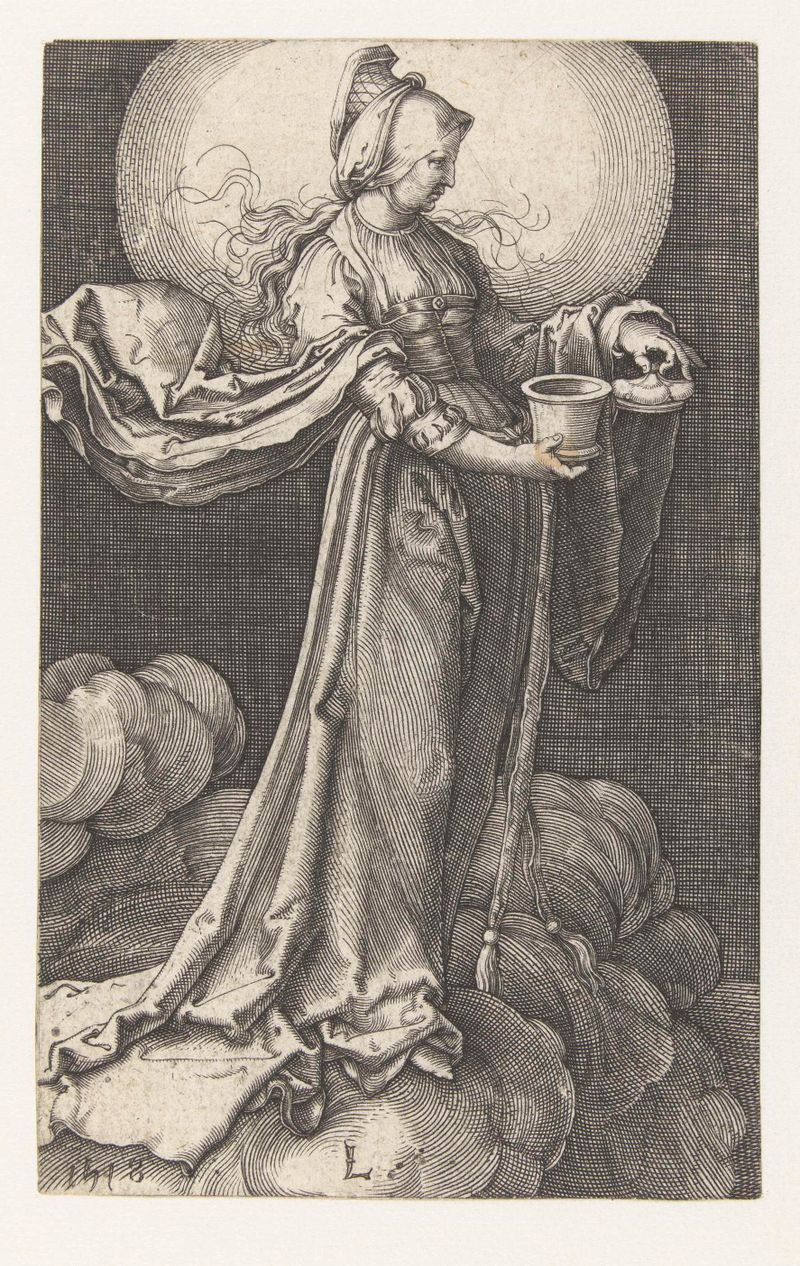
Maria Magdalena in de wolken
Jan Harmensz. Muller
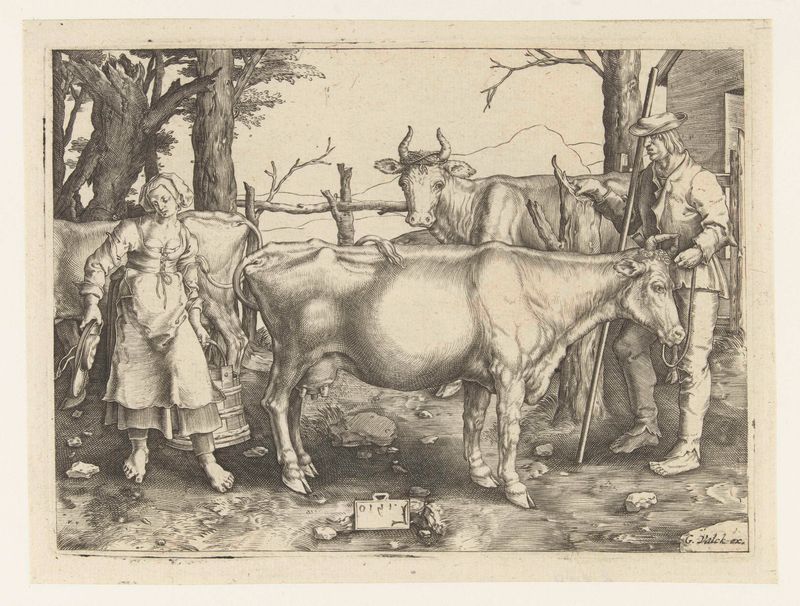
Het melkmeisje
Jan Harmensz. Muller
More Religious Art
Browse all →
The Return of the Prodigal Son
Rembrandt van Rijn

The Garden of Earthly Delights
El Bosco

Count Orgaz’ funeral
El Greco

The Hundred Guilder Print: the central piece with Christ preaching, the plate arched
Rembrandt van Rijn

The Descent from the Cross
Rogier van der Weyden

The return of the prodigal son
Rembrandt van Rijn