
Jozef vertelt zijn dromen aan Jacob — History & Facts
What if silence could speak through light? In Jozef vertelt zijn dromen aan Jacob, two figures become vessels of unspoken emotions, their expressions caught between revelation and restraint, while the surrounding space hums with unvoiced tension. Look to the left at the figure of Joseph, his gesture elevated, hand extended, as if trying to capture a dream made tangible. Notice how the light falls upon his face, illuminating a blend of hope and anxiety, while shadows cradle Jacob’s stoic expression. The composition is masterfully balanced, drawing the eye across the canvas through a triangular formation that emphasizes dialogue and connection, anchored by hues of deep emerald and warm ochre. The contrast between Joseph’s vibrant robes and Jacob’s muted attire speaks volumes about their disparate worlds.
Where Joseph is alive with color and expression, Jacob’s stillness invites contemplation, perhaps indicating the weight of familial expectation or the burden of dreams unfulfilled. This silent conversation echoes themes of ambition, authority, and the complexity of dreams—a duality that resonates deeply within the human experience. In 1667, Jan Harmensz. Muller painted this work during a time when the Dutch Golden Age was at its zenith, a period characterized by profound developments in the arts and a flourishing of narrative painting.
As Muller navigated the vibrant art scene of Amsterdam, he absorbed influences from both the emerging Baroque style and the rich storytelling techniques of earlier Dutch masters, setting the stage for an emotionally charged dialogue in this captivating piece.
More Artworks by Jan Harmensz. Muller
Browse all →
Jozef ontvlucht de vrouw van Potifar
Jan Harmensz. Muller

Portret van keizer Maximiliaan I
Jan Harmensz. Muller

De chirurgijn
Jan Harmensz. Muller
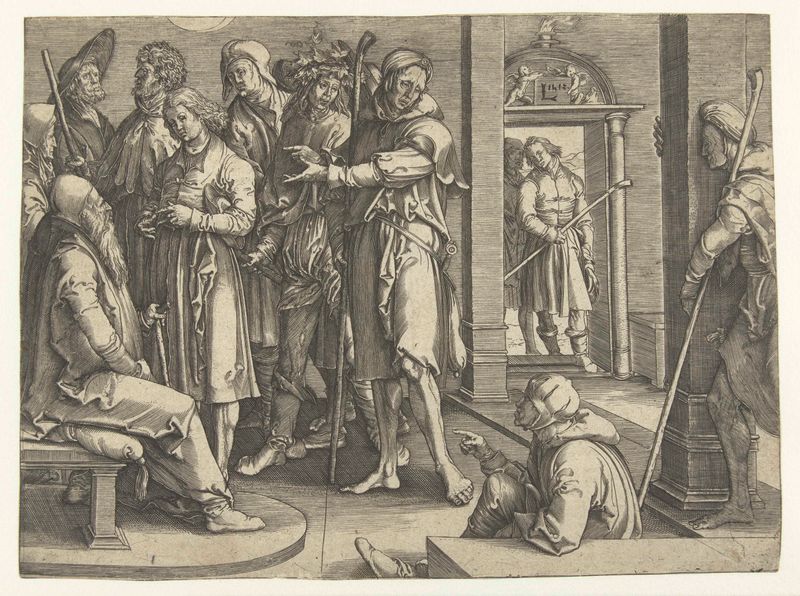
Jozef vertelt zijn dromen aan Jakob
Jan Harmensz. Muller
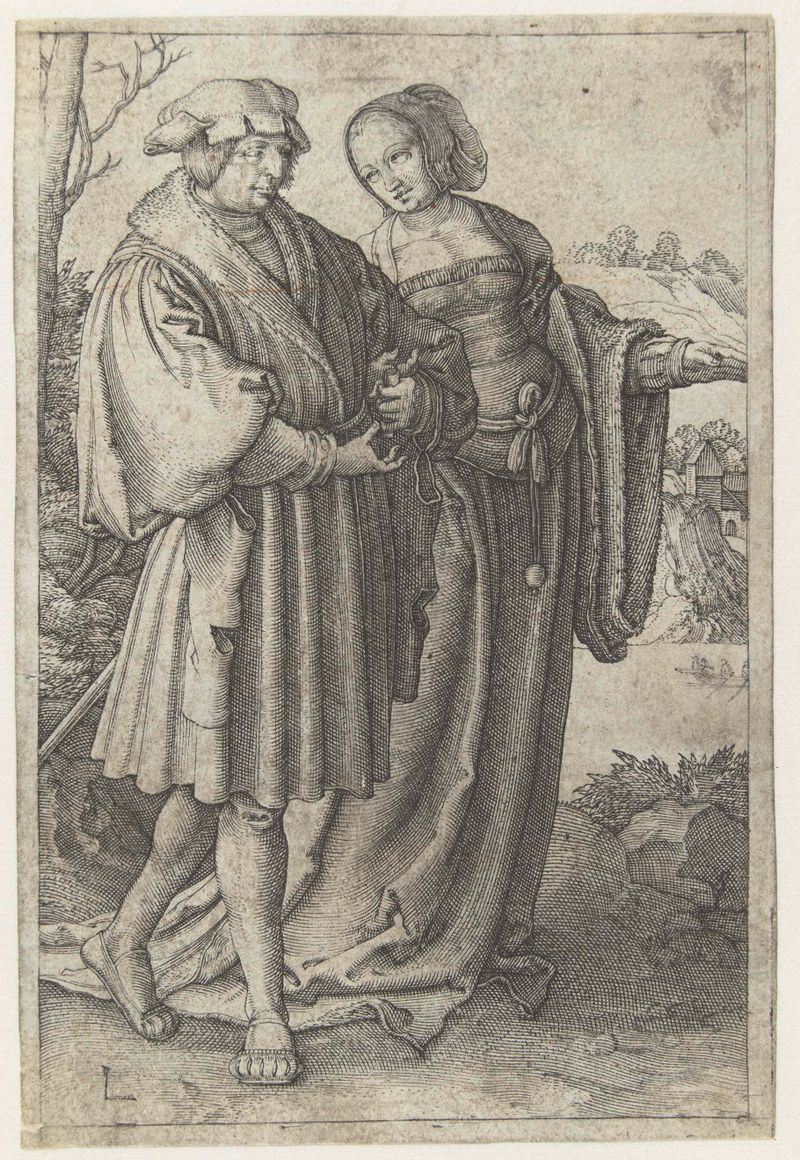
Wandelend paar
Jan Harmensz. Muller

Musicerend paar
Jan Harmensz. Muller

De heilige Sebastiaan
Jan Harmensz. Muller
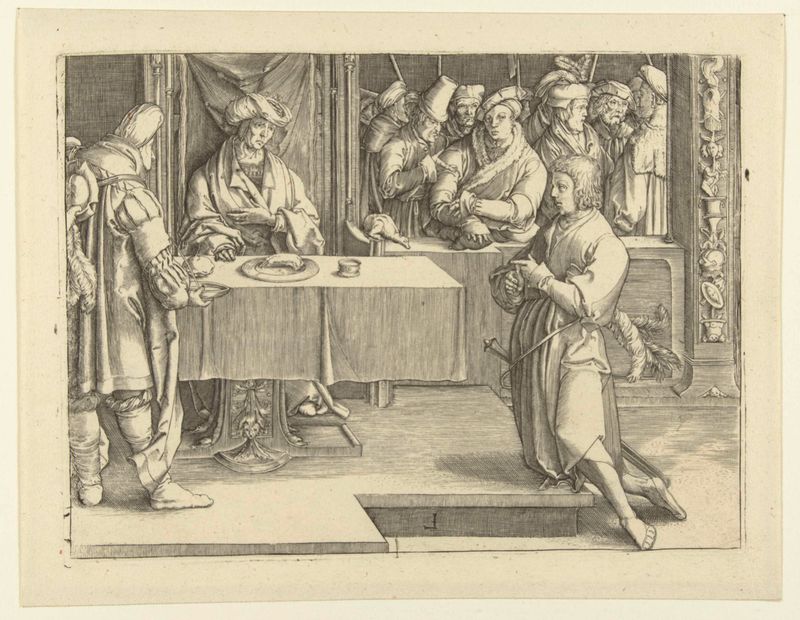
Jozef verklaart de dromen van Farao
Jan Harmensz. Muller
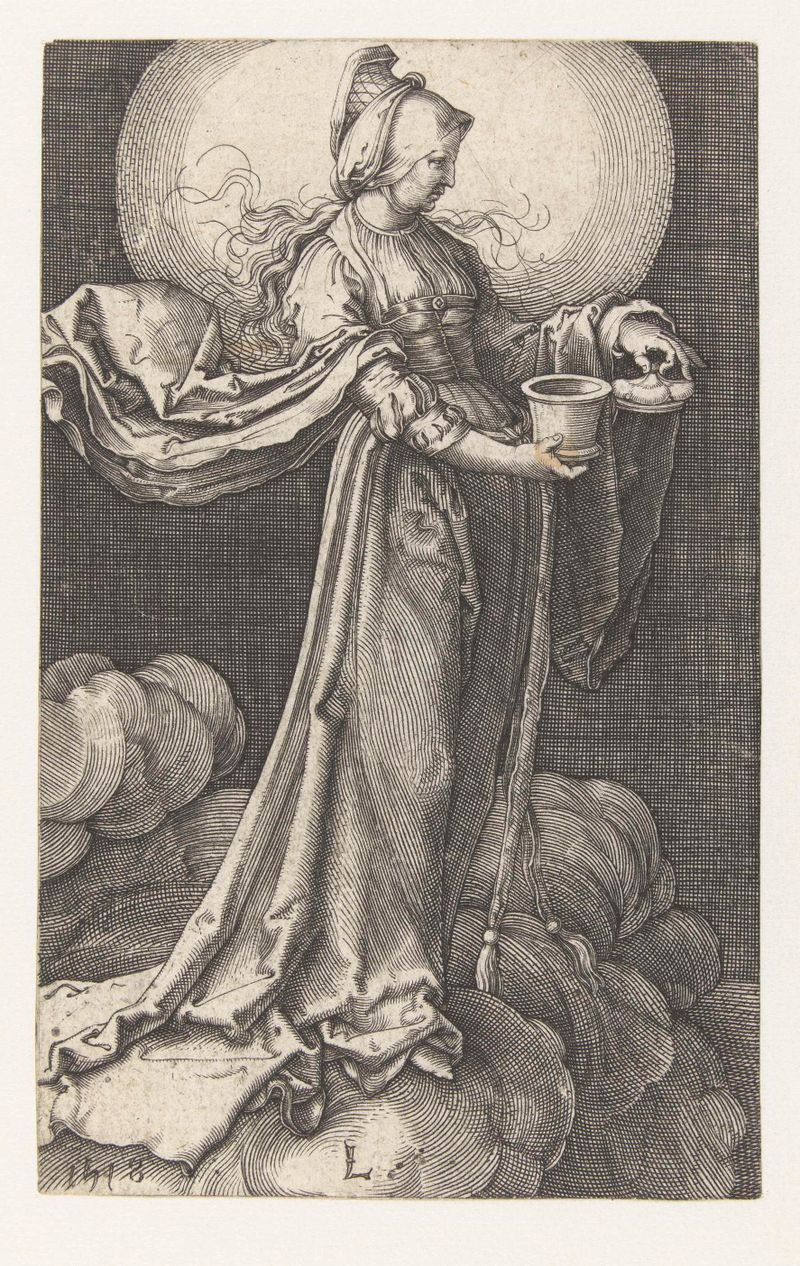
Maria Magdalena in de wolken
Jan Harmensz. Muller
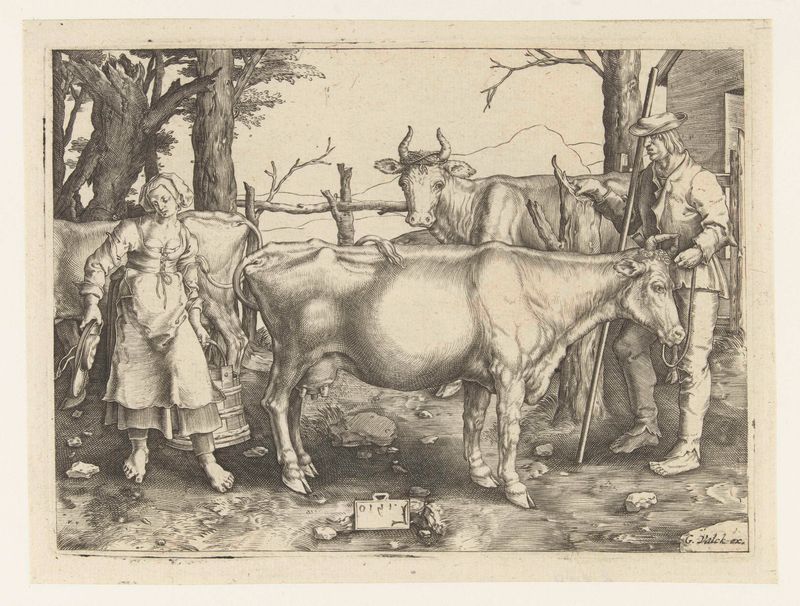
Het melkmeisje
Jan Harmensz. Muller
More Historical Art
Browse all →
The Night Watch Militia Company of District II under the Command of Captain Frans Banninck Cocq
Rembrandt van Rijn

Lincoln Memorial
Henry Bacon

The Third of May 1808
Francisco de Goya

Isaac and Rebecca, Known as ‘The Jewish Bride’
Rembrandt van Rijn

The Charge of the Mamelukes (1814)
Francisco de Goya

De vier ruiters van de apocalyps
Albrecht Dürer