
Het melkmeisje — History & Facts
Did the painter know this moment would outlive them? In Het melkmeisje, the ordinary becomes a vessel of revelation, inviting us to witness the simplicity of daily life transformed into something transcendent. Look to the left at the young woman, her gaze focused intently on the task at hand. The gentle curve of her arm, poised gracefully as she pours milk, captures a moment suspended in time. Notice how the soft light streams through the window, illuminating not only the milk but the delicate contours of her figure and the rich colors of her attire.
The juxtaposition of warm yellows and deep browns creates a harmonious palette that draws the eye, making the viewer feel as though they are intruding on an intimate moment. Within the scene lies a profound tension between labor and grace. The careful act of pouring milk resonates with themes of nourishment and care, while her tranquil expression suggests a deep inner world, untouched by the chaos outside. Subtle details, such as the faint glimmer on the milk and the textured surfaces of the earthenware, speak to the artist's meticulous attention to reality, inviting viewers to reflect on the beauty found in the mundane. Created in the early 17th century, Het melkmeisje emerged from a time when Jan Harmensz.
Muller was deeply engaged in the genre of still life and everyday subjects. Working in the vibrant cultural milieu of the Dutch Golden Age, he sought to capture the essence of ordinary life, bridging the gap between art and the viewer's experience. This painting reflects not only the artist's technical skill but also the era's preoccupation with the beauty of simplicity and the resonance of domestic scenes.
More Artworks by Jan Harmensz. Muller
Browse all →
Jozef ontvlucht de vrouw van Potifar
Jan Harmensz. Muller

Portret van keizer Maximiliaan I
Jan Harmensz. Muller

De chirurgijn
Jan Harmensz. Muller
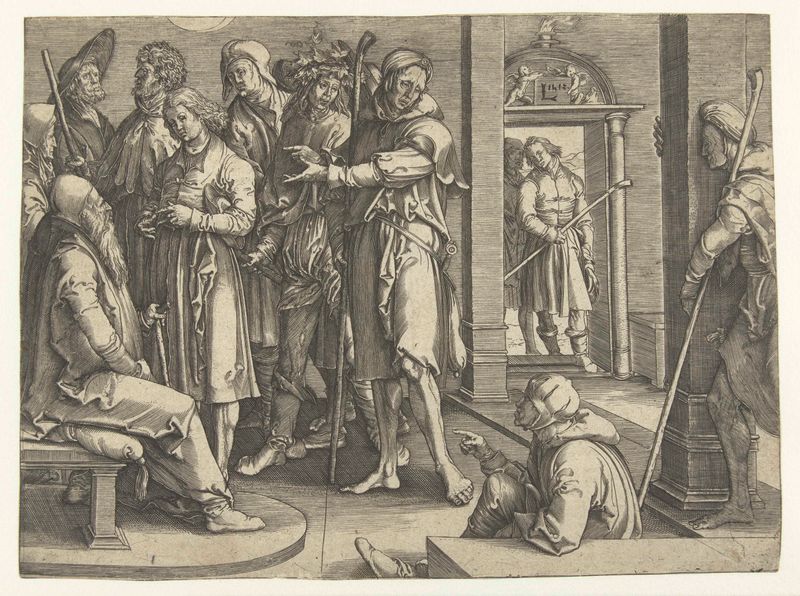
Jozef vertelt zijn dromen aan Jakob
Jan Harmensz. Muller

Jozef vertelt zijn dromen aan Jacob
Jan Harmensz. Muller
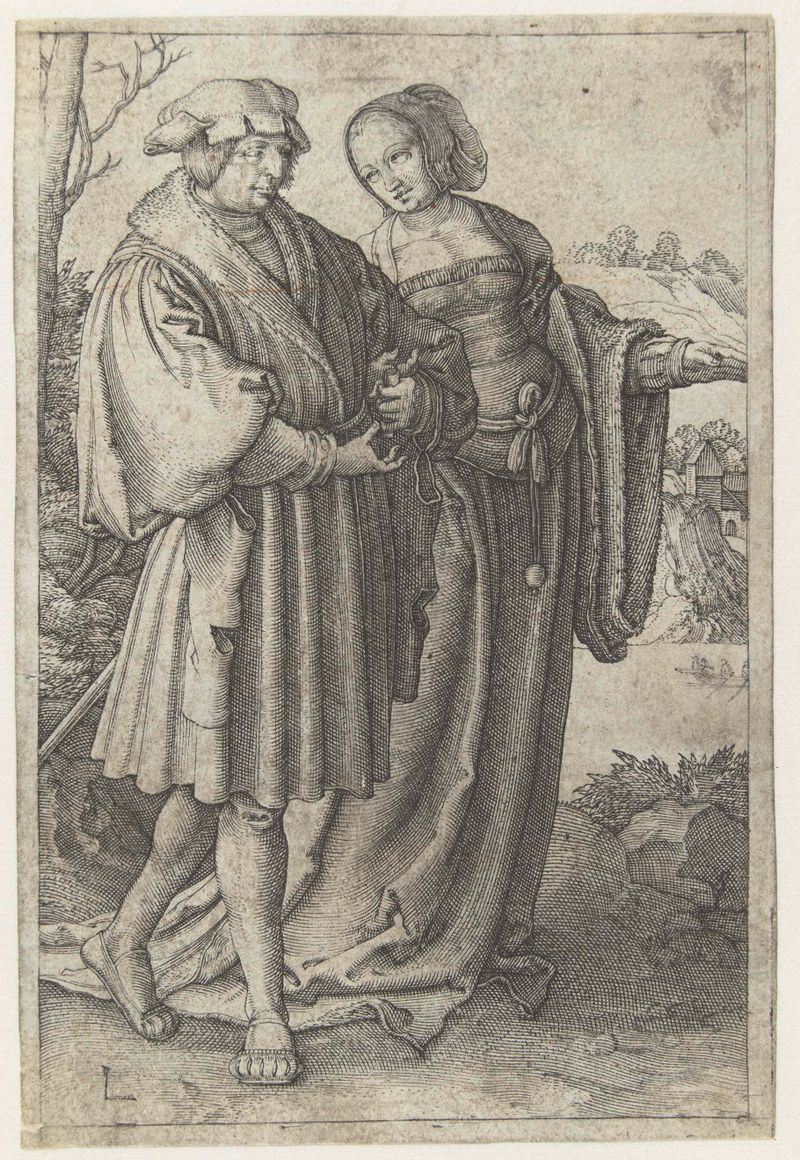
Wandelend paar
Jan Harmensz. Muller

Musicerend paar
Jan Harmensz. Muller

De heilige Sebastiaan
Jan Harmensz. Muller
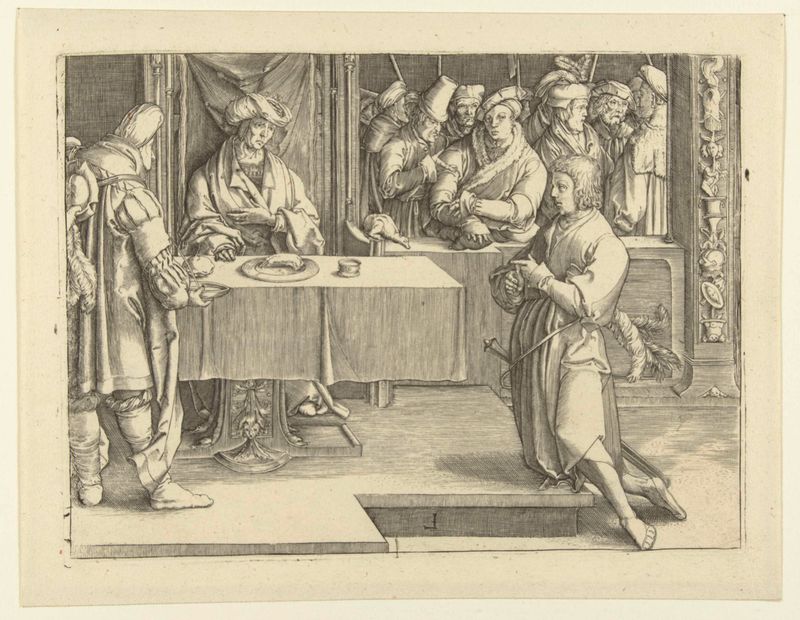
Jozef verklaart de dromen van Farao
Jan Harmensz. Muller
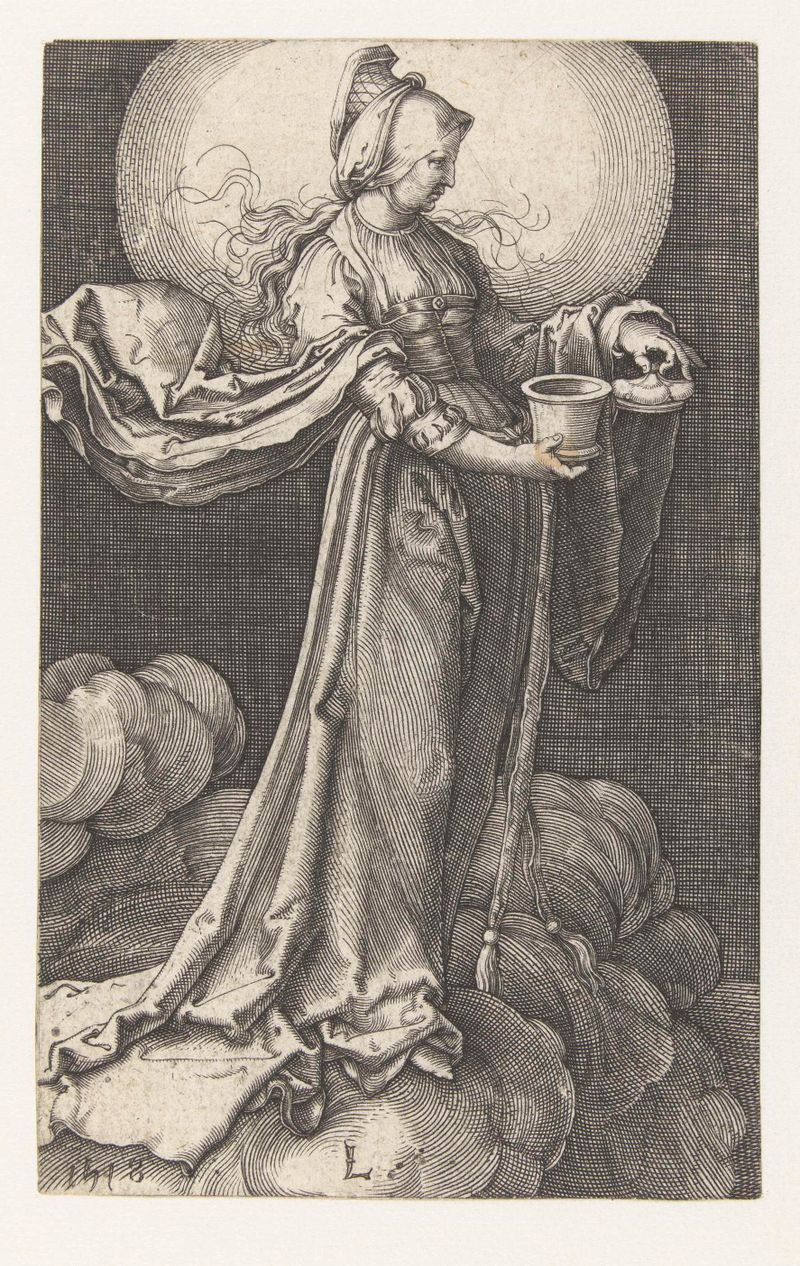
Maria Magdalena in de wolken
Jan Harmensz. Muller





